
5 Diaper Mistakes First-Time Parents Make (And How to Avoid ₹2,000 Waste)
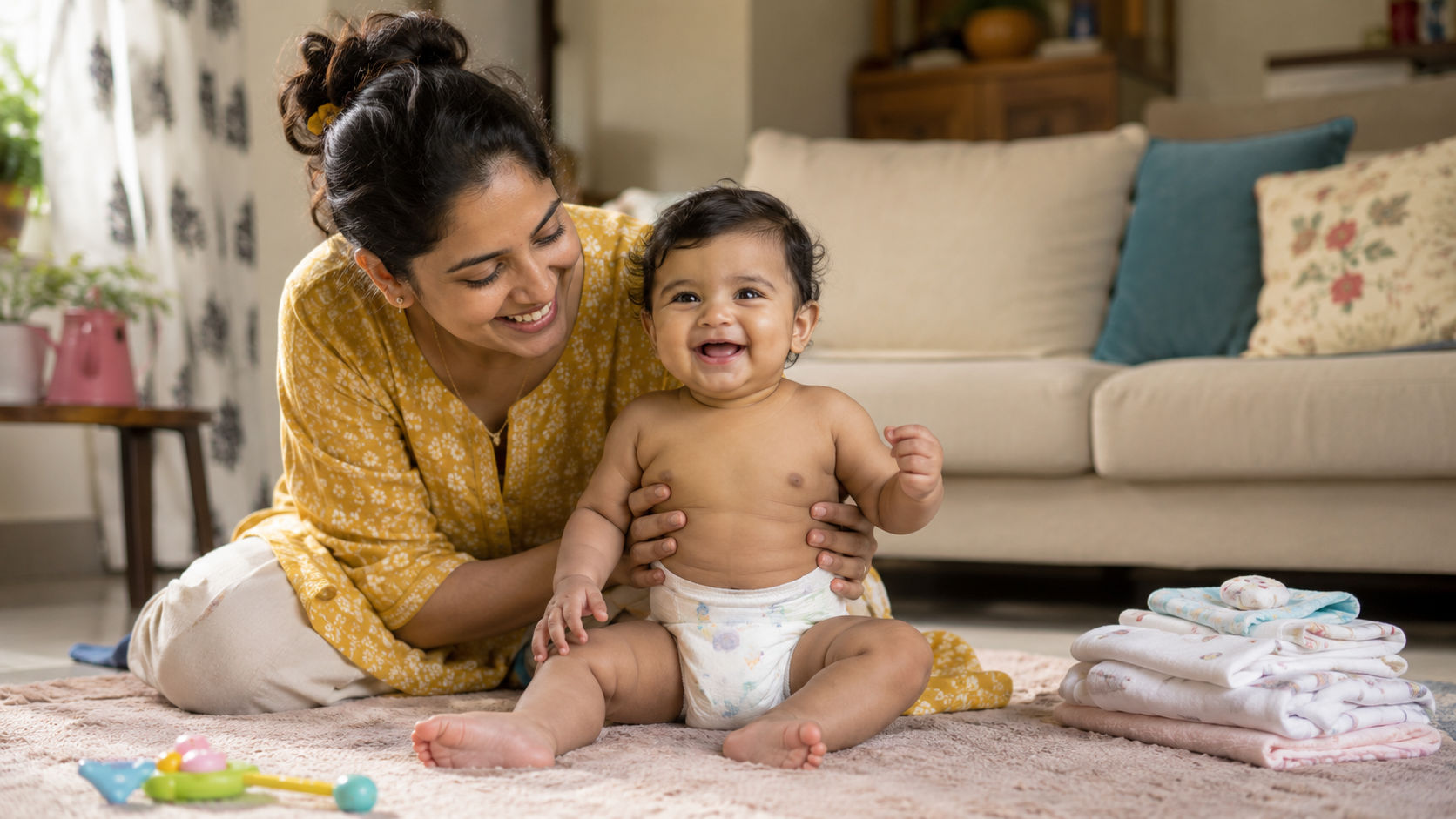
The biggest mistake is buying newborn sizes in bulk—babies outgrow them in 2–3 weeks. Instead, test 3–4 affordable brands (Supples, Bumtum, Allter) with small packs, compare cost-per-piece, and factor in your city's climate and humidity before committing to a larger pack.
When my daughter was born, I bought three 88-count packs of newborn diapers because the per-piece rate looked unbeatable. Two weeks later, she'd moved to size 2, and I had 220 diapers sitting in my cupboard. This is the most common—and most preventable—mistake I see other parents make. Affordable diapers work for many Indian babies, but buying the wrong way costs more than buying premium.
Here are the five mistakes that waste money or create frustration, and exactly how to avoid each one.
Mistake 1: Bulk-Buying Newborn Size (The ₹1,500 Regret)
Newborns grow fast: a typical baby moves from size NB (up to 5 kg) to size 1 (4–8 kg) within 10–21 days. If your baby is even a little larger at birth—or gains weight quickly—you could be stuck with 150+ unused newborn diapers. That's ₹800–1,500 down the drain depending on brand.
What to do instead: Buy newborn diapers in packs of 20–30 only. Most brands sell these as standalone packs or in smaller combo boxes. Pampers Swaddlers, MamyPoko Extra Absorb, and Supples all have 20-piece newborn packs available on Amazon.in for ₹150–250. Once your baby reaches 5 kg (around 3–4 weeks), they'll move to size 1, which you can then buy in bulk.
Mistake 2: Brand Loyalty Without Testing (Why Your Sister's Choice May Not Be Yours)
Your neighbour swears by Pampers, your sister uses MamyPoko, and your mother-in-law insists on a regional brand. But every baby's skin is different. A diaper that works perfectly for one infant may cause redness or irritation in another—even within the same family.
Committing to one brand without testing means you could spend ₹3,000–5,000 a month on a diaper your baby's skin rejects, forcing you to switch anyway and waste the remaining stock.
What to do instead: Create a test pack for your first month. Buy single packs (20–30 pieces) from 4–5 different brands across price tiers: one premium (Pampers or Huggies), one mid-range (MamyPoko or Johnson's), and 2–3 affordable options (Supples, Bumtum, or Allter). Use each for 3–4 days and watch for redness, rashes, or leakage. Total cost: ₹250–350 for a complete diaper audit. Once you know what works, buy in bulk confidently.
Mistake 3: Ignoring Regional Climate and Hard Water Differences
A diaper that performs beautifully in dry Jaipur might feel clingy and cause heat rash in humid Mumbai or Kolkata. Hard water in many Indian cities can also affect how absorbent materials behave, making some brands less effective at containing moisture.
Tier-2 and tier-3 city parents also face inconsistent stock of premium brands, sometimes forcing a sudden switch mid-month—which disrupts what was working.
What to do instead: Test your chosen brand during the actual season you'll use it most. If your baby arrives in summer, test in summer. If you live in a high-humidity area, look for diapers with quick-dry cores or brands that explicitly mention moisture-wicking (MamyPoko and Bumtum list this feature). For hard-water areas, affordable brands like Allter and Supples have simpler absorbent layers that respond better than heavily treated premium materials.
Mistake 4: Skipping Combo Packs and Buying Single Sizes
Parents often buy size 1 in bulk, then size 2, then size 3—paying full price for each size separately. But brands offer combo packs (e.g., 44 count size 1 + 44 count size 2) that lock in a lower per-piece rate and bridge the size transition smoothly without overstocking one size.
What to do instead: Once you've tested and found your brand, switch to combo packs or large bulk packs (136–168 count) that include two sizes. Amazon.in regularly discounts these packs by 15–25%, dropping the effective cost to ₹6–8 per piece for quality brands and ₹4.5–6 for affordable ones. A 136-count combo pack also forces you to buy across sizes, reducing waste when your baby grows.
Mistake 5: Not Calculating or Comparing Cost-Per-Diaper
A ₹799 pack sounds cheaper than a ₹899 pack until you check the piece count. If the first has 88 pieces and the second has 120, the second is actually ₹2 cheaper per diaper—but it looks more expensive upfront. Most parents don't check, defaulting to whichever pack catches their eye on Amazon.in.
What to do instead: Always divide the pack price by piece count. For example:
- Supples 88-count: ₹799 ÷ 88 = ₹9.08 per piece
- Bumtum 88-count: ₹750 ÷ 88 = ₹8.52 per piece
- Allter 88-count: ₹660 ÷ 88 = ₹7.50 per piece
- MamyPoko 120-count: ₹999 ÷ 120 = ₹8.32 per piece
A ₹2 difference per piece adds up to ₹60 monthly for a baby using 30 diapers per day. Over 24 months, that's ₹1,440—enough to test multiple brands or invest in wetness indicators and leak guards.
How to Sample 5 Brands for Under ₹300
Start with small packs or combo samples. Most brands on Amazon.in list 20–30 piece packs; buying one of each gives you a real-world test without a ₹5,000 commitment.
| Brand | Pack Size & Price | Cost Per Piece | Key Feature |
|---|---|---|---|
| Supples | 20-piece: ₹180 | ₹9.00 | Soft top layer |
| Bumtum | 20-piece: ₹170 | ₹8.50 | Wetness indicator |
| Allter | 20-piece: ₹150 | ₹7.50 | Budget-friendly |
| MamyPoko | 30-piece size 1: ₹240 | ₹8.00 | Cooling layer |
| Johnson's | 20-piece: ₹200 | ₹10.00 | Mild, fragrance |
Total investment: ₹940 for 110 diapers—or ₹8.54 per piece across brands. Use this baseline to decide which brand suits your baby and budget for the next two months.
What IAP and WHO Guidance Says
Indian Academy of Pediatrics (IAP): Recommends frequent diaper changes (8–12 per day for newborns) to prevent diaper dermatitis and maintain skin health. WHO: Stresses that affordable, clean diapers used frequently are as effective as premium brands at preventing infection—cost should not prevent parents from changing diapers regularly.
The difference between a ₹9 diaper and a ₹15 diaper often isn't performance—it's packaging, marketing, and brand history. For most babies, affordable brands work. The real cost comes from buying wrong: newborn bulk, untested brands, or ignoring your climate. Test first, calculate later, and you'll save both money and regret.
Our Top Picks

Supples Baby Diaper Pants Size 1 Small (4-8 kg) Pack of 88
- ✓ 88 pieces per pack
- ✓ Soft top layer
- ✓ Cost: ₹9.08 per piece
* We earn a small commission — at no extra cost to you.

Bumtum Baby Diaper Pants Size 1 (4-8 kg) Pack of 88
- ✓ 88 pieces per pack
- ✓ Wetness indicator
- ✓ Cost: ₹8.52 per piece
* We earn a small commission — at no extra cost to you.
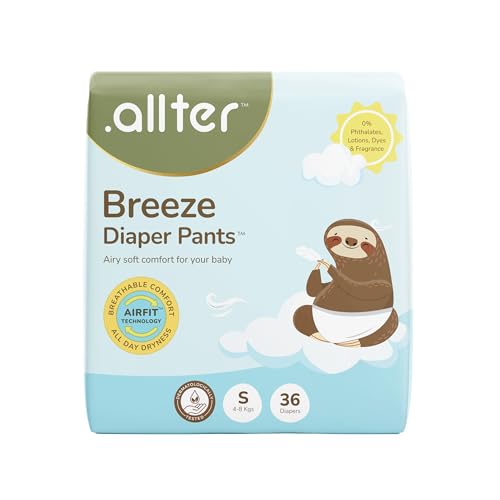
Allter Baby Diaper Pants Size 1 (4-8 kg) Pack of 88
- ✓ 88 pieces per pack
- ✓ Cost: ₹7.50 per piece (cheapest option)
- ✓ Size 1 (4–8 kg)
* We earn a small commission — at no extra cost to you.

MamyPoko Extra Absorb Diaper Pants Size 1 (4-8 kg) Pack of 120
- ✓ 120 pieces per pack
- ✓ Cost: ₹8.32 per piece
- ✓ Size 1 (4–8 kg)
* We earn a small commission — at no extra cost to you.
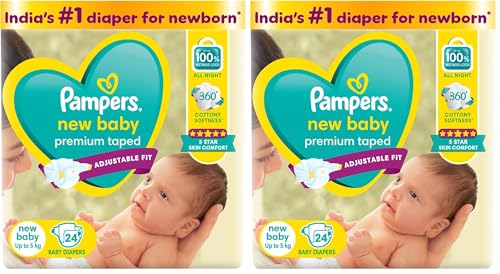
Pampers Swaddlers New Born Size (Up to 5 kg) Pack of 88
- ✓ 88 pieces per pack
- ✓ Cost: ₹12.49 per piece
- ✓ Newborn size (up to 5 kg only)
* We earn a small commission — at no extra cost to you.