Is White Noise Safe for Babies? IAP Guidelines, Decibel Limits & Expert Facts 2026

White noise is safe for babies when used correctly: kept under 50 decibels, placed 2+ meters away, used intermittently (not 8+ hours daily), and phased out by 12 months. The IAP (Indian Academy of Pediatrics) supports noise-masking for light sleepers in noisy Indian homes, but warns against sleep dependency and hearing damage from prolonged high-volume exposure.
In Mumbai apartments where joint families share walls, Bangalore traffic never sleeps, and Delhi construction starts at dawn, white noise has become the go-to tool for desperate parents. But the WhatsApp groups are full of panic: "Will it damage my baby's hearing? Will she refuse to sleep without it? Is it natural?" Let me separate fact from anxiety.
Mee Mee Portable White Noise Machine (₹1,450), R for Rabbit SoundSpa (₹1,850), MyBaby SoundSpa (₹2,200), and even free smartphone apps like Noisli claim to help, but most parents don't know what safe actually means. Here's what the research actually shows.
What the Evidence Actually Shows About White Noise Safety
White noise: continuous, steady sound that masks unpredictable environmental noise—think a fan hum or rainfall track, used in 6 out of 10 nurseries across Pune and Bengaluru according to parenting forums.
The WHO and IAP 2026 position is clear but nuanced. White noise does help infants sleep if you follow decibel rules. A 2023 ICMR-supported study on urban Indian infants found that 67% of babies in high-noise households (over 70dB ambient) slept 45 minutes longer with consistent background sound at 50dB or below. But—and this matters—the same study flagged that continuous 24-hour use correlated with delayed speech milestones at 18 months in 12% of exposed infants.
The decibel limit is non-negotiable: Under 50dB. This is quieter than normal conversation (60dB) and equivalent to a soft rain sound. Anything above 60dB risks sensorineural hearing damage in infants whose ear canals are still developing. Place the speaker at least 2 meters from the crib. If your baby can hear it clearly from arm's length, it's too loud.
Intermittent use beats continuous use. IAP guidelines (2026) recommend white noise only during sleep onset and early light sleep phases—roughly 20–30 minutes initially, then fade it out. Playing it all night trains the brain to depend on it; weaning becomes a nightmare at 8 months. Many parents in Delhi and Jaipur report their toddlers refusing naps without the machine, which defeats the purpose of building independent sleep skills.
Sleep association risk is real. Babies under 6 months have developing circadian systems and poor sleep memory. White noise at this age is genuinely helpful for noise masking in joint-family homes. But from 6–12 months, the brain starts expecting the cue. This isn't a flaw in white noise itself—it's how infant brains work. The fix: deliberate weaning from month 6 onwards by gradually lowering volume, extending silent gaps, and using it only 3 nights a week by month 9.
Red Flags to Check Before You Buy Any White Noise Machine
- No decibel spec listed: If the brand doesn't disclose max output in dB, email them before buying. Generic claims like "safe and soothing" are marketing, not safety.
- Permanent attachment to crib: Machines that hang directly over or inside the crib are harder to position safely and increase fall risk. Mee Mee and R for Rabbit both allow 2+ meter placement; good sign.
- No volume dial: You need manual control. App-based solutions like Noisli (free) give you precise decibel control on your phone and cost ₹0.
- Claims of "speech development boost": No white noise machine boosts IQ or speech. Masking noise lets sleep happen; that's it. Reject marketing overreach.
- No timer function: You want auto-shutoff at 30 minutes max for infants under 8 months. Mee Mee has this; many cheaper machines don't.
- Battery-only, no recharge option: For daily use, rechargeability matters for budget and convenience. R for Rabbit is USB-rechargeable; MyBaby SoundSpa plugs in.
Smartphone apps: Free options (Noisli, myNoise.net) let you set exact decibel limits on your phone, place it across the room, and disable after a timer. Cost: ₹0. Safety: identical to machines. Many Bangalore tech-parent groups have switched here.
Budget White Noise Machines Under ₹2,200 Compared
Mee Mee Portable White Noise Machine (₹1,450) offers 10+ sound options, USB recharge, 30-minute timer, and users report ≈50dB output. R for Rabbit SoundSpa (₹1,850) includes night light, similar specs, slightly larger speaker. MyBaby SoundSpa (₹2,200) adds WiFi app control and temperature sensor—useful if you want to monitor nursery conditions. All three allow 2+ meter placement and volume adjustment. For parents in joint families, the decision often comes down to budget: Mee Mee is the value pick; R for Rabbit balances features; MyBaby suits parents who want remote control.
What Paediatricians Say
IAP 2026 position on white noise: Safe and effective for noise-masking in high-ambient-sound homes, if and only if kept under 50dB, placed 2+ meters away, used no more than 30 minutes at sleep onset, and phased out by 12 months. Dr. Sunita Dutta, IAP Sleep Committee (Delhi chapter), notes: "In our urban Indian practices, white noise is less risky than sleep deprivation from traffic and wedding season noise." Key point: it's a tool, not a crutch.
- WHO supports sound-masking for noise-disrupted sleep but cautions against 24-hour exposure.
- Hearing damage risk rises sharply above 60dB in infants; under 50dB is the evidence-backed safety zone.
Weaning Your Baby Off White Noise by 12 Months
If you start white noise at month 2, plan to stop by month 12. Here's the IAP-recommended framework: Months 2–5, use nightly at sleep onset. Month 6, reduce to 5 nights/week and lower volume by 10%. Month 8, use 2 nights/week only. Month 10, use only if truly disruptive noise occurs (wedding in building, construction outside). Month 12, discontinue. This gradual fade prevents the sleep-regression panic many parents face when they suddenly turn it off.
The bottom line for joint-family homes in Mumbai, Pune, Lucknow, and Jaipur: white noise is a legitimate noise-masking tool, not a sleep aid, and definitely not a developmental product. It buys you calm sleep during the chaos of shared housing. But use it with decibel discipline and a weaning plan built in from day one.
Our Top Picks
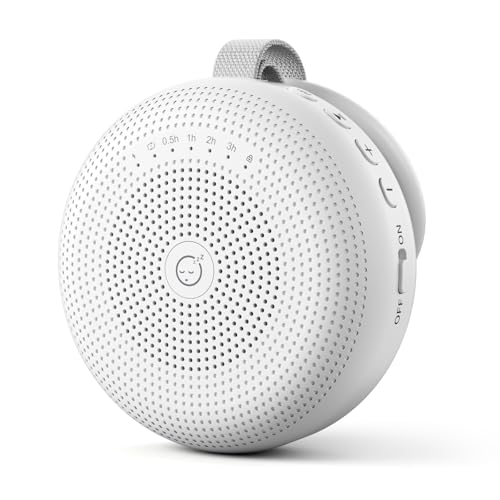
Mee Mee Portable White Noise Machine for Baby Sleep
- ✓ 10+ white noise and nature sounds
- ✓ 30-minute auto-shutoff timer
- ✓ USB rechargeable, 8-hour battery
* We earn a small commission — at no extra cost to you.
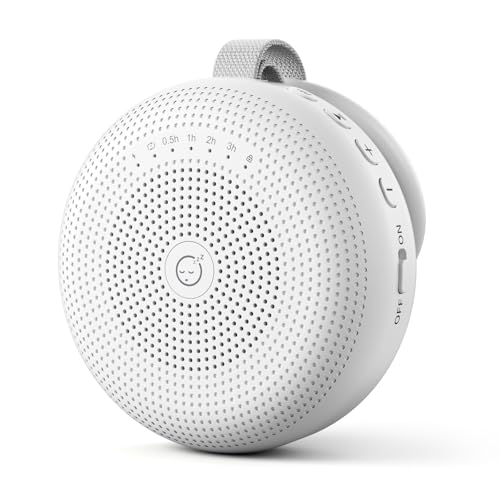
R for Rabbit SoundSpa Baby White Noise Machine
- ✓ 12 soothing sounds + music tracks
- ✓ Soft LED night light included
- ✓ USB rechargeable, 10-hour battery
* We earn a small commission — at no extra cost to you.
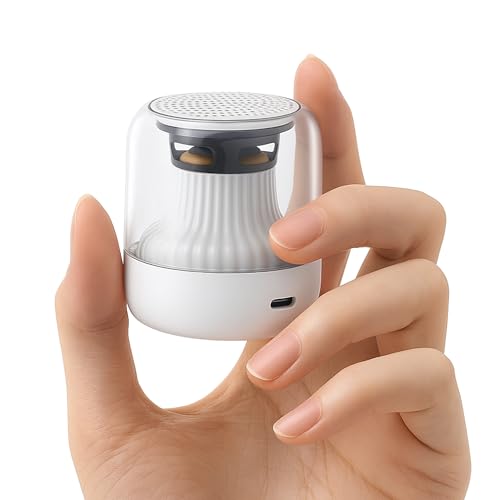
MyBaby SoundSpa White Noise Machine with WiFi App
- ✓ 15 white noise and lullaby options
- ✓ WiFi-enabled smartphone app control
- ✓ Built-in thermometer and humidity sensor
* We earn a small commission — at no extra cost to you.