
Why Baby's Diaper Smells Like Vinegar: Ammonia Chemistry & 4 Practical Fixes
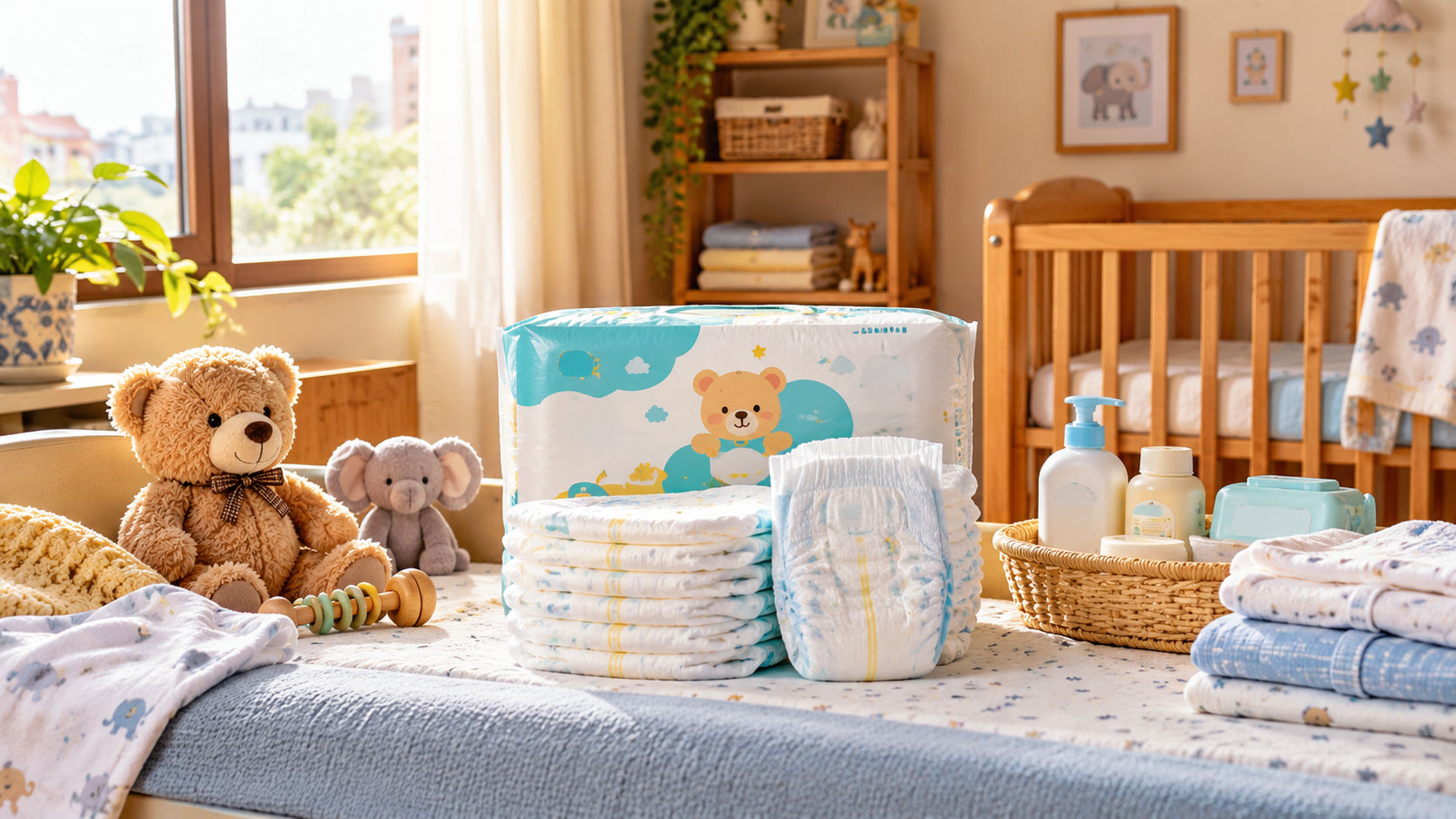
A vinegar or sour smell from baby's diaper is usually urea breakdown—bacteria in urine converting urea into ammonia, which smells tangy. It's normal, especially in heat. Change diapers often, increase hydration, choose breathable materials like bamboo, and use a charcoal pail. See a doctor only if urine is dark, painful, or accompanied by fever.
If you've caught a whiff of something sharp and vinegary from your baby's nappy and wondered whether something's wrong, you're not alone—this is one of the most common questions on Indian parent forums. The good news: that smell is almost always harmless chemistry, not infection. But understanding what's happening, why heat makes it worse, and how diaper materials and your hydration choices influence it will help you feel confident and know when to actually worry.
Why Your Baby's Diaper Smells Sour: The Ammonia Chemistry
That vinegary, pungent smell isn't actually vinegar—it's ammonia, a byproduct of urine breakdown. Here's the process: your baby's urine contains urea, a nitrogen compound. When urine sits in a diaper (especially in warm, moist conditions), naturally occurring bacteria break down urea into ammonia gas. Ammonia is volatile and sharp-smelling—hence the strong, sour odour many parents describe as vinegar-like. This is completely normal. It doesn't mean your baby has an infection or the diaper is wrong; it's just biochemistry at work. In fact, the more quickly bacteria colonise the diaper (which happens faster in summer or humid climates like Mumbai, Delhi, or Bangalore), the sooner you'll notice the smell.
Why does it intensify in summer? Bacteria thrive in warm, moist environments. When room temperature climbs above 28°C—common across most of India from April to September—the rate of urea breakdown accelerates. A diaper left on a baby in a non-air-conditioned room can develop strong ammonia odour within 2–3 hours. This is why parents in tier-1 cities with AC often report less odour than those in smaller towns.
Is Vinegar Smell a Sign of UTI or Other Infection?
This is the question that worries most parents. The short answer: not usually. A sour diaper smell alone is not a marker of UTI. However, certain signs together should prompt a doctor visit. UTI in babies typically presents with dark, cloudy, or unusually strong-smelling urine (sharper than ammonia—closer to rotten), combined with fever, fussiness during nappy changes, or infrequent urination. The IAP (Indian Academy of Pediatrics) emphasises that fever alongside unusual urine odour, not odour alone, warrants testing. If your baby is feeding normally, gaining weight, playing happily, and has no fever, the vinegary smell is ammonia, and you can focus on reducing it through the fixes below.
Four Practical Fixes to Reduce Vinegar Smell
1. Increase Hydration
Dilute urine = slower ammonia formation. Babies who drink more (whether breastfed or formula-fed) produce more dilute urine, which means less concentrated urea and slower bacterial breakdown. For breastfed babies, ensure feeding frequency is 8–12 times in 24 hours. For formula-fed babies, follow the brand's hydration guidelines—typically 150 mL per kg per day for infants under 6 months. In summer, you may offer sips of water to babies over 6 months (though breast milk or formula remains primary). More dilute urine = weaker smell. This is the simplest, most effective first step.
2. Change Diapers More Frequently
Ammonia builds over time. A diaper changed every 2–3 hours has far less smell than one left for 4–5 hours. This is especially true for heavy wetters or during naps. Some parents report that changing every 2 hours during summer (rather than the typical 3–4 hours) reduces odour noticeably. Yes, it means more laundry or more disposables, but for babies with particularly sour-smelling diapers, frequency is the quickest fix.
3. Choose Diapers with Ammonia-Reducing Materials
Bamboo-based diapers: Bamboo fabric is naturally more breathable than standard cotton and has mild antimicrobial properties, which can slow bacterial growth. Brands like Superbottoms and Mama Earth offer bamboo-blend cloth diapers and disposables marketed for odour reduction. These are typically priced between Rs 500–1200 per pack and are washable (cloth) or disposable with a compostable outer. Reviews on Amazon.in often mention less odour compared to standard cotton.
SAP absorption and pH balance: Disposable diapers with super-absorbent polymer (SAP) cores lock moisture away from skin faster, which can reduce bacterial activity and smell. However, not all brands disclose their SAP composition. Pampers Swaddlers and Huggies Little Snugglers, both available on Amazon.in, list SAP-based cores; they typically retail between Rs 600–900 for a 54-count pack. A slightly alkaline or neutral pH diaper environment (rather than acidic) may also slow ammonia formation—though most brands don't publish pH specs, so this is harder to compare directly.
4. Use an Activated Charcoal Diaper Pail or Bin
Activated charcoal absorbs ammonia gas, significantly reducing odour in the nursery. A small charcoal-lined diaper pail (such as Munchkin Step or a generic stainless-steel bin lined with charcoal filters, available on Amazon.in for Rs 1000–1500) can be placed next to the changing table. Line it with a biodegradable nappy bag, and empty it daily. This doesn't stop ammonia formation in the diaper itself, but it keeps the smell from building up in your baby's room. Many parents in humid climates report this as a game-changer, especially in summer.
Why Ammonia Smell Is Normal, But Monitoring Matters
The key distinction: ammonia smell is normal; ammonia in the diaper without urine is a problem. If you notice strong ammonia in a dry or mostly dry diaper, it suggests bacterial overgrowth, which can occasionally lead to ammonia burn (a rash). In this case, increase change frequency and ensure the diaper isn't too small (poor fit traps more moisture). Ammonia burn is rare and preventable through good hygiene and frequent changes.
Also, if your baby's diaper smells sour but their skin is healthy, they're urinating regularly (at least 6 wet nappies daily for infants under 6 months), and there's no fever, the smell is purely olfactory—an inconvenience, not a health crisis.
What IAP and WHO Guidance Says
• Urine odour alone does not indicate UTI: The IAP states that UTI diagnosis requires fever, dysuria (pain on urination), or systemic symptoms alongside urine culture, not odour alone.
• Frequent diaper changes reduce skin irritation: WHO recommends changing diapers at least every 3–4 hours, or immediately after urination or defecation, to maintain skin health and prevent bacterial colonisation.
When to See a Doctor
Seek medical advice if your baby has:
- Fever (above 38°C) plus unusual urine odour or fussiness during nappy changes
- Dark, cloudy, or blood-stained urine
- Reduced wet nappies (fewer than 6 per day for infants under 6 months)
- Ammonia burn or persistent rash despite frequent changes and barrier cream
- Fussiness during urination, suggesting pain
If none of these apply and your baby is thriving, the vinegar smell is ammonia—harmless and manageable with the fixes above. This is general information, not medical advice.
Our Top Picks

Superbottoms UNO Cloth Diaper with Bamboo Blend
- ✓ Bamboo-blend fabric
- ✓ Reusable with snap buttons
- ✓ Fits newborn to 24 months (3–15 kg)
* We earn a small commission — at no extra cost to you.

Pampers Swaddlers Diaper Pants, Large (9–14 kg)
- ✓ SAP-based core for rapid absorption
- ✓ Wetness indicator
- ✓ 54 diapers per pack
* We earn a small commission — at no extra cost to you.

Munchkin Step Diaper Pail with Odor-Locking System
- ✓ Activated charcoal filter (replaceable)
- ✓ Stainless steel construction
- ✓ Foot-pedal lid
* We earn a small commission — at no extra cost to you.

Mama Earth Organic Bamboo Disposable Nappies, Size Small (3–6 kg)
- ✓ 100% bamboo topsheet
- ✓ Chlorine-free and hypoallergenic
- ✓ 40 diapers per pack
* We earn a small commission — at no extra cost to you.