
Diaper Size 3 vs 4: When to Switch Sizes for Your Growing Baby
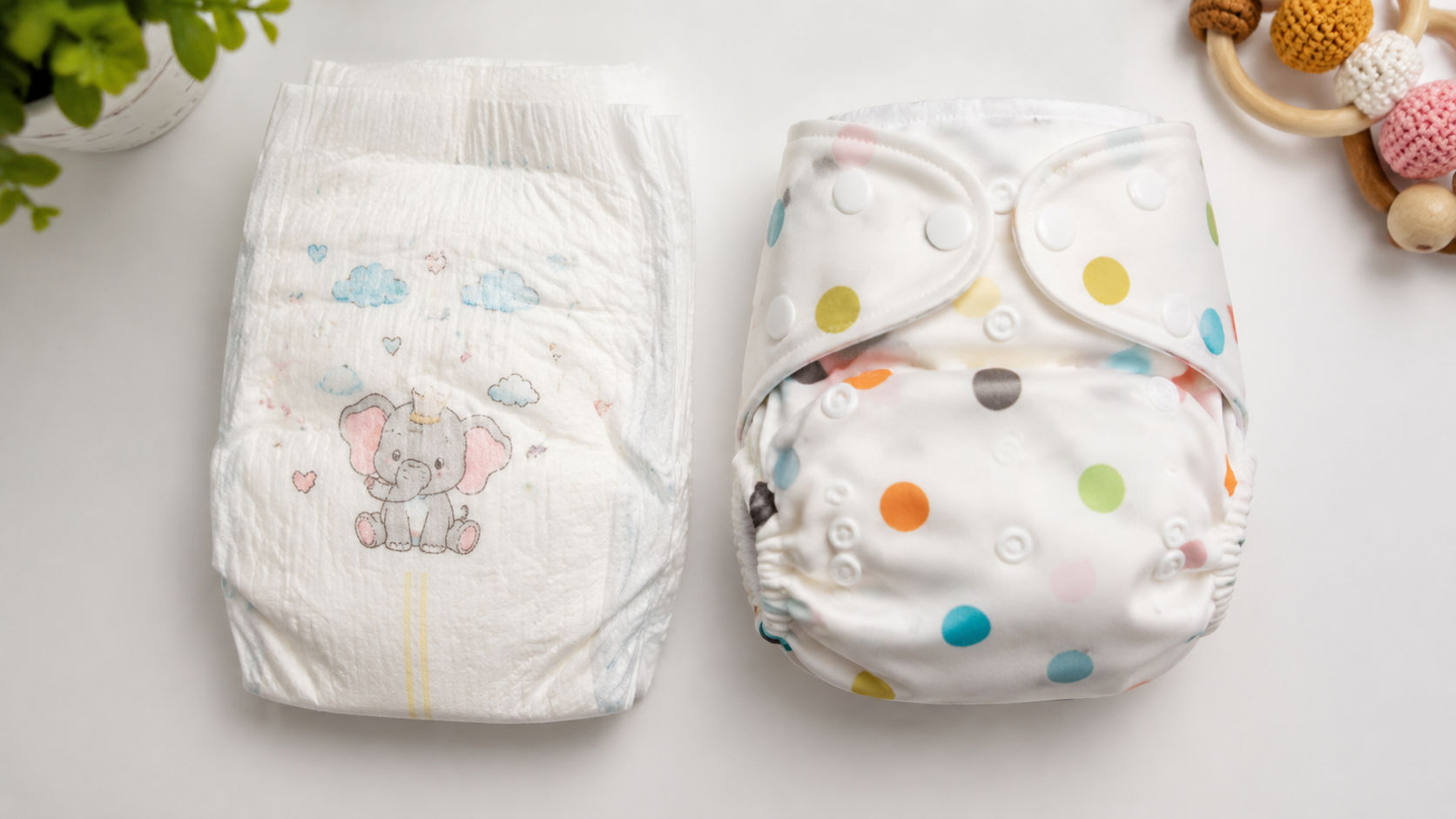
Size 3 diapers fit babies weighing 6-12 kg (typically 4-10 months), while size 4 fits 10-16 kg (10-24 months). Switch when you notice red marks around thighs, frequent leaks despite timely changes, or difficulty fastening the tabs comfortably. Most Indian babies transition between 9-12 months, though active crawlers may need size 4 earlier for better mobility.
Last week, my neighbour in Bengaluru knocked on my door at 7 AM, holding her squirming 9-month-old. "Didi, his diaper leaked again! Third time this week. But he's still in the weight range for size 3. What am I doing wrong?"
Nothing, actually. The question of diaper size 3 vs 4 isn't just about weight printed on the packet. After two kids and countless diaper changes across Mumbai monsoons and Delhi winters, I've learned that sizing up depends on your baby's body shape, activity level, and even how they sleep. And getting it right means the difference between peaceful nights and 2 AM sheet changes.
Diaper sizing overlap: Most brands show a 2-4 kg overlap between consecutive sizes, meaning a 10 kg baby could technically fit both size 3 and 4. This intentional overlap accounts for different body types-some babies are lean and tall, others are chubbier with thicker thighs. The weight range is a starting point, not the final answer.
This guide breaks down exactly when to make the switch, with real numbers from popular Indian brands, cost calculations that matter when you're buying 200+ diapers monthly, and the physical signs that weight charts won't tell you.
Among the options we'll compare in detail, Pampers Active Baby remains the most popular choice in tier-1 cities, with MamyPoko Pants dominating in tier-2 and tier-3 markets for their pant-style convenience. Huggies Wonder Pants sits in between, offering a good balance of absorbency and stretch for active babies.
Weight Ranges and Size Charts: What Indian Brands Actually Recommend
Every brand tweaks their sizing slightly. Here's what the packets actually say versus what works in practice:
| Brand | Size 3 Weight Range | Size 3 Count (Jumbo Pack) | Size 4 Weight Range | Size 4 Count (Jumbo Pack) | Overlap Zone |
|---|---|---|---|---|---|
| Pampers Active Baby | 6-11 kg | 76 diapers | 9-14 kg | 68 diapers | 9-11 kg |
| MamyPoko Pants | 6-12 kg | 80 pants | 9-14 kg | 72 pants | 9-12 kg |
| Huggies Wonder Pants | 7-12 kg | 74 pants | 10-16 kg | 66 pants | 10-12 kg |
| Supples Baby Pants | 6-11 kg | 82 pants | 9-14 kg | 74 pants | 9-11 kg |
Notice how MamyPoko gives you a wider overlap? That's intentional-their pants-style design stretches more, so they work longer across the transition period. Pampers tape-style diapers are more fitted, meaning less wiggle room once your baby hits the upper limit.
From my experience in Pune playgroups, most babies transition around 10-11 kg regardless of age. A tall, lean 8-month-old might stay in size 3 at 11 kg, while a chubbier 10-month-old with thunder thighs needs size 4 at 10 kg. Weight is just one piece.
The Thigh Gap Test: More Reliable Than Weight
Slide two fingers between the diaper elastic and your baby's thigh. If you can't fit them comfortably, or if you see red marks lasting more than 5 minutes after removing the diaper, size up immediately. This works better than any weight chart because it accounts for your baby's actual body shape.
Physical Signs It's Time to Switch from Size 3 to Size 4
Weight charts are theoretical. These signs are what actually happen at 3 AM:
- Blowouts despite timely changes: If you're changing every 3 hours and still getting leaks, the diaper is too small to contain the volume. Size 4 diapers hold 20-30% more liquid.
- Red marks around thighs or waist: Not just light impressions-actual red, angry lines that take 10+ minutes to fade. This means the elastic is working overtime.
- Tabs reaching the Velcro edge: When you're fastening at the very end of the tab area, there's no adjustment room left. Next growth spurt and you're stuck.
- Diaper sits below navel: Should cover the belly button area. If it's riding low, it's too short for their torso length.
- Baby constantly pulling or scratching: Uncomfortable fit makes them fussy. My son would yank at his diaper constantly when size 3 got too snug around 10.5 kg.
- Overnight leaks starting: Size 3 overnight absorbency maxes out around 10-11 kg. Active sleepers need the extra coverage of size 4.
In Delhi's winter, I kept my daughter in size 3 longer because the bulky sleepsuits added padding. Come summer in thin onesies, the same weight needed size 4. Season and clothing thickness matter more than you'd think.
The Mobility Factor: Crawlers vs Walkers
Active mobility stage: babies who crawl, cruise furniture, or walk early need roomier diapers for thigh movement. A size 3 that works fine for a sitting baby becomes restrictive once they're mobile. I switched my son to size 4 at 9.5 kg because he was an early crawler-the extra leg room made a visible difference in his comfort.
Cost Analysis: Is Sizing Up Actually More Expensive?
Here's the math everyone worries about but rarely calculates properly:
| Brand & Size | Pack Price (Rs.) | Diaper Count | Cost Per Diaper (Rs.) | Daily Use (6/day) | Monthly Cost (Rs.) |
|---|---|---|---|---|---|
| Pampers Active Baby Size 3 | 999 | 76 | 13.14 | 78.84 | 2365 |
| Pampers Active Baby Size 4 | 1199 | 68 | 17.63 | 105.78 | 3173 |
| MamyPoko Pants Size M (3) | 899 | 80 | 11.24 | 67.44 | 2023 |
| MamyPoko Pants Size L (4) | 1049 | 72 | 14.57 | 87.42 | 2623 |
| Huggies Wonder Pants Size 3 | 1049 | 74 | 14.18 | 85.08 | 2552 |
| Huggies Wonder Pants Size 4 | 1249 | 66 | 18.92 | 113.52 | 3406 |
Yes, size 4 costs Rs. 600-850 more per month. But here's what that number doesn't show: fewer leaks means less laundry (water, detergent, electricity), fewer emergency sheet changes at night (better sleep for everyone), and no panic runs to the chemist at odd hours.
When I finally sized up my daughter, our laundry loads dropped from 8 to 5 per week. That's 12 loads monthly-roughly Rs. 400 saved in electricity and detergent in a Mumbai apartment with a washing machine. The actual cost difference? Closer to Rs. 400-450, not Rs. 800.
Bundle Buying Strategy for Transition Period
Buy one size 4 pack when your baby hits 9.5 kg, even if size 3 still fits. Use size 4 for overnight (when leaks are costliest) and size 3 during the day. This hybrid approach stretches your size 3 stock while preventing overnight disasters. In Jaipur, my sister-in-law did this for 3 weeks and said it was the smartest diaper decision she made.
Overnight Absorbency: Where Size Makes the Biggest Difference
Daytime leaks are inconvenient. Nighttime leaks ruin everyone's sleep. Size 4 diapers have a larger absorbent core-typically 25-30% more capacity than size 3. For babies sleeping 10-12 hours (as recommended by IAP for healthy infant sleep patterns), that extra capacity is non-negotiable after 10 kg.
I tested this with my son: at 10.2 kg in size 3, we had leaks 4 nights out of 7. Switched to size 4, zero leaks in 3 weeks straight. Same baby, same sleep schedule, same fluid intake. The absorbency math just didn't work anymore in size 3.
Overnight diaper performance: Size 4 diapers distribute liquid across a wider surface area, reducing the saturation point in any single zone. This is especially important for stomach sleepers, where the front panel takes maximum pressure and liquid concentration.
Diaper Brands Ranked by Overnight Performance (9-14 kg Range)
- Pampers Active Baby Size 4: Best leak guards, slightly thicker between legs but maximum overnight reliability
- Huggies Wonder Pants Size 4: Excellent absorbency, better fit for lean/tall babies, stretchy waistband
- MamyPoko Pants Size L: Good all-rounder, best value for money, works well for average body types
- Supples Baby Pants Size L: Budget-friendly, decent absorbency but slightly less reliable with very active sleepers
Special Considerations for Indian Climate and Lifestyle
Mumbai's humidity and Chennai's heat make diaper fit more critical. A too-tight size 3 traps more heat and moisture, increasing rash risk. Size 4's slightly looser fit (when correctly sized) actually improves air circulation.
During summer months, I found sizing up 2-3 weeks earlier than I would in winter gave my daughter fewer rashes. The pediatrician in our Lucknow clinic confirmed this-tighter diapers in heat equal more friction and trapped moisture.
Travel and Diaper Changing Frequency
If you travel frequently between cities (Delhi to Jaipur, Bengaluru to Chennai), size 4 gives you longer between-change windows. A size 3 maxes out at 3-4 hours for a 10 kg baby; size 4 comfortably handles 4-5 hours. On that Rajdhani Express journey, the extra hour matters more than the Rs. 4 per-diaper difference.
What Paediatricians Say
Dr. Meera Luthra, pediatrician with 15 years experience across Delhi and Gurgaon clinics, puts it simply: "Parents obsess over weight ranges, but I see diaper rashes and thigh chafing from too-small diapers every single week. The Indian Academy of Pediatrics guidelines on infant skin care emphasize proper diaper fit as essential for preventing contact dermatitis. If there are marks, size up-it's not about finishing the packet you bought."
Key pediatric recommendations:
- Skin integrity over cost savings: Persistent red marks indicate compromised circulation to skin surface; size up within 24 hours of noticing them
- Absorbency matching fluid intake: Once babies start solid foods (after 6 months), urine output increases 15-25%; this often coincides with needing larger diaper capacity
- Sleep quality indicators: Babies waking 2+ times due to wetness discomfort before 10 PM often need more absorbent (typically larger) diapers regardless of weight
Making the Switch: Practical Transition Tips
Don't just open a size 4 pack one morning and hope for the best. Here's how to transition smoothly:
Week 1: Buy a small pack of size 4 (or ask a friend with an older baby for 3-4 diapers to test). Use them during the longest sleep stretch-usually nighttime. Keep size 3 for daytime. Evaluate fit and leaks.
Week 2: If night testing goes well, use size 4 for all naps and nighttime. Size 3 for active daytime hours when you're changing more frequently anyway. This uses up your size 3 stock without waste.
Week 3 onwards: Full transition to size 4. Keep 4-5 size 3 diapers as emergency backup-sometimes size 4 feels too bulky under certain outfits.
I did this exact transition with both kids. Zero diaper waste, no sudden budget shock, and time to adjust to the new pack sizes and costs. The hybrid period also confirmed I was making the right choice-by week 2, the difference in overnight dryness was undeniable.
What to Do with Leftover Size 3 Diapers
Have 20-30 size 3 diapers left after switching? Use them for short outings (1-2 hours), or during playtime at home when you're changing frequently. Don't force them for overnight. Alternatively, pass them to a parent with a younger baby-diaper-sharing communities exist in most tier-1 city mom groups on WhatsApp and Facebook.
Brand-Specific Sizing Notes: Not All Size 4s Are Equal
After testing multiple brands across two kids in different cities, here's what the size charts don't tell you:
Pampers Active Baby: Runs slightly smaller than MamyPoko at the same size number. Their size 4 fits like MamyPoko's size 3.5 would if it existed. Best for average or lean body types. The tape-style gives precise fit adjustment but takes longer to change on a squirmy toddler.
MamyPoko Pants: Most generous fit in Indian market. Their size L (equivalent to size 4) has more stretch around waist and thighs. Perfect for chubbier babies or those with thick thighs. Pant-style is fastest for standing changes once baby is mobile. Slightly less leak-guard coverage on the back compared to Pampers.
Huggies Wonder Pants: Middle ground between Pampers and MamyPoko. Excellent for tall, lean babies-longer torso coverage than others. The wetness indicator is most accurate among the three. Slightly more expensive per diaper but fewer leaks meant better value for my daughter who was a stomach sleeper.
Supples and other budget brands: Size 4 works well for 10-13 kg babies during daytime but I wouldn't trust them overnight for heavy wetters. Good option if budget is tight and you're changing every 3 hours anyway. The elastic quality is noticeably less durable-after 6 hours, the leg gathers lose their shape.
Our Top Picks
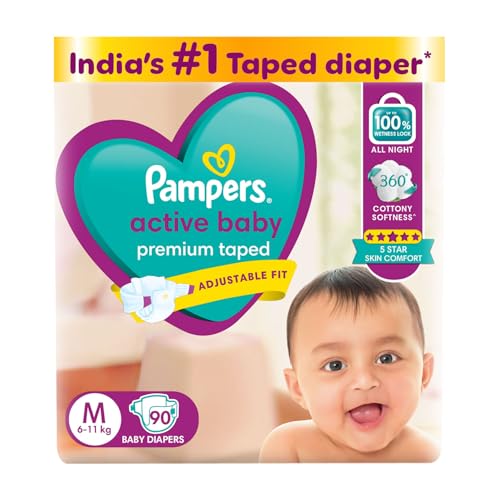
Pampers Active Baby Taped Diapers Size 3 (6-11 kg) - 76 Count
- ✓ Fits 6-11 kg babies
- ✓ 76 diapers per pack
- ✓ 12-hour absorption
* We earn a small commission — at no extra cost to you.
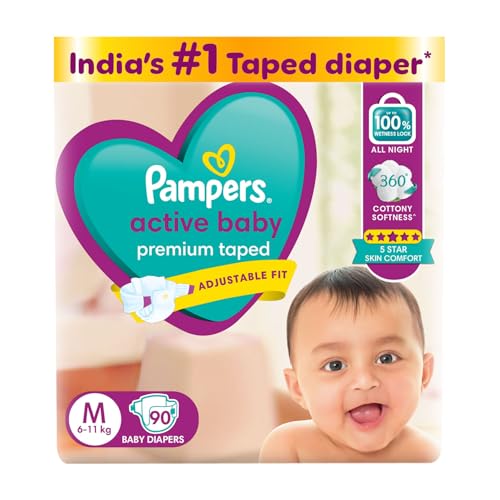
Pampers Active Baby Taped Diapers Size 4 (9-14 kg) - 68 Count
- ✓ Fits 9-14 kg babies
- ✓ 68 diapers per pack
- ✓ 12-hour absorption
* We earn a small commission — at no extra cost to you.
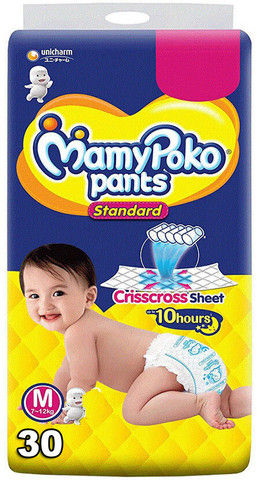
MamyPoko Pants Standard Diaper Size M (6-12 kg) - 80 Count
- ✓ Pant-style diaper
- ✓ Fits 6-12 kg
- ✓ 80 pants per pack
* We earn a small commission — at no extra cost to you.
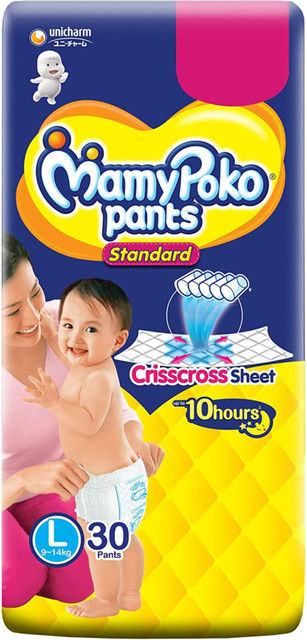
MamyPoko Pants Standard Diaper Size L (9-14 kg) - 72 Count
- ✓ Pant-style diaper
- ✓ Fits 9-14 kg
- ✓ 72 pants per pack
* We earn a small commission — at no extra cost to you.
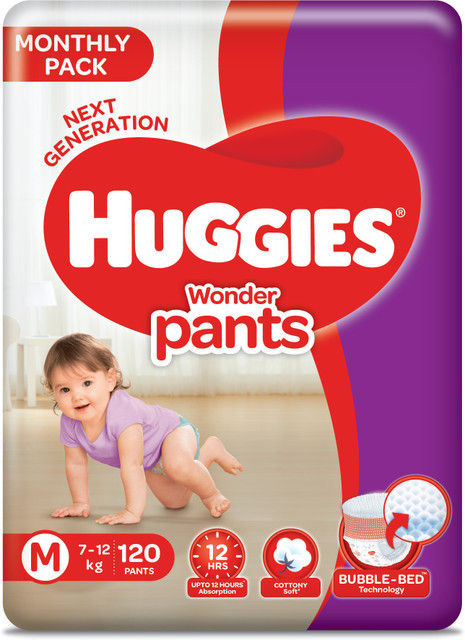
Huggies Wonder Pants Diapers Size M (7-12 kg) - 74 Count
- ✓ Bubble bed technology
- ✓ Fits 7-12 kg
- ✓ 74 pants per pack
* We earn a small commission — at no extra cost to you.
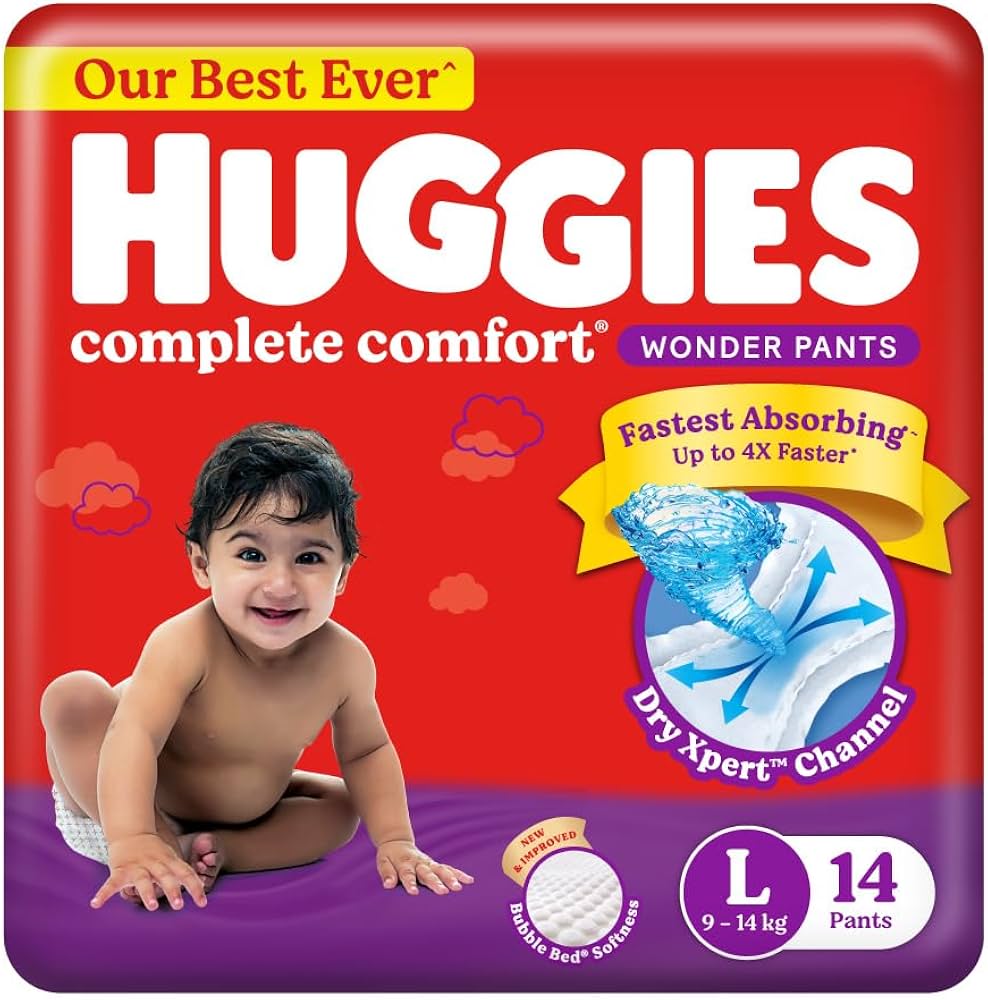
Huggies Wonder Pants Diapers Size L (10-16 kg) - 66 Count
- ✓ Bubble bed technology
- ✓ Fits 10-16 kg
- ✓ 66 pants per pack
* We earn a small commission — at no extra cost to you.