
Diaper Rash Not Healing After 10 Days? When It's Yeast, Bacterial or Allergic — and What Works

If your baby's diaper rash isn't healing after 10 days of zinc oxide cream (like Himalaya or Sebamed), it's likely not simple friction dermatitis—it's probably a yeast infection (candida) requiring antifungal treatment, a bacterial infection needing antibiotic cream, or allergic contact dermatitis from fragrance or lotion. See a paediatrician within 2–3 days if the rash spreads, has pustules, or shows satellite lesions; see a dermatologist if it worsens on hydrocortisone or shows signs of psoriasis.
You've been applying Himalaya Diaper Rash Cream or Sebamed Baby Cream religiously for 10 days. The rash is still there. Maybe it's even worse. This is when most parents feel stuck—and honestly, it's the moment you need to stop guessing and look deeper.
Diaper rash: inflammation and irritation of skin in the nappy area, caused by prolonged moisture, friction, or other triggers. Standard friction rashes heal in 3–5 days with zinc oxide; when they don't, the underlying cause has shifted.
The products you're likely using—Himalaya Diaper Rash Cream (₹150–200) or Sebamed Baby Diaper Rash Cream (₹180–250)—are excellent for simple moisture-related dermatitis. But they're not antifungals. And that matters more than you think.
Why Your Standard Cream Isn't Working: The Five Real Causes
When zinc oxide fails after 10 days, five things are probably happening instead of simple friction dermatitis.
1. Candida (Yeast Infection)—The Most Common Reason Creams Fail
Candida albicans thrives in warm, moist environments. Your baby's nappy is a perfect incubator. Yeast rashes look different from friction rashes: they're bright red, scaly at the edges, and often have satellite lesions—small red bumps scattered around the main rash, like islands. The rash also burns more than it itches, and it spreads to skin folds: groin creases, under the scrotum, between buttocks. Yeast rashes don't respond to zinc oxide because zinc oxide isn't an antifungal.
Candida risk spikes if your baby has been on antibiotics (antibiotics kill good bacteria that keep yeast in check), or if you've been using heavily fragranced wipes or lotions that irritate skin and let yeast colonise.
Fix: You need miconazole cream (brand name Micogel or similar, available on Amazon.in, ₹120–200). Apply a thin layer twice daily for 7–10 days. Many paediatricians recommend using miconazole + a barrier cream (zinc oxide) together—miconazole on the rash, zinc oxide on healthy skin around it.
2. Bacterial Infection (Streptococcal or Staphylococcal)
If your baby's rash has pustules (small pus-filled bumps), a honey-coloured crust, or is weeping clear fluid, bacteria are involved. Bacterial rashes often develop after scratching or when the skin barrier is severely compromised. They feel hot and tender, and the area around the rash is often swollen.
Fix: You need an antibiotic cream, typically mupirocin 2% (available as Bactroban or generic, ₹150–250). A paediatrician must confirm this with a visual check—do not self-prescribe antibiotics. Antibiotic creams require a prescription in India.
3. Allergic Contact Dermatitis from Fragrance or Lotion
Your nappy brand or baby wipes brand has a fragrance. So does many baby lotions. For sensitive babies, fragrance is an allergen. The rash from fragrance allergy looks like friction dermatitis but itches intensely and doesn't respond to barrier creams alone. It may also spread to areas not directly covered by the nappy—inner thighs, lower belly—if you've rubbed lotion there.
Fix: Switch nappy brands immediately (try fragrance-free options like Pampers Swaddlers or Huggies Little Snugglers, both available on Amazon.in). Use only water and cotton balls or fragrance-free wipes (Pampers Swaddlers Wipes list only water, fragrance-free). Stop all lotions for 2 weeks. If the rash starts improving within 3 days, allergy was the cause. If it doesn't improve in a week, see a paediatrician.
4. Psoriasis or Seborrheic Dermatitis (Less Common, But Possible)
If the rash has a silvery scale, thick raised edges, or appears on the scalp or face too, it may not be diaper dermatitis at all. Psoriasis and seborrheic dermatitis are skin conditions that can flare in the nappy area due to warmth and moisture, but they're not infections or simple friction. They require different treatment—usually mild topical steroids under medical guidance.
Fix: See a paediatrician or dermatologist. Self-treating with hydrocortisone can worsen some types of dermatitis.
5. Immune Compromise or Other Systemic Issues
Rarely, a persistent rash signals an underlying immune issue, food allergy, or metabolic concern. If your baby has other symptoms—fever, diarrhoea, poor weight gain, or rashes elsewhere—see a paediatrician urgently.
How to Spot the Difference: Visual Guide for Parents
Friction dermatitis (heals in 3–5 days): Pink or red, smooth or slightly bumpy, no satellite lesions, worse in skin folds but not scaly. Responds to zinc oxide.
Candida (yeast): Bright red, scaly edges, satellite lesions around the main rash, affects skin folds intensely, doesn't respond to zinc oxide. Needs miconazole.
Bacterial infection: Pustules or honey crust, swollen borders, weeping or warmth, may feel hot to touch. Needs antibiotic cream—see paediatrician.
Allergic contact dermatitis: Itchy, bright red, responds partially to barrier cream but doesn't fully resolve. Improves when the trigger (fragrance, lotion) is removed. Compare the rash before and 3 days after stopping fragrance products.
Psoriasis or seborrheic dermatitis: Thick, silvery scale, well-defined borders, may appear on scalp or face, often runs in families. Doesn't respond well to zinc oxide or miconazole alone.
When to See a Paediatrician vs. Dermatologist
See your paediatrician within 2–3 days if: the rash shows pustules, honey crust, or weeping; it spreads beyond the nappy area; your baby has fever; the rash worsens despite 10 days of zinc oxide cream; or your baby shows signs of discomfort, poor sleep, or feeding changes.
See a dermatologist if: the paediatrician suspects psoriasis or seborrheic dermatitis; the rash recurs repeatedly despite treating the suspected cause; or the rash involves the face or scalp.
What paediatricians say: According to IAP (Indian Academy of Paediatrics) guidelines, persistent nappy rash lasting beyond 7–10 days warrants investigation for candida or bacterial infection. A visual inspection and, if needed, a swab culture can confirm the cause and guide prescription treatment. Don't delay if pustules appear—bacterial infections can worsen quickly in the warm nappy environment.
What Paediatricians Say
- Candida rashes are the #1 reason standard zinc oxide creams fail—an antifungal is essential, not optional.
- IAP recommends a visual check and possible swab culture for rashes persisting beyond 10 days. Prescription strength miconazole or antibiotic cream is often needed.
Our Top Picks
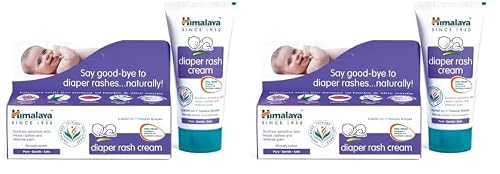
Himalaya Diaper Rash Cream
- ✓ Zinc oxide + calendula + aloe vera
- ✓ 50g tube
- ✓ For mild friction dermatitis
* We earn a small commission — at no extra cost to you.
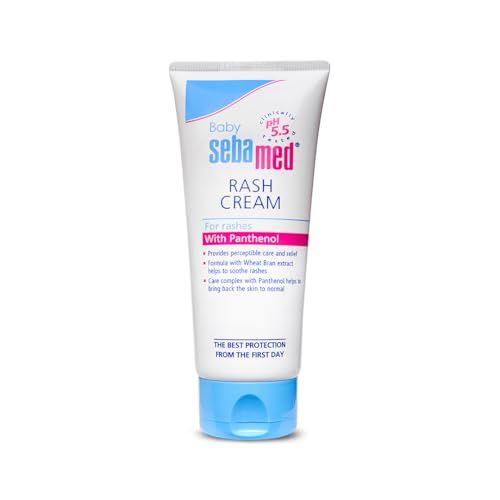
Sebamed Baby Diaper Rash Cream
- ✓ Zinc oxide + panthenol
- ✓ 100ml tube
- ✓ pH 5.5, fragrance-free
* We earn a small commission — at no extra cost to you.
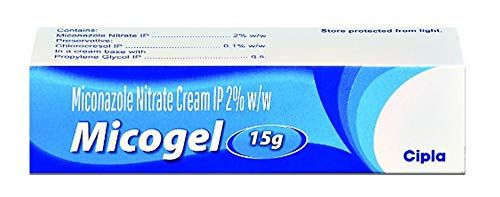
Micogel Miconazole Cream
- ✓ Miconazole 2% antifungal
- ✓ 15g tube
- ✓ For candida/yeast rash
* We earn a small commission — at no extra cost to you.
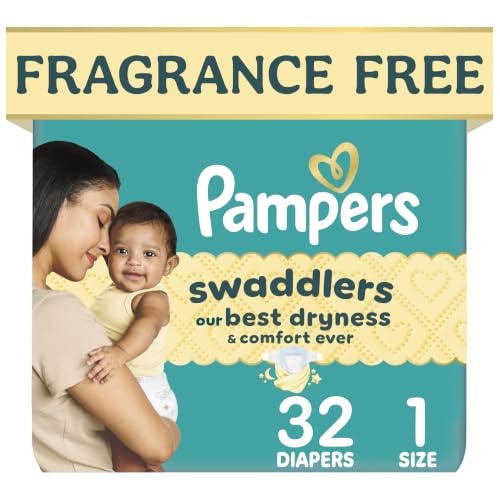
Pampers Swaddlers Diapers (Size 3, 6-11 kg)
- ✓ Fragrance-free, hypoallergenic
- ✓ Count: 27 diapers
- ✓ Absorption + wetness indicator
* We earn a small commission — at no extra cost to you.
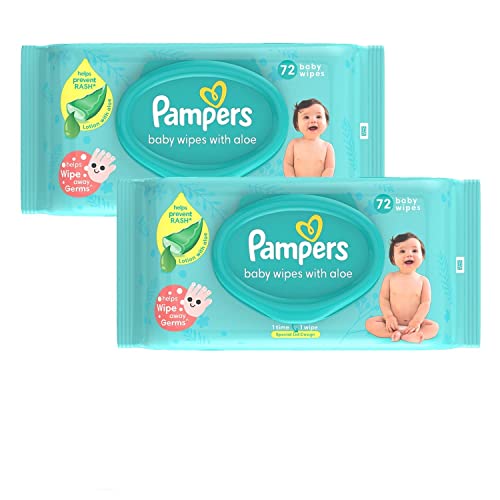
Pampers Swaddlers Fragrance-Free Baby Wipes
- ✓ Water-based, no fragrance
- ✓ 80 wipes per pack
- ✓ Hypoallergenic, dermatologist tested
* We earn a small commission — at no extra cost to you.