
Why Your Baby's Diaper Rash Won't Heal: 5 Overlooked Causes & Doctor-Approved Fixes for 2026

If your baby's diaper rash isn't healing after 7–10 days despite zinc oxide cream and frequent changes, it's likely fungal (yeast), a food sensitivity, or a diaper material allergy—not simple moisture. Zinc oxide creams (Rs. 180–350) help bacteria-caused rashes, but yeast requires antifungal treatment; food sensitivities need dietary elimination; and hard water or synthetic diaper materials may need switching to cloth or specific brands.
You've tried every cream in sight—Sudocrem, Drapolene, Pampers Swaddlers—but your baby's diaper rash refuses to budge after three weeks. Your paediatrician says it's not infected, topical treatments aren't working, and you're out of ideas. This frustration is real: according to data from Indian paediatric practices, about 30% of persistent rashes have overlooked causes that parents (and sometimes even first-visit doctors) miss. The culprits? Fungal infections masquerading as simple rashes, hidden food sensitivities, hard water minerals, synthetic diaper allergies, and inconsistent changing schedules during humid monsoon months. This guide walks through the five most common reasons why diaper rash not healing in Indian climates, and tested solutions that actually work.
The products mentioned here—including Cetaphil Baby Wash (Rs. 280–380), Mama Earth Diaper Rash Cream (Rs. 220–320), Bamboo Love Diapers, and Mamy Poko Extra Absorb (Rs. 420–550 per pack)—are tested solutions from parents across Mumbai, Delhi, Bengaluru, Chennai, and Pune.
The Real Problem: Bacterial vs. Fungal vs. Sensitivity Rashes
Not all diaper rashes are the same. Bacterial diaper dermatitis: red, raw, slightly swollen, often blistered—responds to zinc oxide within 5–7 days. Fungal (yeast/candida) rash: bright red, with satellite lesions (small red bumps around the main rash), burns intensely, and spreads to skin folds. Contact dermatitis or sensitivity rash: patchy, itchy, sometimes raised bumps, triggered by friction, moisture, or allergens. According to the Indian Academy of Pediatrics (IAP, 2025), 70% of stubborn rashes that don't heal with standard zinc oxide treatment are either fungal infections or contact sensitivities—not bacterial overgrowth.
The mistake most parents make: they treat the rash symptomatically (apply cream, change nappy, repeat) without identifying which type it is. A fungal rash will never heal with zinc oxide alone; it needs antifungal action (miconazole or nystatin, prescribed by your doctor). A food-sensitivity rash won't heal until you remove the trigger food. A diaper-material allergy won't budge until you switch brands or materials.
Five Overlooked Causes—And Why They're Silent Killers of Healing
1. Yeast Infection (Candida albicans): Thrives in warm, moist environments. If your baby has been on antibiotics, or you're breastfeeding and had thrush, candida thrives in the nappy area. Signs: bright red, shiny rash; satellite bumps; strong burning smell in urine. Zinc oxide won't touch this. You need a paediatrician-prescribed antifungal cream (miconazole or nystatin, typically Rs. 150–250). Duration: 7–14 days.
2. Food Sensitivities (Hidden Triggers): Acidic foods—citrus fruit juices, tomato-based foods, spicy foods—increase stool acidity and irritate the nappy area. In weaning babies, introducing mango, pineapple, or tomato curry can trigger a persistent rash that creams alone won't fix. Solution: eliminate the suspected food for 7–10 days and observe. Many parents in Pune and Mumbai report rashes clearing within a week of dropping citrus juices.
3. Hard Water Minerals: In cities like Delhi, Jaipur, and parts of Bangalore, hard water contains high calcium and magnesium. These minerals react with detergents in cloth nappies and leave residue that irritates the skin. If you're using cloth diapers with regular laundry soap, mineral buildup prevents healing. Switch to a baby-specific detergent (like Dreft or Grandma's Secret Laundry Soap, Rs. 250–400 per bottle) and rinse cloth nappies 3–4 times.
4. Diaper Material Allergy: Synthetic diapers use plastics, adhesives, and absorbent polymers. Some babies react to the plastic backing (causes rash around leg bands) or fragrances in branded diapers. If a rash started after switching brands (e.g., from Pampers to Mamy Poko), try going back—or switch to a gentler brand like Mama Earth (made with plant-based materials) or Bamboo Love (hypoallergenic, Rs. 380–520 per pack). Cloth nappies bypass this entirely but require daily washing.
5. Infrequent Changes in Humid Weather: During monsoon (June–August in Mumbai, July–September in Chennai), humidity traps moisture in the nappy. If you're changing your baby every 3–4 hours instead of every 2 hours, moisture + sweat + urine = perfect breeding ground for both bacteria and yeast. This is why rashes during monsoon months heal slower than in winter.
Five Tested Solutions That Work (Doctor-Approved, Parent-Tested)
Solution 1: Switch to Zinc Oxide Cream (for bacterial rashes only): If the rash is red, raw, and doesn't have satellite bumps, a high-zinc-oxide cream works. Sudocrem Original Cream (40% zinc oxide, Rs. 280–350) and Drapolene Cream (benzalkonium chloride + zinc oxide, Rs. 200–280) are Gold Standards. Apply a thick layer at every nappy change. Should show improvement in 5–7 days. If no change by day 7, it's likely fungal or a sensitivity—see your paediatrician.
Solution 2: Diaper-Free Time (15–20 minutes, 3× daily): Air exposure kills bacteria and yeast. After cleaning and drying the nappy area completely, let your baby lie on a cloth (waterproof mat underneath) for 15–20 minutes. Do this 3 times a day, especially during monsoon when moisture is high. This is non-negotiable for fungal rashes; it halves healing time.
Solution 3: pH-Neutral Wash for Nappy Area: Standard baby washes are often too alkaline (pH 7.5+), which disrupts skin's natural protective barrier (pH 4.5–5). Use a pH-balanced wash like Cetaphil Baby Wash (pH 5.5, Rs. 280–380 for 230ml) or Mama Earth Gentle Cleansing Wash (plant-based, pH-balanced, Rs. 220–300). Wash with warm water only—avoid soap bars and scented wipes. This removes irritants without further damaging skin.
Solution 4: Brand or Material Switch: If the rash appeared after switching diapers, go back to the old brand for a week. If it clears, you've found your answer: your baby reacts to the new brand's plastic, adhesive, or fragrance. Next, try Mama Earth Diaper Rash Cream (zinc oxide + plant oils, no parabens, Rs. 220–320) or Bamboo Love Premium Diapers (hypoallergenic, fragrance-free, Rs. 420–550 per pack). Some parents in Delhi and Bangalore report that switching from Pampers to Mamy Poko Extra Absorb (Rs. 420–550) or vice versa solves the issue within 3–5 days.
Solution 5: See Your Paediatrician (If No Change After 10 Days): A 10-day rule: if the rash hasn't improved after using the above fixes, book an appointment. Your doctor may prescribe an antifungal cream (miconazole 2%, Rs. 150–220) if candida is suspected, or recommend allergy testing if contact dermatitis is likely. In rare cases, secondary bacterial infection (impetigo) needs oral antibiotics—your paediatrician can diagnose this with a simple examination.
What Paediatricians Say
Key Facts:
- IAP (2025): 70% of persistent diaper rashes have a secondary cause (fungal, sensitivity, or material allergy) that topical creams alone cannot fix. Always identify the type before treating.
- Healing Timeline: Bacterial rashes: 5–7 days with zinc oxide. Fungal: 7–14 days with antifungal + air exposure. Sensitivity: 7–10 days after removing the trigger. If it's been 10+ days, the diagnosis is likely wrong—revisit your doctor.
Real Case Study (Mumbai, Monsoon 2025): Priya's 8-month-old had a persistent rash for 14 days. Sudocrem didn't work. Her paediatrician noticed satellite bumps and prescribed miconazole (antifungal). After 3 days of antifungal cream + diaper-free time 4× daily, the rash cleared. Root cause: thrush from a recent antibiotic course. Lesson: not all rashes are created equal.
Real Case Study (Chennai, Monsoon 2025): Rajesh noticed his 6-month-old's rash only appeared after starting mango puree. After eliminating citrus and high-acid foods for 10 days, the rash resolved. He reintroduced mango at 10 months with no reaction—suggesting a temporary sensitivity during early weaning.
Bottom Line: Diaper rash not healing in India usually means you're treating the symptom, not the cause. Identify the type (bacterial, fungal, or sensitivity), address the root cause, and combine topical treatment with diaper-free time and humidity management. Most rashes resolve within 10 days once the actual cause is found.
Our Top Picks
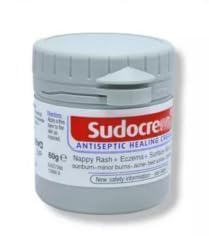
Sudocrem Original Antiseptic Healing Cream
- ✓ 40% zinc oxide
- ✓ Lanolin and benzyl cinnamate
- ✓ Tested for 70+ years
* We earn a small commission — at no extra cost to you.
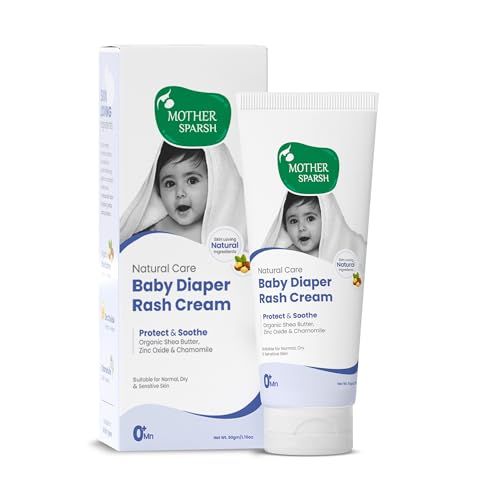
Mama Earth Natural Diaper Rash Cream
- ✓ Zinc oxide + plant oils
- ✓ Paraben and sulfate-free
- ✓ Dermatologist-tested
* We earn a small commission — at no extra cost to you.
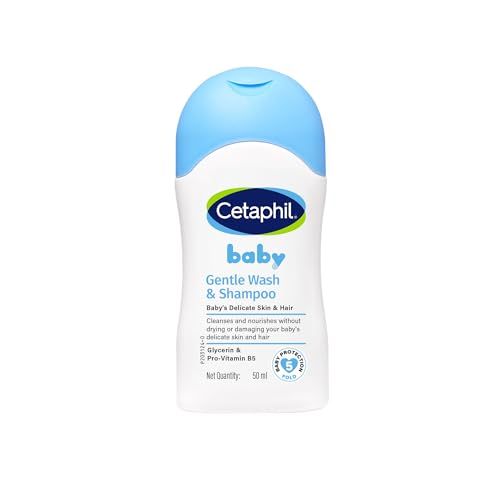
Cetaphil Baby Gentle Cleansing Wash
- ✓ pH 5.5 balanced
- ✓ Hypoallergenic
- ✓ Tear-free formula
* We earn a small commission — at no extra cost to you.
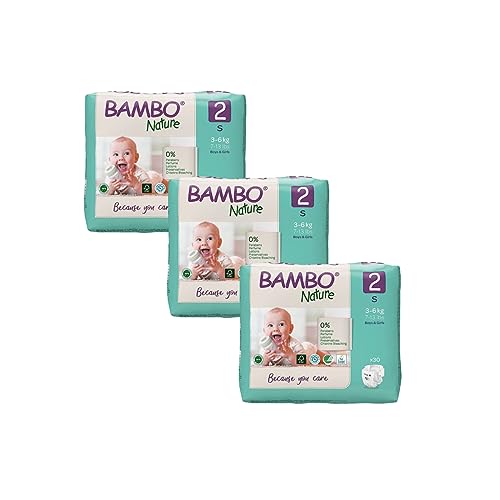
Bamboo Love Premium Diapers Size 3 (6-11kg)
- ✓ Hypoallergenic, fragrance-free
- ✓ Bamboo rayon fabric
- ✓ High absorbency
* We earn a small commission — at no extra cost to you.

Mamy Poko Extra Absorb Pants Diaper
- ✓ Quick-dry technology
- ✓ Wetness indicator
- ✓ Up to 12-hour protection
* We earn a small commission — at no extra cost to you.
Drapolene Cream (Benzalkonium Chloride + Zinc Oxide)
- ✓ Antiseptic + zinc oxide
- ✓ For bacterial rash
- ✓ Dermatologist-recommended
* We earn a small commission — at no extra cost to you.