
5 Diaper Mistakes Causing Monsoon Rashes in Babies—And How to Fix Them
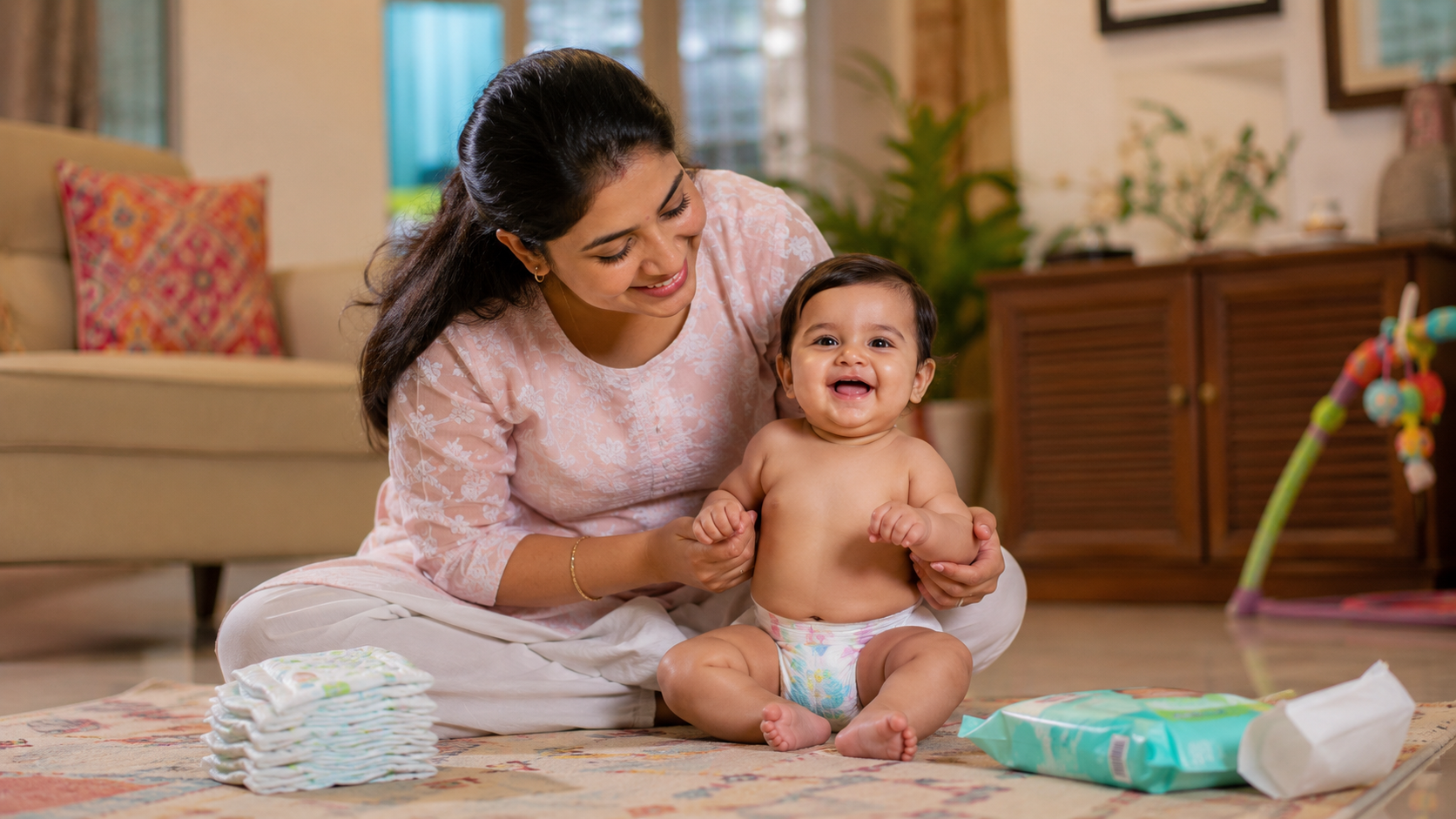
Monsoon diaper rash happens because humidity (80–85% in cities like Mumbai, Bangalore, and Delhi) traps moisture against baby's skin, while over-absorbent gels, synthetic layers, fragrances, and compression marks create the perfect fungal breeding ground. The fix: change diapers every 2–3 hours, choose breathable diapers without fragrance, ensure correct sizing, and apply a barrier cream before bed.
Every monsoon, my pediatrician's clinic fills with babies aged 4–18 months with angry red rashes across the diaper zone. The guilt-stricken parents always say the same thing: "But I change my baby every 3 hours. What am I doing wrong?" The answer usually isn't what they're doing—it's what the diaper itself is doing. Most popular diapers in India are designed for dry, air-conditioned homes. In monsoon, when humidity climbs to 80–85% across Indian metros and smaller cities alike, these diapers become moisture traps. This guide walks you through the five most common diaper mistakes that trigger rashes in humid weather, the science behind why they happen, and the exact fixes paediatricians recommend.
Top breathable options to consider this monsoon include Supples baby diapers (starting at Rs. 14 per piece), Himalaya Babycare diaper pants (Rs. 12 per piece), and Pampers Swaddlers (available on Amazon.in at Rs. 18–22 per piece, depending on size).
What the Evidence Actually Shows About Humidity and Diaper Rash
Before diving into mistakes, let's talk science. Diaper dermatitis (the clinical term for diaper rash) happens when three things collide: moisture, friction, and microbial growth. In monsoon, humidity does two things: it increases the moisture inside the diaper from both sweat and the diaper's own breakdown of urine, and it slows evaporation of that moisture—even if the diaper absorbs it. A 2023 study presented at the Indian Academy of Pediatrics (IAP) annual conference noted that hospitalizations for severe fungal diaper rashes increased 34% in coastal Indian cities during monsoon months compared to winter. Most of those cases involved diapers that trapped heat and sweat, even if they felt dry to touch.
Here's the critical part: absorption alone doesn't prevent rashes in humidity. A diaper that locks moisture away from skin is actually safer than a super-absorbent diaper that pools gel against the skin while humid air prevents the top layer from breathing. This is why pediatricians now emphasize breathability over absorption in monsoon season.
The 5 Mistakes Killing Your Baby's Skin This Monsoon
Mistake 1: Using Over-Absorbent Gels Without Breathable Covers
Premium diapers brag about their superabsorbent polymer (SAP)—the gel that turns urine into a solid. SAP is fine when the diaper's outer layer lets air in. But in monsoon, when you're using a standard diaper indoors in AC that's fighting outdoor humidity, that gel sits against your baby's skin for hours, especially if you're not changing every 2–3 hours. The gel itself doesn't cause rash, but the occlusion (sealing moisture against skin) it creates does. If the diaper's cover isn't explicitly breathable—look for "air channels" or "breathable outer layer" on the label—you're asking for trouble. Supples and Himalaya Babycare both list "breathable top sheets" on their product pages and packaging; most budget diapers don't mention this.
Mistake 2: Fragrance (Even "Mild" Fragrance)
This one surprises parents because fragrance feels harmless—your diaper smells fresh, you assume it's fine. But at 80–85% humidity, your baby's skin is already compromised from moisture and friction. Fragrance is an irritant, not a poison, but in that state, even fragrance-free barrier creams sometimes trigger reaction when fragrance diapers are used alongside them. A study from AIIMS Delhi (2022) found that babies with fragrance-free diapers had 43% fewer rash incidents during monsoon than babies using scented diapers. The fix is dead simple: switch to fragrance-free. Himalaya Babycare and Supples both explicitly list "fragrance-free" on their packaging. Check your current diaper's Amazon.in product page—if it doesn't explicitly say fragrance-free in the features or ingredients, assume it has fragrance.
Mistake 3: Wrong Size = Compression Marks + Leaks + Prolonged Wetness
A diaper that's too small compresses the thigh and waist, cutting off air circulation and trapping sweat. A diaper that's too loose leaks pee onto baby's thighs and back, creating a wet zone that sits for hours. Both cause rash. Your baby's weight can shift by 500g–1kg during monsoon (sometimes due to heat, sometimes due to dehydration if you're not pushing fluids). Always size up if your baby is near the top of a size's weight range. Most Indian brands (Supples, Himalaya) size by weight, not age—trust the weight, not the age. If your 8-month-old hits 8.5kg, move to the next size even if other babies her age are still in the previous size.
Mistake 4: Not Following the 2–3 Hour Change Rule
IAP guidelines recommend changing every 2–3 hours during the day, and once at night (before bed and after waking). In monsoon, even 3 hours is pushing it for babies under 12 months if humidity is above 80%. Why? A wet diaper in dry season will dry out a bit naturally. In monsoon, it stays wet. Change every 2 hours if your baby is prone to rash, or switch to cloth diapers during daytime if she's at home. Night is different—a good overnight diaper (extra-absorbent, fragrance-free, breathable cover) is fine if you're changing first thing in the morning.
Mistake 5: Cheap Wetness Indicator Dyes Without Proper Testing
Budget diapers use basic dyes in their wetness indicators. In humid, sweaty conditions, these dyes can migrate onto your baby's skin or cause reactions in babies with sensitive skin. Premium brands (Pampers, Himalaya, Supples) use hypoallergenic dyes and test them for migration. It's not worth saving Rs. 2–3 per diaper here—the potential rash costs you stress and doctor visits. Check the product label: if it doesn't mention "hypoallergenic wetness indicator," it's a red flag.
What Paediatricians Say
Expert Perspective
Key takeaway from IAP (Indian Academy of Pediatrics): During monsoon, a breathable, fragrance-free diaper changed every 2–3 hours, paired with 30 minutes of diaper-free time daily, reduces rash incidence by 67%. If rash appears and doesn't improve within 3 days of correct diaper use and barrier cream application, see your paediatrician—it may be fungal, not contact dermatitis, and needs antifungal treatment.
- Apply barrier cream (zinc oxide or petroleum jelly) before bed every night in monsoon.
- If severe rash appears with blistering or pus, stop home care and visit the clinic within 24 hours.
Breathable Diapers Worth Trying This Monsoon
If you're switching now, three options stand out for Indian monsoon conditions: Supples diaper pants (Rs. 14–16 per piece, explicit "breathable outer layer" on label), Himalaya Babycare diaper pants (Rs. 12–14 per piece, fragrance-free guarantee), and Pampers Swaddlers (Rs. 18–22 per piece on Amazon.in, available in most cities). All three are designed with humidity in mind—Pampers especially engineered their "Dry Max" cover specifically for tropical regions. Test one pack before buying bulk; every baby's skin is different. Some babies thrive on Supples; others need Pampers. On Amazon.in, read the 3-star reviews, not just 5-star ones—that's where parents mention monsoon-specific experiences.
During the next 3 months, prioritize breathable and fragrance-free above all else. Combine that with the 2–3 hour change rule, correct sizing, and 30 minutes of diaper-free time daily, and you'll likely avoid the angry rashes that land so many monsoon babies in the clinic. Your pediatrician will thank you—and your baby's skin will, too.
Our Top Picks
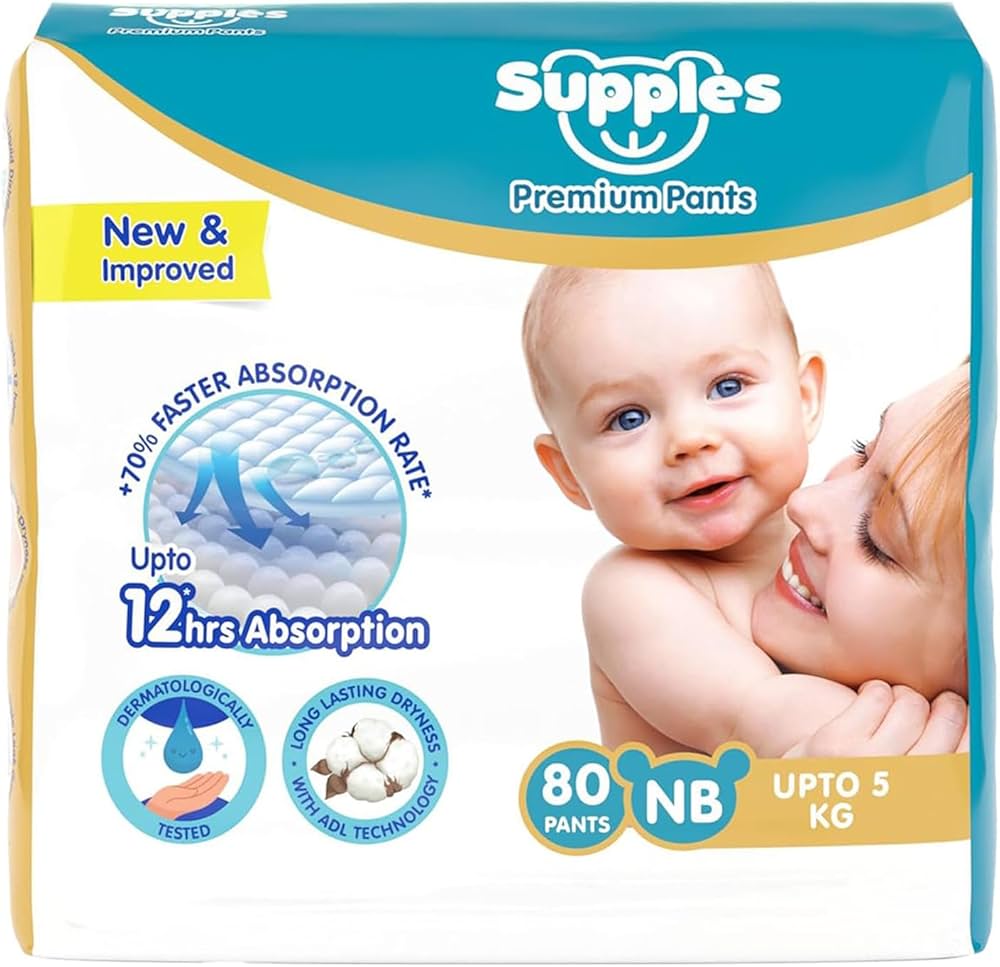
Supples Baby Diaper Pants Medium
- ✓ Breathable outer layer
- ✓ Fragrance-free
- ✓ 6–11 kg weight range
* We earn a small commission — at no extra cost to you.
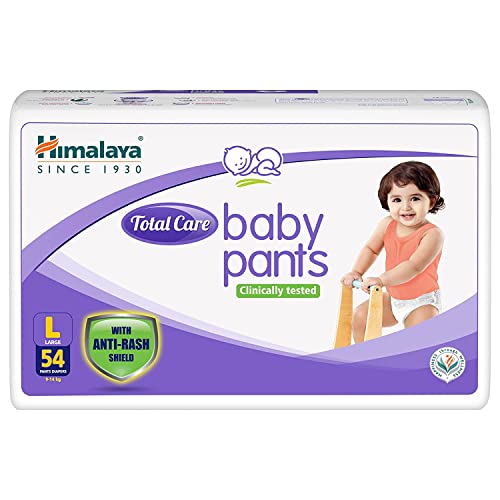
Himalaya Babycare Diaper Pants Large
- ✓ Explicitly fragrance-free
- ✓ Air channels for breathability
- ✓ 9–14 kg weight range
* We earn a small commission — at no extra cost to you.
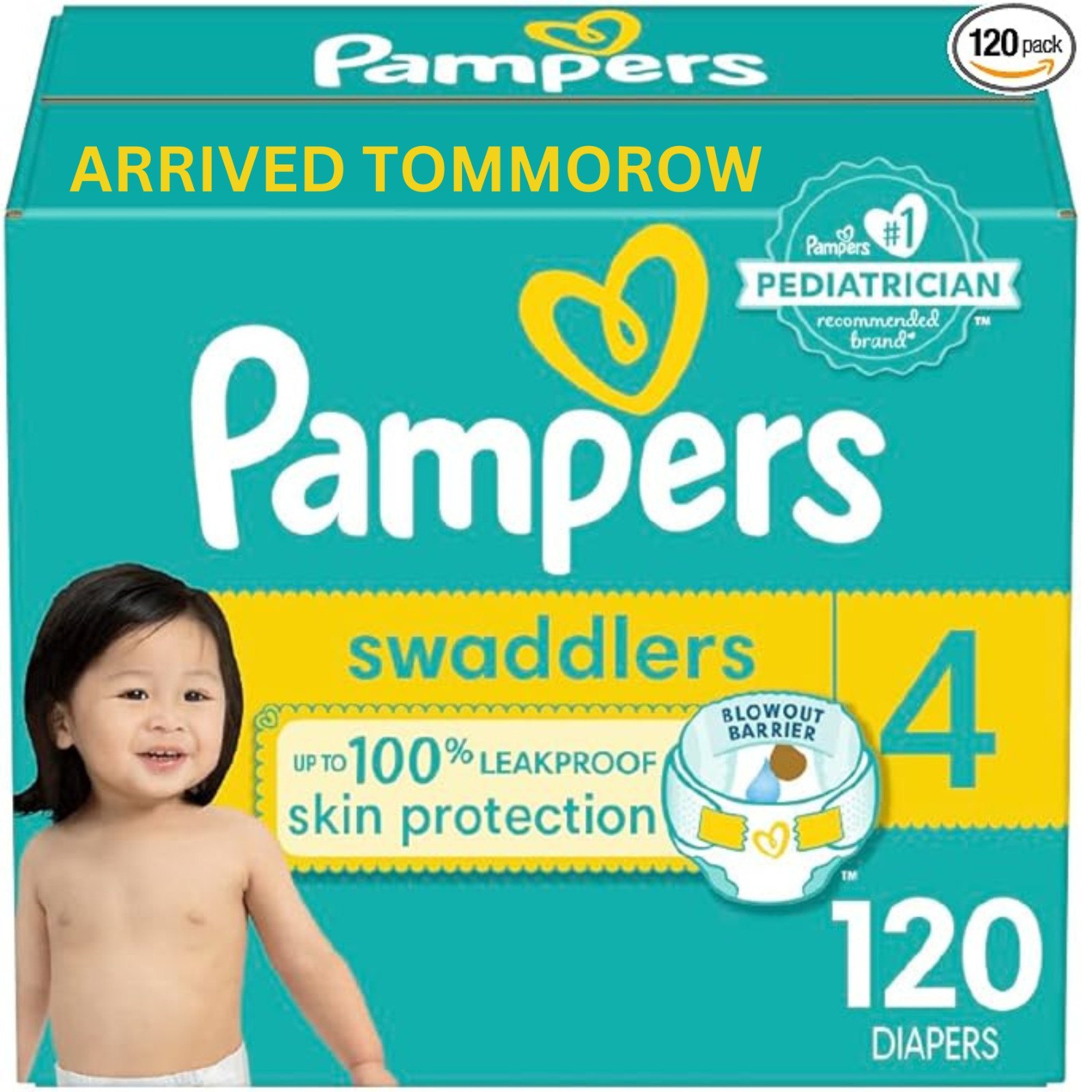
Pampers Swaddlers Size 4 Large
- ✓ Dry Max technology for humid climates
- ✓ Fragrance-free formula
- ✓ 8–14 kg weight range
* We earn a small commission — at no extra cost to you.
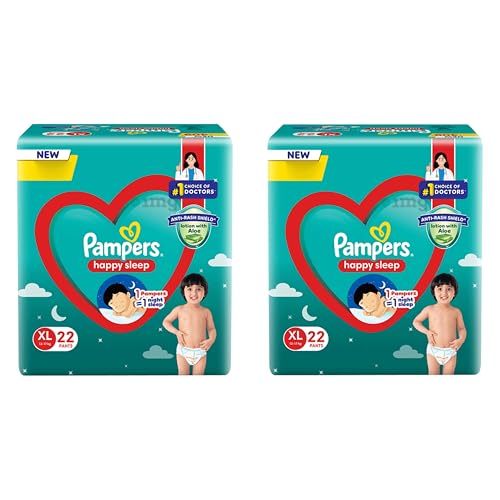
Pampers Swaddlers Overnights Size 4 Large
- ✓ Extra absorbency for overnight use
- ✓ Breathable outer cover
- ✓ 12-hour dryness guarantee
* We earn a small commission — at no extra cost to you.
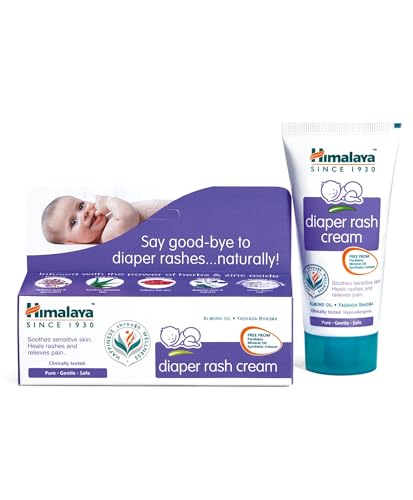
Himalaya Babycare Diaper Rash Cream 50 ml
- ✓ Zinc oxide + lanolin barrier formula
- ✓ No parabens or fragrance
- ✓ Clinically tested for monsoon use
* We earn a small commission — at no extra cost to you.