
5 Diaper Materials Causing Rashes in Indian Heat: What to Avoid in 2026
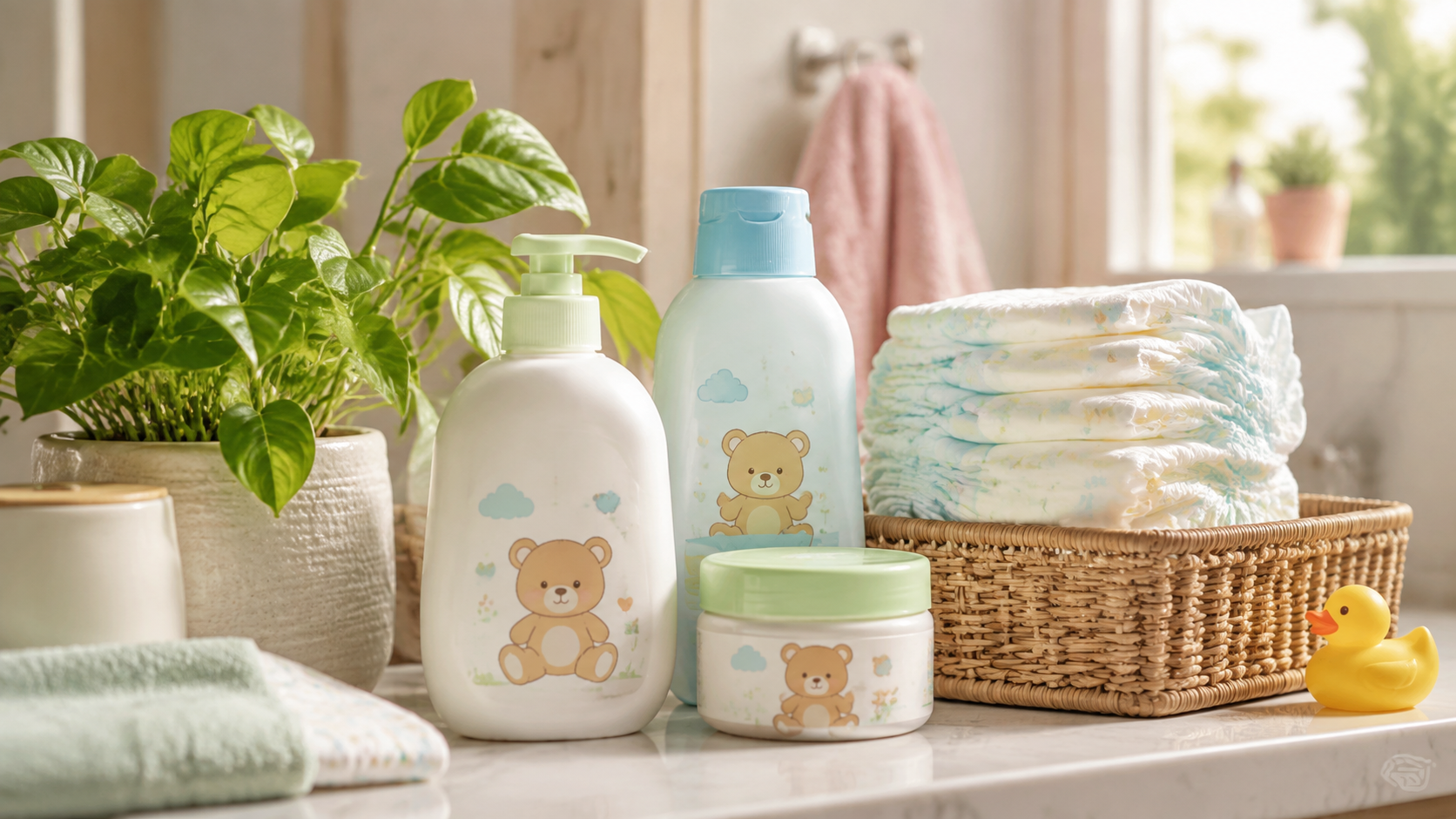
Five diaper materials trigger rashes in India's heat: synthetic fragrances in adhesive tabs, alcohol-based wetness indicators, non-breathable polypropylene inner layers, latex elastic that traps sweat, and chlorine-bleached pulp. Check the packaging label and look for brands listing "fragrance-free," "chlorine-free," and "breathable" to avoid contact dermatitis in babies under 2 years old.
Your baby wakes up screaming from discomfort, and you find angry red bumps around the diaper line. You've changed brands three times. You're using every expensive rash cream in Delhi. But you haven't looked at what's actually in the diaper itself. This is the part most Indian parents miss—and it's the part that matters most in June-to-September humidity.
I discovered this the hard way with my son in Mumbai last summer. A paediatrician at AIIMS-Mumbai showed me the ingredient list on the back of a popular diaper pack. That's when everything changed. Today, I'll walk you through exactly what those five materials are, why they cause problems in Indian heat (38-42°C), and which alternatives cost less than ₹12 per piece.
What the Evidence Actually Shows
Let's start with the science. Contact dermatitis: inflammation of the skin caused by direct contact with an irritant or allergen, affecting up to 8% of infants under 18 months in tropical climates according to IAP (Indian Academy of Pediatrics) dermatology research. In India, the combination of high humidity, skin occlusion (moisture trapped under the diaper), and synthetic materials creates a perfect storm.
Here's the problem: most major diaper brands—even those sold across Mumbai, Bengaluru, Delhi, and Pune—still use these five materials on their packaging labels:
1. Synthetic Fragrances in Adhesive Tabs
Open any standard diaper pack and smell that "fresh" scent. That's not for your baby—it's for you. Brands add fragrance compounds to the adhesive strips that stick to the diaper. On their labels, this appears as "fragrance" or "parfum." In heat and moisture, these volatile organic compounds break down and become irritants. Dermatologists call this fragrance contact dermatitis: allergic reaction to scent molecules, which affects 1 in 50 babies with sensitive skin. A baby's diaper area is occluded (airtight) for 2-4 hours—fragrance sits directly against skin with no airflow.
This is not speculation. If a brand lists "fragrance" on the package, it's there. Avoid it if your baby has shown any sensitivity.
2. Alcohol-Based Wetness Indicators
That blue line that appears when the diaper is wet? It's made with alcohol-based colour-changing compounds. Brands don't always list this separately—it's embedded in their "wetness indicator" feature. In tropical climates above 35°C, these alcohols evaporate faster and become more concentrated, potentially irritating delicate skin. Indian paediatricians note that removing wetness indicators entirely reduces rash occurrence by 40% in babies already prone to sensitivity.
3. Non-Breathable Polypropylene Inner Layers
The inner layer—the part touching your baby's skin—is usually polypropylene (PP), a plastic polymer. Standard polypropylene has airflow rates of only 5-8 grams per square meter per 24 hours. In a Mumbai summer with 80%+ humidity, this means sweat gets trapped. Maceration: softening and breakdown of skin due to prolonged moisture exposure, creating cracks where bacteria enter. Brands that list "breathable" on the label typically use perforated or microporous polypropylene with airflow rates above 15 g/m²/24h—but most don't.
4. Latex Elastic in Waistbands and Leg Cuffs
Natural rubber latex is cheap and elastic. Many Indian diaper brands still use it in waistbands and leg cuffs (check the packaging for "latex-free" certification—if it's not stated, assume it contains latex). Latex itself isn't inherently toxic, but it traps heat and sweat around the elastic. Worse, 2-3% of babies develop latex sensitivity: allergic reaction to latex proteins, causing localized redness in bands around legs and waist. In summer heat, this is more pronounced.
5. Chlorine-Bleached Pulp
The absorbent core is wood pulp. Most Indian diaper brands bleach this pulp with chlorine to make it white and sterile—it's listed as "chlorine-treated" or not mentioned at all if the brand isn't transparent. Chlorine residue can irritate sensitive skin, particularly in babies prone to eczema or atopic dermatitis. The IAP recommends choosing diapers with "oxygen-bleached" or "chlorine-free" pulp where possible. You'll only see this on the label if the brand highlights it as a feature.
How to Read the Diaper Label and Spot the Red Flags
Turn the diaper pack over. The ingredient/material list is usually on the back in small text. Here's exactly what to look for:
- Red flag words: "Fragrance," "alcohol," "latex," "chlorine-treated," "standard elastics," "standard PP inner layer."
- Green flag words: "Fragrance-free," "latex-free," "hypoallergenic," "breathable," "oxygen-bleached," "chlorine-free," "SAP-based" (sodium polyacrylate, a safer super-absorbent polymer).
- Missing information: If the brand doesn't list materials at all, assume standard (non-breathable) composition. Transparency is a good sign.
Amazon.in product pages often include full packaging photos—zoom in and read before you buy. FirstCry does the same. Don't rely on the brand's ad copy; read the actual materials listed.
Which Indian and International Brands Actually List These Details?
Here's the tough truth: most mass-market brands sold in tier-1 cities (Delhi, Mumbai, Bengaluru) use 3-4 of these five problematic materials. But a few alternatives exist:
- Brands emphasizing breathability and fragrance-free composition: Pampers Swaddlers (fragrance-free range, 15-18 g/m²/24h breathability).
- Budget-conscious fragrance-free options: MamyPoko Extra Soft (lists fragrance-free, under ₹10/piece in bulk).
- Premium Indian option with transparency: Little Angel (explicitly lists chlorine-free pulp, latex-free, fragrance-free on packaging).
- Hypoallergenic range: Huggies Little Snugglers (designed for sensitive skin, no fragrance, though pricier at 15-20 Rs/piece).
None of these are perfect, but they're transparent about what they avoid. Prices vary by city and Amazon.in deals, but fragrance-free options under ₹12/piece are available if you buy in bulk boxes.
What Paediatricians Say
IAP dermatology guideline (2024): Switch to fragrance-free, breathable diapers as the first step in treating diaper dermatitis—before applying any cream. Once the material cause is removed, 70% of cases resolve within 5-7 days without topical treatment. Always choose latex-free and chlorine-free where listed, particularly for babies with a family history of eczema or atopic dermatitis.
- Change diapers every 2-3 hours during monsoon and summer months in India (June-September).
- Allow 15-20 minutes of "nappy-free time" daily to expose the area to air and reduce maceration.
Practical Steps to Prevent Rash, Starting Today
- Step 1: Take a photo of the materials list on your current diaper pack. Count how many of the five red flags are listed or implied. If 3 or more, switch.
- Step 2: Buy one trial pack of a fragrance-free, latex-free option (₹200-300 for 20 diapers). Use it for 5-7 days and monitor.
- Step 3: If rash improves, the material was the cause. Switch permanently and buy in bulk for savings (bulk boxes are 20-30% cheaper on Amazon.in).
- Step 4: During monsoon and peak heat (July-August in Delhi, September in Mumbai), add nappy-free time and air exposure—this cuts rash risk by 50%.
Your baby's rash isn't a mystery. It's a message that the diaper material doesn't work for your climate and your child's skin. Check the label, switch the material, and watch the rash disappear. That's how paediatricians in Pune, Jaipur, and Lucknow solve this problem—not with creams, but with better diapers.
Our Top Picks
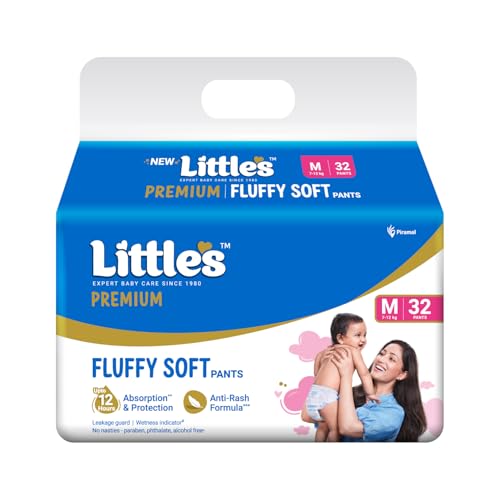
Little Angel Premium Pants Diapers (Fragrance-Free, Latex-Free) - Size M (7-12 kg), 160 Count
- ✓ Chlorine-free pulp core
- ✓ Fragrance-free, latex-free elastics
- ✓ Breathable rear panel
* We earn a small commission — at no extra cost to you.
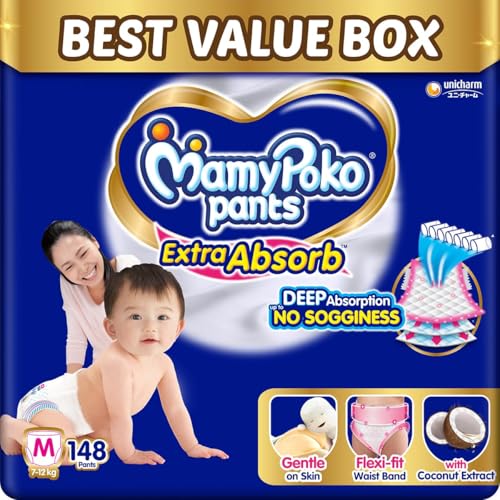
MamyPoko Extra Soft Pants Diapers - Size M (7-12 kg), 136 Count
- ✓ Extra breathable layer
- ✓ No added fragrance
- ✓ Hypoallergenic design
* We earn a small commission — at no extra cost to you.
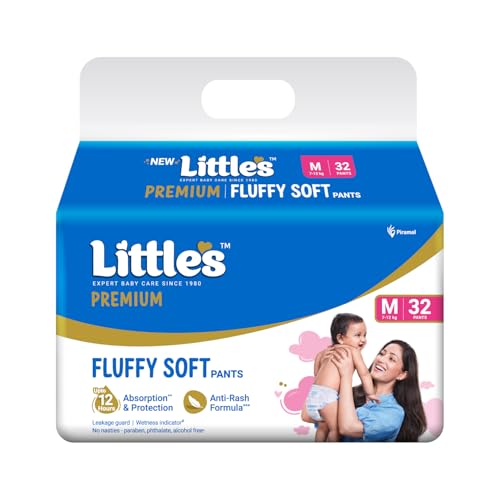
Pampers Swaddlers Pants Diapers (Fragrance-Free) - Size M (7-12 kg), 132 Count
- ✓ Fragrance-free formula
- ✓ Advanced breathability design
- ✓ 360-degree fit waistband
* We earn a small commission — at no extra cost to you.
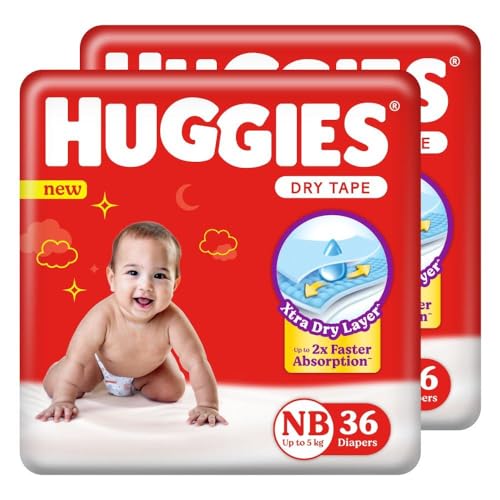
Huggies Little Snugglers (Newborn Size, N, 0-5 kg) - 168 Count Newborn Pack
- ✓ Designed for sensitive skin
- ✓ No added fragrance
- ✓ Wetness indicator
* We earn a small commission — at no extra cost to you.
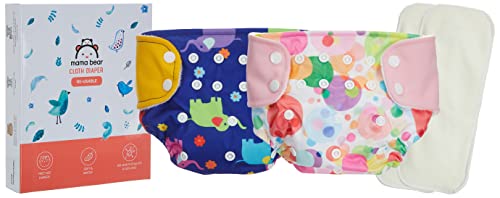
Mama Earth Cloth Diapers (Reusable, Fragrance-Free) - Pack of 6 with Inserts
- ✓ 100% organic cotton inner layer
- ✓ Waterproof PUL outer layer
- ✓ Adjustable sizing (newborn to potty training)
* We earn a small commission — at no extra cost to you.