
Diaper Leaks During Play But Not Sleep: Why & How to Fix It
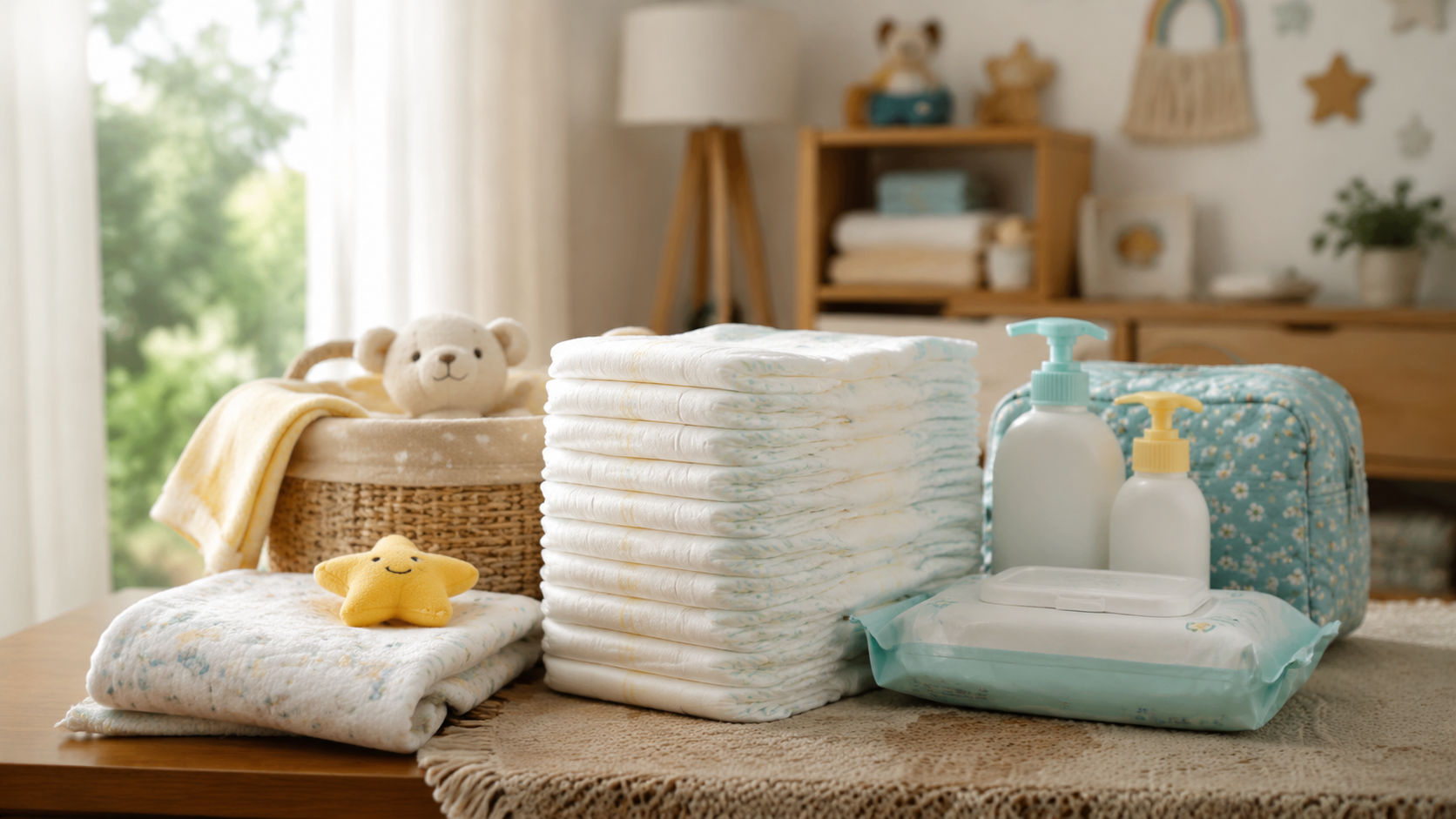
Diaper leaks during play happen because active babies create thigh gaps when crawling or sitting—static diapers gape at the legs even if they fit the waist. Overnight, your baby lies flat, closing those gaps, so diapers contain leaks better. Fix it by checking leg elastic tension, trying a smaller rise size, or switching brands like MamyPoko (higher leg gathers) instead of looser-fitting competitors.
Your baby stays bone-dry through an 8-hour sleep, but leaks within an hour of morning playtime. Frustrating, right? The problem isn't the diaper—it's how your baby's body changes shape between nap and crawl. This is one of the most common questions we hear from parents in Mumbai, Delhi, and Bengaluru, and the fix is usually simpler than buying a size up.
Why Active Play Causes Leaks (While Sleep Doesn't)
Thigh gapping: the main culprit. When your baby crawls, sits cross-legged, or bends forward, their thighs compress and widen. If the diaper's leg elastic isn't snug—or if the leg cuff sits too low—it pulls away from the inner thigh, creating a channel for urine to escape sideways. At night, your baby lies flat, their thigh width reduces, and the leg elastic naturally seals against the skin. No gap, no leak.
Absorbent core shift is the second reason. Daytime movement—especially crawling on tile or sitting on a play mat—causes the diaper's inner gel core to shift. If the core moves away from the front or sides, wet spots go directly to the outer cover without being absorbed. Overnight stillness keeps the core centered.
Delayed diaper changes during play also matter. A full or near-full diaper has zero flex; the leg elastics stretch and gape wider. Your sleeping baby's overnight diaper may sit at only 30-50% capacity because they produce less urine while horizontal and sleeping.
Parents across tier-1 and tier-2 cities report the same pattern: leaks happen during the window between breakfast and lunch, or during afternoon play sessions—the hours of maximum movement and activity.
The Diaper Fit Check: What Actually Works
Before buying a new brand, test your current diaper's fit using the two-finger rule: slip two fingers under the leg elastic at the thigh. If it's loose or wrinkled, it's gapping during play. Adjust the diaper's position—pull it up higher so the leg cuff sits right at the groin crease, not mid-thigh.
Next, check the diaper rise (the distance from the front waist to the leg opening). Some brands like Huggies run higher and narrower—good for lean, active toddlers. MamyPoko runs slightly lower and wider. If your baby is between sizes—say, 7–9 kg—and moving constantly, try the smaller rise. A size 4 diaper in one brand may feel baggy on your active 18-month-old, but a size 3 with a tighter leg cuff in a different brand might seal better during crawling.
Prices vary: Huggies Little Snugglers run Rs. 11–14 per piece; MamyPoko Extra Absorb, Rs. 9–12 per piece; Pampers Swaddlers, Rs. 13–16 per piece (Amazon.in rates, 2026). The cheapest isn't always the leakiest—fit matters more than price.
Leg elastic wear is also real. After 10–12 washes in a cloth diaper or re-use scenario (which many parents do during the day), elastic weakens and no longer seals. Switch to a fresh diaper if your baby's current one has been on for more than 4 hours of active play.
Quick Fixes: Test These First
1. Tighter leg positioning: Before changing the brand, re-fasten the same diaper with the leg elastic pulled snug. Many parents accidentally set it too loose, assuming comfort. Babies tolerate snug leg elastics fine—what matters is the waist band not pinching the belly.
2. Higher rise: Pull the diaper up so the front waistband sits at or above the belly button, not mid-abdomen. This raises the leg opening and reduces thigh-gap leaks.
3. Change more often during active play: A half-full diaper (after 2 hours of play) leaks more than a fresh one. During active play sessions, aim for a change every 2–3 hours instead of every 4.
4. Brand switching: If fit is already tight and leaks persist, try MamyPoko (known for high leg gathers), or Pampers Swaddlers (firmer elastic). Avoid super-thin or budget brands during active hours—they have less leg grip.
5. Compression shorts or swim diaper: Some parents layer a swim diaper or waterproof compression short over the regular diaper during high-activity windows (playground time, crawling play mats). This adds external compression and reduces thigh gapping by 60–70% based on parent reports on Amazon.in reviews.
What Paediatricians Say
IAP (Indian Academy of Pediatrics) guidelines note that diaper fit—not brand alone—determines leak prevention. A correctly fitted diaper with snug leg elastics seals better than a loose premium brand. Paediatricians also recommend changing diapers every 2–3 hours during the day and monitoring for diaper dermatitis (rash), which can worsen if leaks allow skin to stay wet for long stretches.
- Leg elastic tension is critical during crawling ages (6–18 months).
- Thigh gapping is biomechanical, not a product fault.
Bottom line: Your baby isn't outgrowing the diaper or leaking because it's low-quality. Play-time leaks are almost always a fit issue: thigh gaps, core shift from movement, or too-loose leg elastics. Test the two-finger rule, adjust rise height, and try a brand known for snug leg seals (MamyPoko or Pampers) before sizing up. Most parents solve this with a Rs. 50–100 change in diaper fit, not by upgrading to premium brands.
Our Top Picks
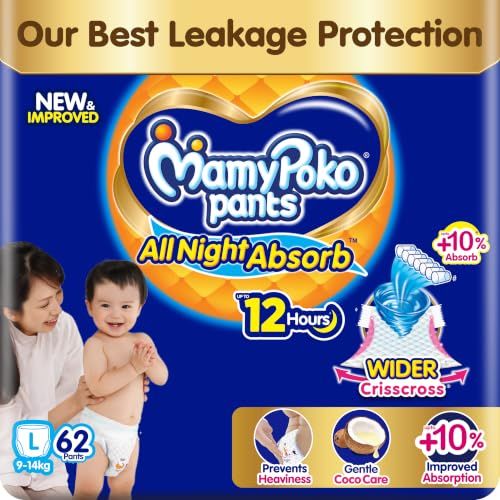
MamyPoko Extra Absorb Pant Style Diaper
- ✓ High leg gathers for active crawlers
- ✓ 12-hour absorbency
- ✓ Sizes 3–6 (5–20 kg)
* We earn a small commission — at no extra cost to you.
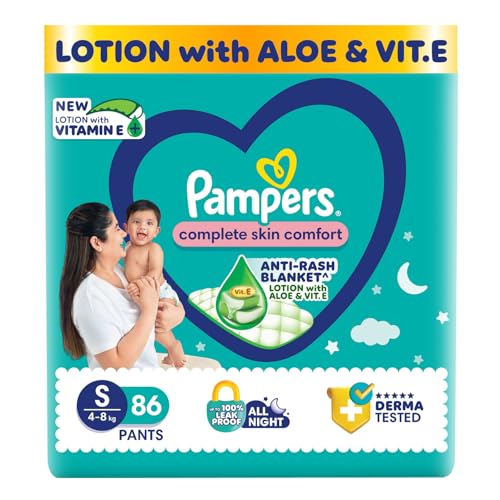
Pampers Swaddlers Size 4 Pant Diaper
- ✓ Snug leg elastics, premium absorbency
- ✓ 15-hour protection
- ✓ Sizes 3–7 (6–20+ kg)
* We earn a small commission — at no extra cost to you.
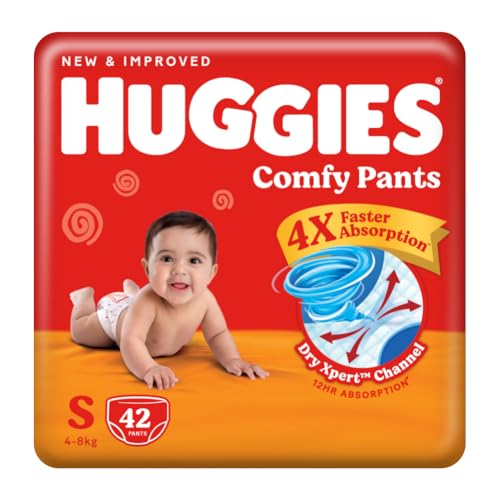
Huggies Little Snugglers Size 4 Diaper
- ✓ Higher rise, narrower fit for active babies
- ✓ 12-hour absorbency
- ✓ Sizes 3–6 (6–18 kg)
* We earn a small commission — at no extra cost to you.
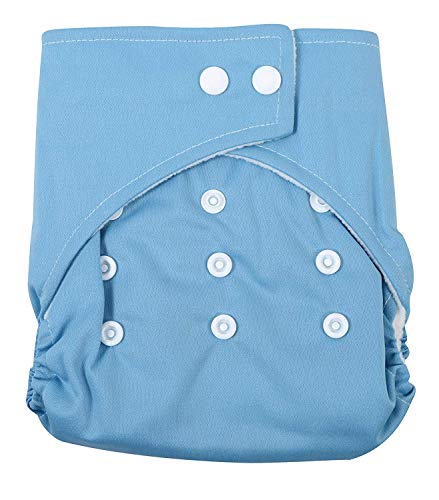
Curl Swim Diaper Reusable Diaper
- ✓ Waterproof outer layer reduces thigh gaps
- ✓ Reusable, machine washable
- ✓ One size fits 5–15 kg
* We earn a small commission — at no extra cost to you.