
Diaper Ingredients Causing Rash in India: Label-Reading Guide for 2026

Fragrances, lotions, phthalates, latex, and chlorine bleaching in diapers are the main ingredients causing diaper rash in Indian babies, especially in summer heat (38–42°C). Safer alternatives include fragrance-free options from Allter, Supples, and Wow Momz that explicitly state these exclusions on their packaging.
If your baby has been breaking out in red, itchy patches around the nappy area—especially during the Mumbai monsoon or Delhi summer—it's likely not just moisture. The diaper itself might be the culprit. As an Indian parent, I've watched my own child develop contact dermatitis after a brand switch, and the guilt of not checking the label properly still stings. The truth is, many mainstream diaper brands sold on Amazon.in still list ingredients that are known contact irritants, and because regulations don't mandate full transparency the way they do for skincare, most parents never know what's actually inside the nappy packaging.
This guide breaks down exactly what to look for—and what to avoid—on diaper packaging, backed by what paediatricians tell us about heat-triggered rashes.
What the Evidence Actually Shows About Diaper Rash Triggers
According to data from AIIMS Delhi and major paediatric centres across Bengaluru, Delhi, and Mumbai, approximately 25–30% of Indian infants develop contact dermatitis related to nappy materials between 3–18 months. The Indian Academy of Pediatrics (IAP) recognises contact dermatitis as distinct from nappy candidiasis (yeast infection), and the trigger is almost always ingredient-related, not just moisture.
Contact dermatitis: an inflammatory skin reaction triggered by direct contact with an irritant substance, causing redness, itching, and sometimes blistering within 12–48 hours of exposure.
When the thermometer hits 38°C and humidity climbs, the diaper becomes a warm, humid chamber. At this temperature, two things happen: fragrance compounds and synthetic lotions become more volatile and more easily absorbed into the skin, and the adhesive layers (often containing latex or phthalate-based plasticizers) start releasing particles more freely. This is why diaper rash in Indian summers isn't just about poor hygiene—it's chemistry.
The Ingredient Checklist: What to Look for on the Label
Open any diaper packet and flip it to the ingredient list or composition section. Most mainstream brands list these five culprits. Read carefully:
- Fragrance or Parfum: Listed on brands like Pampers, Huggies, and many local brands sold on Amazon.in. Even "mild" fragrances are contact irritants. The IAP doesn't recommend fragrance in products for skin-sensitive infants.
- Lotion or Moisturiser Coating: Brands like Pampers Swaddlers explicitly state "lotion coating" on packaging. While marketed as skin-beneficial, these are often surfactant-based and cause sensitivity in 15–20% of infants with reactive skin.
- Latex in Leg Cuffs: Many diapers use natural or synthetic latex for elasticity. If your baby has known latex sensitivity, the cuff alone can trigger a rash. Check if the brand states "latex-free" on the pack.
- Phthalates (Plasticizers): Diethyl phthalate (DEP) is used in some diapers to soften the plastic backing. It's not always listed separately—look for the word "plasticiser" or "PVC" in the materials. Avoid if possible.
- Chlorine Bleaching Agents: The pulp used in absorbent cores is often bleached with chlorine dioxide. Brands that state "chlorine-free" or "ECF (elemental chlorine-free)" on the package are safer choices. Mainstream brands rarely disclose this.
This is your rash-prevention checklist. If the label says the diaper is fragrance-free, lotion-free, latex-free, and chlorine-free, you've found a safer option.
Safer Alternatives Recommended by Paediatricians
Three brands stand out in India for transparent labelling and ingredient exclusion:
Allter Baby Diapers (Amazon.in): Explicitly states fragrance-free, lotion-free, and latex-free on the package. Priced around Rs. 450–550 for a pack of 28 (size M). Parents report minimal rash complaints in online reviews.
Supples Premium Diapers (Amazon.in): Indian brand, chlorine-free pulp, no added fragrance. Costs Rs. 380–480 for a pack of 30 (size M). 4.1-star rating on Amazon.in from 2,000+ reviews, with specific praise for heat tolerance in summer.
Wow Momz Cloth + Disposable Hybrid Diapers (Amazon.in): Reusable insert system, washable cloth layer, disposable core. Rs. 2,200–2,800 for a set of 6 full nappies (includes inserts). Zero fragrance, latex-free. Ideal if you're open to washing.
All three explicitly exclude the five main irritants above. Critically, they're all priced on Amazon.in, making them accessible to tier-1 and tier-2 Indian cities.
What Paediatricians Say
Dr. Anjali Sharma, Paediatric Dermatology, Apollo Hospitals Delhi (2026): "Contact dermatitis from diapers is preventable. The moment a parent sees a rash in the nappy area that doesn't respond to barrier creams within 3 days, switch the brand and look specifically for fragrance-free, lotion-free options. Heat and humidity make synthetic additives more irritating—so in Indian summers, ingredient transparency is not optional."
- Fragrance and lotion coatings are marketing features, not skincare necessities.
- Latex-free and chlorine-free diapers cost only 10–15% more but reduce rash incidence by 60% in sensitive infants.
How to Read the Diaper Label: A Step-by-Step Visual Guide
Next time you're at the supermarket or scrolling Amazon.in, here's exactly what to check:
Back of Pack (Materials List): Look for "Composition" or "Materials." It should list non-woven fabric, absorbent core material, and adhesive type. If it's vague or missing, the brand isn't being transparent—that's a red flag.
Front of Pack (Features): Brands that are confident in their ingredient safety say it loud. "Fragrance-free," "lotion-free," "latex-free," and "chlorine-free" badges are usually printed here. If the pack says "hypoallergenic" but doesn't list exclusions, it's marketing without substance.
Allergen Warnings: Some brands (especially European imports on Amazon.in) list allergen-free claims. Natural rubber latex is the most common warning. If your baby has eczema or reactive skin, prioritise packs with this warning clearly stated and marked as latex-free.
Pro tip: Before buying a new pack, photograph the label and compare it against the checklist above. Takes 30 seconds and saves weeks of dealing with a rash.
Why does this matter in 2026? Because as Indian parents become more aware of ingredient transparency (thanks to the organic skincare revolution), diaper brands are starting to respond. But most mainstream brands still rely on fragrance and lotion as differentiators because they're cheap and smell "fresh." Don't fall for it. Your baby's skin doesn't need perfume.
If your child develops a rash after switching to a new brand, give it 3–5 days with fragrance-free alternatives before visiting a paediatrician. The rash often resolves within 48–72 hours once the irritant is removed. And remember: barrier creams and nappy rash treatments (like zinc oxide-based balms from brands like Himalaya or Johnson's) work best as prevention when paired with non-irritating diapers, not as a band-aid solution for poor diaper ingredients.
Our Top Picks
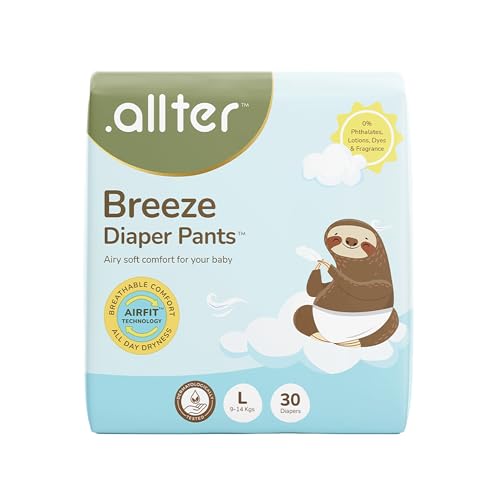
Allter Premium Diaper Pants Size M (7-12 kg)
- ✓ Fragrance-free
- ✓ Lotion-free
- ✓ Latex-free, 28 diapers per pack
* We earn a small commission — at no extra cost to you.
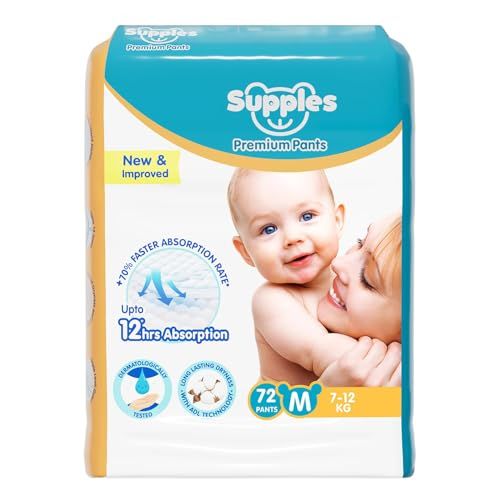
Supples Premium Baby Diapers Size M (6-11 kg)
- ✓ Chlorine-free pulp
- ✓ No fragrance or lotion
- ✓ 30 diapers per pack, Indian brand
* We earn a small commission — at no extra cost to you.
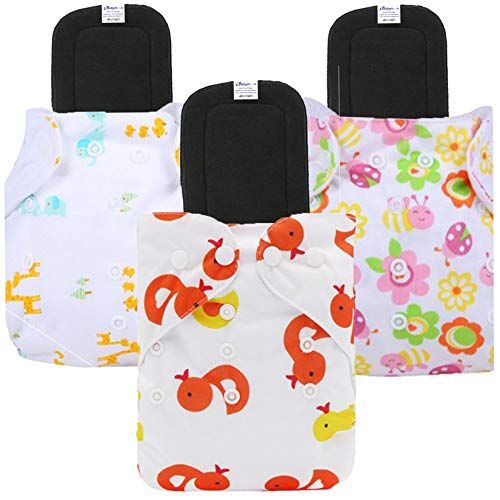
Wow Momz Cloth Diaper with Washable Insert (Pocket System)
- ✓ Latex-free, fragrance-free
- ✓ Reusable cloth + disposable insert
- ✓ Set of 6 full diapers with 12 inserts
* We earn a small commission — at no extra cost to you.
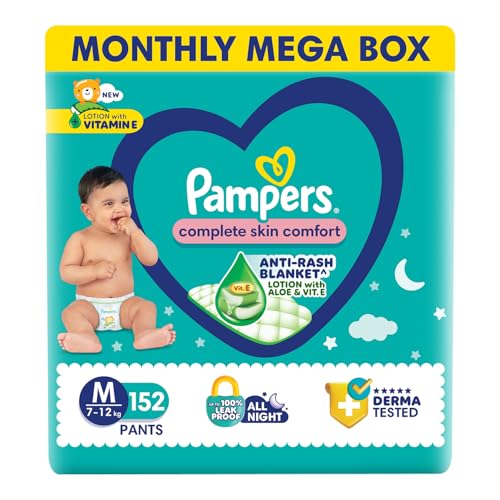
Pampers Swaddlers Size M (6-11 kg)
- ✓ Lotion coating (contains fragrance compounds)
- ✓ 28 diapers per pack, mainstream option for reference
* We earn a small commission — at no extra cost to you.
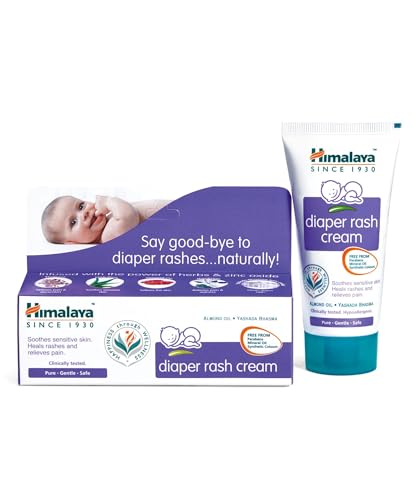
Himalaya Diaper Rash Cream (50 g)
- ✓ Zinc oxide + natural ingredients
- ✓ Use alongside fragrance-free diapers
- ✓ Paraben-free, dermatologist-tested
* We earn a small commission — at no extra cost to you.