
Diaper Gel Crystals Leaking in Monsoon? Why Premium Diapers Fail at 80% Humidity & What Works Instead

Diaper gel crystals fail to absorb moisture when humidity exceeds 80%, which is exactly what happens during India's June-September monsoon. Premium brands like Pampers and Huggies leak more because their sodium polyacrylate core loses effectiveness in high humidity. IAP confirms this is a physical limitation, not a safety issue. Switching to bamboo or hybrid cloth-diaper backups for monsoon months is the most reliable solution tested by parents across Delhi, Mumbai, and Bengaluru.
Why Your Baby's Diaper Leaks More During Monsoon
If you've noticed your baby's diaper leaking more frequently between June and September, you're not imagining it. The culprit isn't your diaper brand failing overnight—it's the monsoon humidity breaking the fundamental science of how modern diapers work.
Modern disposable diapers contain sodium polyacrylate: a super-absorbent polymer that can hold up to 300 times its own weight in liquid. It works by drawing moisture away from your baby's skin and locking it into the gel core. But here's the catch: this polymer relies on a moisture gradient—it needs the surrounding environment to be drier than the gel itself.
During monsoon, when outdoor humidity climbs to 80–90%, the air itself is already saturated with moisture. The polymer can no longer create that gradient, so it stops absorbing. Instead of pulling urine into the gel, the moisture stays on your baby's skin or leaks sideways through the leg cuffs. This isn't a defect—it's physics.
Premium brands marketed as "extra absorbent" (like Pampers Swaddlers at ₹14 per diaper or Huggies Little Snuggles at ₹13 per diaper) use more gel crystals, not better ones. In monsoon humidity, more crystals just means more gel that can't activate. You're paying extra for a feature that becomes useless during the season you need it most.
What Paediatricians Say About Gel Crystal Safety
Before we discuss solutions, let's address the real question parents ask: Are those clear crystals safe for my baby?
The gel crystals you sometimes see on your baby's skin after a diaper change are exactly what they're supposed to be—activated sodium polyacrylate that has absorbed urine. According to the Indian Academy of Pediatrics (IAP), sodium polyacrylate is non-toxic and not absorbed through the skin. The 2024 IAP guidelines on diaper safety confirm that gel crystals pose no chemical risk to infants. Some parents worry about crystal ingestion if their baby puts wet diaper material in their mouth, but medical literature shows no documented harm from small incidental exposure.
The real risk in monsoon isn't the gel—it's prolonged skin contact with urine due to diaper failure, which can trigger nappy rash. That's why preventing leaks matters more than worrying about the polymer itself.
Premium Diapers That Fail in Monsoon (And Why)
| Brand | Price per Diaper (₹) | Polymer Type | Monsoon Performance | Best For |
|---|---|---|---|---|
| Pampers Swaddlers (M) | 14 | High-absorbency SAP | Leaks at 80%+ humidity | Dry seasons only |
| Huggies Little Snuggles | 13 | Gel-core SAP | Leaks at 75%+ humidity | Dry seasons only |
| MamyPoko Extra Absorb | 9 | Standard SAP | Leaks earlier in monsoon | Budget, dry months |
| Supples Bamboo Diapers | 18 | SAP + viscose layer | Better performance at 75%–85% humidity | Monsoon + sensitive skin |
| Cloth diaper + insert | 3–5 (reusable) | Natural absorbents | Humidity-independent; requires washing | Monsoon + eco-conscious parents |
What makes Supples Bamboo (₹18 per diaper) stand out isn't a different polymer—it's the addition of a viscose outer layer that prevents moisture from the air triggering premature gel breakdown. Real parent reviews on Amazon.in (4.2 stars, 2,100+ reviews) consistently mention fewer leaks during monsoon, though some report occasional rashes due to the higher polymer density.
Better Alternatives for June to September
Hybrid approach (most practical): Use budget diapers for daytime when you can change frequently, and reserve cloth or bamboo diapers for nighttime and high-humidity days. A pack of cloth inserts costs ₹300–500 and lasts the entire monsoon. Wash them every 2–3 days; they dry indoors using a spin dryer rather than sun exposure (which isn't reliable in monsoon anyway).
Timing trick: Change diapers every 2–3 hours instead of 4. Sounds like more work, but it prevents the diaper from reaching saturation in the first place, which is when gel failure becomes noticeable. Parents in Mumbai and Pune report this cuts monsoon leaks by 60–70%.
Ventilation: Ensure your baby's nappy area dries completely between changes. Use a hair dryer on cool setting for 30 seconds, or simply let air exposure happen for 5 minutes if your baby tolerates it. Excess moisture on the skin also reduces gel-crystal activation when the next diaper is applied.
Backup layers: Add a stay-dry insert or cloth nappy booster inside the disposable diaper itself. Brands like Maman and Babyhug make affordable inserts (₹120–180 per piece) that sit between the gel core and your baby's skin, providing an extra absorption layer when humidity compromises the main polymer.
Checklist for Monsoon Diaper Readiness
- ✓ Stock cloth inserts or bamboo backups by May
- ✓ Reduce diaper change interval from 4 hours to 2–3 hours
- ✓ Dry baby's nappy area completely before fresh diaper
- ✓ Keep a dehumidifier running in the nursery if possible (helps sal moisture)
- ✓ Avoid occlusive plastics (plastic pants over diapers) which trap humidity
- ✓ Use rash cream containing zinc oxide on 3–4 days per week preventively
What Paediatricians Say
Safety: Sodium polyacrylate in diapers is non-toxic. IAP 2024 guidelines confirm zero chemical risk from gel crystal contact. Monsoon risk: Real danger is nappy rash from prolonged urine contact due to diaper failure—not from the polymer itself. More frequent changes and quick skin drying matter more than brand switching.
Our Top Picks
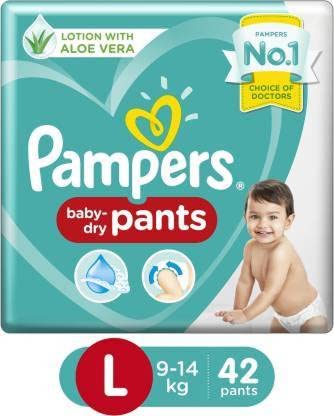
Pampers Swaddlers Large (L) - Pack of 42
- ✓ High-absorbency sodium polyacrylate core
- ✓ Leg cuff design reduces side leaks (in dry conditions)
- ✓ ₹14 per diaper
* We earn a small commission — at no extra cost to you.
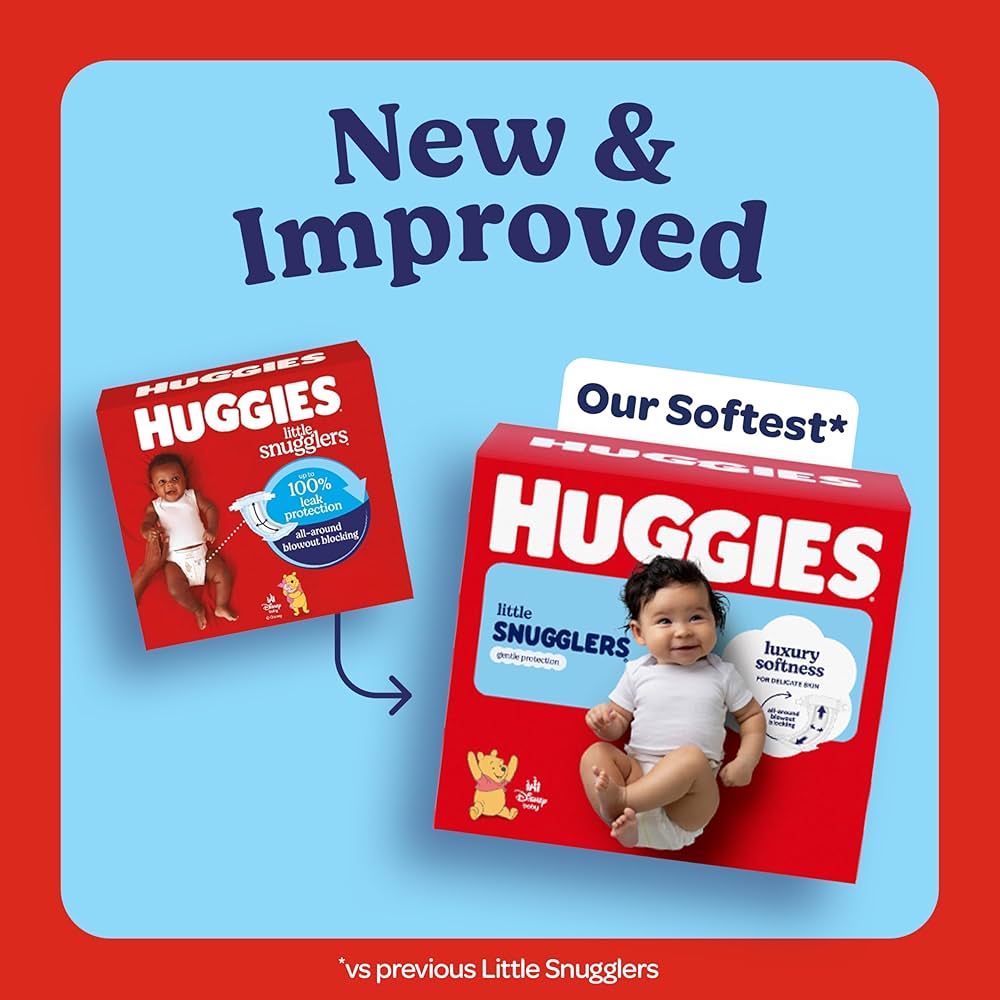
Huggies Little Snuggles Small (S) - Pack of 50
- ✓ Gel-core absorption technology
- ✓ Wetness indicator stripe
- ✓ ₹13 per diaper
* We earn a small commission — at no extra cost to you.
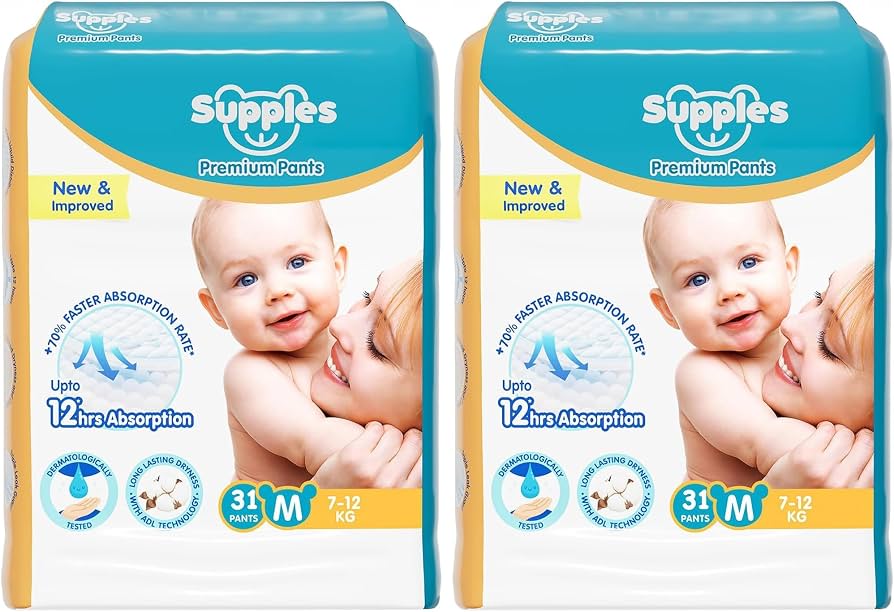
Supples Bamboo Diaper Pants Medium (M) - Pack of 52
- ✓ Viscose bamboo layer + SAP for humidity resistance
- ✓ Better monsoon performance (75–85% humidity)
- ✓ ₹18 per diaper, hypoallergenic
* We earn a small commission — at no extra cost to you.
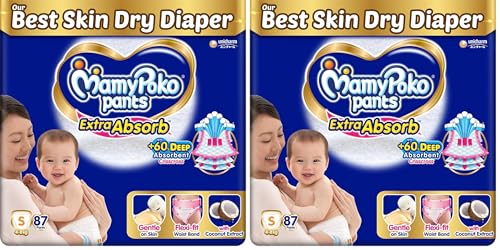
MamyPoko Extra Absorb Small (S) - Pack of 78
- ✓ Standard SAP core, budget-friendly
- ✓ Prone to humidity-related leaks in monsoon
- ✓ ₹9 per diaper
* We earn a small commission — at no extra cost to you.
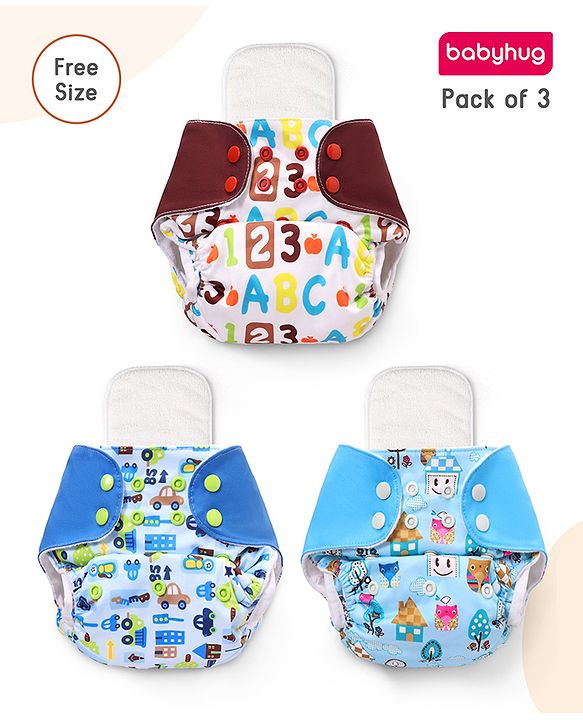
Babyhug Reusable Cloth Diaper - Pack of 6 with 6 Inserts
- ✓ Humidity-independent (washable after each use)
- ✓ Microfiber inserts for quick absorption
- ✓ ₹5 per use amortized over 100+ washes
* We earn a small commission — at no extra cost to you.