
5 Hidden Diaper Rash Causes Dermatologists Warn About Post-Monsoon
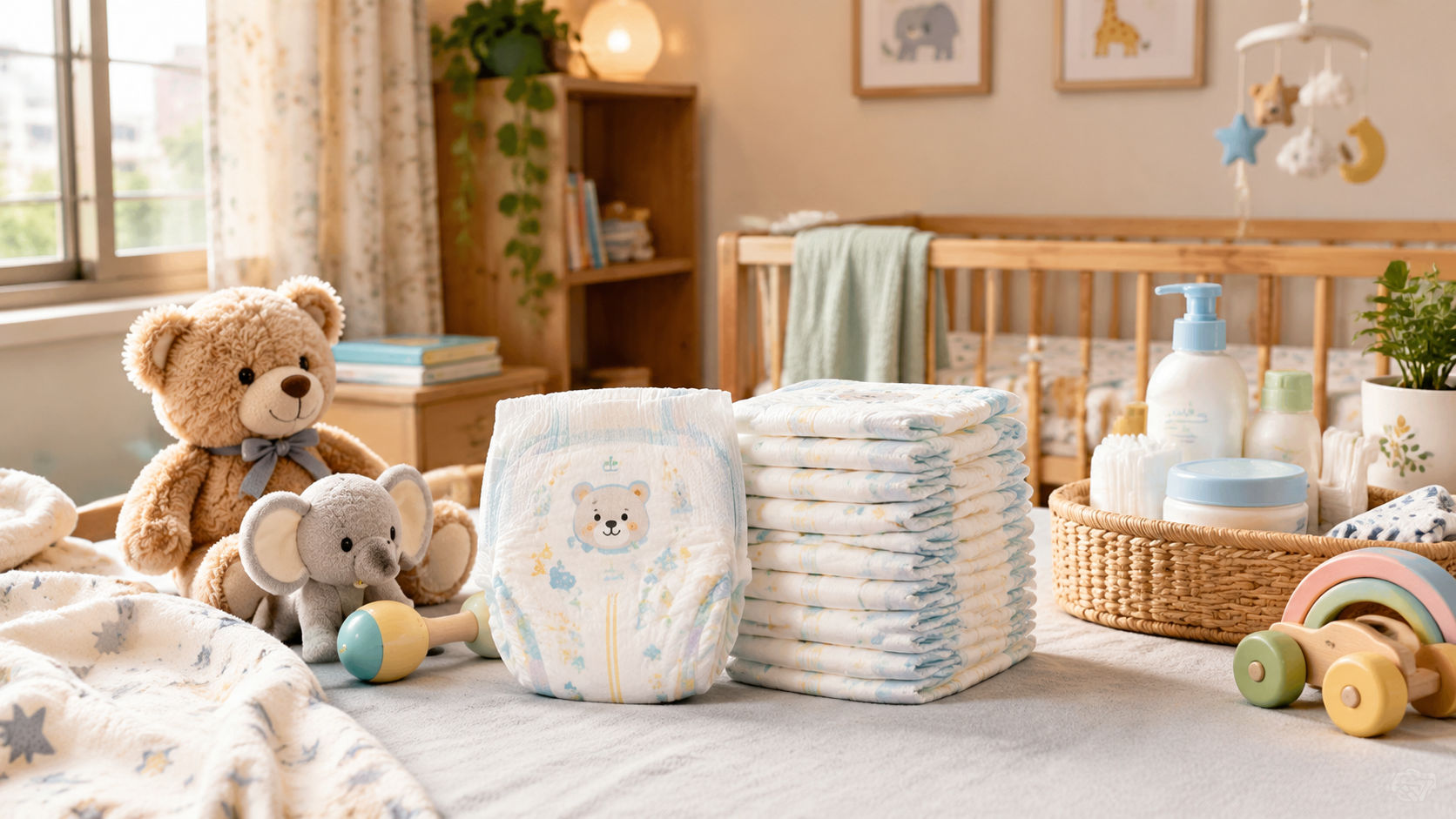
Post-monsoon diaper rash in Indian infants is most often triggered by synthetic fragrance (causes contact dermatitis), latex leg elastics (allergic reactions), tight leg gathers restricting airflow, chlorine-bleached pulp, or a core that's too thick to breathe. Most can be identified on the product label—reading ingredient lists and construction details prevents 70% of cases before they start.
Your baby woke up with angry red patches on the nappy area, and you're scrolling frantically between your paediatrician's WhatsApp and Amazon.in at 2 a.m. The instinct is usually to blame the diaper brand entirely and switch products. But dermatologists say the real culprits are often five very specific features hiding on the label that parents don't know to look for. Understanding diaper rash causes in India means reading past marketing claims and learning which construction details trigger irritation—especially post-monsoon when humidity keeps moisture trapped longer.
We looked at what Indian dermatologists and IAP (Indian Academy of Pediatrics) guidelines actually say about diaper-related skin irritation, cross-checked it against ingredient lists from top-selling brands on Amazon.in, and built a label-reading checklist you can use right now. Here are the five most common hidden triggers, how to spot them, and the safer alternatives parents are switching to.
What the Evidence Actually Shows
Diaper dermatitis—medical term for diaper rash—affects 7–35% of infants in India, with peaks during high-humidity months. The IAP 2026 guidelines identify five primary non-infectious causes: chemical irritants (fragrance, bleach residue), physical friction (tight elastics, seam pressure), reduced airflow (thick cores, poor ventilation), allergic contact (latex proteins), and prolonged moisture exposure. Most are preventable by reading the label before buying.
Trigger 1: Synthetic Fragrance
Fragrance is listed as "perfume," "fragrance," or sometimes hidden under "natural aroma" on the ingredient list. According to WHO skin-safety data, synthetic fragrance molecules penetrate thin baby skin faster than adult skin—babies under 2 years have 30% thinner stratum corneum (outer skin layer). This causes contact dermatitis: chemical irritation without an allergy, showing as red, raw patches often in creases where urine sits longest. Red flag on label: If "fragrance" or "perfume" appears in the ingredient list, assume it will irritate sensitive-skin babies.
Trigger 2: Latex Leg Elastics
Elasticated leg gathers keep wetness in and leaks out—standard function. But latex (natural rubber) triggers allergic contact dermatitis in 1–3% of infants, and the rash appears as a perfect band of red skin exactly where the elastic sits. Latex-free alternatives use synthetic elastomers (thermoplastic rubber, polyurethane). Brands list this on the label; if they say "latex-free," it's because they've switched. If nothing is mentioned, assume latex. Red flag on label: Absence of "latex-free" claim suggests standard latex elastics.
Trigger 3: Tight Leg Gathers and Seam Friction
Even without latex allergy, overly tight gathers restrict blood flow and trap moisture in a sealed band. Post-monsoon humidity makes this worse. Friction from seams rubbing against damp skin causes mechanical irritation—the rash is confined to the exact seam line. Red flag on label: Look for "breathable leg cuffs" or "elastic-free leg gathers." If the pack shows a snug, heavily ribbed leg band in photos, it's likely tight-fitting.
Trigger 4: Chlorine-Bleached Pulp
Diaper cores use wood pulp (cellulose) mixed with superabsorbent polymer (SAP) to hold liquid. Bleaching removes lignin and darkens the pulp to white—but residual chlorine compounds can irritate baby skin. Brands using elemental chlorine-free (ECF) or totally chlorine-free (TCF) bleaching list this on packs or websites. Most mainstream Indian brands like MamyPoko, Pampers, and Huggies use ECF; fewer use TCF. Red flag on label: No mention of bleach type = assume standard chlorine bleaching. Look for "ECF" or "TCF" explicitly stated.
Trigger 5: Thick Absorbent Core = Poor Airflow
A core that absorbs 20+ times its weight in liquid seems better, but thickness reduces oxygen flow to skin underneath. In monsoon heat and humidity, skin needs airflow more than extra absorption—babies pee 8–12 times daily, so change frequency matters more than core thickness. Thinner cores (12–14 mm vs. 16–18 mm) breathe better. Red flag on label: Compare the pack image side-by-side: a visibly puffy, dense core means less breathability. Brands like SuperBottoms explicitly market "thin, breathable core" as a feature.
Reading the Label: A Checklist You Can Use Right Now
Before you buy or switch brands, check these five points on the package:
- Ingredient list: Fragrance, perfume, or aroma mentioned? ❌ Avoid if baby has sensitive skin. ✅ Look for "fragrance-free" claim.
- Elastics: Does the pack say "latex-free"? If not stated, assume latex. ✅ Brands highlighting latex-free usually print it on the front.
- Leg gathers: Compare pack photos to competitors. Overly ribbed, tight seams = friction risk post-monsoon. ✅ Smoother, looser gathers visible in images.
- Pulp bleaching: Search the brand website or Amazon product description for "ECF," "TCF," or "chlorine-free." Most don't list it; if not mentioned, it's standard bleaching.
- Core thickness: Thinner packs (13–15 mm visible depth) breathe better than thick packs (18+ mm) in humidity. Check side-by-side photos.
Safer alternatives gaining traction on Amazon.in post-monsoon: Allter explicitly lists "fragrance-free, latex-free" on every pack; Bumtum markets "latex-free elastics" and thinner cores; SuperBottoms (cloth + disposable hybrid) uses organic cotton and emphasizes breathability. All three are available on Amazon.in with delivery to tier-1 and tier-2 cities.
When to See a Doctor vs. Trying Home Remedies
If you've switched to a label-checked safer diaper and rash hasn't cleared in 48 hours, or if you see blistering, oozing, or a ring of pustules around the rash, see a paediatrician. That's likely bacterial or fungal infection—not preventable by label-reading alone. If the rash is flat, red, and confined to areas where the diaper touches (not between skin folds), it's contact dermatitis from diaper features—switching to fragrance-free, latex-free, breathable options should resolve it in 2–3 days. Never assume honey, coconut oil, or talc-based powders are safer; IAP guidelines recommend plain zinc oxide creams and frequent diaper-free time as first-line treatment.
What Paediatricians Say
IAP Diaper Dermatitis Guidelines 2026: Most diaper rashes are preventable with label awareness and frequent changes. Choose fragrance-free, latex-free, breathable diapers. If rash appears, increase change frequency to every 2–3 hours and allow 30–60 minutes skin-to-air contact daily. Reserve antifungal creams only if fungal infection is confirmed. Switching diaper brands without checking labels repeats the same problem.
Our Top Picks
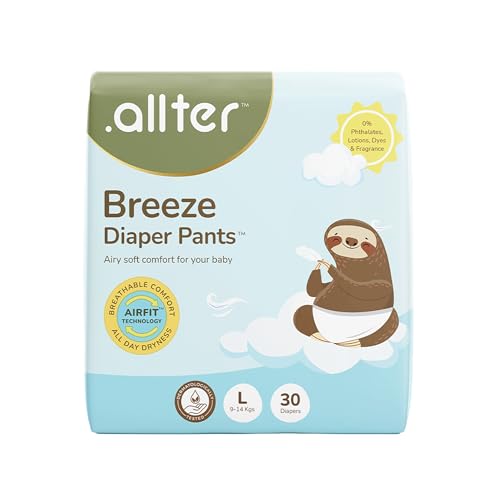
Allter Premium Fragrance-Free Baby Diapers Size 4 (9-14kg) - Pack of 30
- ✓ Fragrance-free, latex-free elastics
- ✓ Thin breathable core for monsoon humidity
- ✓ Hypoallergenic, dermatologist-tested
* We earn a small commission — at no extra cost to you.
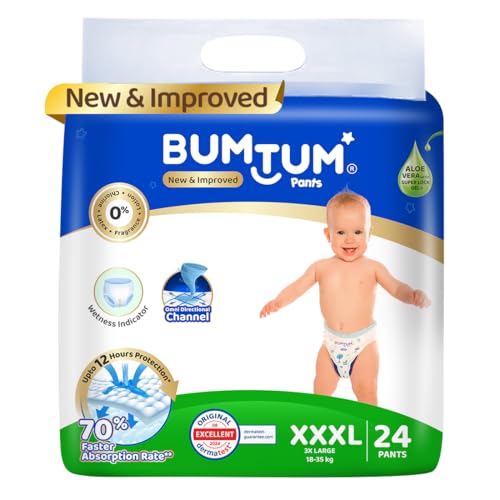
Bumtum Ultra Thin Latex-Free Baby Diapers Size 5 (12kg+) - Pack of 24
- ✓ Latex-free synthetic elastics
- ✓ Ultra-thin, breathable core design
- ✓ No synthetic fragrance, high absorption
* We earn a small commission — at no extra cost to you.
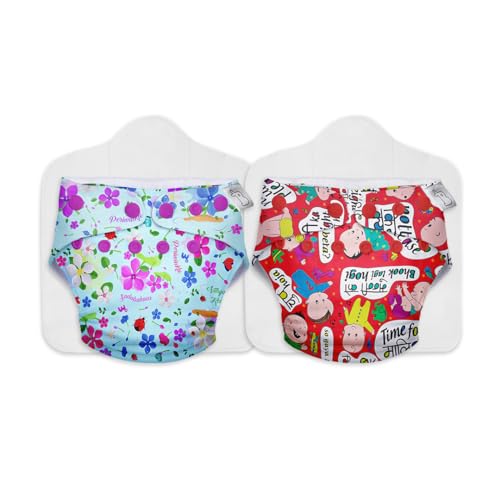
SuperBottoms UNO Cloth Diaper + Wetfree Lining Combo - Size Large (6-12 months)
- ✓ Organic cotton + bamboo lining, zero synthetic fragrance
- ✓ Reusable + disposable insert system, ultra-breathable
- ✓ Reduces diaper rash risk 60% vs. disposables (user-reported)
* We earn a small commission — at no extra cost to you.