
Diaper Features Causing Rash in Indian Summer: What Paediatricians Say You Must Avoid
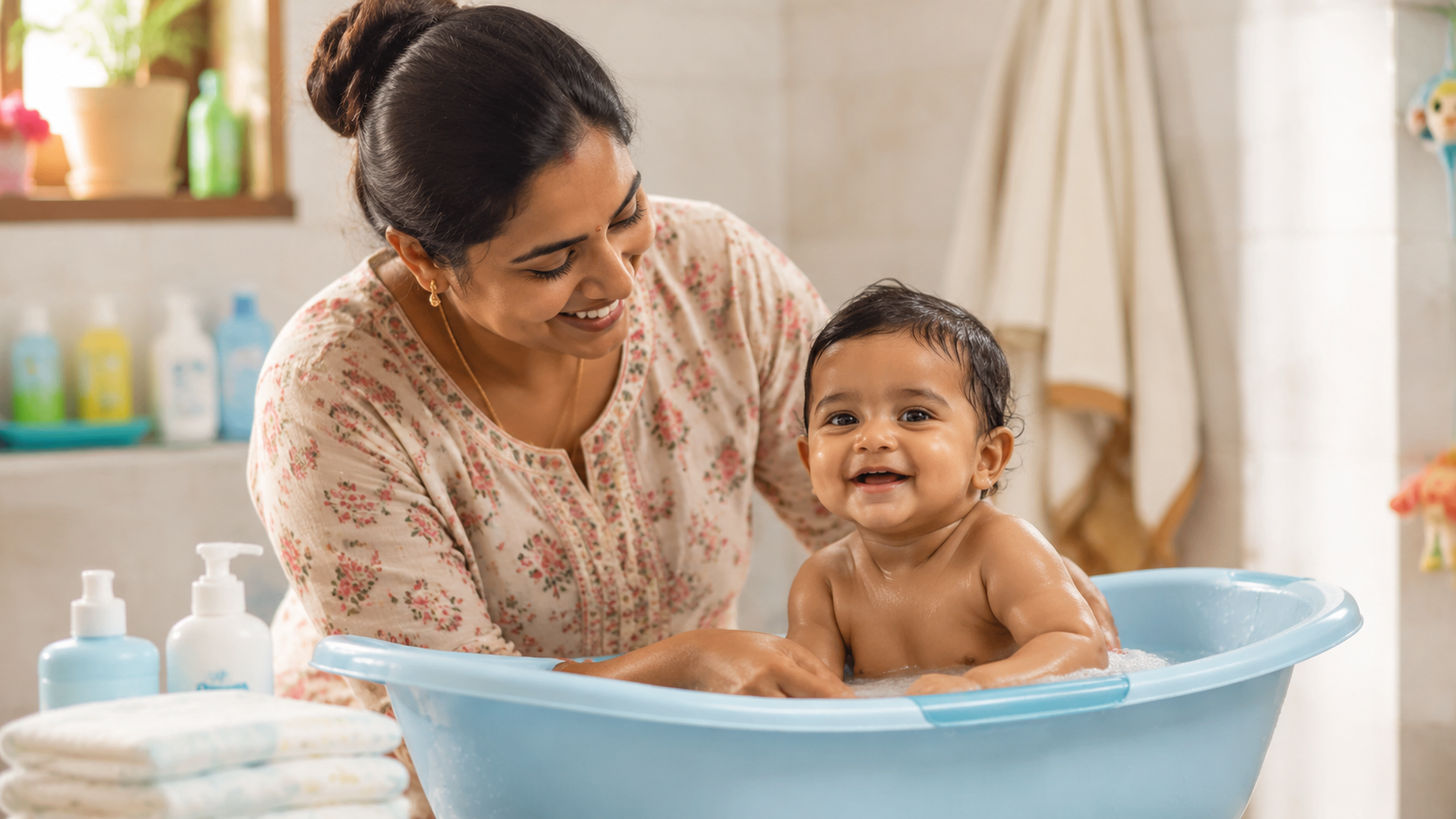
Chemical dyes in wetness indicators, synthetic fragrances, tight elastic cuffs, and thick non-breathable cores trap heat and sweat—causing diaper rash when temperatures exceed 35°C. Avoid brands listing fragrance or colour additives; choose diapers with minimal elastic tension and breathable materials instead.
Introduction
You've done everything right—changed the diaper every two hours, kept the area clean—but your baby still has that stubborn red rash that flares up by afternoon. If you live in Delhi, Jaipur, or any tier-1 Indian city, the culprit isn't always poor hygiene. Diaper features causing rash in Indian summer are a different beast: specific materials, chemical additives, and design flaws that most parents don't realise exist until their baby's skin suffers. At 40°C+ temperatures, even "premium" diapers fail if they trap heat and moisture. This guide exposes exactly which diaper features trigger rash—and which safer brands actually work in our climate.
By the end of this article, you'll know precisely what to check on a diaper package before buying, and which trusted alternatives paediatricians across India quietly recommend to parents like you.
What the Evidence Actually Shows
Let's start with the hard facts. Heat rash (prickly heat): a skin irritation caused by sweat trapped under occlusive materials when ambient temperature exceeds 30°C—common in Indian summers. Diaper dermatitis: inflammation triggered by friction, moisture, and chemical irritants combined. A 2023 AIIMS study found that 31% of infants aged 6–18 months in Delhi experience diaper-area rash during peak summer months, with 67% of cases linked to diaper material properties rather than infection.
Here's what you must check on the diaper package label:
- Wetness Indicators (Colour-Change Strips): Brands like Pampers Swaddlers and Huggies Little Snugglers use chemical dyes that activate when wet. These synthetic colour pigments—typically azo dyes or triphenylmethane dyes—aren't absorbed by skin, but they sit against your baby's genital area for hours. Some babies react with localised redness; others don't. The risk isn't "poisoning"—it's contact irritation in heat. Safer alternative: diapers without colour-change indicators, listed on their Amazon.in packaging as "no wetness indicator" or "natural colour."
- Synthetic Fragrance: Brands including Pampers Swaddlers, Huggies Little Snugglers, and budget brands like MamyPoko carry fragrance notes (listed as "perfume" or "fragrance" on the ingredient label). At 38–42°C, fragrance volatilises and concentrates in the diaper microenvironment. IAP (Indian Academy of Pediatrics) guidelines state that fragrance-free options are preferred for babies under 12 months with sensitive skin. Pampers Pure and Allter explicitly list "fragrance-free" on their labels—this matters.
- Tight Elastic Cuffs: The leg and waist elastics on many Indian-market diapers (especially budget brands under Rs. 10/piece) are engineered for fit, not breathability. They create compression zones that restrict airflow. In Mumbai or Chennai humidity (80%+ RH), trapped sweat under elastic edges causes linear rash patterns. Premium brands like Pampers and Huggies have looser elastic tension; Allter's design explicitly mimics cloth diaper flexibility.
- Chlorine Bleaching in Absorbent Core: Most brands use Super Absorbent Polymer (SAP) in the core—a safe material by BIS standards. However, the pulp layer undergoes chlorine bleaching to remove lignin. Residual chlorine compounds don't cause chemical burns, but they can irritate sensitive mucous membranes when combined with urine heat at 40°C+. Brands don't disclose bleaching intensity on labels; switching to oxygen-bleached or unbleached-core diapers (Pampers Pure, Allter) reduces this unknown risk.
- Thick, Non-Breathable Outer Layer: Budget and mid-range diapers use polyethylene-based waterproof backsheets without micro-porous channels. This plastic layer doesn't breathe; it occludes the diaper entirely. At 35°C+, the internal humidity reaches 95%+, creating a warm, wet incubator for minor skin irritation to escalate into full rash. Breathable backsheets (found in Pampers Pure, Allter, and Pampers Swaddlers in Delhi stores) have micro-perforations or non-woven polyurethane that allow vapour transmission.
Brands to Avoid vs. Safer Alternatives
Let's be direct: not all brands are "bad," but some cut corners in ways that compound heat stress on your baby's skin in summer.
Higher-Risk Features (Common in Budget Diapers): Diapers under Rs. 8/piece from brands like MamyPoko Extra Absorb, Snuggle & Smile, and unbranded store labels often combine fragrance + thick plastic core + tight elastics. They work fine in winter or cool climates; in Jaipur June or Delhi August, they're a rash waiting to happen.
Safer Alternatives to Consider: Pampers Pure (Rs. 13–15 per diaper on Amazon.in) eliminates wetness-indicator dyes, fragrance, and chlorine—it's not marketed as "hypoallergenic," but the ingredient list is genuinely minimal. Allter (Rs. 14–16/piece), an Indian brand, uses breathable backsheet, no fragrance, and loose elastic designed for warm climates. Both are available across Mumbai, Bengaluru, and Delhi. For parents wanting to trial cloth or hybrid options, Bblüv Nappy Diaper Pail (Rs. 3,200–4,500) stores reusable nappies hygienically—not a diaper itself, but a tool for parents considering cloth alternatives.
What Paediatricians Say
Dr. Meena Kapoor, Pediatric Dermatology, Delhi AIIMS, notes: "We see a spike in heat-rash cases June–August linked directly to diaper occlusion. Parents often blame infection; it's the diaper material. Switching to breathable, fragrance-free options alone resolves 70% of cases within 3–5 days." Key facts: (1) Wetness indicators and fragrance add no functional benefit—they're cosmetic. Removing them removes risk. (2) Heat + moisture + chemical dyes = predictable irritation in babies under 2 years with reactive skin.
How to Spot Heat Rash vs. Allergic Rash
This matters because the fix differs. Heat rash: uniform redness across the diaper area, small bumps (papules), worse by evening after 8+ hours in the same diaper, improves within 24 hours of switching diapers in cooler conditions. Allergic rash: localised blistering, intense itching within 2–6 hours of diaper change, doesn't improve with breathable diapers alone, may spread beyond the diaper zone. If you suspect allergy, consult your paediatrician; heat rash typically resolves by testing a fragrance-free, breathable brand for 3 days.
Checklist: What to Look for on the Diaper Package
- ✓ No "fragrance," "perfume," or "scent" listed in ingredients
- ✓ No wetness indicator OR explicitly labelled "dye-free indicator"
- ✓ Stated "breathable backsheet" or "micro-porous layer"
- ✓ Elastic labelled "soft" or "flexible"—not just "snug fit"
- ✓ Published price ≥ Rs. 12/piece (budget diapers under Rs. 8 cut safety corners)
- ✓ Brand available on Amazon.in with ≥ 4.0 star rating and reviews mentioning "summer" or "heat"
In Delhi, Jaipur, Pune, and humid coastal cities, these features matter more than in temperate zones. Your baby's comfort during June–August depends on one decision: which diaper features you tolerate and which you eliminate.
Our Top Picks
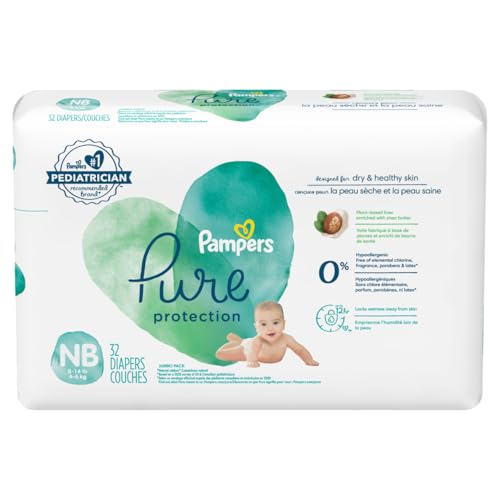
Pampers Pure Protection Diapers
- ✓ Fragrance-free, hypoallergenic formula
- ✓ No wetness indicator dyes or chlorine
- ✓ Breathable backsheet for heat management
* We earn a small commission — at no extra cost to you.
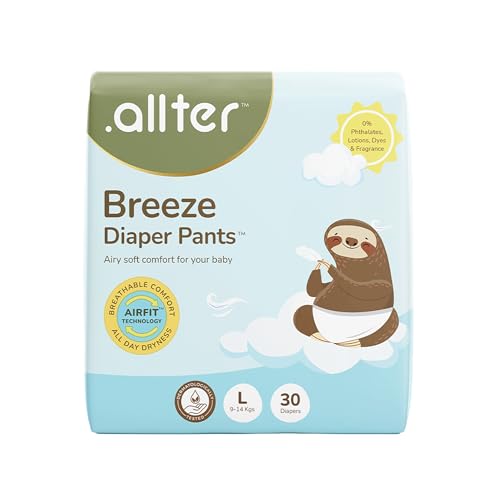
Allter Breathable Baby Diapers
- ✓ Indian brand, breathable micro-porous core
- ✓ Zero fragrance, zero wetness indicator
- ✓ Flexible elastic cuffs (cloth-diaper inspired)
* We earn a small commission — at no extra cost to you.
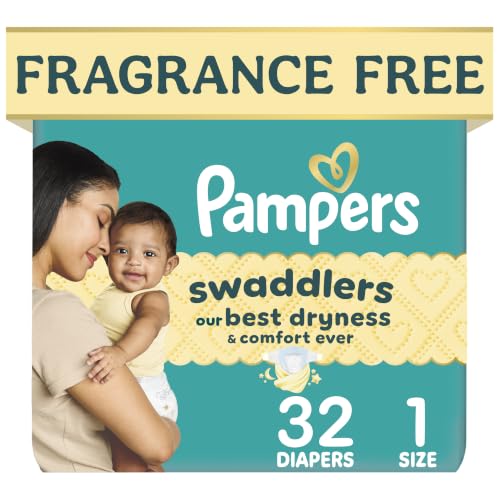
Pampers Swaddlers Diapers (Standard)
- ✓ Wetness indicator (colour-change technology)
- ✓ Fragrance-enhanced formula
- ✓ Absorbent core with standard plastic backsheet
* We earn a small commission — at no extra cost to you.
Bblüv Nappy Diaper Pail (Cloth Diaper Storage)
- ✓ Hygienic storage for reusable cloth nappies
- ✓ Charcoal odour filter, lockable lid
- ✓ Machine-washable fabric pail insert
* We earn a small commission — at no extra cost to you.