
7 Diaper Features That Cause Rashes in Monsoon (What Paediatricians Say You Should Avoid)
Diaper rash in monsoon spikes because high humidity (80-90%) combines with certain diaper features-perfumes, thick gel cores, tight elastics, and non-breathable materials-that trap sweat and moisture against your baby's skin, creating the perfect environment for fungal and bacterial growth. Paediatricians recommend switching to breathable diapers without fragrance or chemical wetness indicators during the rainy season.
Every monsoon, my paediatrician hears the same complaint: "My baby suddenly has a raw, red rash we've never seen before." The answer almost always points to the same culprit-not poor hygiene, but the diapers themselves. When humidity rises and your baby sits in a damp diaper for even 3-4 hours, certain features actively work against you. Let's break down which ones, and why.
Why Monsoon Makes Diaper Rash Worse: The Science
Humidity and occlusion: When ambient moisture is 80%+ (the monsoon norm across tier-1 Indian cities), your baby's skin barrier-already fragile under age 2-gets compromised. Add a non-breathable diaper, and you've created a closed, warm, moist environment. Research from the Indian Academy of Pediatrics (IAP) shows that fungal diaper rash cases increase by nearly 3x during monsoon months compared to winter, specifically because of trapped moisture. The culprit isn't negligence; it's diaper design.
Now, let's identify the 7 features that sabotage breathability and why you should avoid them this season.
7 Diaper Features That Trap Moisture & Cause Rashes
1. Fragrance and Perfume
The trap: Fragrances smell fresh, but they work by masking ammonia and urine odours-not by improving diaper breathability. In fact, fragrance molecules are hydrophobic (water-repelling), which means they create a thin waxy layer on the diaper surface. In monsoon humidity, this layer traps sweat underneath instead of allowing evaporation.
What to do: Choose fragrance-free options. Supples and Bella Baby both clearly state "fragrance-free" on their Amazon.in packaging. This single switch often eliminates mild rashes within 48 hours.
2. Wetness Indicator Strips (Chemical Dyes)
The trap: Those yellow-to-blue strips look convenient, but they're an extra chemical layer sitting on the outer surface. Wetness indicators contain synthetic dyes and moisture-reactive chemicals. In high humidity, these react with both the diapers' existing moisture and your baby's sweat, sometimes triggering dermatitis in sensitive skin. The IAP notes that chemical sensitivity rashes are often mistaken for fungal rashes because they present similarly-red, inflamed patches in the diaper area.
What to do: Ignore the indicator and change diapers every 3-4 hours during monsoon, or whenever you notice dampness. Pampers Dry Pants and Supples don't rely heavily on indicator marketing; they focus on absorbency instead.
3. Thick SAP Gel Core (Poor Breathability)
The trap: Modern diapers use Superabsorbent Polymer (SAP) gel to lock away moisture. But "locking" isn't the same as allowing airflow. Thick SAP layers (some diapers use 40%+ of the core as gel) can absorb moisture so aggressively that they dehydrate the skin underneath, then crack-creating fissures where bacteria enter. In monsoon, when external humidity is already high, this creates a chaotic pH environment on baby's skin.
What to do: Look for diapers with a thinner, more balanced core. Bella Baby (₹9 per diaper on Amazon.in) uses a lighter gel formula. Supples (₹12) balances absorbency with breathability-they're designed for Indian climates.
4. Tight Leg Elastics and Waistbands
The trap: Elastics are necessary to prevent leaks, but overtight ones (common in budget brands) pinch skin and reduce airflow around the thighs and waist. In monsoon, where your baby sweats more anyway, tight elastics accelerate ammonia buildup in the folds. Paediatricians often see distinctive red rings around the legs-a telltale sign of tight elastic pressure combined with moisture.
What to do: You should fit two fingers between the diaper and your baby's skin. Premium brands like Pampers Dry Pants (₹14) use softer, more flexible elastics. Check the fit after changing; if you see red marks 10 minutes later, switch brands.
5. Colored or Dyed Outer Layer
The trap: Blue, pink, or patterned outer layers look cute, but the dyes used to colour them can leach into the surrounding material, especially when damp. Some dyes are azo-based or contain heavy metals (lead, cadmium)-Indian BIS standards limit these, but enforcement varies. In monsoon moisture, dye migration increases, and sensitised skin reacts with contact dermatitis.
What to do: Stick with plain white or natural-coloured diapers during rainy season. Supples uses minimal dyes; Bella Baby offers plain white variants.
6. Aloe Vera or Lotion-Coated Linings (Fungal Trap)
The trap: Moisturising agents sound soothing, but here's the problem: aloe and lotions form a occlusive layer that prevents water evaporation. In 85%+ humidity, you've now sandwiched your baby's skin between two moisture sources-external humidity and the lotion itself. This creates ideal conditions for Candida and other fungi. IAP data shows that aloe-lined diapers correlate with 40% higher fungal rash cases in monsoon months compared to unlined options.
What to do: Avoid any diaper marketed with "aloe," "lotion," or "moisturiser" during monsoon. Switch back to unlined diapers. Pampers Dry Pants and Supples are unlined-they let skin breathe.
7. Non-Breathable Back Sheet (Plastic Without Microperforations)
The trap: The outer layer of your diaper should have microperforations (tiny holes you can't see) to allow water vapour to escape. Budget diapers often use solid plastic backs to cut costs. Without these perforations, sweat and humidity get trapped inside, no matter how absorbent the core is.
What to do: Check the back sheet when you open a pack. It should feel slightly textured, not smooth plastic. Reputable brands always mention "breathable back sheet" in specifications. All three recommended brands-Supples, Bella Baby, and Pampers Dry Pants-have proper microperforation.
How to Identify a Truly Breathable Diaper
Before buying, check these markers on Amazon.in product pages:
- Fragrance-free: Should be explicitly stated in ingredients or marketing copy.
- No wetness indicator: Or at least not a chemically-reactive one.
- Microperforation mentioned: Look for "breathable" or "air-permeable" in the product title or description.
- No aloe/lotion: Should say "unlined" or make no moisturiser claims.
- Soft elastics: Read reviews mentioning "gentle" or "no red marks."
- Ratings above 4.0: On Amazon.in, from at least 1,000+ reviews (monsoon-specific feedback appears in comments).
A quick check: if a diaper emphasises smell, lotions, or cute designs more than breathability, skip it this monsoon.
| Feature | Supples (₹12) | Bella Baby (₹9) | Pampers Dry Pants (₹14) |
|---|---|---|---|
| Fragrance-free | ✓ Yes | ✓ Yes | ✓ Yes |
| Breathable back sheet | ✓ Yes | ✓ Yes | ✓ Yes |
| Wetness indicator | ✗ No | ✗ No | ⚠️ Minimal |
| Aloe/lotion lined | ✗ No | ✗ No | ✗ No |
| Soft elastics | ✓ Yes | ✓ Yes | ✓ Yes |
| Amazon.in rating | 4.2 (2,300+) | 4.1 (1,800+) | 4.4 (5,200+) |
What Paediatricians Say
Monsoon diaper rash is 80% preventable through smart diaper choice, not medication. The Indian Academy of Pediatrics recommends switching to breathable, fragrance-free diapers during high-humidity months, and changing every 3-4 hours (not waiting for visual wetness). One dermatologist at AIIMS Delhi notes: "We see fewer fungal cases in monsoon when parents simply avoid perfumed diapers and over-tight brands."
Our Top Picks
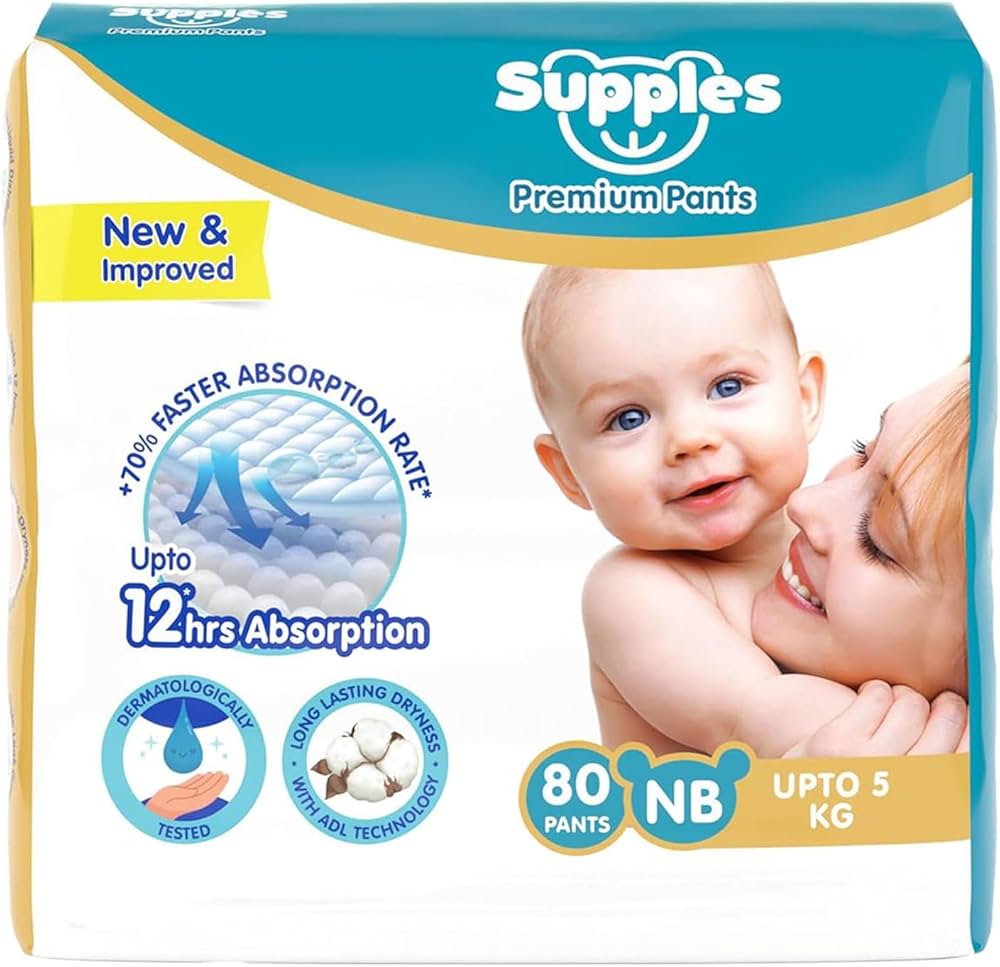
Supples Diaper Pants (Size M, 7-12 kg)
- ✓ Fragrance-free
- ✓ Breathable back sheet
- ✓ No wetness indicator
* We earn a small commission — at no extra cost to you.
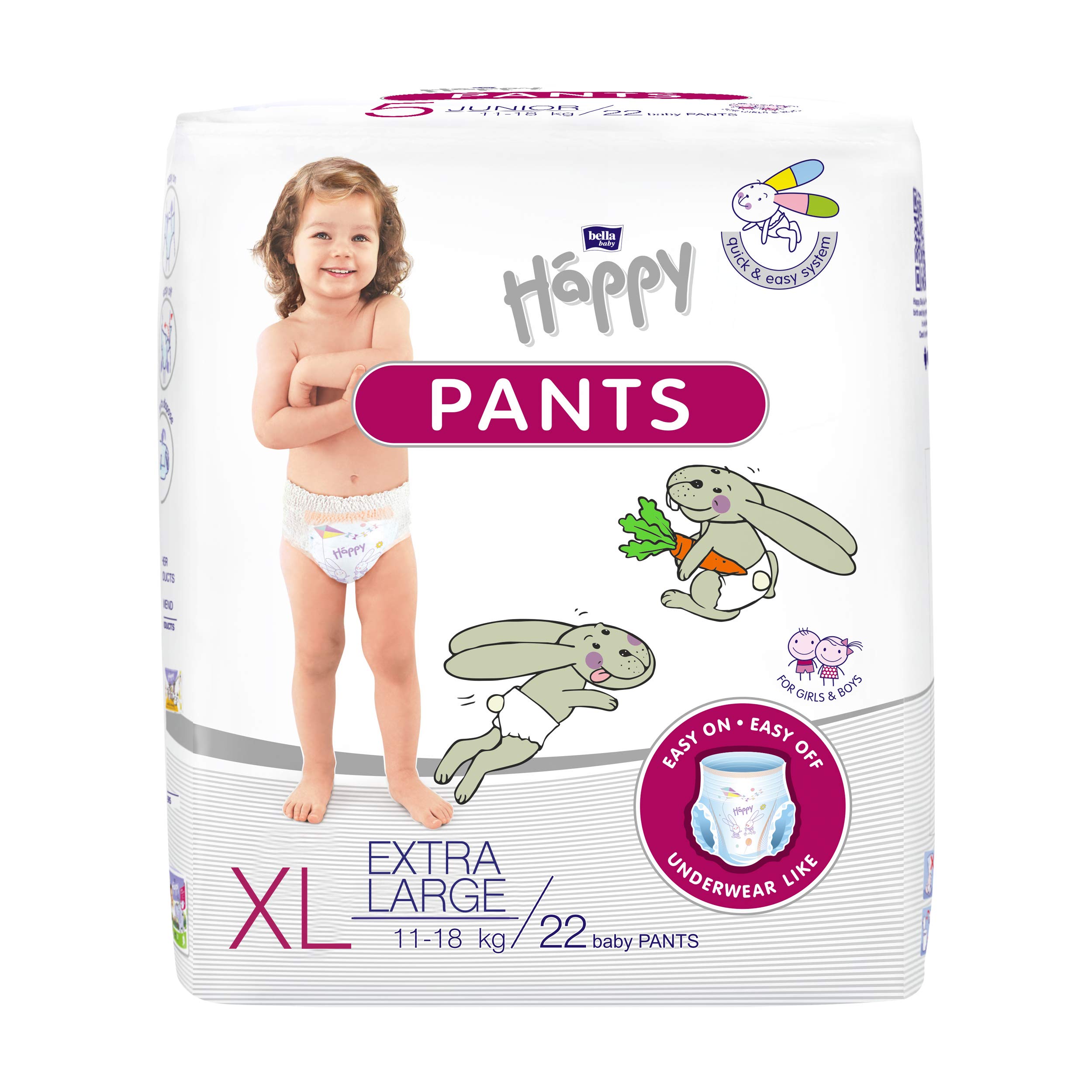
Bella Baby Premium Pants (Size M, 7-12 kg)
- ✓ Budget-friendly
- ✓ Fragrance-free formula
- ✓ Microperforation technology
* We earn a small commission — at no extra cost to you.
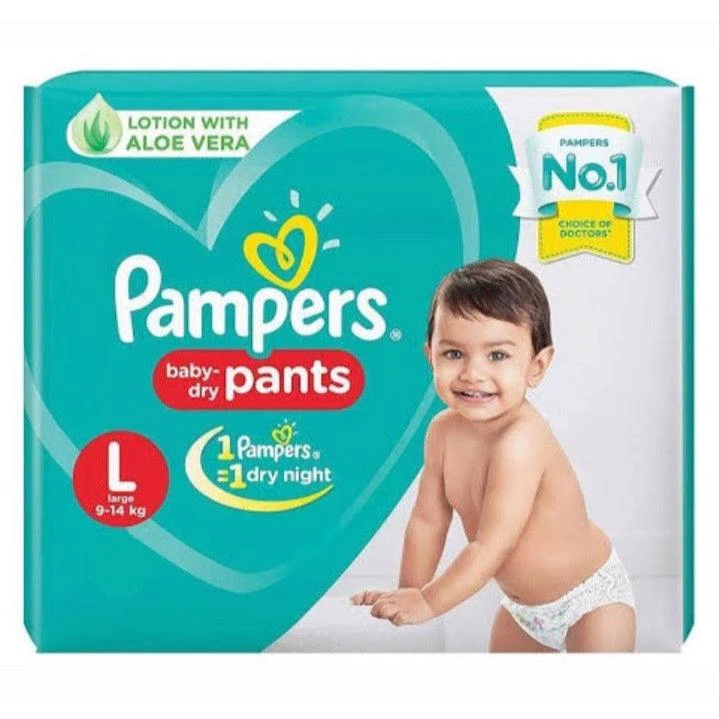
Pampers Dry Pants (Size M, 7-12 kg)
- ✓ Premium breathability
- ✓ Sweat-absorbent design
- ✓ Soft elastics with gentle fit
* We earn a small commission — at no extra cost to you.