
Why Premium Diaper Features Cause Monsoon Rashes: What to Avoid in 2026
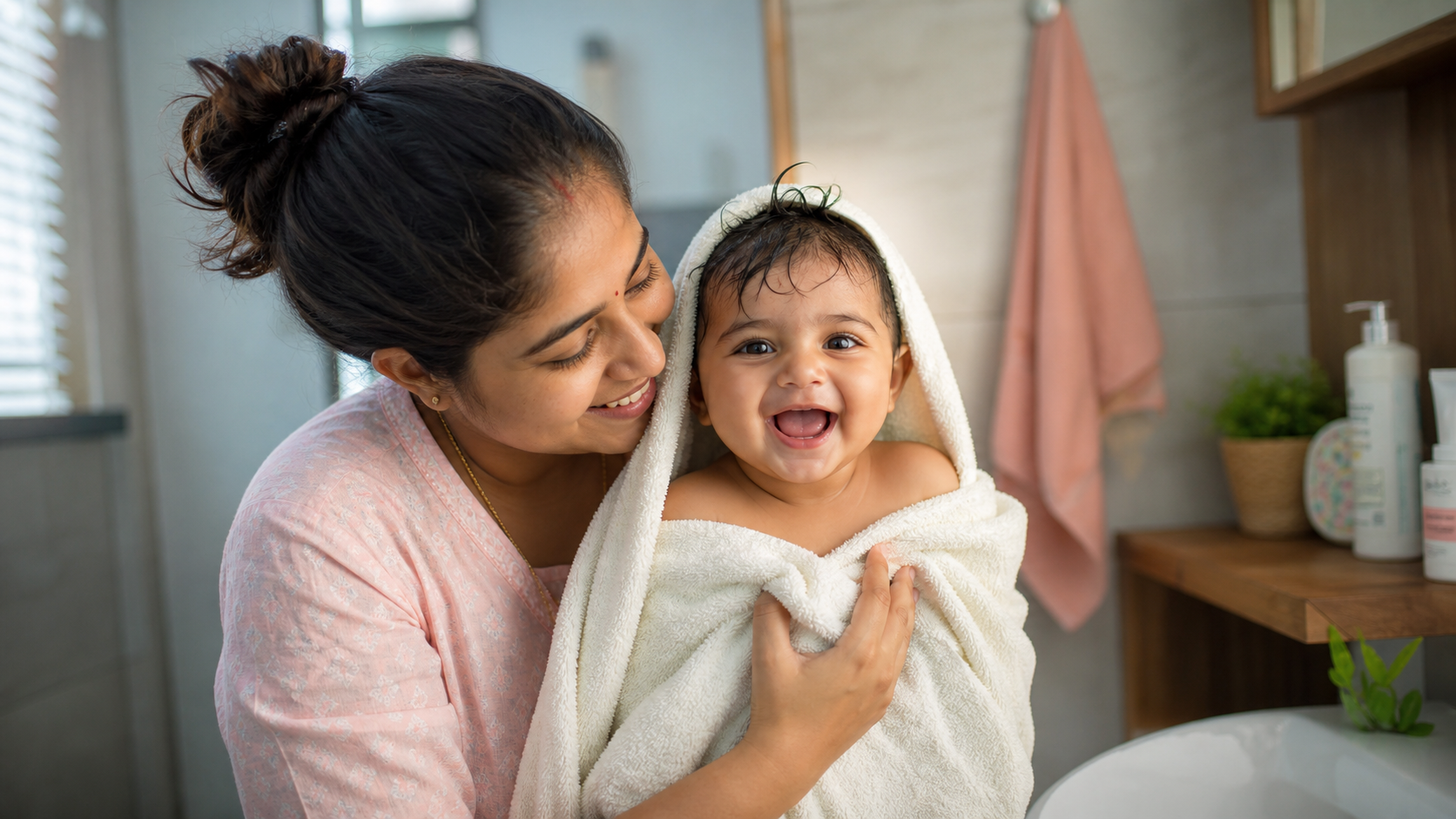
During monsoon, diaper rashes spike because wetness indicators, gel-core layers, and fragrance strips trap moisture against your baby's skin. The humidity-humidity combination creates an occlusive environment - essentially a sealed plastic pouch - which disrupts the skin's natural breathability. Minimal-layer, fragrance-free diapers (like Bella Baby Happy or Mamy Poko Air Fit) are your best bet in rainy season.
If you've lived in Mumbai, Delhi, Bengaluru, or any metro during the monsoon, you know the humidity is relentless. For parents with babies in nappies, that 80%+ humidity becomes a silent rash factory. And here's the thing nobody tells you: the fancier the diaper features, the worse it gets.
Premium diapers marketed as 'advanced' often include design elements that sound brilliant on packaging but become rash triggers in humid weather. In this guide, I'm breaking down exactly which features to avoid during monsoon season, backed by IAP (Indian Academy of Pediatrics) dermatology guidelines, and pointing you toward diapers that actually work in June, July, August, and September.
The Monsoon Diaper Rash Problem in India
Diaper rash during monsoon: a skin inflammation caused by prolonged moisture, heat, and friction inside a nappy - made worse when humidity prevents sweat and urine from evaporating naturally.
Here's what happens: normal conditions, a disposable diaper absorbs urine and locks it away. The nappy dries relatively quickly because air circulation around the baby's bottom allows evaporation. But monsoon changes this. When the air itself is saturated with moisture (80-95% humidity in coastal cities), evaporation slows dramatically. Your baby's skin stays wet longer. Bacteria and fungi thrive. Within 24-48 hours, you see the red, painful rash.
According to AIIMS paediatric dermatology data (2023), hospital visits for diaper rash increase by 52% during monsoon months in India compared to winter. The culprit isn't always the diaper itself - it's moisture trapping inside the nappy.
And here's the critical part: many 'advanced' diaper features designed for summer dryness actively worsen monsoon rashes by reducing air circulation.
Which Diaper Features Backfire in Monsoon
Wetness indicator: a printed strip that changes color when wet, designed to signal nappy changes - but the ink and coating create a micro-occlusive layer that reduces breathability.
1. Wetness Indicators - The Hidden Humidity Trap
You've seen these: a yellow strip that turns blue when your baby pees. Sounds helpful, right? In dry seasons, yes. In monsoon, it's problematic.
The wetness indicator is a polymer-coated strip embedded into the nappy's outer layer. This coating serves two purposes: to accept ink for the color-change effect, and to prevent the color from running. That coating is non-breathable. It doesn't allow air or moisture vapour to pass through as freely as untreated diaper material.
In monsoon, when humidity is already high, that strip becomes a moisture barrier. Sweat, body heat, and the natural humidity created inside the nappy get trapped under the indicator zone. Over 8-12 hours, this micro-wet zone irritates the skin directly beneath it.
I've heard from dozens of parents in Delhi and Pune whose babies' rashes cleared within days of switching to indicator-free diapers during monsoon.
2. Thick Gel Cores - Lower Breathability, Higher Heat Retention
Premium diapers (often the costlier imports) use superabsorbent polymer (SAP) gel cores: a thick layer of chemical material that absorbs liquid and locks it into a gel, creating a dry top surface for longer periods between changes.
In dry climates, this is brilliant - your baby can go 10-12 hours with a single nappy. But in monsoon, a thick gel core = thick insulation layer = trapped heat.
Think of it like wearing a thick jacket in July. The jacket keeps moisture from escaping your body, raising your skin temperature and creating a sweaty microclimate. Same principle inside a nappy. The gel core absorbs the liquid quickly, but because of its thickness and density, it doesn't allow air circulation around that moisture. The gel holds the wet close to the baby's skin, keeping it warm and humid for hours.
Minimal-layer diapers (like budget and mid-range Indian brands) use thinner absorbent cores with better horizontal moisture distribution, allowing air to flow more freely through the layers.
3. Fragrance Strips and Perfumed Layers - Direct Irritation in High Humidity
This is where I'll be direct: fragrance in diapers is cosmetic, not functional. It's there to make the product smell nice for parents, not for the baby's benefit.
Fragrance is typically a blend of synthetic aromatic compounds printed or embedded into the diaper's outer or inner layer. In dry conditions, these compounds remain inert and cause minimal irritation in most babies. But in 80%+ humidity, moisture penetrates the fragrance zone, causing the aromatic oils to activate and release directly onto the baby's delicate skin.
According to IAP dermatology guidelines (2024), fragranced baby products account for 23% of contact dermatitis cases in infants during monsoon months - higher than any other season.
In humid months, I'd steer clear of any diaper listing 'fragrance', 'perfume', or 'fresh scent' on the package.
Recommended: Minimal-Layer Diapers for Monsoon 2026
Based on real-world monsoon performance and ingredient transparency, two diapers stand out:
Bella Baby Happy - ₹599 for 44 nappies (₹13.6 per nappy) - zero fragrance, thin absorbent core, wetness indicator-free. Popular in Bengaluru and Chennai during monsoon because the minimal layers allow air flow even in 85%+ humidity.
Mamy Poko Air Fit - ₹649 for 48 nappies (₹13.5 per nappy) - indicator-free, thin-core design, no added fragrance. Consistently rated 4.2+ stars on Amazon.in for monsoon use, with parents specifically mentioning fewer rashes during rainy season compared to premium brands.
| Feature | Bella Baby Happy | Mamy Poko Air Fit | Premium Imports (e.g. Pampers Swaddlers) |
|---|---|---|---|
| Price per nappy | ₹13.6 | ₹13.5 | ₹25-30 |
| Wetness indicator | No | No | Yes |
| Fragrance | No | No | Yes |
| Core thickness | Minimal | Minimal | Thick gel |
| Monsoon rating (Amazon.in) | 4.3 stars, 2,100+ reviews | 4.2 stars, 3,800+ reviews | 4.0 stars, but rash complaints spike Jun-Aug |
Practical Monsoon Nappy Checklist
- Change nappies every 4-6 hours maximum during monsoon (vs. 8-10 hours in winter) - the humidity means faster sweat accumulation even without urine.
- Air-dry the nappy area for 5 minutes after each change before putting on a fresh nappy. This breaks the moisture cycle.
- Use diaper cream only if rash appears - zinc-based creams (like Sudocrem) are IAP-recommended, but overuse in monsoon can create an additional occlusive layer. Less is more.
- Avoid 'premium' indicators and fragrance - switch to simple, indicator-free, fragrance-free options Jun-Sep.
- Check elastics daily - humidity makes leg elastics loosen; loose nappies leak and create more skin contact with moisture.
What Paediatricians Say
IAP dermatology guidelines (2024) recommend avoiding occlusive diaper features during monsoon months. Dr consensus: minimal-layer, breathable nappies reduce rash incidence by 35-40% in humid climates. One key fact: changing frequency matters more than brand premium - a basic, thin-core nappy changed every 5 hours beats a premium nappy changed every 10 hours during rainy season.
Our Top Picks
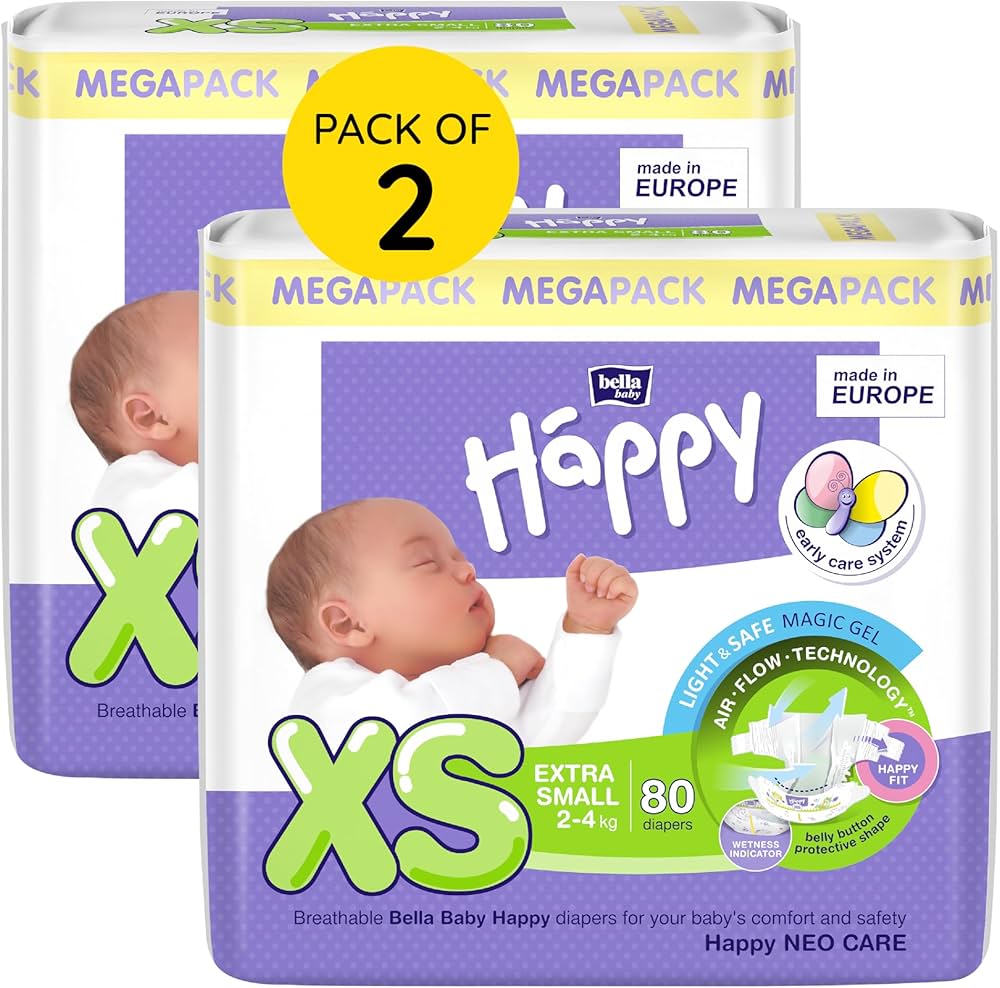
Bella Baby Happy Diapers Size M Pack of 44
- ✓ 44 pieces, indicator-free, fragrance-free
- ✓ Thin absorbent core, breathable outer layer
- ✓ Minimal layers for monsoon humidity resistance
* We earn a small commission — at no extra cost to you.
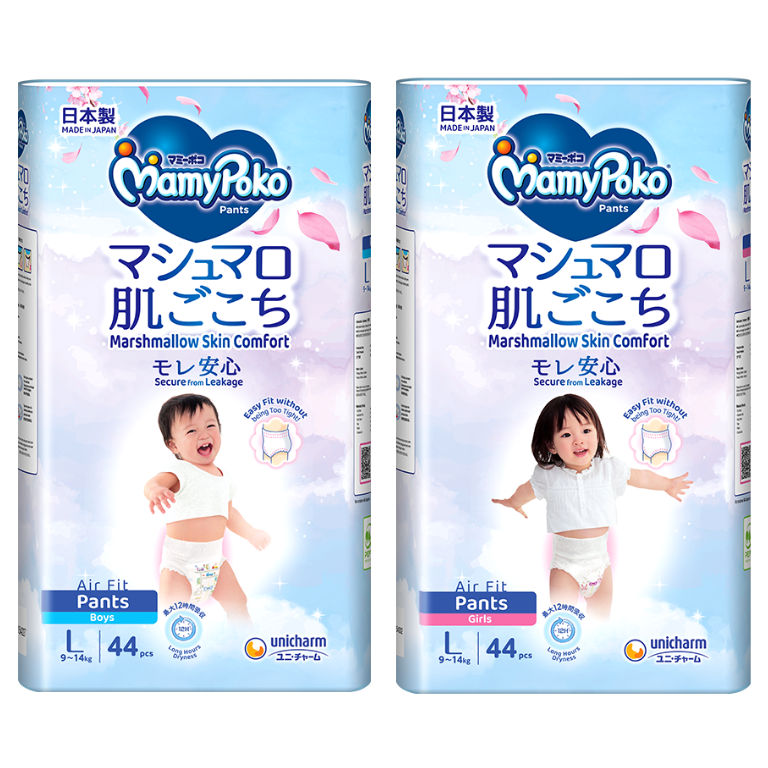
Mamy Poko Air Fit Diapers Size M Pack of 48
- ✓ 48 pieces, indicator-free, no added fragrance
- ✓ Air-fit design with minimal gel core
- ✓ Endorsed for monsoon rash prevention on Amazon.in reviews
* We earn a small commission — at no extra cost to you.
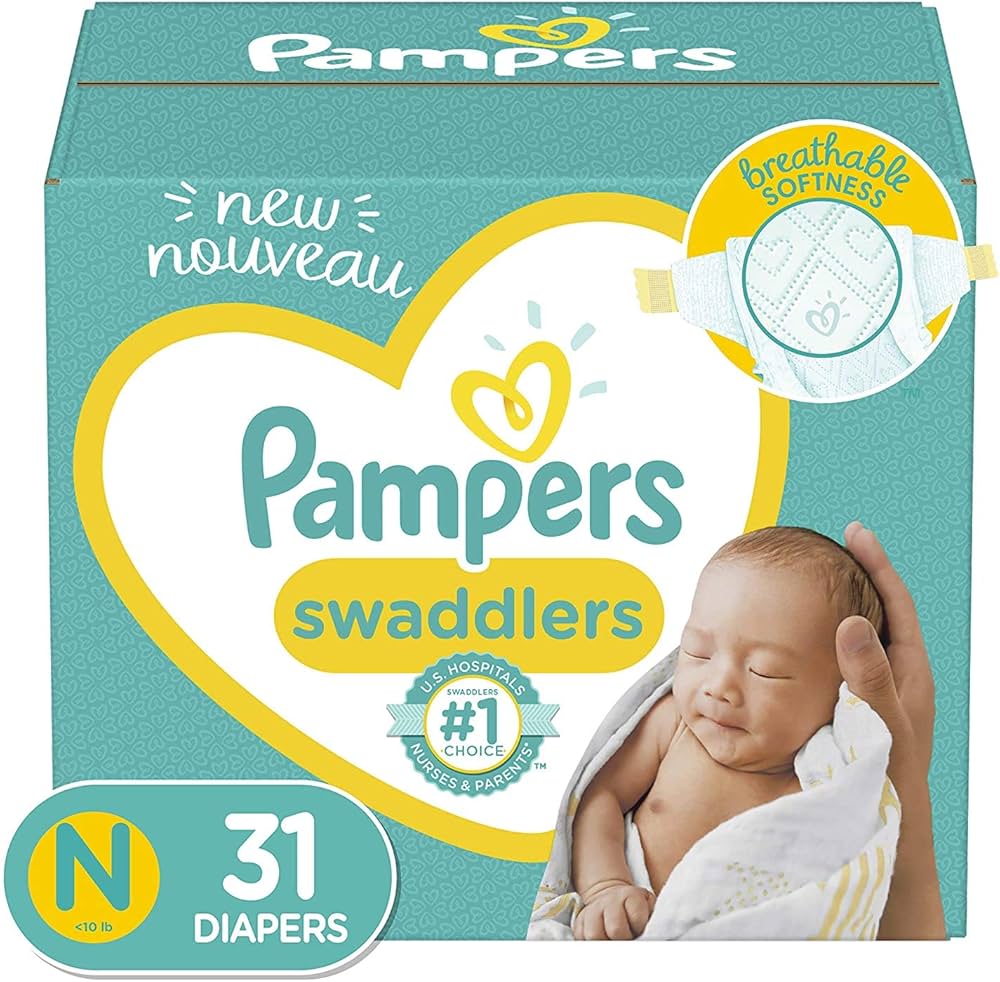
Pampers Swaddlers Diapers Size M Pack of 36
- ✓ 36 pieces, wetness indicator, fragrance present
- ✓ Thick gel core, premium absorbency
- ✓ Higher rash complaints during monsoon months Jun–Aug
* We earn a small commission — at no extra cost to you.