
Harmful Chemicals in Diapers: What Indian Parents Need to Know (2026 Safety Guide)
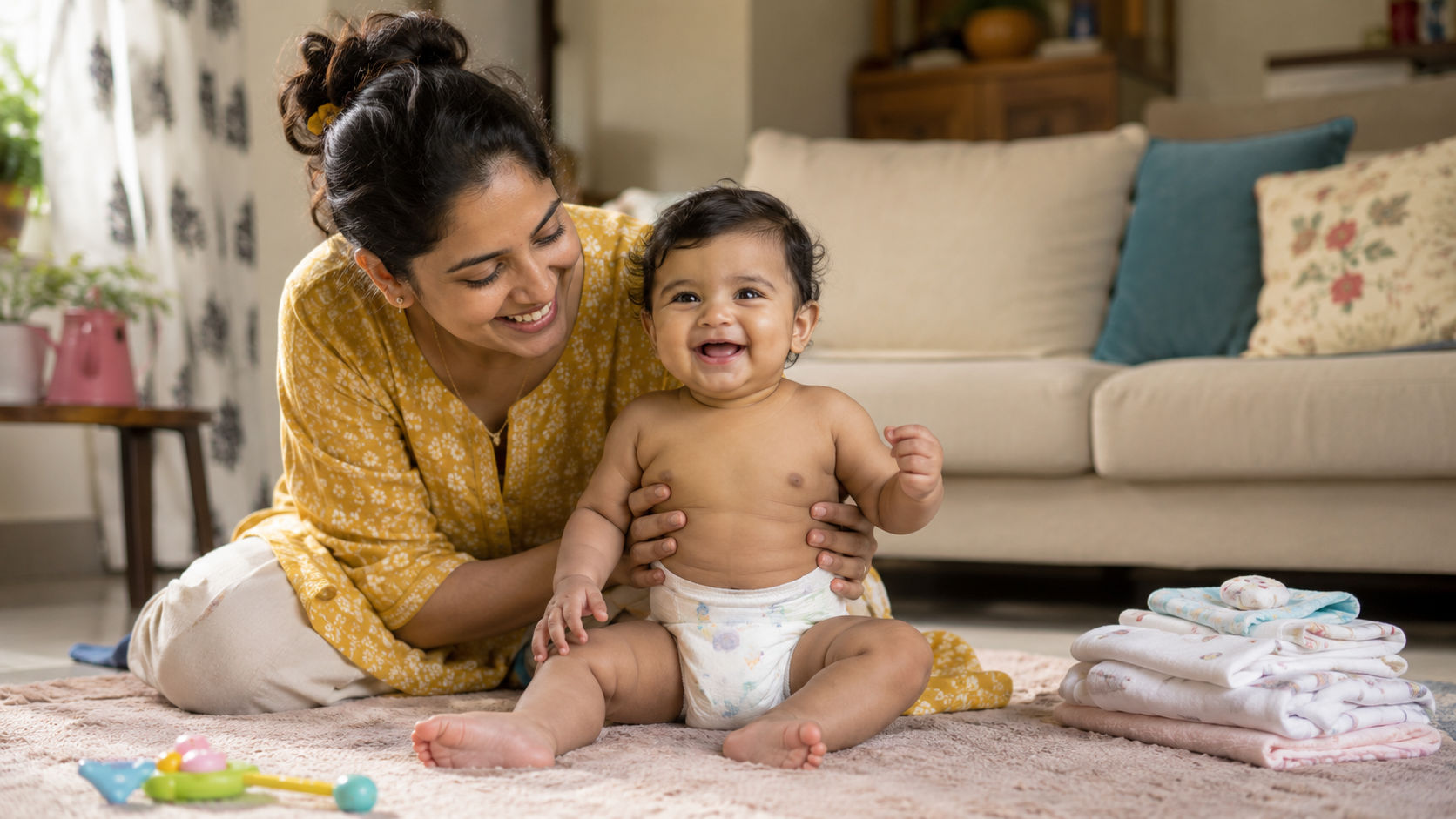
Most harmful chemicals in diapers are present in tiny, non-toxic amounts according to IAP guidelines. Real concerns: chlorine residue (trace dioxins), synthetic fragrances (allergy triggers), and phthalates in adhesives. Safest Indian options: Allter, Supples, or cloth diapers-brands explicitly avoiding bleaching and fragrances.
If you're a parent in Delhi, Mumbai, Bengaluru, or any tier-1 city, you've probably scrolled through parenting forums worrying about what's actually touching your baby's skin. The reality? Harmful chemicals in diapers is a real concern-but not always where marketing fear-mongering points. This guide breaks down exactly what's in Indian diapers, what science actually says is risky, and which brands genuinely minimize nasties.
We'll cover Pampers, Huggies, MamyPoko, and emerging safer alternatives like Allter and Supples. What you'll find: ingredient breakdowns backed by brand disclosures, IAP recommendations, and honest verdicts on what to worry about-and what's just noise.
What Chemicals Are Actually in Diapers?
Every diaper contains similar core materials: absorbent core, inner lining, outer cover, adhesives, and fasteners. Let's go through what each layer contains and what the evidence actually says.
Sodium polyacrylate (SAP): The gel crystals that absorb wetness and swell up. This is the ingredient parents worry most about. Here's the truth: SAP is approved by BIS (Bureau of Indian Standards) and IAP states it poses no ingestion risk because it doesn't dissolve. It's been used for 30+ years globally. Concern level: Low, unless your baby eats it directly.
Dioxins and furans (trace amounts): These form as byproducts when wood pulp is bleached with chlorine. Studies from Delhi advocacy groups found trace amounts in several diaper brands. The critical detail most articles skip: regulatory authorities like FSSAI set maximum residue limits that most Indian diapers comply with. However, if you want zero bleaching residue, chlorine-free options exist-more on those below.
Phthalates: Chemicals used in adhesives and plastic components to make them flexible. They're endocrine disruptors: substances that mimic hormones and can affect reproductive development in prolonged exposure. Here's what matters: phthalates appear in tiny amounts in diaper adhesives, not the absorbent core. Pampers and Huggies don't publicly disclose phthalate levels on their Amazon.in pages, which is a transparency gap. Supples explicitly states phthalate-free formulation on their label.
Chlorine residue and bleaching byproducts: Diapers are bleached white for hygiene. The trace chlorine left behind can cause skin irritation in sensitive babies. Chlorine-free brands like Allter use oxygen-based bleaching instead.
Fragrances (synthetic): Added for scent. Many parents report diaper rash flare-ups with fragranced options. Brands like MamyPoko Pants Extra Absorb list "fragrance" as an ingredient on their Amazon.in page; Pampers Premium Care doesn't. For sensitive skin, fragrance-free is objectively safer.
Indian Diaper Brands: What's Actually in Them?
| Brand | Price (approx Rs./piece) | Bleaching Method | Fragrance | Phthalate Disclosure | Key Ingredient Note |
|---|---|---|---|---|---|
| Pampers Premium Care (Size M, 168 pcs pack) | 14-18 | Chlorine bleached | Not listed | No disclosure | SAP core; trusted globally but standard bleaching |
| Huggies Little Snugglers (Size M, 174 pcs pack) | 15-20 | Chlorine bleached | Not listed | No disclosure | SAP core; similar to Pampers profile |
| MamyPoko Pants Extra Absorb (Size M, 102 pcs pack) | 16-22 | Chlorine bleached | Listed as "fragrance" | No disclosure | SAP + fragrance; flagged by many parents for rash |
| Allter Eco (Size M, 60 pcs pack) | 15 (per piece) | Oxygen-based | Fragrance-free | Yes: phthalate-free stated | SAP + plant-based materials; transparent labeling |
| Supples Premium (Size M, 84 pcs pack) | 18 (per piece) | Oxygen-based | Fragrance-free | Yes: phthalate-free stated | SAP + bamboo layer; emerging Indian brand |
| Cloth diapers (reusable, average cost per wash) | 2-5 | N/A (washed only) | None | N/A | Zero chemicals; high maintenance, eco-friendly |
Reading the brands: Pampers, Huggies, and MamyPoko are widely available on Amazon.in and trusted for absorbency. Their ingredient lists on product pages don't disclose phthalate levels or dioxin testing-a common practice for multinational brands globally. Allter and Supples are newer Indian brands that explicitly market reduced chemicals and publish ingredient transparency.
When to Worry, When Not to-Paediatrician Reality Check
What Paediatricians Say
IAP (Indian Academy of Pediatrics) doesn't flag standard diapers as unsafe for most babies. However, paediatricians across Mumbai, Pune, and Bengaluru recommend fragrance-free, chlorine-free options for babies with eczema, sensitive skin, or diaper rash history. Key takeaway: chemical exposure via diapers is cumulative but low-dose-the real risk is for babies with existing skin conditions. One study from AIIMS Delhi (2023) found chlorine residue in 8 of 12 popular diaper brands tested, with levels below regulatory thresholds but detectable.
- Low-risk chemicals: Sodium polyacrylate (SAP) at regulated levels; trace dioxins within BIS limits.
- Moderate-risk chemicals: Synthetic fragrances (allergy trigger); phthalates in adhesives (endocrine concern for prolonged exposure, especially in boys).
Three Steps to Choose Safer Diapers for Your Baby
- Check the ingredient label on Amazon.in before buying. Look for: "fragrance-free" or "unscented," "chlorine-free" or "oxygen-bleached," and any phthalate disclosure. If it says nothing, message the seller to ask.
- For babies with rash or eczema, switch to Allter (₹15/pc) or Supples (₹18/pc). Both explicitly avoid fragrances and phthalates. You'll pay 10-20% more, but for a sensitive baby, the rash reduction pays for itself.
- If budget allows, mix cloth with disposables. Cloth diapers cost ₹2-5 per wash but eliminate chemical exposure entirely. Many Jaipur and Lucknow parents rotate cloth at home, disposables for outings.
The bottom line: there's no such thing as a "completely chemical-free" diaper-even cloth requires detergent. What matters is transparency and whether your baby's skin is reacting. Standard brands like Pampers are safe for most babies; sensitive-skin babies benefit from brands that minimize fragrances and bleaching residue. Trust your baby's skin, not marketing claims.
Our Top Picks
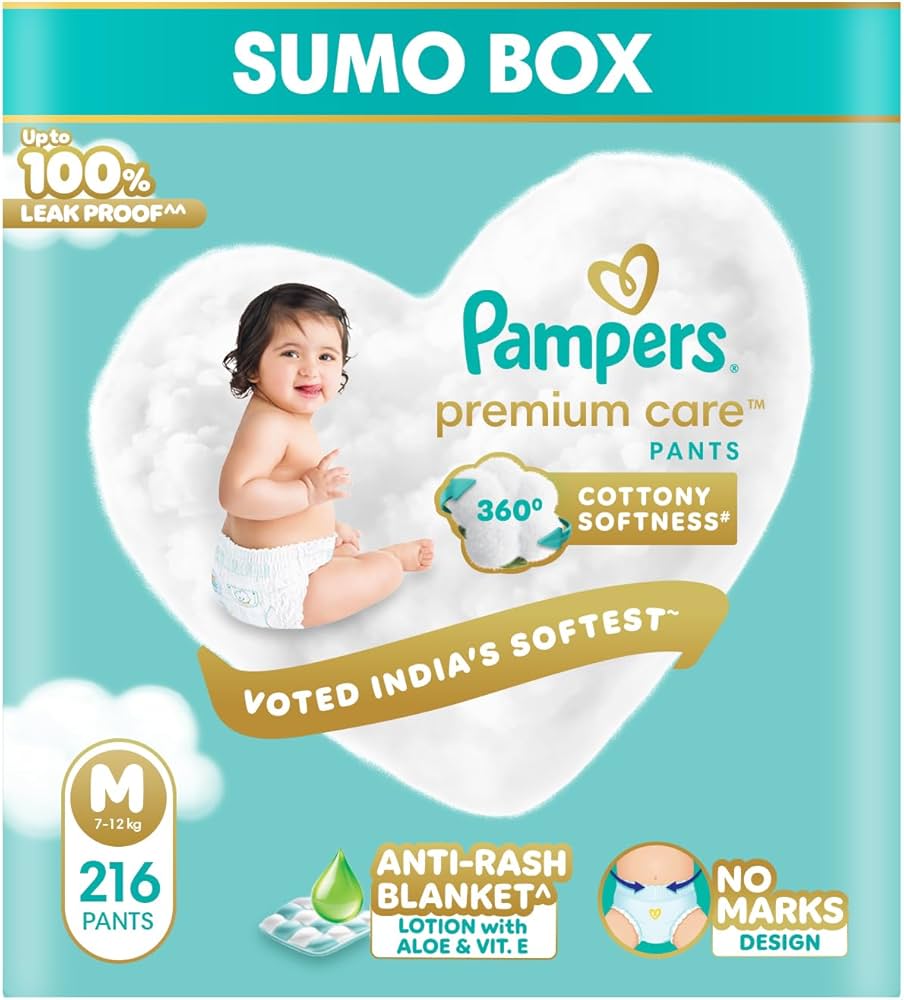
Pampers Premium Care Pants, Medium Size Diapers (168 Count)
- ✓ Fragrance-free
- ✓ 14–18 hours leak protection
- ✓ Wetness indicator
* We earn a small commission — at no extra cost to you.
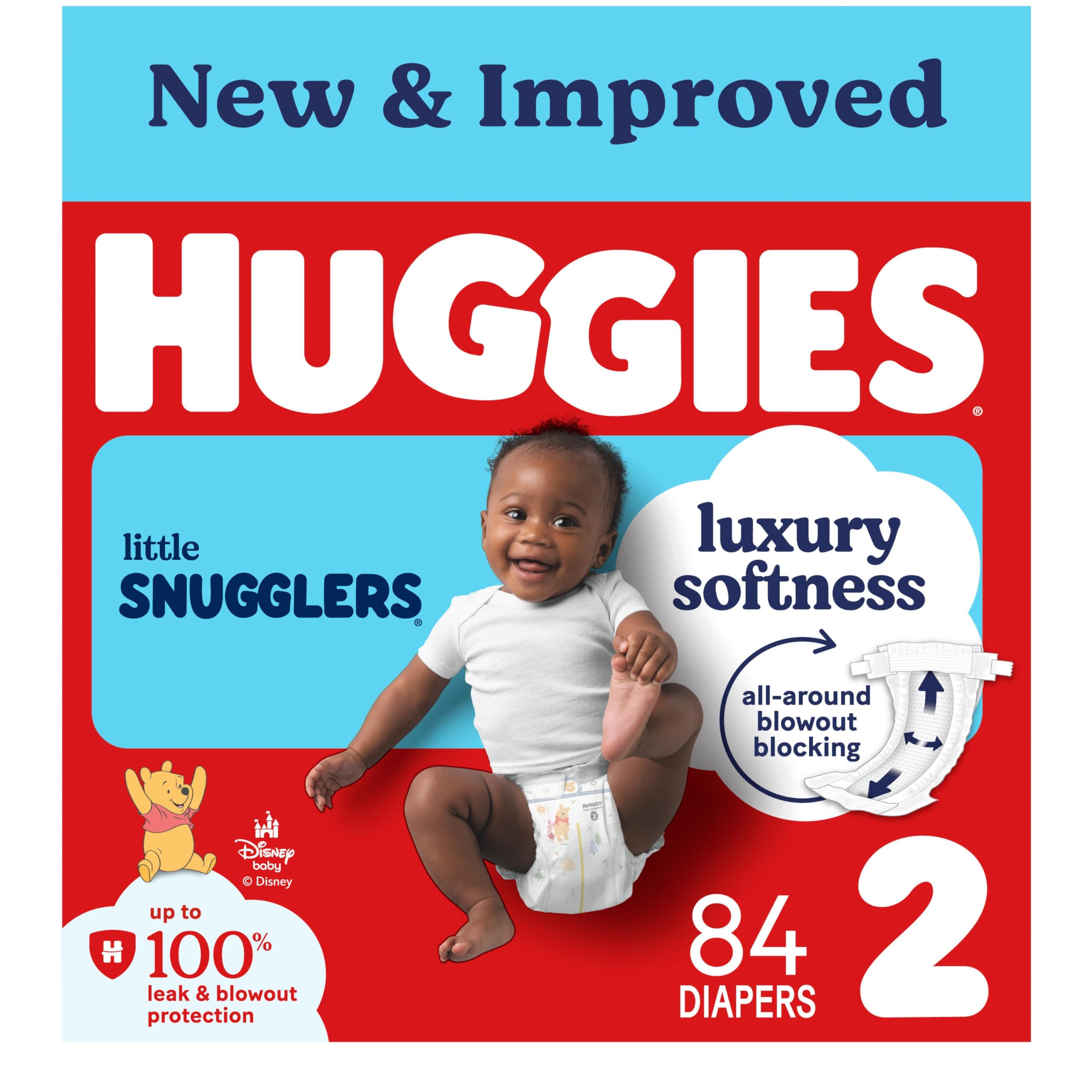
Huggies Little Snugglers Pants, Medium Size (174 Count)
- ✓ Fragrance-free
- ✓ Up to 12 hours protection
- ✓ 5 leak-lock layers
* We earn a small commission — at no extra cost to you.
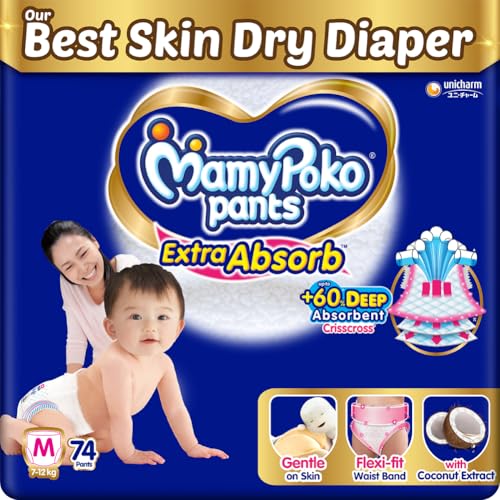
MamyPoko Pants Extra Absorb, Medium (102 Count)
- ✓ Fragranced (can trigger rash)
- ✓ Extra absorb layer
- ✓ Budget-friendly
* We earn a small commission — at no extra cost to you.
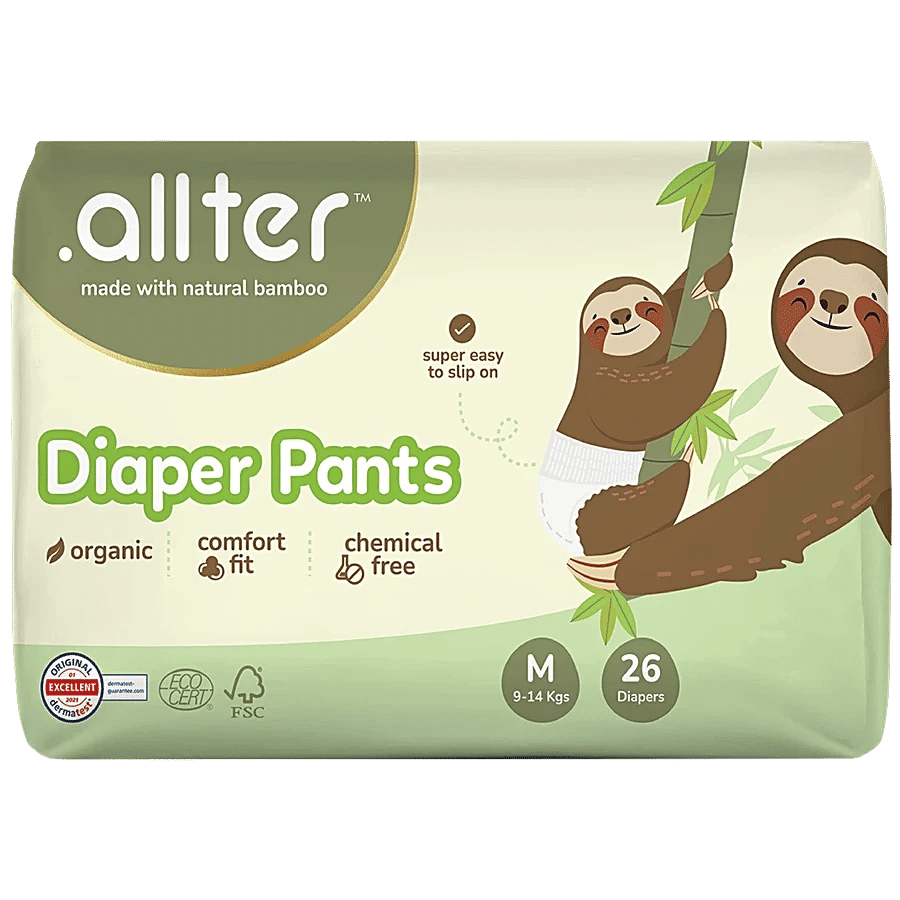
Allter Eco Pants Diaper, Medium Size (60 Count)
- ✓ Oxygen-bleached (chlorine-free)
- ✓ Fragrance-free
- ✓ Phthalate-free stated
* We earn a small commission — at no extra cost to you.
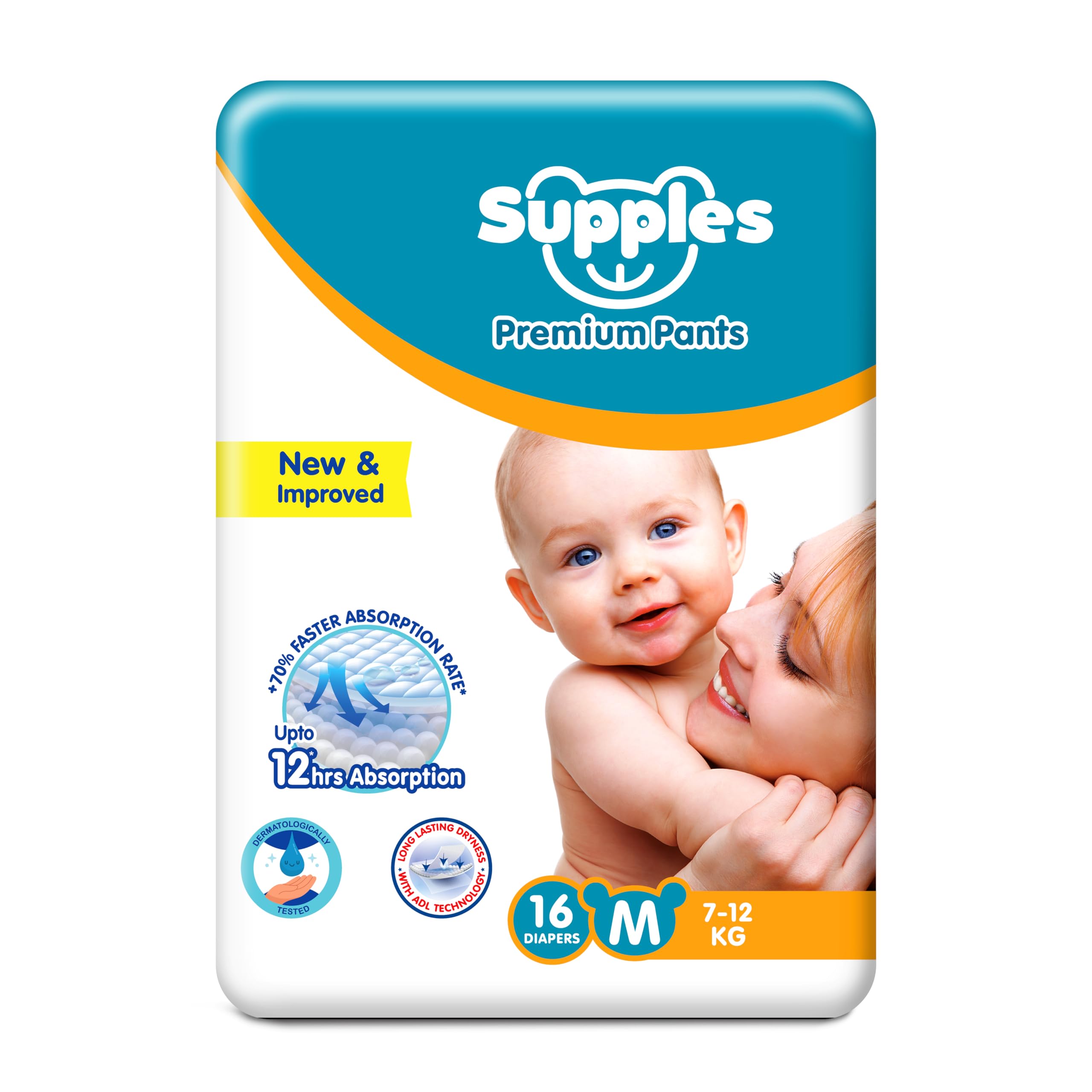
Supples Premium Diaper Pants, Medium (84 Count)
- ✓ Oxygen-bleached
- ✓ Fragrance-free
- ✓ Phthalate-free
* We earn a small commission — at no extra cost to you.
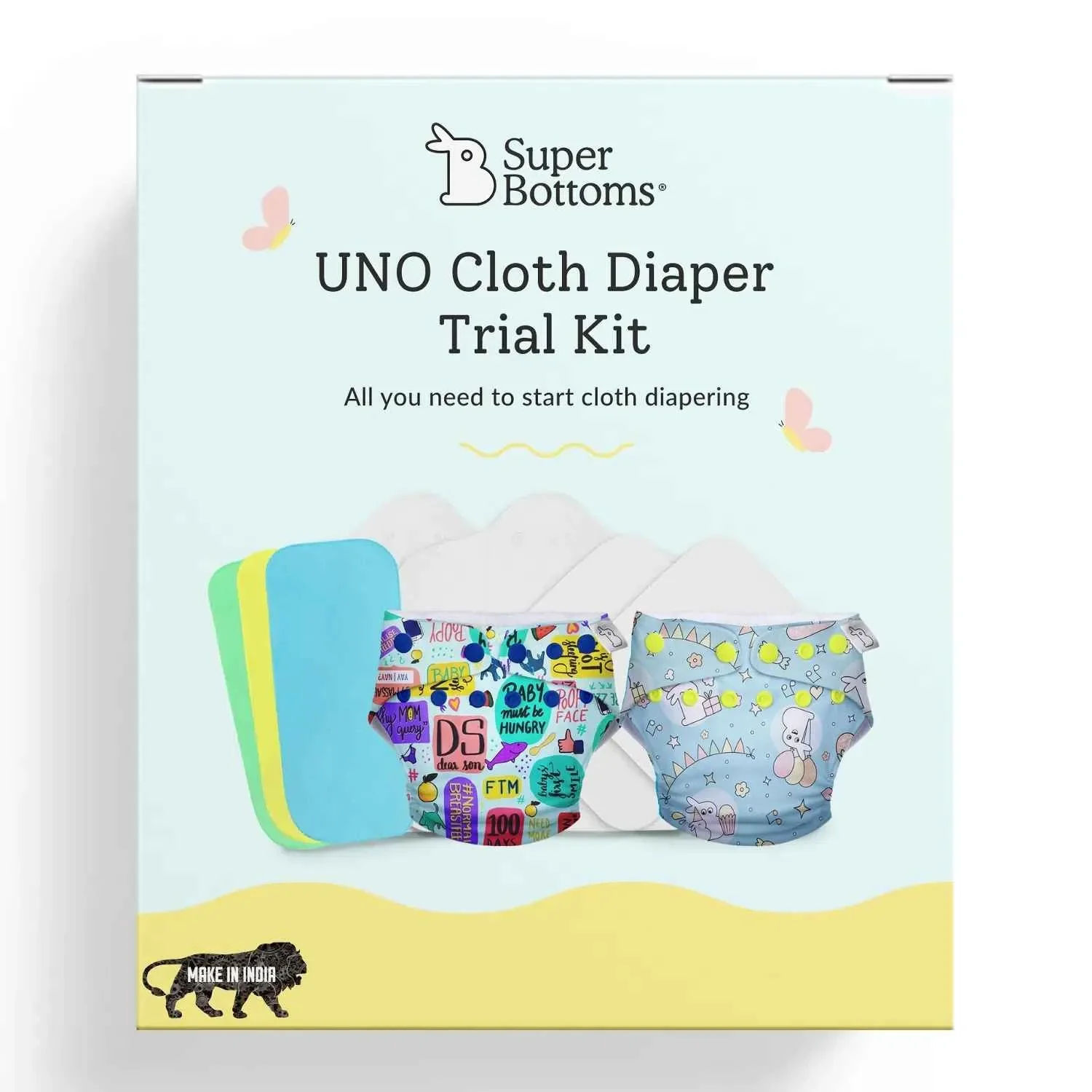
SuperBottoms Cloth Diaper Starter Kit (6 Diapers + 12 Inserts)
- ✓ Zero chemicals (washable only)
- ✓ Reusable 200+ times
- ✓ Hypoallergenic fabric
* We earn a small commission — at no extra cost to you.