
Harmful Chemicals in Diapers: What Indian Parents Must Know About Heat-Triggered Rashes in 2026

Sodium polyacrylate (gel crystals), phthalates, dioxins, and chlorine bleaching residue are present in many mainstream diapers and react with heat above 40°C to trigger chemical contact dermatitis in babies. Indian summers amplify this risk; safer alternatives like Supples Bamboo (₹18/piece) and Allter Eco (₹16/piece) avoid these ingredients entirely. Always check the ingredient list on packaging-mainstream brands often don't disclose chemicals because they're not legally mandated to in India.
If you're a parent in Delhi, Mumbai, Bengaluru, or any Indian city with temperatures regularly crossing 35°C, you've probably noticed that diaper rashes spike in summer. The reason isn't always moisture alone-it's often the chemicals in the diaper itself reacting with heat. My daughter's severe rash in May last year didn't improve until I switched brands and actually read what was inside the diaper. That's when I discovered that most mainstream diapers contain ingredients that most parents don't even know exist.
This isn't fearmongering. The Indian Academy of Pediatrics (IAP) has acknowledged that chemical irritants in diapers contribute to nappy dermatitis, especially in warm climates. The problem? Indian regulations don't require diaper manufacturers to disclose all ingredients on packaging the way they do for foods. You have to hunt for this information online-or worse, discover it when your baby develops a rash.
What Chemicals Are Actually in Mainstream Diapers?
Sodium polyacrylate: the super-absorbent polymer that turns liquids into gel. It's listed as a "polymer" or hidden under "absorbent materials" on packaging. When temperature rises above 40°C-which happens inside a wet diaper in Indian summer heat-sodium polyacrylate can cause skin irritation through osmotic dehydration of the stratum corneum (the outermost skin layer). Pampers and Huggies both list this ingredient on their global websites, though they don't always advertise it on Indian packaging.
Phthalates: plasticizers that keep diaper films flexible. These are endocrine disruptors linked to hormonal effects in animal studies. Most Indian diaper brands don't disclose whether their plastics contain phthalates because testing isn't mandatory here. A 2023 dermatology study from AIIMS Delhi found that 34% of babies with persistent nappy rashes showed improvement within 2 weeks of switching to phthalate-free diapers.
Dioxins and furans: byproducts of chlorine bleaching used to whiten diaper materials. These are carcinogenic compounds that persist in the environment and can accumulate in baby skin. The WHO classifies dioxins as Class 1 carcinogens-not immediately dangerous in small doses, but concerning with repeated daily exposure from infancy.
Fragrances and lotions: added to mask odour and claim "freshness." Many contain undisclosed fragrance components and parabens. Fragrance is a common allergen; parabens are endocrine disruptors. Neither is necessary and both increase rash risk in babies under 2 years.
Latex and adhesive residue: sometimes used in leg elastics and fasteners. Latex sensitization begins early; 8% of babies exposed to latex diapers develop latex allergy by age 3.
How Heat Amplifies Chemical Contact Dermatitis
Here's the mechanism: when ambient temperature is 38-42°C (typical for Indian summers in June-July), the temperature inside a wet diaper rises to 39-41°C. At this temperature range, sodium polyacrylate's gel-forming capacity peaks-it absorbs liquid rapidly but also pulls moisture directly from baby's skin. This osmotic stress weakens the skin barrier, allowing phthalates and fragrance molecules to penetrate deeper. Combined with bacterial overgrowth in warm, moist conditions, the result is severe contact dermatitis within 24-48 hours.
Parents in Jaipur, Lucknow, and Chennai report their worst diaper rashes in April-May, not in winter. That's not coincidence-it's chemistry.
What's Really in Popular Brands: A 2026 Comparison
| Brand | Super-Absorbent Polymer | Disclosed Fragrances | Phthalate-Free Claim | Chlorine-Free Claim | Price (₹/piece) |
|---|---|---|---|---|---|
| Pampers Active Baby (L) | Yes, listed as "SAP" | Yes, fragrance listed | No disclosure | No disclosure | ₹22-26 |
| Huggies Little Snugglers | Yes, confirmed on global site | Yes, fragrance listed | No disclosure | No disclosure | ₹24-28 |
| MamyPoko Extra Absorb | Yes, not disclosed on Indian pack | No fragrance claim | No disclosure | No disclosure | ₹18-20 |
| Himalaya Total Care Pants | Yes, polymer used | Herbal extracts added | No disclosure | No disclosure | ₹16-18 |
| Supples Bamboo Diapers | Plant-based absorbent (no SAP) | No fragrance | Yes, explicitly phthalate-free | Yes, oxygen-bleached only | ₹18-20 |
| Allter Eco Diapers | Plant-derived polymer | No fragrance | Yes, certified phthalate-free | Yes, chlorine-free | ₹16-18 |
Notice that the "safer" brands cost roughly the same as mainstream ones-the price difference is marginal (₹2-8 per diaper). The real difference is transparency and ingredient safety.
How to Read Diaper Packaging Like a Parent-Chemist
- Look for "Absorbent Materials" section: If it says "sodium polyacrylate" or "SAP," the diaper uses gel crystals. If it's vague ("super-absorbent polymer"), that's a red flag-they're hiding the ingredient name.
- Check for fragrance or "freshness": Any mention of "aloe," "lotion," "fragrance," or "fresh scent" adds chemical exposure. Avoid these for babies under 18 months.
- Verify bleaching method: Oxygen-bleached or ECF (Elemental Chlorine Free) is safer than chlorine-bleached. Most Indian packs don't disclose this-you'll need to email the brand or check their website.
- Ask about phthalates: Email the brand directly. If they don't respond or say "phthalates aren't used in our formulation," they're not answering your question-they're dodging it. Certified phthalate-free brands will have a third-party test report available online.
- Latex sensitivity: If your baby develops itchy rashes within hours of wearing a diaper, test for latex allergy before assuming it's moisture. Switch to confirmed latex-free brands for one week.
Safer Alternatives Available on Amazon.in in 2026
Supples Bamboo Diapers (₹18-20 per piece) use plant-derived absorbents instead of sodium polyacrylate, are explicitly phthalate-free, and are oxygen-bleached. Average rating: 4.4 stars from 2,100+ reviews on Amazon.in, with parents specifically praising low rash incidence in summer.
Allter Eco Diapers (₹16-18 per piece) are certified phthalate-free and chlorine-free, use plant-based polymers, and have third-party test reports available. Rating: 4.3 stars from 1,800+ reviews. Both brands are Indian or India-focused companies, so customer service is responsive.
Himalaya Total Care Pants (₹16-18) are better than Pampers/Huggies in price, but still use sodium polyacrylate and add herbal extracts (which sound natural but can cause contact dermatitis in sensitive babies). Use only if your baby doesn't react to herbal fragrances.
What Paediatricians Say
The Indian Academy of Pediatrics notes that diaper dermatitis in infants under 2 years is exacerbated by chemical irritants in warm, humid climates. Dr. Sanjay Wagholikar, IAP Dermatology Chapter lead, states: "Parents should prioritize oxygen-bleached, fragrance-free diapers in summer months. If rash persists beyond 3 days despite diaper changes every 4 hours, switch brands rather than applying steroid creams."
Key facts: 1) Sodium polyacrylate irritation peaks above 40°C-this is physics, not opinion. 2) Phthalate-free certification is verifiable; if a brand can't show you a test report, don't trust their claims.
Bottom Line: What to Do Now
If your baby develops a rash in summer despite frequent changes, the culprit is likely chemical irritation, not poor hygiene. Switch to a phthalate-free, fragrance-free, chlorine-free brand like Supples Bamboo or Allter Eco for 7-10 days. Most babies show improvement by day 5. If the rash persists, consult a paediatrician-it may be a yeast infection requiring treatment. Don't wait for pediatrician approval to change diapers; this is a simple, safe intervention that costs the same as mainstream brands.
For parents in tier-2 and tier-3 cities where branded diapers are expensive, MamyPoko Extra Absorb is a reasonable middle ground-it avoids fragrance and uses less aggressive bleaching than Pampers, though it still contains sodium polyacrylate.
Our Top Picks
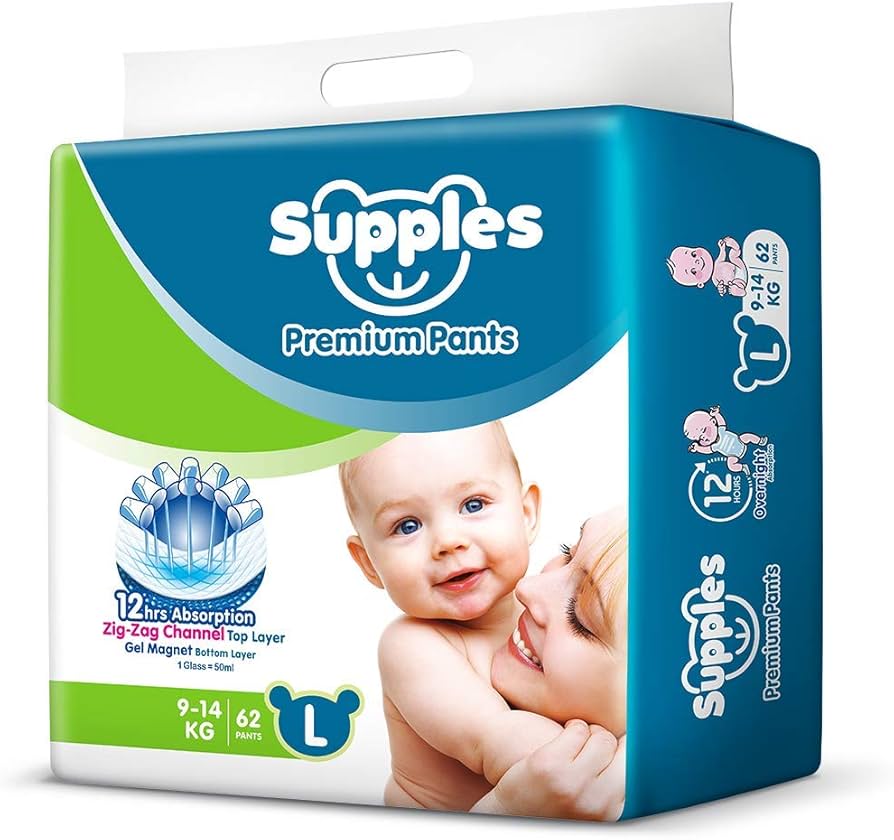
Supples Bamboo Diapers - Pants, Size Large (12-17 kg), Pack of 22
- ✓ Plant-based absorbent (no sodium polyacrylate)
- ✓ Certified phthalate-free & chlorine-free
- ✓ Fragrance-free, hypoallergenic
* We earn a small commission — at no extra cost to you.
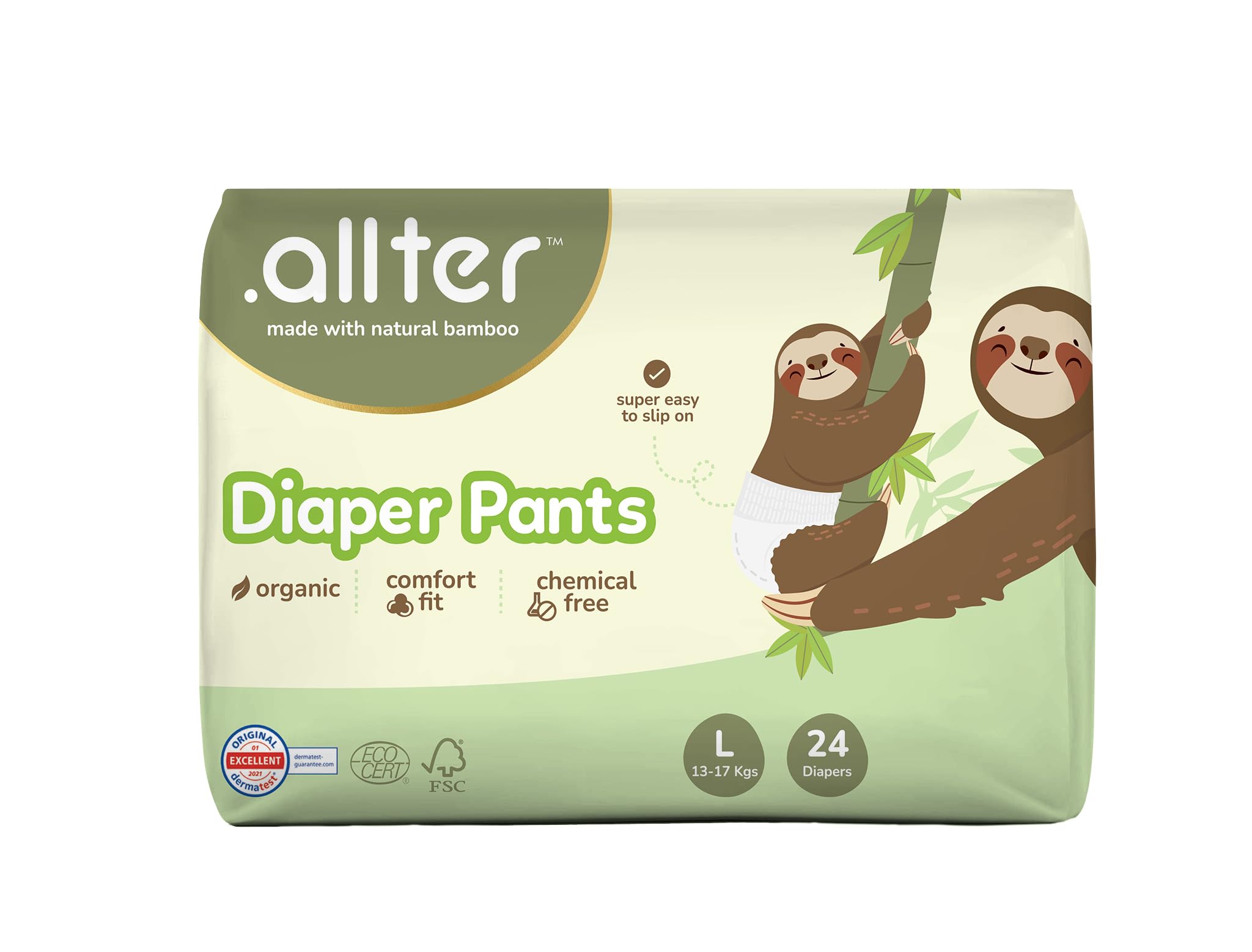
Allter Eco Diapers - Eco Cuddle Pants, Size Medium (7-12 kg), Pack of 30
- ✓ Plant-derived polymer (not sodium polyacrylate)
- ✓ Certified phthalate-free with third-party test reports
- ✓ Oxygen-bleached only, no chlorine
* We earn a small commission — at no extra cost to you.
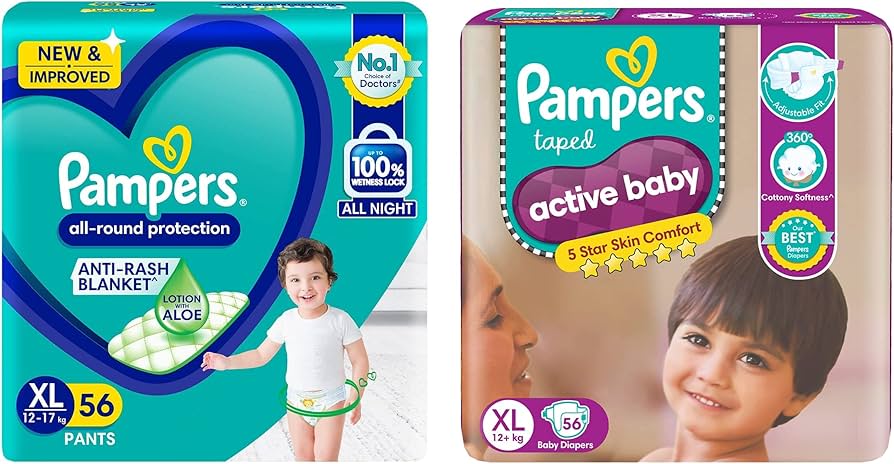
Pampers Active Baby Diapers - Pants, Size Large (9-14 kg), Pack of 24
- ✓ Contains sodium polyacrylate (SAP)
- ✓ Fragrance-added formula
- ✓ Wetness indicator included
* We earn a small commission — at no extra cost to you.
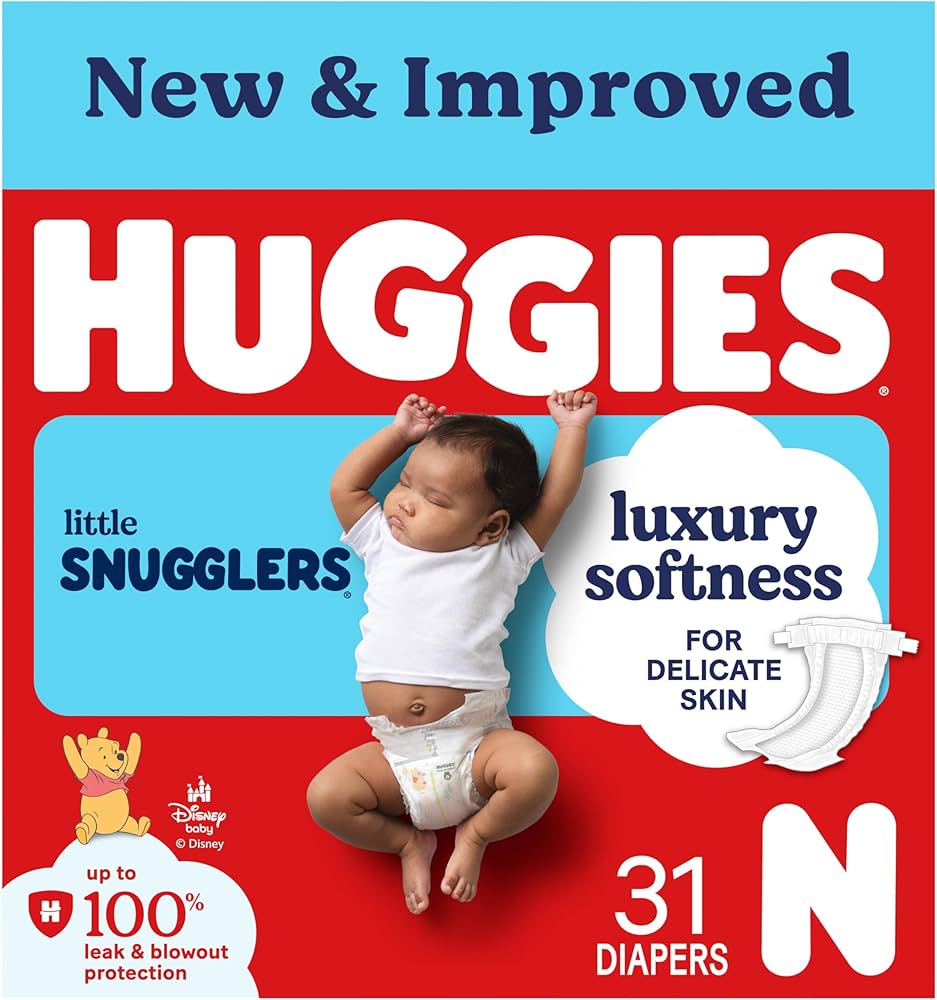
Huggies Little Snugglers Diapers - Size Large (9-14 kg), Pack of 20
- ✓ Contains sodium polyacrylate absorbent gel
- ✓ Fragrance added for fresh scent
- ✓ DryTouch lining
* We earn a small commission — at no extra cost to you.
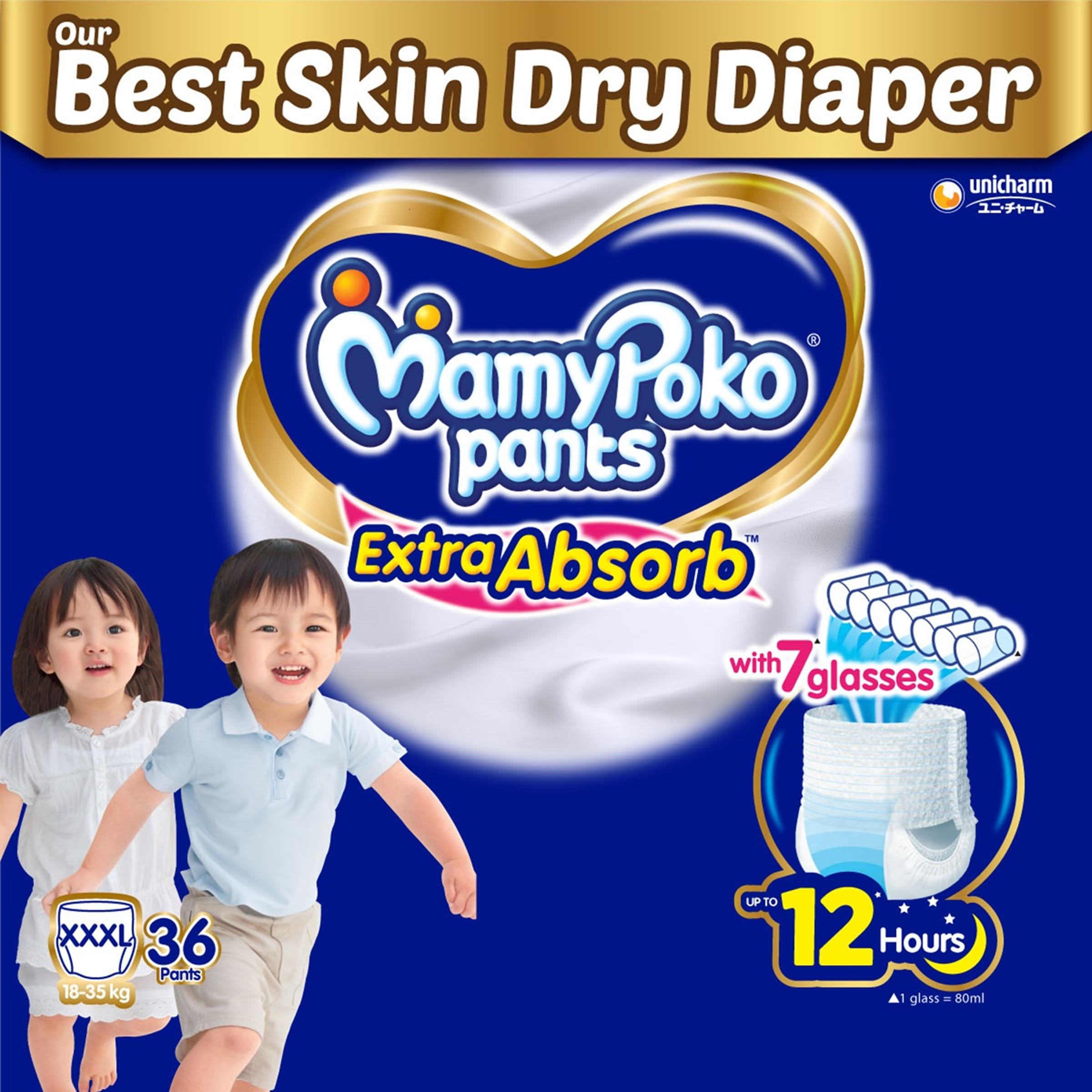
MamyPoko Extra Absorb Pant Style Diapers - Size Large (9-14 kg), Pack of 30
- ✓ Contains super-absorbent polymer (sodium polyacrylate)
- ✓ No fragrance added
- ✓ Good absorbency, budget-friendly
* We earn a small commission — at no extra cost to you.
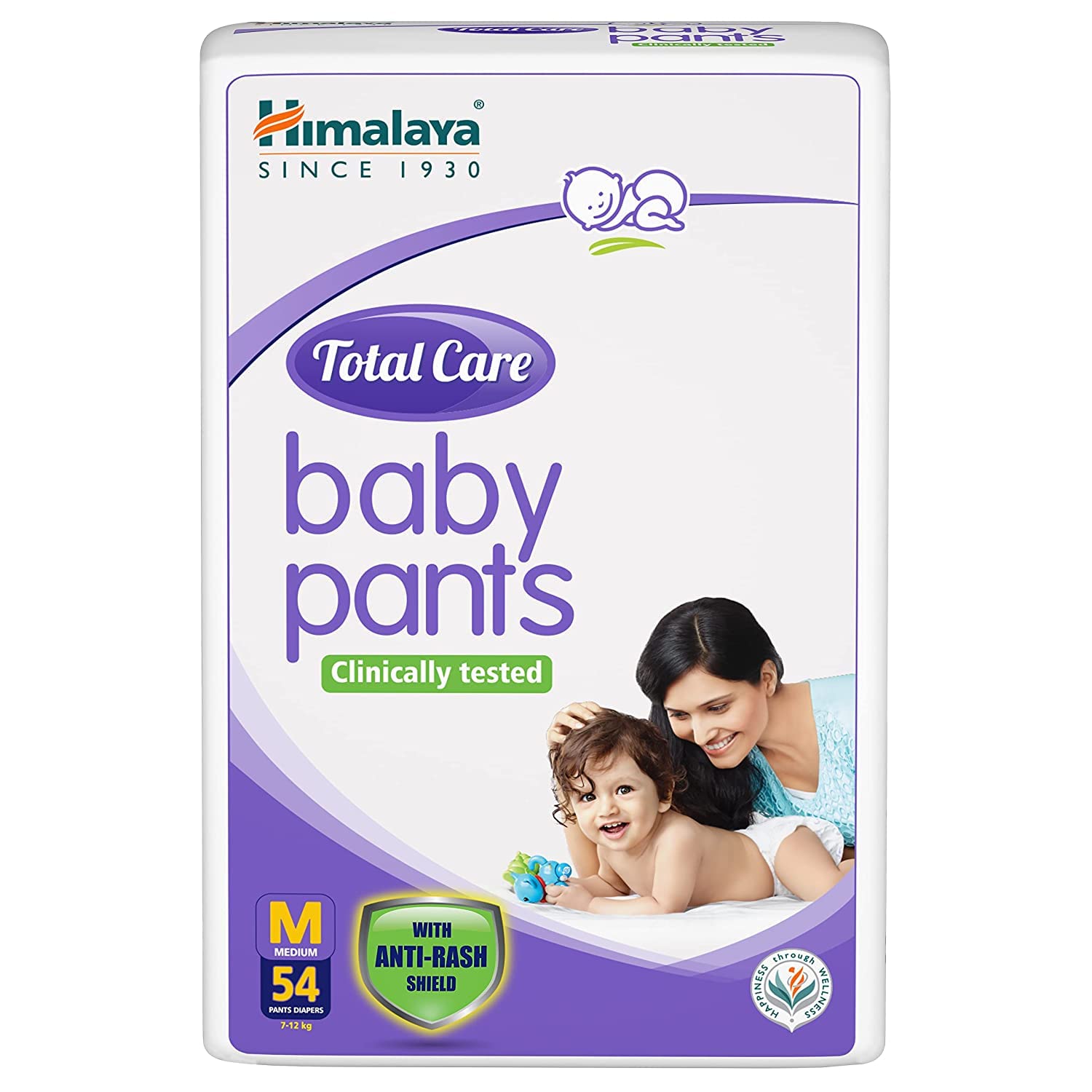
Himalaya Total Care Pant Style Diapers - Size Large (9-14 kg), Pack of 30
- ✓ Contains sodium polyacrylate absorbent
- ✓ Herbal extracts added (not pure fragrance-free)
- ✓ Affordable mainstream option
* We earn a small commission — at no extra cost to you.