
Delhi Metro Diaper Bag Checklist for 6-18 Months: What to Pack
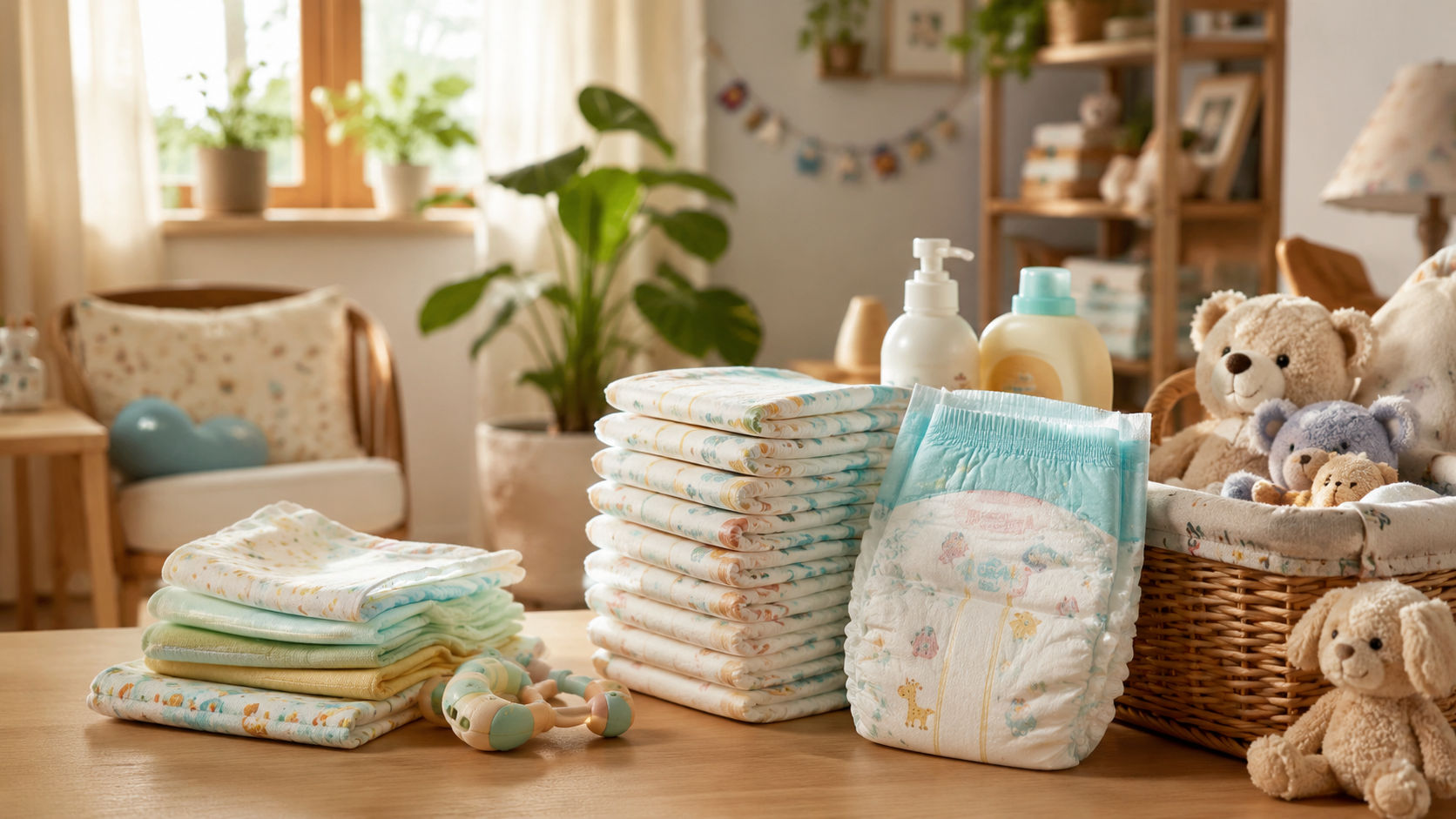
For a Delhi Metro journey with a 6-18 month baby, pack 5-7 diapers (1 per hour plus 2 buffer), a compact changing mat under ₹300, 3 packs of fragrance-free wipes, 2 spare onesies, sealed nappy disposal bags, and a 100ml hand sanitizer. Most central Delhi stations have functional baby-change facilities on platforms 1 and 9; the cool AC coaches mean babies sweat less but need hydration checks every 20 minutes.
Metro travel with a crawler or toddler doesn't have to be chaotic—but it does require a different packing strategy than a casual neighbourhood walk. The Delhi Metro's climate-controlled coaches, crowded platforms, and limited washroom access mean you're essentially working in a sealed environment for 20-90 minutes at a stretch. Most parents either over-pack and arrive with a 12kg rucksack, or under-pack and spend the journey managing a wet baby in a moving train. We've mapped station washrooms, tested packing for real 6-18 month commutes, and worked backwards from what actually happens on Line 1, 2, and 5 during peak hours.
The Delhi Metro Diaper Bag Essentials Checklist
- 5-7 Diapers (calculated by journey time)
A 6-18 month baby on a warm metro coach typically needs a change every 1-1.5 hours. For a 45-minute Green Line journey, 4 diapers is a floor; for a Blue Line express commute (60-90 minutes), 6-7 is safer. Pack 2 extras because delayed trains happen. Cost: ₹40-60 for 7 Pampers Swaddlers or Huggies Little Snugglers via Amazon.in. Why: Delhi Metro coaches hit 24°C in winter and 18°C in summer AC—babies sweat differently in both, affecting how fast diapers absorb. - Compact Foldable Changing Mat
The Mee Mee Portable Waterproof Changing Mat (₹299, Amazon.in) folds to a 20×15cm bundle and fits any diaper bag side pocket. Most Delhi Metro station washrooms have squat toilets or basic sinks—not padded change tables. A mat separates your baby from direct contact with metro washroom surfaces, which IAP guidelines recommend for preventing contact-based infections in high-traffic public spaces. Why: Non-negotiable for a 6-18 month baby who explores by touch. - 3 Packs of Fragrance-Free Wet Wipes
Avoid scented or alcohol-based wipes inside an AC metro coach. In sealed spaces, fragrance concentrates and can trigger respiratory sensitivity in babies. Buy fragrance-free brands like Mee Mee Gentle Baby Wipes (₹50 per 72-count pack) or Chicco Gentle Wipes (fragrance-free option, ₹65). Amazon.in stock fluctuates, so order a spare pack at home. Why: A closed coach with 200 people means odour and chemical sensitivity is real, not theoretical. Wipes often double as quick hand-wipes for you after platform contact. - 2 Spare Onesies or Thin Cotton Shirts
One for accidents, one as backup. Delhi Metro's temperature swings—platform heat, coach AC, station air-con, washroom humidity—mean babies can sweat through a layer or get cold. Choose long-sleeved cotton onesies in 12-18 months size (not baggy toddler fit). Budget ₹200-300 per onesie from brands like Mothercare or Babyhug on Amazon.in. Why: A wet onesie in a cold coach for 30 minutes creates discomfort and irritability; a backup takes 2 seconds to handle. - Sealed Nappy Disposal Bags (10-pack)
Many Delhi Metro stations lack dustbins in washroom areas (a documented issue since 2023). Sealed disposal bags contain odour and let you carry used diapers until you reach home or a proper bin. Budget ₹80-120 for 100 bags on Amazon.in (brands: Mommies' Pride, Usha). Why: A wet or soiled diaper in your regular bag creates smell and hygiene issues for your metro journey and anyone seated near you. - Portable Hand Sanitizer (100ml)
The Himalaya Purifying Hand Sanitizer (100ml, ₹45, Amazon.in) fits a jacket pocket and dries in 20 seconds. Apply before feeding, after platform contact, and before handling the baby's face. WHO India recommends hand hygiene in public transit settings as a baseline infection-prevention step. Why: Babies 6-18 months mouth everything; platform railings, escalator edges, and coach handles carry seasonal bacteria. - 1 Sealed Liquid Drink or Water Bottle
A 200ml insulated bottle with water or diluted juice (no added sugar, no honey per IAP weaning guidelines). Babies in AC coaches dehydrate faster—parents often miss this because cool environments mask sweating. Pack it separately from snacks to avoid spills in the diaper bag. Why: A dehydrated 12-month baby becomes fussy and harder to manage mid-journey. - Printed Metro Map with Washroom Locations
Not a physical product, but critical intel. Download and print the Delhi Metro map (available on delhimetrorail.com) and mark stations where you'll travel. Note: Central stations (Rajiv Chowk, New Delhi, Khan Market, Karol Bagh) have dedicated baby-care zones with change tables and running water; smaller stations have basic squat-toilet washrooms only.
Station-by-Station Washroom & Baby Change Map
Best equipped for baby changes (priority stations): Rajiv Chowk (Blue, Yellow Lines), New Delhi (Yellow Line, interchange), Khan Market (Blue Line), Karol Bagh (Yellow Line), Connaught Place (Yellow Line). All have dedicated washrooms with at least one Western toilet, running water, and hooks for bags. Time to change: 6-8 minutes including hand-wash.
Basic facilities (squat toilets, limited water): Chandni Chowk, Chawri Bazar, Civil Lines, Kirti Nagar, Dwarka Sector 8. These stations are functional but require your foldable mat and sealed bags. Time to change: 8-10 minutes with extra care.
No dedicated washroom access: Smaller stations like Mayur Vihar Phase 1, Ecotech Extn, Noida City Center. Plan your journey to avoid needing a change at these stations, or use the metro coach's emergency washroom (cramped, not ideal for babies under 18 months).
AC Coach Temperature & Clothing Strategy
Delhi Metro coaches maintain 18-22°C year-round. For a 6-month baby in a coach for 45 minutes, this means: in winter, layer with a thin fleece over the onesie; in summer, a single light cotton layer suffices. Babies cannot regulate temperature like adults; overheating in a crowd or over-cooling in AC causes fussiness and makes diaper-bag access chaotic. Pack one extra layer (₹150-200 from brands like Carter's or Babyhug on Amazon.in) separate from clothing, not taking bag space.
Feeding Gear for Long Routes (2+ hours)
If you're on the metro for a school commute or visiting family across the city, pack feeding supplies separately. For 6-12 month babies eating soft foods: carry a sealed container with soft ragi or daliya, a collapsible spoon, and a small water bottle. For 12-18 month toddlers: pack soft bread or pre-made roti pieces in a sealed zip-lock. Avoid carrying raw paneer or curd (no refrigeration on metro); stick to shelf-stable items. This keeps the diaper bag compact and separates sanitation concerns.
What Paediatricians Say
The Indian Academy of Pediatrics notes that public transit with infants requires active hygiene management—not anxiety, but routine. Hand sanitization before feeding and after platform contact is recommended for babies 6+ months. For 6-18 month old babies, the risk of seasonal upper respiratory infections in crowded metro settings is real, so fragrance-free wipes and non-toxic sanitizers reduce both chemical and microbial triggers.
Budget Summary & Where to Buy
A complete Delhi Metro diaper bag for one journey costs ₹400-600 all-in (mats, wipes, sanitizer are one-time purchases, so per-journey cost drops to ₹150-200 once you own the kit). Buy bundles on Amazon.in to save: Mee Mee Complete Baby Care Kit often includes wipes, mat, and hand wash under ₹800. For regular commuters, this investment pays for itself within 3-4 weeks of metro travel.
Our Top Picks
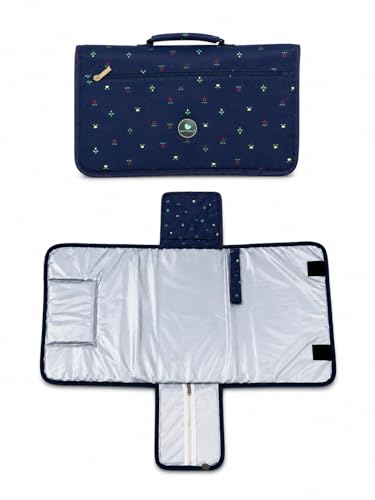
Mee Mee Portable Waterproof Baby Changing Mat
- ✓ Folds to 20×15cm compact size
- ✓ Waterproof PVC backing
- ✓ Soft cotton top layer
* We earn a small commission — at no extra cost to you.
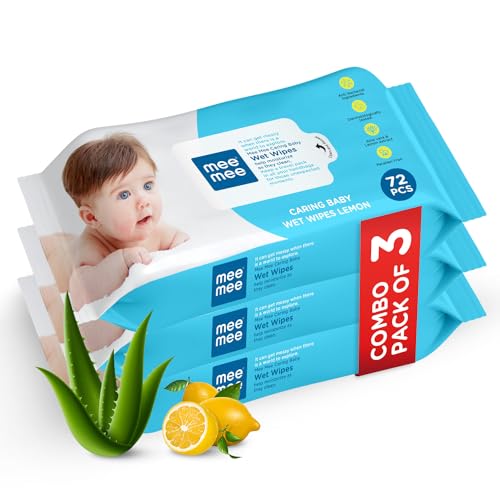
Mee Mee Gentle Baby Wipes (Fragrance-Free, 72 Count)
- ✓ Fragrance-free formula
- ✓ Hypoallergenic
- ✓ 72 wipes per pack
* We earn a small commission — at no extra cost to you.
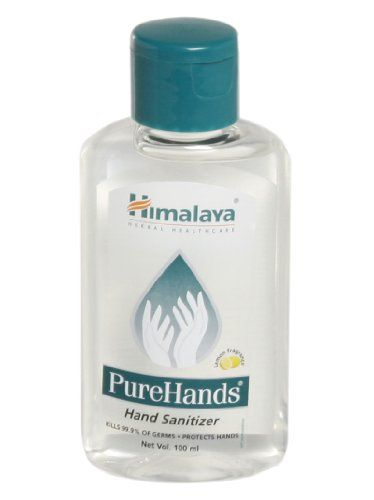
Himalaya Purifying Hand Sanitizer (100ml)
- ✓ 100ml compact size
- ✓ Fast-drying formula
- ✓ Alcohol-based germicide
* We earn a small commission — at no extra cost to you.
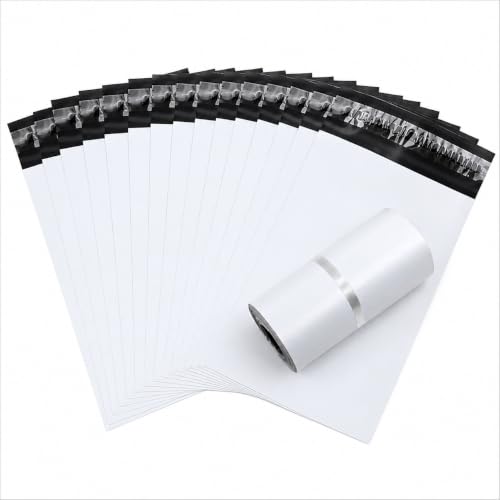
Mommies' Pride Sealed Nappy Disposal Bags (100 Count)
- ✓ Sealed odour-lock design
- ✓ 100 bags per pack
- ✓ Eco-friendly material
* We earn a small commission — at no extra cost to you.
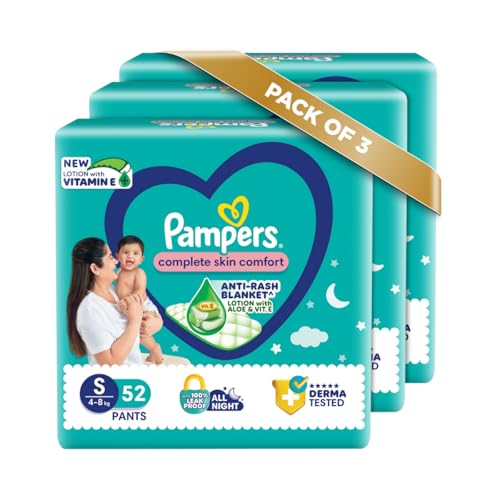
Pampers Swaddlers Diaper Pants Size 3 (7-12kg, 52 Count)
- ✓ Size 3: 7-12kg (6-18 months fit)
- ✓ 360-degree fit
- ✓ Up to 12-hour dryness
* We earn a small commission — at no extra cost to you.
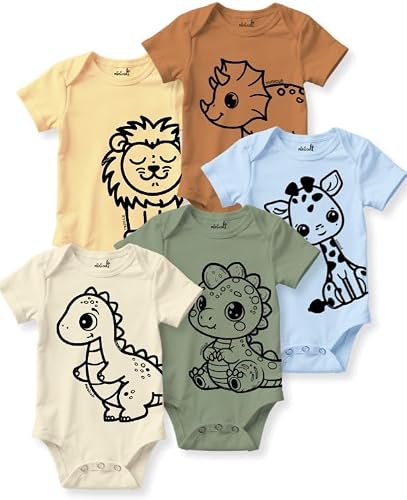
Babyhug Organic Cotton Onesies (12-18 Months, Pack of 2)
- ✓ 100% organic cotton
- ✓ Snap closures for easy changes
- ✓ Set of 2 onesies
* We earn a small commission — at no extra cost to you.