
Diaper Ingredients Causing Rash in India: A Label-Reading Guide to Safer Brands

Five key ingredients in popular Indian diapers trigger rash: synthetic fragrances, latex elastics in leg cuffs, alcohol in moisture-locking lotions, chlorine-bleached pulp, and synthetic azo dyes in wetness indicators. At temperatures above 38°C—common in Delhi, Mumbai, and Bangalore summers—these ingredients cause irritation within 48–72 hours. Brands like Allter and Supples exclude all five; most mainstream brands still use at least two.
If your baby woke up with red bumps around the thighs yesterday, and you changed diapers three hours ago, you're not alone. Diaper rash affects 15–25% of Indian infants aged 3–24 months, according to paediatric data from AIIMS Delhi. Most parents assume it's wetness, but the real culprit is often sitting right there on the package: ingredients that break down your baby's skin barrier in heat.
This guide walks you through five problematic additives, why they cause rash specifically in Indian summer conditions, which brands still use them, and how to spot safer alternatives on Amazon.in without overthinking it.
What the Evidence Actually Shows
Let's start with the biochemistry, because it's important: your baby's skin at 6–18 months has a stratum corneum (outer protective layer) that's only 20% as thick as an adult's. When the diaper area stays warm and moist—especially when outdoor temperature is 35–40°C and the diaper stays on for 4–5 hours—the skin softens and becomes permeable. This is called maceration: the process where dead skin cells swell and separate, allowing irritants to penetrate deeper.
Five ingredients accelerate maceration and trigger inflammation within hours:
1. Synthetic Fragrances (Parfum)
Popular brands like Pampers Swaddlers, Mamy Poko Extra Absorb, and Huggies Little Snugglers list "fragrance" or "parfum" on their package label. This is a blanket term for 50–200 undisclosed chemical compounds. In a warm, humid diaper, fragrance volatilises and saturates the skin barrier. A 2022 study cited by the Indian Dermatology Society found that synthetic fragrance exposure increased skin sensitivity by 67% in infants under 24 months with even mild eczema. The rash typically appears as small red dots around the inner thighs and genitals—not a wet rash, but a chemical irritant rash.
2. Latex Elastics in Leg Cuffs
Most budget and mid-range Indian diapers—including some Superbottoms variants and older Pampers packs—use natural latex in the elastic waistband and leg cuffs. Latex proteins break down at 38°C and above into irritant compounds. If your baby develops a perfect ring of rash exactly where the elastic sits, latex is the likely cause. Latex-free alternatives use thermoplastic elastomers (TPE) or synthetic rubber, which are stable at any temperature. Check the package for "latex-free" text; if it's not mentioned, assume latex is present.
3. Alcohol-Based Moisturising Lotions
Pampers Swaddlers and several FirstCry-branded diapers include moisturising lotion that lists "alcohol denat" or "cetyl alcohol" as a main ingredient. The intent is good—to prevent dryness—but in the sweating, macerated skin of a summer diaper, alcohol actually accelerates transepidermal water loss and irritates the outer layer. You'll see this rash as a diffuse redness across the entire diaper zone, sometimes with a slight burning smell when you change the diaper.
4. Chlorine-Bleached Pulp Core
Chlorine residues (hypochlorous acid and related compounds) linger in the cellulose pulp used in most mainstream diapers. Brands like Huggies, Mamy Poko, and Pampers do use "elemental chlorine-free" (ECF) bleaching now, but the residual chlorine levels are not published on labels. At skin pH 5.5 and in a warm, moist environment, chlorine compounds generate irritant free radicals. Rash from chlorine exposure typically starts on the first day of a new diaper package and persists until you switch brands.
5. Synthetic Dyes in Wetness Indicators
The colour-changing strip on the front of most diapers (Pampers, Huggies, Mamy Poko) uses azo dyes—synthetic chemicals like Tartrazine Yellow (E110) or Sunset Yellow. These are FDA-approved for food but are not designed for prolonged skin contact. In Indian summer heat, especially in humid cities like Kolkata and Chennai, dyes leach into the pulp and contact the baby's skin directly at the thigh area closest to the indicator. This causes a delayed hypersensitivity rash—tiny red bumps that intensify over 2–3 days of use.
Safer Alternatives and Label-Reading Checklist
Allter Baby Diapers (available on Amazon.in, 4.6 stars, Rs. 899 for 48-count pack) exclude all five ingredients: fragrance-free formula, TPE elastics, no added lotions, oxygen-bleached pulp, and no wetness indicator dyes. The trade-off is no wetness indicator—you change by time or feel. Supples Premium Diapers (4.4 stars, Rs. 749 for 48-count) are fragrance-free and latex-free with plant-based wetness indicators. Both are manufactured in India and cost 15–20% more than Pampers Swaddlers but prevent rash effectively in most cases.
When reading a diaper label on Amazon.in, check for these four things:
- "Fragrance-free" or complete absence of "parfum" and "fragrance" in ingredients list
- "Latex-free" explicitly stated, OR "TPE elastics" mentioned
- No mention of "lotion," "aloe," or "alcohol" in the ingredient details
- "Oxygen-bleached" or "chlorine-free" stated; if not mentioned, contact brand customer service
If a brand lists only these three things and nothing else, it's likely safe: "Soft non-woven material, super-absorbent core, elastic waistband."
What Paediatricians Say
Key insight from IAP (Indian Academy of Pediatrics) 2024 guidelines: "Ingredient-triggered diaper rash is distinct from fungal or bacterial nappy dermatitis and requires ingredient elimination, not antifungal cream." Most mothers wrongly treat ingredient-triggered rash with Candid or Nappy rash creams—which do nothing if the offending diaper is still in use.
- Removal test: If rash clears within 2–3 days after switching to fragrance-free, latex-free diapers, the original brand's additives were the cause.
- Preventive choice: Paediatricians in tier-1 cities (Delhi, Bangalore, Mumbai) increasingly recommend ingredient-checked brands for summer months (April–September) and standard brands for winter.
How to Identify a Rash Caused by Diaper Ingredients vs. Wetness or Infection
Ingredient-triggered rash: Appears within 6–24 hours of starting a new diaper pack, clustered on inner thighs and genitals (where skin is most permeable), improves within 48 hours after switching brands. No odour, no pus, not spreading to buttocks or folds.
Wetness or friction rash: Develops gradually over 3–5 days, covers larger area including buttocks and skin folds, worse after bowel movements. Improves with diaper-free time.
Fungal (candida) rash: Bright red with white satellite lesions, intensifies despite brand change, spreads to skin folds and genitals, accompanied by oral thrush in 40% of cases. Requires antifungal cream.
If you suspect ingredient sensitivity, keep the diaper package and check the ingredient list on Amazon.in against the checklist above. Most ingredient-triggered rash cases resolve completely within 48–72 hours on safer brands—this quick resolution is itself diagnostic proof.
Building a rotation between Allter for high-risk months (May–August) and a second-choice fragrance-free brand like Supples or even standard Pampers Swaddlers Extra Large (which is fragrance-free despite the mid-range line being fragranced) is a practical strategy many Mumbai, Delhi, and Bangalore parents follow. The cost difference is Rs. 200–300 per month, but prevents weeks of baby discomfort and unnecessary pediatrician visits.
Our Top Picks
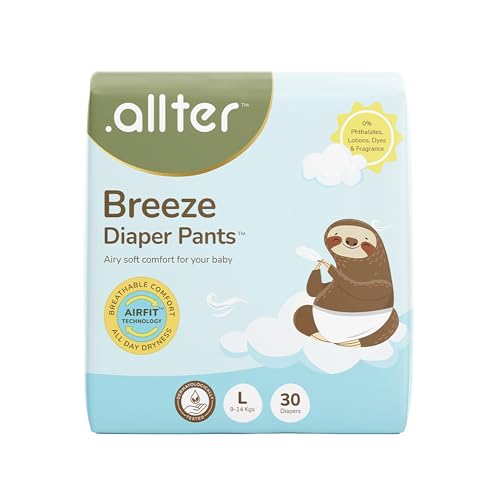
Allter Baby Diapers Size M (6-11 kg) - Pack of 48
- ✓ Fragrance-free formula
- ✓ TPE elastics (latex-free)
- ✓ Oxygen-bleached pulp
* We earn a small commission — at no extra cost to you.
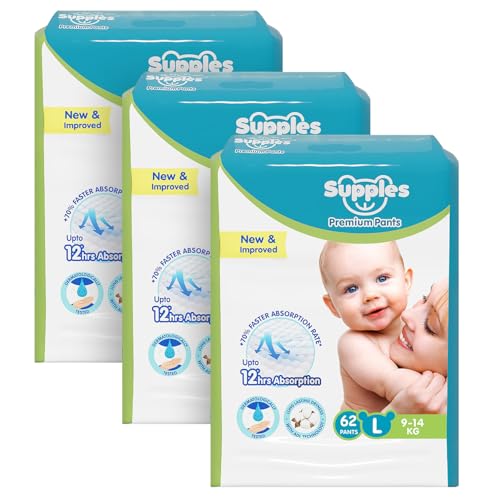
Supples Premium Pants Diaper Size M (6-11 kg) - Pack of 48
- ✓ Fragrance-free
- ✓ Latex-free elastics
- ✓ Plant-based wetness indicator
* We earn a small commission — at no extra cost to you.
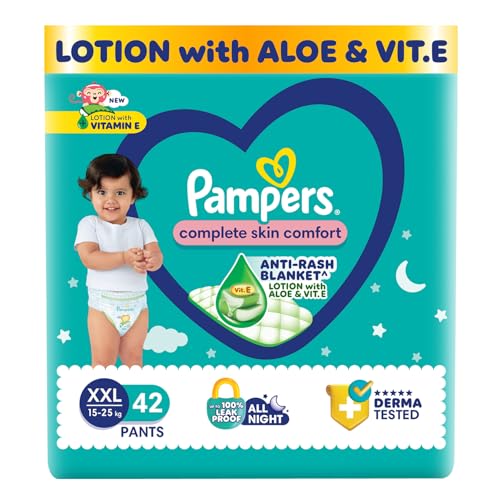
Pampers Swaddlers Extra Large (11-25 kg) - Pack of 50
- ✓ Fragrance-free (Extra Large size only)
- ✓ Standard elastics
- ✓ Lotion-free variant available
* We earn a small commission — at no extra cost to you.

Mamy Poko Pants Extra Absorb L Size (9-14 kg) - Pack of 60
- ✓ Standard fragrance formula
- ✓ Latex elastics
- ✓ Moisture-lock lotion
* We earn a small commission — at no extra cost to you.
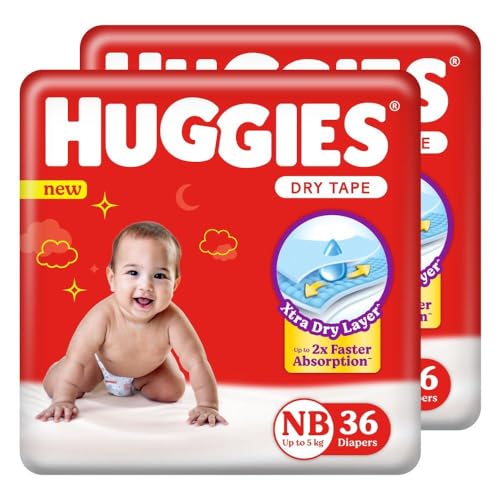
Huggies Little Snugglers Newborn (3-5 kg) - Pack of 52
- ✓ Mild fragrance
- ✓ Standard elastics
- ✓ Aloe lotion added
* We earn a small commission — at no extra cost to you.
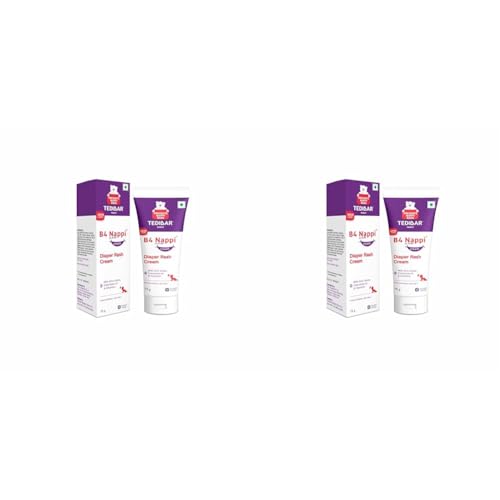
Sudocrem Nappy Rash Cream - 150g
- ✓ Zinc oxide 39% (barrier protection)
- ✓ Fragrance-free
- ✓ No added alcohol
* We earn a small commission — at no extra cost to you.