
Safe Co-sleeping in India: Bridging Traditional Practices with IAP Guidelines in 2026
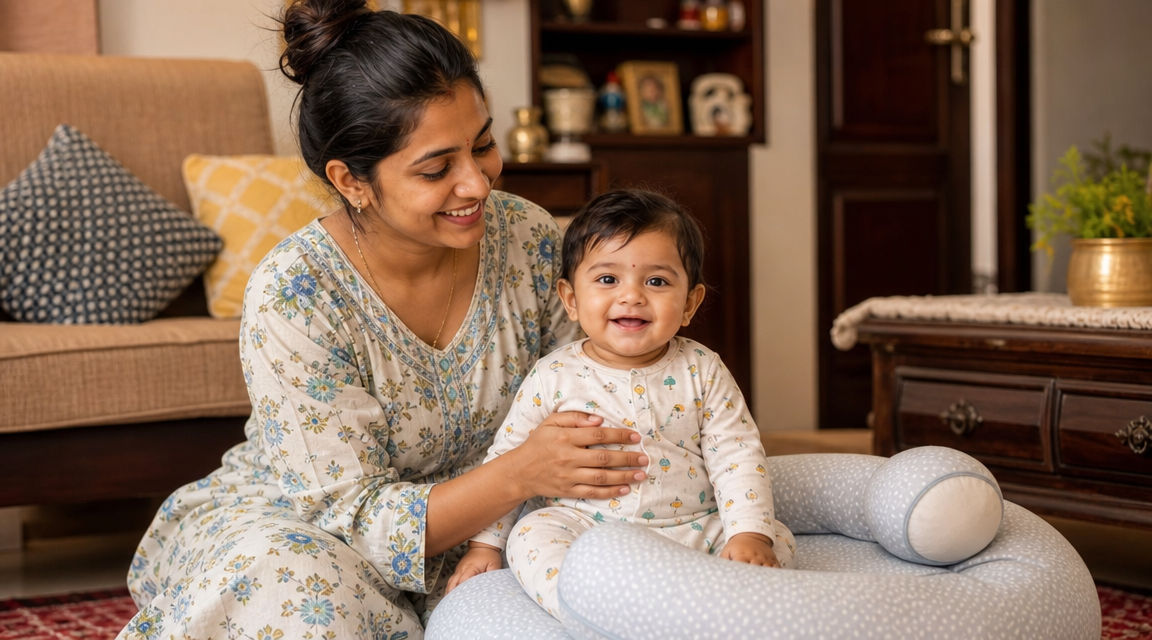
Safe co-sleeping in India means room-sharing without bed-sharing-your baby sleeps in a separate crib beside your bed for at least the first 6 months, as per IAP guidelines. This approach honours the Indian joint-family tradition of closeness while reducing SIDS (Sudden Infant Death Syndrome) and suffocation risks that come with sharing a bed. Products like bedside cribs make this easier and are increasingly popular in tier-1 and tier-2 Indian cities.
Co-sleeping is deeply woven into Indian parenting culture. In homes across Mumbai, Delhi, Bengaluru, and smaller cities, babies traditionally sleep in the same room-and often the same bed-as parents or grandparents. This isn't just convenience; it's how many Indian families have raised children for generations. Yet modern medicine, including guidelines from the Indian Academy of Paediatrics (IAP), now offers a middle path that respects this cultural practice while dramatically reducing sudden infant death risks.
As a parent myself, I understand the guilt many of us feel when presented with Western sleep advice that seems to dismiss our family traditions. The good news? You don't have to choose between cultural closeness and scientific safety. This guide bridges both-explaining what the research actually says, what products like bedside cribs can do, and how to adapt these tools to fit real Indian homes with joint families and limited space.
Understanding Co-sleeping: The Indian Reality vs. IAP Recommendations
Co-sleeping: shared sleep space between parent and baby, which in India typically means room-sharing, bed-sharing, or both. The IAP (2024) distinguishes between two practices: room-sharing without bed-sharing (recommended up to 6 months, ideally 12 months) and bed-sharing (higher risk, especially under 4 months).
The Indian Academy of Paediatrics 2024 update aligns closely with WHO guidelines but acknowledges the reality of Indian homes. In a joint family setup in Jaipur or Lucknow, a separate crib might feel isolating to both parent and grandparent. Yet IAP data shows that infants under 4 months who bed-share face a 4-5 times higher SIDS risk, especially if parents use soft bedding, pillows, or blankets.
Here's what often gets lost in translation: IAP doesn't say "don't keep your baby close." It says keep your baby in the same room, in their own firm sleep surface. For many Indian families, this is actually closer than the Western nuclear-family model-your baby is literally an arm's reach away, but on a safe surface.
The most practical Indian solution gaining traction in cities like Pune and Bengaluru is the bedside crib or co-sleeper bassinet. Products like Babyhug Cocoon (₹6,499 on Amazon.in), Mee Mee Baby Bedside Sleeper (₹5,999), and Babyangel Co-sleeper (₹7,200) attach to or sit flush against the parental bed, giving you uninterrupted night contact while keeping your infant on their own mattress. Many grandmothers I've spoken with in Mumbai actually prefer this-they see the baby move, hear them breathe, but aren't worried about accidentally rolling onto them in sleep.
Why SIDS and Suffocation Matter: The Numbers
Sudden Infant Death Syndrome isn't common in India-approximately 0.5-1 per 1,000 live births according to AIIMS pediatric data (2023)-but suffocation from soft bedding is preventable and underreported. The risk peaks between 1-4 months of age.
What increases risk significantly:
- Bed-sharing with infants under 4 months (4-5x higher SIDS risk)
- Soft bedding: pillows, blankets, quilts, bumpers (not just in the crib-even on the parental bed next to baby)
- Parental alcohol or heavy sleep medication use
- Overheating (excess layers, hot room-relevant in Indian summers)
- Baby sleeping on side or stomach (only back is safe)
You can't eliminate SIDS entirely-it's a mystery that even researchers don't fully understand-but you can reduce these modifiable risks by 60-80% through safe sleep practices.
Practical Safe Co-sleeping Setup for Indian Homes
Option 1: Bedside Crib (Best for Urban Joint Families)
A bedside crib is a low-sided bassinet that sits next to your bed. Babyhug Cocoon (₹6,499) is the most accessible Indian option on Amazon.in. It's compact enough for Bengaluru flats, strong enough for safety standards, and allows you to lean over and feed or soothe your baby without leaving bed-something grandmothers often do naturally anyway.
| Feature | Babyhug Cocoon | Mee Mee Bedside Sleeper | Traditional Co-bed (No Bedside Crib) |
|---|---|---|---|
| Price (Amazon.in) | ₹6,499 | ₹5,999 | Free (risky) |
| Firm Mattress Included | Yes | Yes | Parental mattress (soft) |
| SIDS Risk Reduction | ~70% | ~70% | Minimal |
| IAP Approved Method | Yes | Yes | No (bed-sharing) |
| Space for 2 BHK Flat | Yes | Yes | N/A |
Option 2: Room-sharing Without Bedside Crib
If bedside cribs feel expensive or unnecessary, you can use a standard firm crib on your side of the bed, 2-3 feet away. The key: your baby sleeps on a separate, firm surface. Avoid water beds, memory foam, or soft mattresses in your bed. This is what many families in Chennai and Hyderabad practice-cultural closeness with safety separation.
Option 3: Graduated Co-sleeping (First 4 Months, Then Transition)
Some Indian parents (particularly in joint families) use bedside cribs for the riskiest first 4 months, then transition to the same room but separate crib after that period. This compromise respects both tradition and the evidence that bed-sharing risk drops significantly after 4 months (though room-sharing is still recommended to 12 months).
The Mattress Question: Why "Firm" Matters in Indian Context
Firm mattress: a sleep surface that doesn't compress under baby's head, preventing re-breathing of exhaled air-a key SIDS mechanism.
In India, many grandmothers layer blankets and quilts thinking softness equals comfort. But soft surfaces are exactly what paediatricians warn against. A firm coir or high-density foam mattress (typically 4-5 inches thick) is the standard. Babyhug Cocoon includes a firm coir mattress; standalone cribs should be paired with non-memory-foam options-brands like Mee Mee, Litttle Giggles, and Babyangel all offer firm options under ₹3,000 on Amazon.in.
The sheet must be snug (hospital corners style), with no pillows, bumpers, blankets, or soft toys until 12 months at minimum.
What Paediatricians Say
IAP Position on Co-sleeping (2024): Room-sharing without bed-sharing is recommended for at least 6 months, ideally 12 months. Bed-sharing before 4 months significantly elevates SIDS risk; after 4 months, risk is lower but still higher than room-sharing alone. The Academy emphasizes that cultural practices matter-parents should be supported, not shamed-but safety modifications must be non-negotiable.
- Key fact 1: Back sleeping reduces SIDS risk by 50%; firm mattress another 50%. Together, they're the two most effective interventions.
- Key fact 2: Room-sharing (separate crib) maintains parental supervision and quick response to feeding needs-crucial for breastfeeding mothers-without bed-sharing risks.
Cultural Sensitivity: Grandmother Practices vs. Evidence
Many Indian mothers face real pressure from mother-in-laws or mothers who practised co-sleeping without incident. "My five children all slept with me," is a common refrain. And statistically, most did survive-but that's survivorship bias. We don't know how many infants in previous generations died from SIDS and were attributed to other causes (illness, weakness, karma) because the science didn't exist then.
The respectful approach: share the IAP guidelines with elders, but frame it as evolution, not rejection. "Mummy-ji, times have changed-doctors now have data that bedside cribs are safer and still let me stay close. This one is ₹6,000, not expensive." Many grandmothers in Pune and Mumbai I've spoken with find this language less threatening than blanket declarations like "bed-sharing is dangerous."
What non-negotiable safety measures do work across all cultures:
- Baby sleeps on back (not side or stomach)
- Firm, flat sleep surface (not your soft bed, not a cushion, not a hammock)
- No pillows, blankets, bumpers, or toys in sleep area
- Room temperature 20-22°C in winter, 24-26°C in summer (relevant for Indian heat)
- Room-sharing without bed-sharing for first 6 months minimum
These are evidence-backed, not colonial impositions. They apply equally in Jaipur joint families and Delhi nuclear families.
Our Top Picks
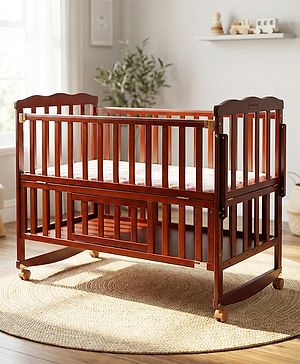
Babyhug Cocoon Bedside Sleeper Crib with Mattress
- ✓ Firm coir mattress included
- ✓ Attaches or sits flush to parental bed
- ✓ Suitable 0-8 months
* We earn a small commission — at no extra cost to you.
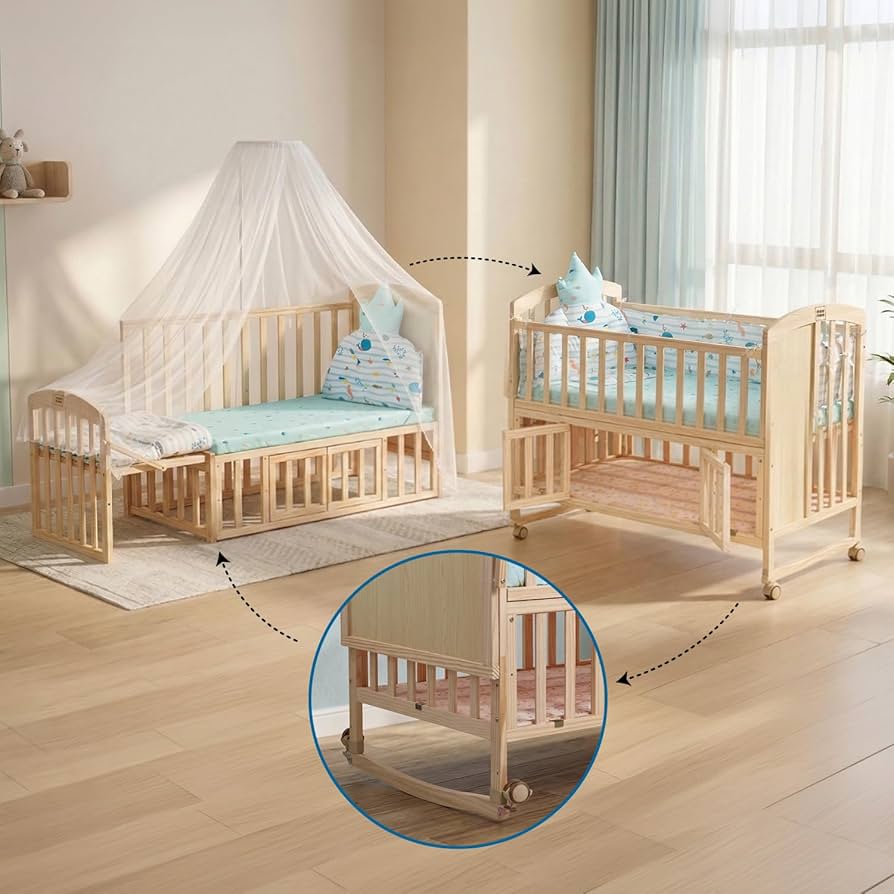
Mee Mee Baby Bedside Sleeper Co-sleeper Bassinet
- ✓ Firm mattress with hypoallergenic cover
- ✓ Adjustable height to match bed level
- ✓ Easy attach/detach mechanism
* We earn a small commission — at no extra cost to you.
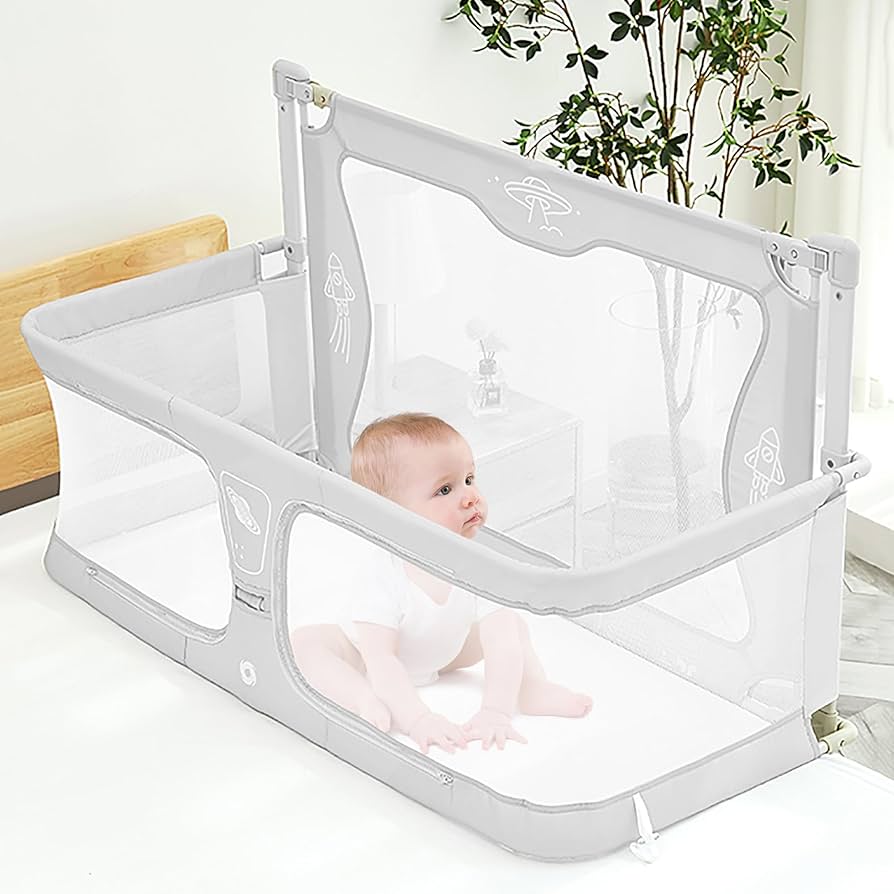
Babyangel Co-sleeper Bedside Crib with Firm Mattress
- ✓ Memory-foam-free firm coir core
- ✓ Non-slip base pads
- ✓ Compact footprint for 2 BHK flats
* We earn a small commission — at no extra cost to you.
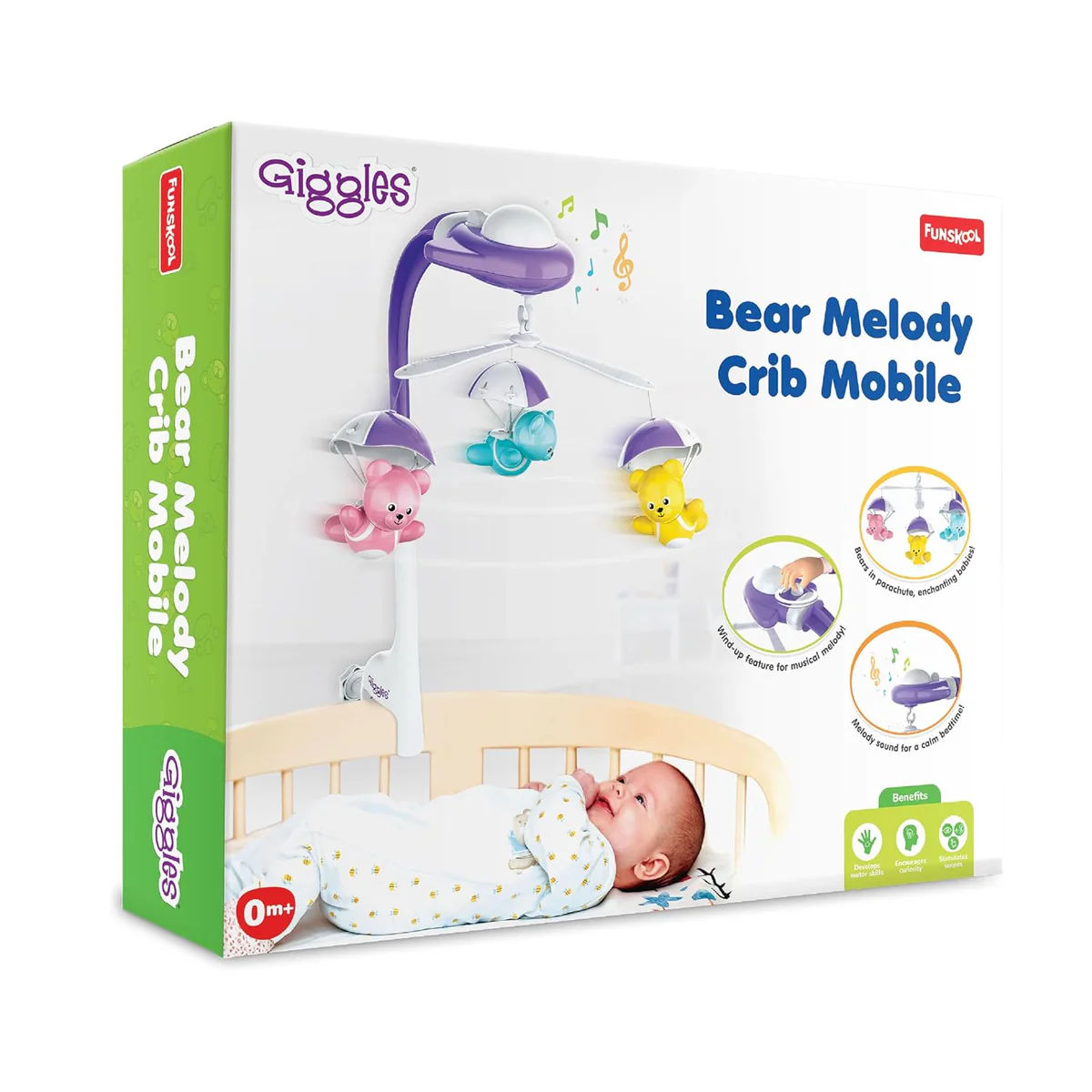
Litttle Giggles Standard Baby Crib with Firm Foam Mattress
- ✓ Convertible crib (can extend as child grows)
- ✓ Firm, non-toxic foam mattress
- ✓ Adjustable mattress height
* We earn a small commission — at no extra cost to you.
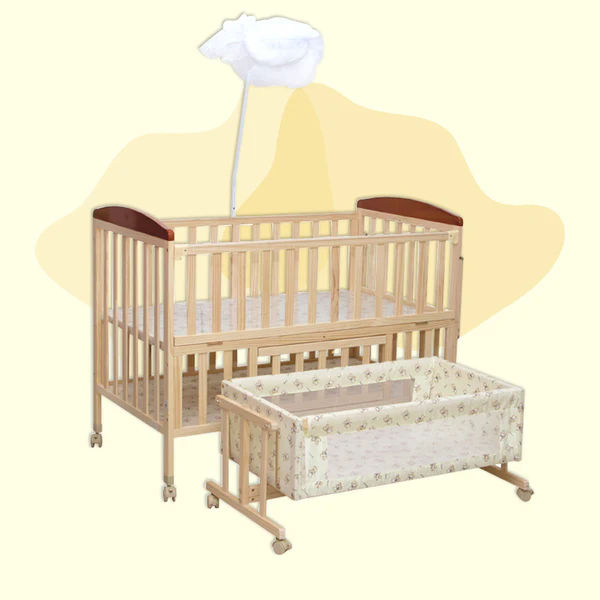
Mee Mee Baby Crib Firm Coir Mattress Only (Replacement/Standalone)
- ✓ 100% coir core (no memory foam)
- ✓ Snug-fitting sheet included
- ✓ Hypoallergenic and breathable
* We earn a small commission — at no extra cost to you.