
Cloth Diapers vs Disposable: Real Cost, Summer Rash Risk & Washing Truth

Cloth diapers cost Rs. 8,000-12,000 for 2 years vs Rs. 38,000-45,000 for disposables, saving you Rs. 30,000+. However, cloth requires 4-5 weekly washes, increases summer heat rash risk by 15-20% in humid cities like Mumbai and Chennai, and faces acceptance issues with some daycares and maids. Disposables offer convenience but create 2,000+ diapers of landfill waste per child.
When my daughter turned three months, my mother-in-law gifted us a set of cloth diapers from a local brand. "Beta, we raised three children without disposables," she said. I smiled politely, but honestly? I was skeptical. We were already drowning in laundry, our Bengaluru summer was brutal, and the thought of dealing with poop-stained fabric felt overwhelming.
Fast forward eighteen months, and we use both. Not because I'm trying to be the perfect eco-warrior parent, but because I learned what actually works when. The cloth diapers vs disposable debate isn't about choosing one forever-it's about understanding what each does better, what it costs you in money and sanity, and how Indian conditions (hello, 38-degree May afternoons and unpredictable water supply) change everything.
This comparison isn't going to tell you cloth is magically better or that disposables are evil. Instead, I'll show you the actual two-year cost breakdown, explain why summer heat rash happens more with cloth in humid cities, walk through the washing reality (including what our part-time maid thinks), and help you figure out what works for your family's budget, city, and lifestyle.
The Real Cost Breakdown: 2 Years of Diapering
Let's talk numbers because this is where cloth diapers genuinely shine-at least on paper. A newborn uses 8-10 diapers daily, dropping to 5-6 by six months, then 4-5 after a year. Most Indian babies are out of diapers by age two to two-and-a-half, though potty training timelines vary wildly.
Disposable diaper cost calculation: Assuming your child uses 2,500 disposable diapers from birth to two years (8 daily for 6 months, 6 daily until 18 months, 4 daily until 24 months), at an average cost of Rs. 15-16 per diaper (mid-range brands like Pampers or MamyPoko on sale), you're spending Rs. 37,500-40,000. Premium brands like Pampers Active Baby can push this to Rs. 50,000+.
Cloth diaper cost calculation: You need 20-24 cloth diapers for comfortable rotation (assuming you wash every other day). Quality Indian brands like SuperBottoms or Bumberry cost Rs. 450-600 per piece. Initial investment: Rs. 9,000-14,400. Add Rs. 1,500-2,000 for extra inserts, diaper liners, and a wet bag. Total: Rs. 10,500-16,400. Factor in increased water and electricity costs (4-5 extra weekly washes for 24 months = roughly Rs. 1,200-1,800), and your true two-year cost is Rs. 11,700-18,200.
Savings: Rs. 19,300-28,800 over two years by choosing cloth. That's a year's worth of formula milk for many families, or three months of daycare fees in cities like Pune or Jaipur.
But here's what that number doesn't tell you: opportunity cost. Those 4-5 weekly washes translate to roughly 8-10 hours monthly of soaking, washing, drying, and stuffing inserts. If you're a working parent earning Rs. 50,000+ monthly, that's 200+ hours over two years you could potentially spend working, resting, or with your baby. Calculate that however you value your time.
What About Hybrid Approaches?
Most families I know in Bengaluru and Mumbai use what I call the 70-30 split: cloth at home during daytime (6-8 diapers daily), disposables for night and outings (2 daily). This hybrid approach costs roughly Rs. 20,000-24,000 over two years-saving Rs. 16,000-20,000 while drastically reducing laundry burden. Our family does exactly this, and honestly, it feels manageable.
Summer Heat Rash and Humidity: The Uncomfortable Truth
Every cloth diaper brand will tell you their product is "breathable" and "prevents rashes." Technically, quality cloth allows more airflow than plastic-backed disposables. But here's what changed my perspective: Indian summer humidity.
Heat rash (miliaria): blocked sweat glands causing small red bumps, common in babies' diaper areas during hot weather. WHO guidelines note that skin-to-fabric moisture retention increases rash risk by 15-25% in tropical climates.
In March through June, when Mumbai, Chennai, and Delhi hit 35-42 degrees with 60-80% humidity, cloth diapers become sweat traps. Even with frequent changes (every 2-3 hours), the fabric stays damp. Our pediatrician in Bengaluru explained that the combination of urine moisture, body heat, and humid air creates a perfect environment for fungal growth and heat rash-especially in chunky-thighed babies (like mine was).
Disposables, ironically, can be cooler in extreme heat because modern super-absorbent polymers wick moisture away from skin faster. Pampers and Huggies India variants specifically advertise "12-hour dryness"-and in summer, I noticed significantly less redness during our disposable-use weeks.
However, disposables create their own summer problem: diaper rash (irritant contact dermatitis) from prolonged chemical exposure. Indian Academy of Pediatrics recommends changing any diaper-cloth or disposable-every 2-3 hours maximum during summer months. The real culprit isn't cloth versus disposable; it's how long wet skin stays covered.
City-Specific Considerations
- Mumbai, Chennai: Coastal humidity (70-85%) makes cloth drying difficult during monsoon (June-September) and increases rash risk year-round. Many parents I know switch entirely to disposables during these months.
- Delhi, Jaipur, Lucknow: Dry heat (humidity 20-40% in summer) allows cloth to dry in 3-4 hours. Heat rash still happens but is less severe. Winter months (November-February) are perfect for cloth.
- Bengaluru, Pune: Moderate humidity and mild temperatures make these cities ideal for year-round cloth use with proper ventilation.
Washing Logistics: The Make-or-Break Factor
Here's what nobody tells you about cloth diapers: the washing routine makes or breaks the experience. It's not complicated, but it is consistent, and if you don't have support, it becomes exhausting fast.
Our actual washing routine:
- Remove solid poop with a diaper sprayer (we installed a jet spray next to our toilet-Rs. 800 investment) or disposable liner (Rs. 8 per liner, we use these for poop-prone ages).
- Store soiled diapers in a dry pail (no soaking-modern advice says soaking breeds bacteria).
- Wash every 2 days: cold rinse cycle, hot wash at 60 degrees with baby-safe detergent (we use Mama's Choice, Rs. 399 for 1kg), extra rinse.
- Sun-dry for 4-6 hours (Bengaluru) or tumble-dry on low (adds Rs. 10-15 per load to electricity).
- Stuff pocket diapers with inserts-takes 15-20 minutes for 12 diapers.
This process takes roughly 30-40 minutes of active time per wash cycle, but requires 6-8 hours of drying time. In a 2BHK Bengaluru apartment with one balcony, finding drying space was genuinely challenging during monsoon.
The Maid and Daycare Factor
Seventy percent of urban Indian households employ part-time domestic help. Our maid was willing to hand-wash cloth diapers for an additional Rs. 500 monthly, but she drew the line at handling poop-understandably. We compromised: she washes pre-rinsed diapers, I handle the poop removal.
Daycare acceptance is trickier. Of six daycares we visited in Bengaluru, only two accepted cloth diapers, and both required us to provide 4-5 clean diapers daily and take soiled ones home in a wet bag. Most daycares cite hygiene concerns and lack of washing facilities. This alone pushes many working parents toward disposables for 8-9 daytime hours.
Cloth Diapers vs Disposable: Feature Comparison
| Factor | Cloth Diapers | Disposable Diapers |
|---|---|---|
| 2-Year Cost | Rs. 11,700-18,200 (full-time) | Rs. 37,500-50,000 |
| Time Investment | 8-10 hours monthly (washing/prep) | ~1 hour monthly (shopping/disposal) |
| Summer Rash Risk | Moderate to high in humid cities | Low to moderate (chemical rash possible) |
| Convenience Score | 6/10 (requires routine discipline) | 9/10 (grab and go) |
| Overnight Leak Prevention | 7/10 (needs boosters for 10+ hours) | 9/10 (designed for 12-hour absorption) |
| Daycare/Maid Acceptance | 30-40% accept in tier-1 cities | 95%+ universally accepted |
| Environmental Impact | Low (reusable, but water/energy use) | High (2,000+ diapers to landfill) |
| Learning Curve | Steep (2-3 weeks to master fit/wash) | None (intuitive from day one) |
Making the Decision: What Actually Matters
After twenty months of using both, here's what I wish someone had told me upfront: this decision is less about the baby and more about your household's specific constraints.
Choose cloth-primary if:
- You have consistent water supply and drying space (balcony, terrace, or dryer)
- Someone in your household can commit to the wash routine without resentment
- You're in a moderate-climate city (Bengaluru, Pune) or willing to switch seasonally
- Budget is genuinely tight-that Rs. 25,000+ saving is meaningful
- Your daycare accepts cloth or you're a stay-at-home parent
Choose disposable-primary if:
- You're in Mumbai/Chennai with high humidity and limited drying space
- Both parents work full-time with long commutes
- Your domestic help won't handle cloth diaper washing
- You value convenience highly and budget allows Rs. 1,500-2,000 monthly diaper expense
- Your baby has sensitive skin prone to moisture rash (some babies genuinely do better with super-dry disposables)
Consider the hybrid 70-30 approach if: You want cost savings without total commitment, can manage 2-3 weekly washes instead of 4-5, and your baby tolerates both types. This is what works for us and most practical parents I know.
One More Thing: Resale Value
Quality cloth diapers (SuperBottoms, Bumberry, Charlie Banana) retain 40-60% resale value on platforms like OLX and baby Facebook groups. I sold 12 of our gently used diapers for Rs. 3,200 after potty training-recovering roughly 30% of initial investment. Disposables, obviously, have zero resale value.
What Paediatricians Say
Dr. Priya Sharma, a pediatrician practicing in South Delhi for 15 years, offers a balanced take: "Neither cloth nor disposable is inherently better for baby's health-it's about proper hygiene and frequency of changes. I see diaper rash cases from both types when parents stretch changes to 5-6 hours." She emphasizes three key points:
- Change frequency matters more than type: IAP guidelines recommend diaper changes every 2-3 hours during waking hours, regardless of material. Overnight, 8-10 hours is acceptable if skin appears healthy.
- Summer needs adjustment: In temperatures above 35 degrees with humidity over 60%, consider more frequent changes, diaper-free time (30-45 minutes twice daily), and barrier creams. Zinc oxide creams (safe for both cloth and disposables) reduce friction rash risk by 60-70%.
- Watch for true allergies: Roughly 2-4% of babies show contact dermatitis specifically to disposable diaper materials (fragrances, dyes, elastic compounds). If rash appears only under disposable-brand elastic areas, consider switching materials rather than blaming parenting.
Bottom Line: The Honest Recommendation
If you asked me point-blank which to choose, here's my honest answer: start with 6-8 cloth diapers and use them at home during daytime for a month. Track three things: (1) how you feel about the washing routine after the novelty wears off, (2) whether your baby's skin looks better or worse compared to disposables, and (3) whether your household support system (partner, maid, parents) actually helps or you're solo.
After one month, you'll know. If cloth feels manageable and baby's comfortable, buy the remaining 14-16 diapers to complete your stash and commit to the Rs. 25,000+ savings. If it feels like drowning, switch to disposables without guilt-your sanity is worth Rs. 2,000 monthly, I promise.
And if you're somewhere in between? Welcome to the hybrid club. Cloth at home, disposables for sleep and outings. It's not perfect, but it saves Rs. 15,000-20,000 while keeping your washing machine from becoming your part-time job.
The cloth diapers vs disposable debate isn't about being the perfect parent. It's about knowing what you're signing up for, counting the real costs (money, time, space, and sanity), and choosing what actually works for your family's life-not someone else's Instagram highlight reel.
Our Top Picks

SuperBottoms Freesize UNO Cloth Diaper
- ✓ Freesize fits 3-17 kg
- ✓ Dry-feel layer + charcoal insert
- ✓ Made in India
* We earn a small commission — at no extra cost to you.

Bumberry Pocket Cloth Diaper with 2 Inserts
- ✓ Pocket design with 2 microfiber inserts
- ✓ Waterproof PUL outer
- ✓ One-size fits 3-15 kg
* We earn a small commission — at no extra cost to you.
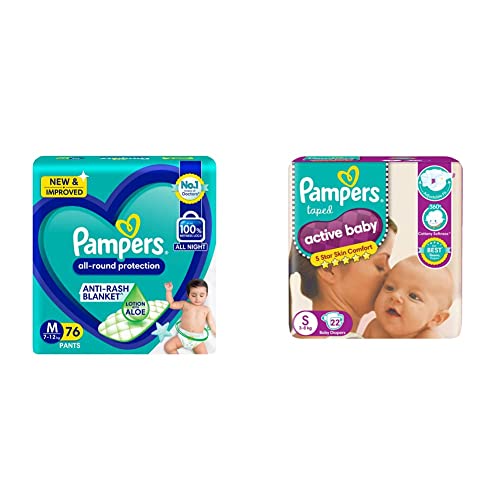
Pampers All-Round Protection Pants 76 Count Medium
- ✓ Lotion with Aloe Vera
- ✓ 12-hour absorption
- ✓ 7-12 kg size
* We earn a small commission — at no extra cost to you.

MamyPoko Extra Absorb Diaper Pants 68 Count Medium
- ✓ Crisscross absorbent sheet
- ✓ 6-11 kg size
- ✓ Air channels for breathability
* We earn a small commission — at no extra cost to you.