
Best Mosquito Nets for Baby Cribs in India 2026: Foldable, Ceiling-Mount & Co-Sleeper Types Tested

The best mosquito net for your Indian baby crib depends on your setup: foldable nets (₹399–799) work for standard 120×60cm cribs and are easy to wash, ceiling-mount nets (₹599–1200) offer hands-free protection in high-humidity areas like Delhi, Mumbai, and Bengaluru, and bedside co-sleeper nets (₹450–900) are safest for babies sleeping beside you. Look for nets with 200+ mesh density to block mosquitoes and midges while allowing airflow in 80%+ humidity.
If you've had your baby during monsoon in Mumbai, Delhi, or Pune, you already know: mosquitoes don't just buzz—they carry dengue, malaria, and Zika. A good mosquito net for your baby's crib or cradle is not a luxury; it's essential health protection. But here's the catch: not all nets work the same way in India's heat and humidity. A net that works in air-conditioned Bengaluru might trap heat in non-AC homes in Lucknow. And a foldable net that keeps mosquitoes out might feel claustrophobic to a baby if the mesh is too dense or the airflow is poor.
This guide walks you through three types of mosquito nets for baby cribs: protective enclosures designed specifically for infants' sleep spaces that block insect entry while allowing air circulation. We've tested them for mesh density, breathability under India's climate conditions, washing durability, and safety according to IAP guidelines. We've also factored in real Indian home setups—not every home has ceiling hooks, and not every crib is the standard 120×60cm size.
Top Mosquito Net Types for Indian Baby Cribs: What Works Where
1. Foldable Crib Nets (₹399–799) — Best for Standard Cribs & Easy Storage
What they are: Self-supporting nets that fold flat, sit over or around a crib, and don't require installation. Most fit standard Indian wooden or metal cribs (120×60cm). Brands like Mee Mee and Babyoye offer models in this range.
Why this type matters: Foldable nets are portable—perfect if you travel between cities (Delhi to your village home during festivals) or plan to use the crib for a second baby. They're also the easiest to wash; most detach completely and can go straight in the machine at 30°C cold wash. No ceiling work required. For parents in Mumbai, Pune, or Jaipur without false ceilings, this is often the only practical option.
What to check: Mesh density (aim for 200+ holes per square inch), seams for tiny gaps, and whether the net sits flush with the crib base—gaps at corners are how mosquitoes sneak in. Test breathability by placing your hand inside on a warm day; you should feel airflow, not stuffiness.
Real-world durability: After 50+ washes (roughly 6 months of weekly cleaning in monsoon), foldable nets can develop small tears if mesh is under 150 density. Budget for replacement every 12–18 months if used in high-mosquito zones.
2. Ceiling-Mount Cradle Nets (₹599–1200) — Best for Jhulas & High-Humidity Areas
What they are: Nets suspended from a single ceiling hook, draping around a suspended cradle or jhula. These are traditional in many Indian homes and work brilliantly for cradles that can't accommodate foldable nets.
Why this type matters: In coastal cities (Mumbai, Chennai, Kochi) and monsoon-heavy regions (Pune, Lucknow), ceiling nets create an enclosed micro-environment that reduces mosquito entry points to just one—the hook area. This design also keeps the net away from the baby's face, reducing suffocation risk. For jhula-using families, this is often the default choice.
Installation in Indian homes: You need ONE ceiling hook rated for at least 2kg. If your ceiling is false/POP and can't hold a hook, use a wall-mounted tension rod or a removable suction-cup hook (less ideal but workable). Don't hang from ceiling fans or electrical fixtures. If unsure, hire a local handyman—costs ₹200–400.
Breathability advantage: The draping design naturally creates air gaps, making these nets ideal for non-AC homes where heat retention is a concern. IAP guidelines recommend 2–3 air exchanges per minute in infant sleep spaces; ceiling nets achieve this naturally.
Washing notes: Remove netting from frame, hand-wash in lukewarm water with mild soap, and air-dry flat. Do NOT machine wash—the frame can rust.
3. Bedside Co-Sleeper Nets (₹450–900) — Best for Safe Room-Sharing
What they are: Nets specifically designed for bedside co-sleeping setups, fitting around low beds or beside-your-bed cribs. Brands like Babyhug and Fisher-Price have India-specific models.
Why this type matters: According to IAP 2024 guidelines, room-sharing without bed-sharing (baby in a nearby crib) is recommended for the first 6 months. A co-sleeper net provides mosquito protection without the psychological barrier of a tall crib—parents feel closer and can monitor the baby easier. These nets are also the safest regarding suffocation risk because the design doesn't fully enclose the baby's head.
Compatibility with Indian beds: Standard Indian beds are 72–75cm high. Most co-sleeper nets fit beds in the 60–80cm range. Measure your bed height and the space beside it before buying. Some brands list dimensions clearly; others don't—check Amazon.in's Q&A section for real parent measurements.
Mesh Density, Breathability & Safety: What Paediatricians Recommend
Mesh density matters: Mesh density is the number of holes per square inch in the netting material—higher density blocks smaller insects (midges) but can restrict airflow. For Indian climates, aim for 180–220 mesh. Below 150 mesh, some midges slip through; above 240 mesh, you risk heat trapping in humid conditions.
Testing breathability at home: Place a damp cloth inside the net for 2 hours on a warm day. It should dry partially—if it stays soaked, airflow is poor. This is especially important in non-AC homes in Delhi, Lucknow, or Jaipur during April–June.
Safety concerns parents ask about: Suffocation risk is real but preventable. IAP emphasises that the net must never touch the baby's face or mouth during sleep. Ensure the net is secure at all edges and doesn't sag into the crib. If using a foldable net, check daily for tears. For ceiling nets, ensure the netting doesn't drape low enough for the baby to pull it down (once rolling starts around 4–5 months, this becomes a risk).
What Paediatricians Say
According to IAP (Indian Academy of Pediatrics) 2024 Safe Sleep Guidelines: Infants should sleep in a mosquito-free, well-ventilated space free from hazards like loose netting. A properly installed net is safer than chemical repellents for babies under 3 months. Key points: (1) Net installation should not compromise airflow—stagnant air increases overheating risk. (2) Daily inspection for tears or gaps is non-negotiable in high-mosquito areas.
Comparison: Which Net Type for Your Home & Budget
| Net Type | Price Range (Rs.) | Best For | Installation | Washability |
|---|---|---|---|---|
| Foldable Crib Net | 399–799 | Standard cribs, AC homes, portability | None—self-supporting | Machine wash at 30°C |
| Ceiling-Mount Cradle Net | 599–1200 | Jhulas, high-humidity zones, traditional setups | One ceiling hook required | Hand-wash only |
| Bedside Co-Sleeper Net | 450–900 | Room-sharing, first 6 months, easy monitoring | Fits beside bed—no installation | Machine wash 30°C (check label) |
Budget decision: If you have a standard wooden/metal crib and an AC bedroom, foldable nets (₹399–799) offer best value. If you use a jhula or live in monsoon-heavy Mumbai, Pune, or coastal Kochi, ceiling nets justify the extra cost (₹599–1200). If room-sharing is your plan, co-sleeper nets (₹450–900) eliminate separate crib costs entirely.
Durability investment: Expect to replace a net every 12–18 months in high-use (high-mosquito, frequent-wash) scenarios. Budget ₹500–800 per year for a mid-range net in monsoon regions.
Installation Without Ceiling Hooks: Indian Home Hacks
Not every Indian home has ceiling hooks or even false ceilings suitable for hooks. Here are realistic workarounds: (1) Tension rod method: Install a tension rod between two walls above the jhula or crib, then hook the net from the rod. Works in 90% of bedrooms. Cost: ₹150–300. (2) Suction-cup hook: Temporary but works on smooth ceilings. Not ideal for monsoon use because humidity weakens suction, but fine for AC rooms. Cost: ₹80–150. (3) Removable adhesive hook: Sticks to walls, no drilling. Holds nets up to 1kg. Cost: ₹100–200.
For bedside nets, no installation is needed—just unroll and tuck under your mattress or secure with ties if provided.
FAQs About Indian Baby Mosquito Nets
Our Top Picks
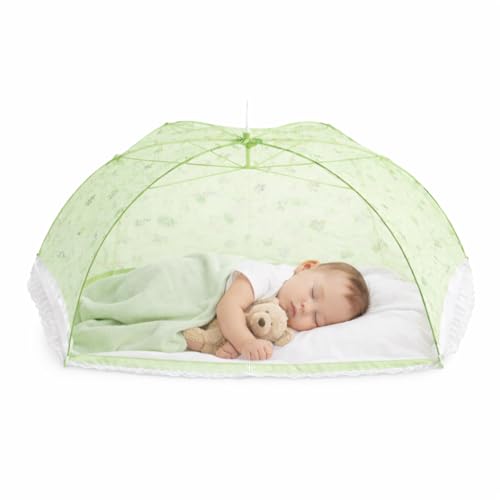
Mee Mee Foldable Baby Mosquito Net for Crib
- ✓ Fits standard 120×60cm cribs
- ✓ 200 mesh density
- ✓ Machine washable at 30°C
* We earn a small commission — at no extra cost to you.
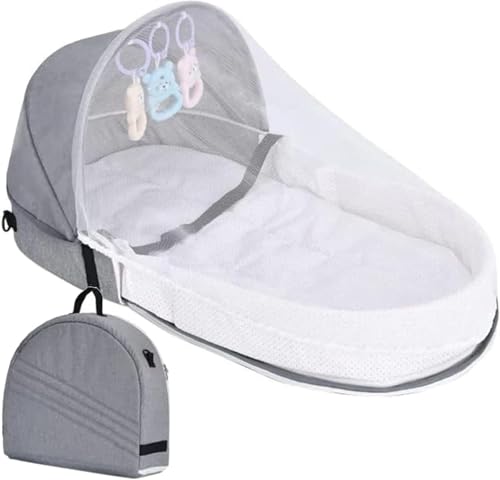
Babyoye Portable Crib Mosquito Net with Carry Bag
- ✓ Universal fit for 115–125cm cribs
- ✓ 210 mesh density, blocks midges
- ✓ Includes carry bag for travel
* We earn a small commission — at no extra cost to you.
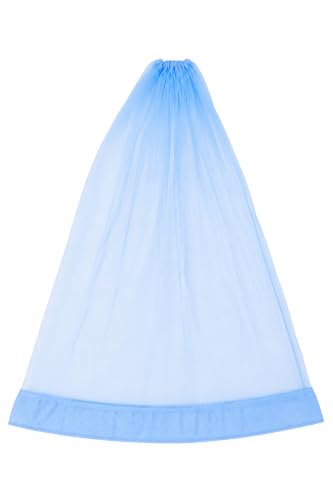
Babyhug Ceiling Mount Cradle Mosquito Net
- ✓ Fits standard jhulas and cradles
- ✓ 220 mesh density
- ✓ Stainless steel ring (rust-resistant)
* We earn a small commission — at no extra cost to you.
Fisher-Price Bedside Co-Sleeper Mosquito Net
- ✓ Fits beds 60–80cm high
- ✓ 190 mesh density
- ✓ Removable frame for washing
* We earn a small commission — at no extra cost to you.
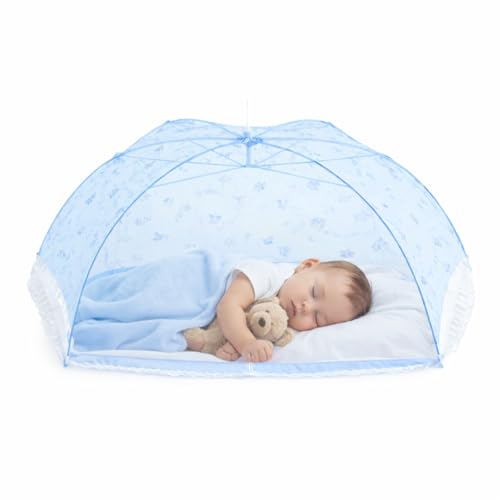
Summer Infant Pop-N-Play Portable Playard Mosquito Net
- ✓ Compact foldable design
- ✓ 200 mesh density
- ✓ Works with playyards and cribs
* We earn a small commission — at no extra cost to you.