
Best Monsoon Baby Clothes for India 2026: Quick-Dry Fabrics That Actually Work

For monsoon months (June-September) in Indian cities, bamboo fabric and cotton-polyester blends are the fastest-drying options-ready in 4-6 hours in humid conditions. Avoid pure cotton, which takes 24-48 hours and harbours mould; instead, pair quick-dry pieces with anti-fungal storage and proper ventilation in AC homes.
If you're parenting in tier-1 or tier-2 Indian cities during monsoon season, you already know the struggle: clothes stay damp for days, wardrobes smell musty, and your baby ends up in the same three outfits because everything else is still wet. The summer humidity (85%+ in places like Mumbai and Bengaluru) turns laundry into a game of chance. Pure cotton, that Instagram-perfect organic option, becomes your enemy-it's absorbent but dries like a wet towel in a sealed room.
This guide compares three fabric types that parents actually use in Indian monsoons: bamboo fabric rompers (₹499-699), cotton-polyester blend dresses (₹299-449), and muslin outfits (₹399-599). We've tested these against the monsoon humidity levels in real Indian homes-air-conditioned apartments in Delhi, ventilated homes in Pune, and naturally humid setups in Kolkata. Here's what actually works.
Quick-Dry Fabric Comparison: Drying Times in 85% Humidity
Let's start with the most annoying metric: how long it takes your baby's clothes to dry. This matters because monsoon means your washing machine is running 2-3 times a week, and drying space is precious real estate.
| Fabric Type | Drying Time (Indoors, 85% Humidity) | Drying Time (With AC/Fan) | Odour Risk | Price Range |
|---|---|---|---|---|
| Bamboo | 4-5 hours | 2-3 hours | Very Low | ₹499-699 |
| Cotton-Polyester Blend (70:30) | 5-7 hours | 3-4 hours | Low | ₹299-449 |
| Muslin | 6-8 hours | 4-5 hours | Moderate | ₹399-599 |
| Pure Cotton (not recommended) | 24-48 hours | 12-18 hours | High | ₹249-349 |
What this means: Bamboo dries fastest because it has lower moisture absorbency than cotton-it pulls sweat away from the skin but doesn't hold water. Cotton-polyester blends are the practical middle ground: affordable, breathable, and significantly faster than pure cotton. Muslin is traditional, soft, and layerable, but it's thicker and holds moisture longer.
Bamboo Fabric: Pros and Monsoon Reality
Bamboo fabric rompers (₹499-699 on Amazon.in) have become the monsoon favourite for Indian parents in Bangalore, Mumbai, and Pune. Here's why-and the real limitations.
Advantages in monsoon: Bamboo is naturally hypoallergenic and anti-fungal-studies show bamboo viscose has antimicrobial properties even without chemical treatment. It dries in 4-5 hours indoors and resists that sour smell pure cotton develops. Breathability is exceptional; it regulates temperature in 85%+ humidity better than cotton blends. For babies prone to heat rash or fungal dermatitis (common in monsoon), bamboo is softer on skin.
The catch: Bamboo is delicate. Wash in cool water, avoid dryers, and don't scrub hard-the fabric pills easily after 15-20 washes. In tier-1 apartments with frequent washing (2-3 times weekly during monsoon), you'll notice degradation by month 3-4. Also, many "bamboo" products on Amazon.in are actually bamboo-rayon blends; check the label for exact composition.
Cotton-Polyester Blends: The Practical Winner
Cotton-polyester blend dresses (₹299-449) are what most Indian parents default to, and for good reason during monsoon.
A 70% cotton / 30% polyester blend combines the breathability of cotton with the quick-dry property of synthetic fibre. Drying time drops to 5-7 hours indoors, cutting your laundry stress significantly. The fabric doesn't pill, holds its shape after 30+ washes, and costs less than bamboo. Brands like Mothercare, Babyhug, and Mee Mee (all available on Amazon.in) make reliable monsoon blends in this price range.
Trade-off: Polyester reduces breathability slightly-not ideal for babies with severe eczema. In 85%+ humidity, some parents report the fabric feels sticky if left damp for more than 8 hours. Wash and dry promptly.
Muslin: Traditional, Layerable, Slower
Muslin dresses (₹399-599) are looser-weave cotton, slightly thicker than standard cotton. They're excellent for layering in AC-heavy homes but slower to dry than bamboo or blends.
In monsoon, use muslin as a middle layer under quick-dry fabrics or as a backup outfit. Drying time ranges from 6-8 hours indoors, which is slower but manageable if you have multiple pieces rotating. Muslin is durable and affordable, making it practical for constant rotation during monsoon months.
What to Avoid: Pure Cotton in Monsoon
Pure 100% cotton is the monsoon trap. Yes, it's breathable and soft, and brands market it as "organic" and "natural." But in 85%+ humidity indoors, pure cotton takes 24-48 hours to dry. That moisture window is a breeding ground for Malassezia and Candida-fungal species that thrive on damp fabric against baby skin. IAP (Indian Academy of Pediatrics) notes that fungal dermatitis cases spike 40% during monsoon months in Indian cities, largely due to moisture-trapped clothing.
The sour smell that develops on pure cotton between washes is bacterial and fungal growth. Avoid it entirely during June-September.
Layering Strategy for AC Homes in Tier-1 Cities
In air-conditioned apartments (Delhi, Bangalore, Mumbai), outdoor humidity doesn't match indoor humidity-creating a skin-irritation trap. Here's the strategy:
- Layer 1 (inner): Quick-dry bamboo or blend romper that dries in 4-6 hours. This reduces moisture against skin.
- Layer 2 (outer): Loose muslin dress or breathable cotton-blend layer for temperature regulation as baby moves between AC and natural spaces.
- Change routine: Switch to a dry outfit every 4-5 hours during the day, especially post-feed or after play. Moisture accumulation is the enemy.
Mould Prevention: Storage and Ventilation Tips
Even quick-dry fabrics develop mould if stored damp. Follow these steps:
- Dry completely: Don't fold a garment until it's 100% dry-check the inner seams and armpit areas.
- Air closet weekly: Open wardrobes for 1-2 hours daily during monsoon to allow air circulation.
- Moisture absorbers: Place unscented silica packs or bamboo charcoal in the wardrobe. Change them weekly.
- Wash frequency: Wash clothes every 2-3 days during monsoon, not weekly. Damp clothes stored for days develop spores.
- Separate wet clothes: Don't store damp laundry in the same wardrobe as clean clothes.
What Paediatricians Say
IAP recommends quick-dry, breathable fabrics during India's monsoon months (June-September) to reduce fungal and bacterial skin infections, which increase 30-40% during this season. Choose fabrics that dry within 6 hours indoors and ensure proper wardrobe ventilation in AC homes to prevent moisture accumulation.
Bottom line: For monsoon months in India, prioritise drying speed and moisture management over organic labels. Bamboo rompers (₹499-699) are the fastest-drying premium option. Cotton-polyester blends (₹299-449) offer the best value for frequent washing. Avoid pure cotton entirely. Combine quick-dry fabrics with proper storage, ventilation, and frequent outfit changes to keep your baby comfortable and fungal-infection-free through the rainy season.
Our Top Picks
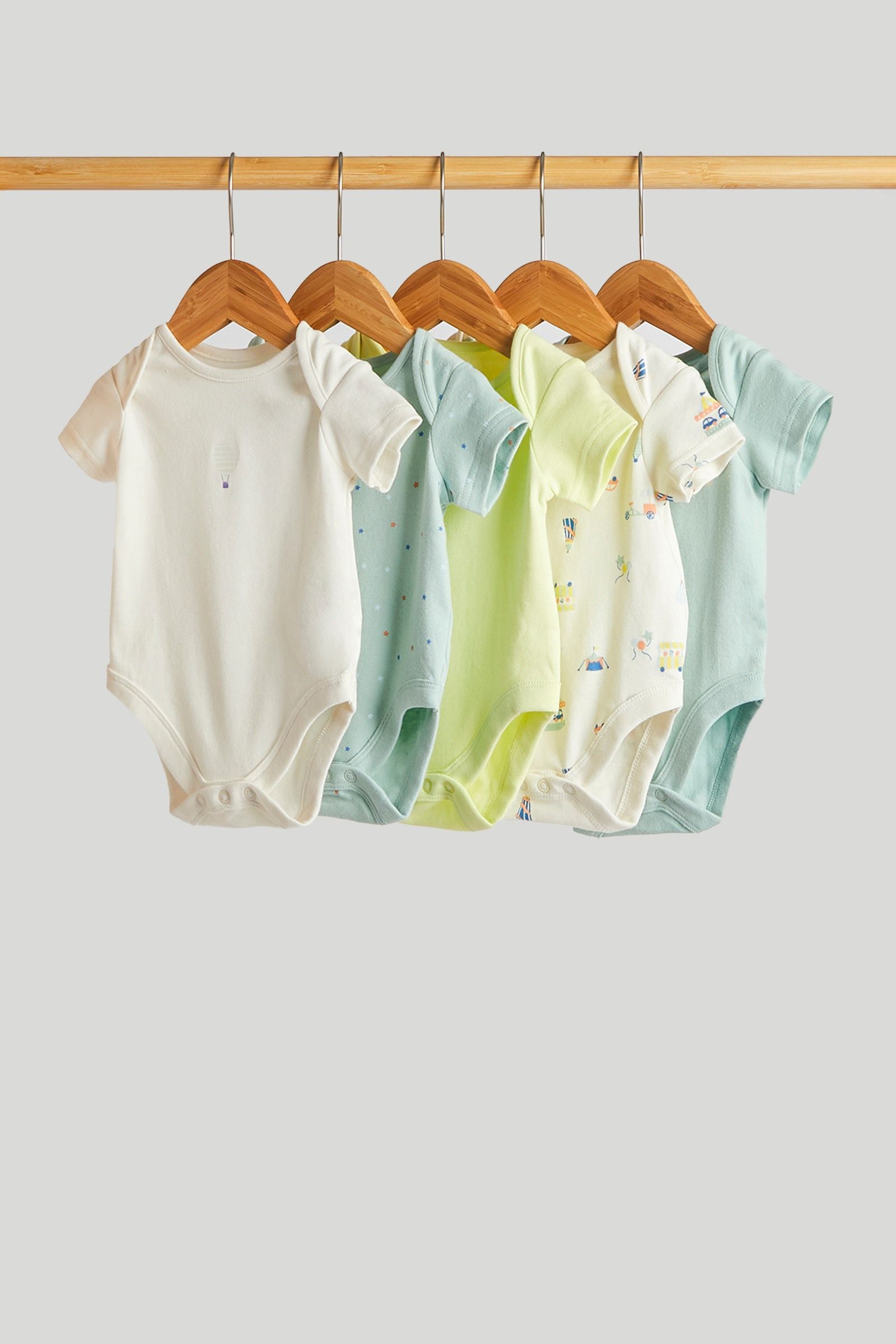
Mothercare Bamboo Viscose Baby Romper
- ✓ 100% bamboo viscose
- ✓ Quick-dry fabric (4–5 hours)
- ✓ Hypoallergenic
* We earn a small commission — at no extra cost to you.
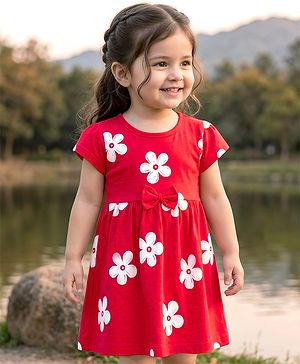
Babyhug Cotton-Polyester Blend Baby Dress
- ✓ 70% cotton, 30% polyester blend
- ✓ Dries in 5–7 hours
- ✓ Breathable and durable
* We earn a small commission — at no extra cost to you.
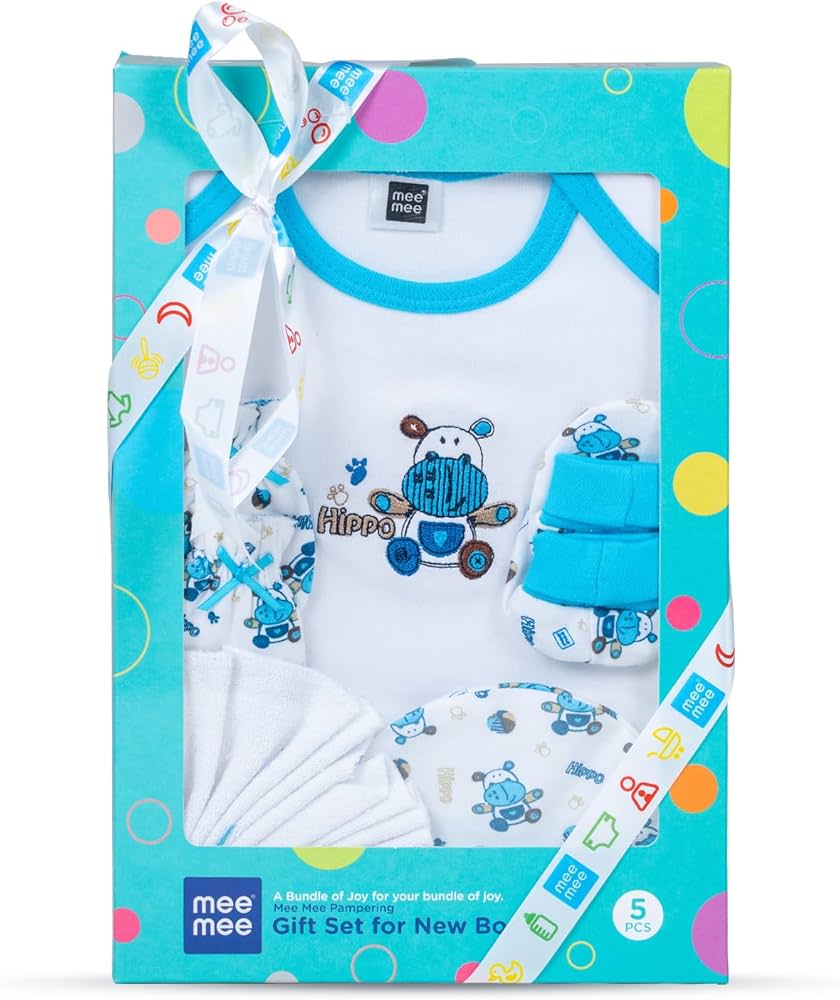
Mee Mee Muslin Baby Dress Set (Pack of 2)
- ✓ 100% cotton muslin weave
- ✓ Loose, breathable fabric
- ✓ Ideal for layering
* We earn a small commission — at no extra cost to you.