
Best Jablas for Newborns in India 2026: Traditional vs Modern Bodysuits for 0-3 Months

The best jablas for newborns in India combine easy navel access (critical for the first 2-3 weeks of cord healing) with breathable fabric for hot, humid summers. Traditional front-open jablas like Babyhug Cotton and Mothers Choice Organic remain the gold standard for most Indian families, while modern bodysuits work better for parents who prefer easier diaper changes and all-day wear.
Your dadi probably has strong opinions about how your newborn should be dressed-and honestly, she has a point. Traditional front-open jablas (also called jhably or jhabla: a loose, sleeveless front-buttoned garment designed to open fully without lifting over the baby's head) have been part of Indian baby care for generations, and paediatricians still recommend them for the first 8-12 weeks. But modern bodysuits, borrowed from Western baby culture, are gaining traction in tier-1 cities because they're convenient and reduce diaper-change fumbling. The truth? Both work, but for different reasons.
In this guide, I'm comparing 8 realistic options across price, fabric, navel access, and summer-readiness for babies aged 0-3 months in India. No fluff. Just what actually works in Mumbai humidity, Delhi heat, or Bengaluru's unpredictable weather.
Why Front-Open Jablas Still Matter for Indian Newborns
Let's start with the navel. During the first 2-3 weeks of life, your baby's umbilical cord stump needs air exposure and daily cleaning as part of cord care. According to IAP (Indian Academy of Pediatrics) guidelines, loose-fitting garments that don't rub against the navel area reduce infection risk and allow faster healing. Front-open jablas are designed specifically for this-the entire front opens flat, giving you clear access to the navel without undressing the baby fully.
Here's what paediatricians actually say: traditional jablas reduce friction against the healing cord, which matters during the first 3-4 weeks when the cord stump is still attached. After the cord falls off, this becomes less critical, but many Indian parents continue using jablas through 3 months because they're breathable, easy to layer, and perfect for India's heat.
Second advantage-temperature control. Indian summers are brutal, especially for newborns who can't regulate body temperature well. A light cotton jabla worn alone keeps your baby cool without the bulk of a full bodysuit. In winter or air-conditioned rooms, you can layer a jabla under a lightweight sweater.
| Product | Price (Rs.) | Fabric | Navel Access | Breathability | Best For |
|---|---|---|---|---|---|
| Babyhug Cotton Jabla Set (3-pack) | 299 | 100% cotton | Full front-open | Excellent | Budget-conscious, summer |
| Mothers Choice Organic Jabla | 499 | GOTS organic cotton | Full front-open | Excellent | Sensitive skin, premium |
| FirstCry Jhabla with Nappies | 399 | Cotton blend | Full front-open | Very good | Bundle buyers, value |
| Lula Front Open Sets (2-pack) | 549 | Muslin cotton | Full front-open | Excellent | Premium, long-term wear |
Modern Bodysuits: When They Make Sense
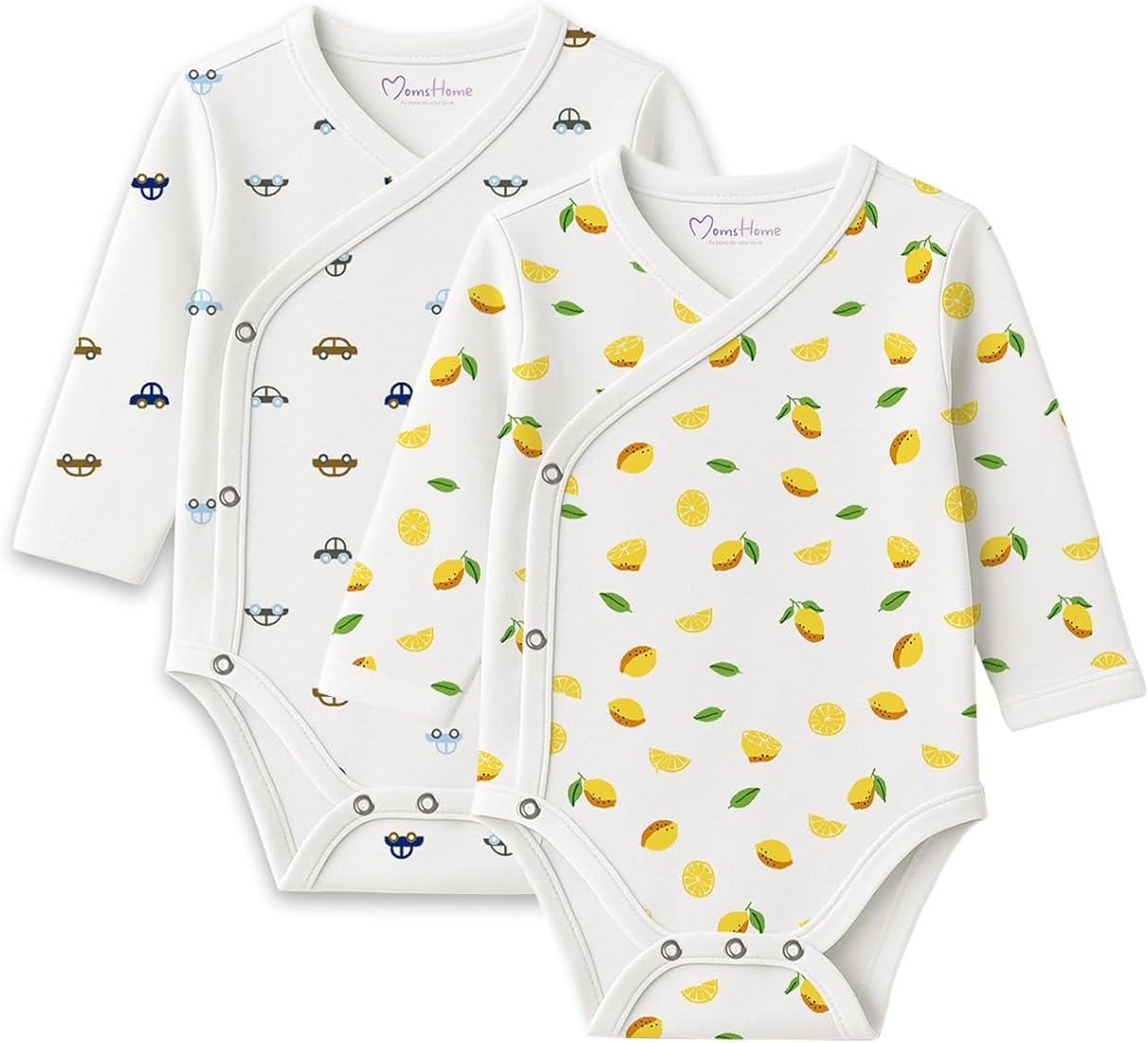
Modern bodysuits (baby bodysuits: a fitted one-piece garment that covers the torso and fastens between the legs for easy diaper access) offer something jablas don't-snap closures between the legs that make diaper changes faster and neater. No lifting, no fumbling with buttons, no risk of the garment riding up during changes.
The trade-off? During the first 3-4 weeks when the umbilical cord is still attached, bodysuits sit directly against the navel area. This is fine if your baby's cord care is going smoothly, but if the navel shows any redness, discharge, or odour (signs of cord infection), the friction from a fitted bodysuit can irritate the area further. Most paediatricians recommend waiting until the cord falls off (usually by 2-3 weeks) before switching to bodysuits, or using them only with proper navel-care precautions.
That said, bodysuits from brands like Babyhug Modern Bodysuit (around Rs. 399 for a 3-pack) work wonderfully from 4-6 weeks onward and are far easier for travel, daycare drop-offs, and overnight diaper changes.
Fabric Choices: What Actually Works in India's Heat
Cotton is non-negotiable for newborns in India. GOTS Organic Cotton: certified organic fabric grown without synthetic pesticides, labelled by the Global Organic Textile Standard; reduces allergen exposure for sensitive skin. Brands like Mothers Choice Organic (Rs. 499 per piece) use GOTS certification, which means no chemical residue and lower risk of skin irritation-important for babies with eczema-prone skin.
Muslin cotton (what Lula uses at Rs. 549 for a 2-pack) is thinner and more breathable than regular cotton-ideal for Delhi summers or Mumbai monsoons. Budget options like Babyhug (Rs. 299 for 3 pieces) use standard cotton, which is still perfectly fine; it's just slightly thicker, so the baby might feel warmer in peak summer.
Avoid synthetic blends, polyester, or any fabric marketed as "wrinkle-free" or "easy-care" unless explicitly tested for newborns. These often include chemical finishes that can irritate sensitive newborn skin.
Price vs Reality: What You Actually Need
Here's the honest truth: you need at least 6-8 jablas to get through a week comfortably, accounting for spit-up, nappy leaks, and laundry time. If you're buying a 3-pack at Rs. 299 (Babyhug), that's roughly Rs. 100 per jabla. A 2-pack at Rs. 549 (Lula) is Rs. 275 per piece.
For most families, buying 2-3 budget packs (Babyhug, FirstCry) at Rs. 300-400 per pack gives you a comfortable rotation without overspending. You can always upgrade to organic options (Mothers Choice at Rs. 499) if your baby has diagnosed sensitive skin or your family has a history of eczema. Mixing brands is fine-no need to be brand-loyal with newborn clothing.
What Paediatricians Say
IAP recommends loose-fitting front-open garments for newborns during the first 4 weeks to support cord healing and temperature regulation. After cord separation (typically 2-3 weeks), both jablas and bodysuits are safe-the choice depends on your family's lifestyle and the baby's skin sensitivity. Cotton fabrics without dyes or chemical finishes are standard across all paediatrician guidelines in India.
The Final Call: Jablas or Bodysuits?
If your baby is newborn to 4 weeks old, start with traditional front-open jablas. The navel access alone makes them worth it during cord healing. After 4 weeks, you can introduce bodysuits alongside jablas-your baby will wear both comfortably. By 3 months, bodysuits often become the default because babies are more active and benefit from the security of fitted clothing.
Bottom line: buy one affordable jabla 3-pack (Babyhug at Rs. 299) immediately. Add a premium option if budget allows (Mothers Choice Organic at Rs. 499). You'll use both, and the total investment is under Rs. 1,000 for your first 6-8 weeks of nappy changes and spit-up disasters. Your dadi was right about jablas-but your paediatrician is right about timing.
Our Top Picks
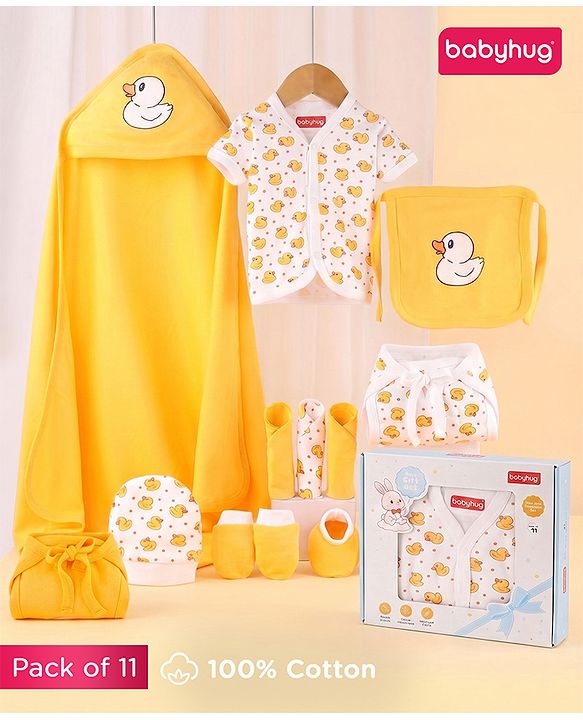
Babyhug 100% Cotton Soft Jabla Set (Pack of 3)
- ✓ 100% pure cotton
- ✓ Front-open button design
- ✓ Pack of 3 pieces
* We earn a small commission — at no extra cost to you.
Mothers Choice Organic Cotton Front Open Jabla
- ✓ GOTS certified organic cotton
- ✓ Chemical-free dyeing
- ✓ Front-open button closure
* We earn a small commission — at no extra cost to you.
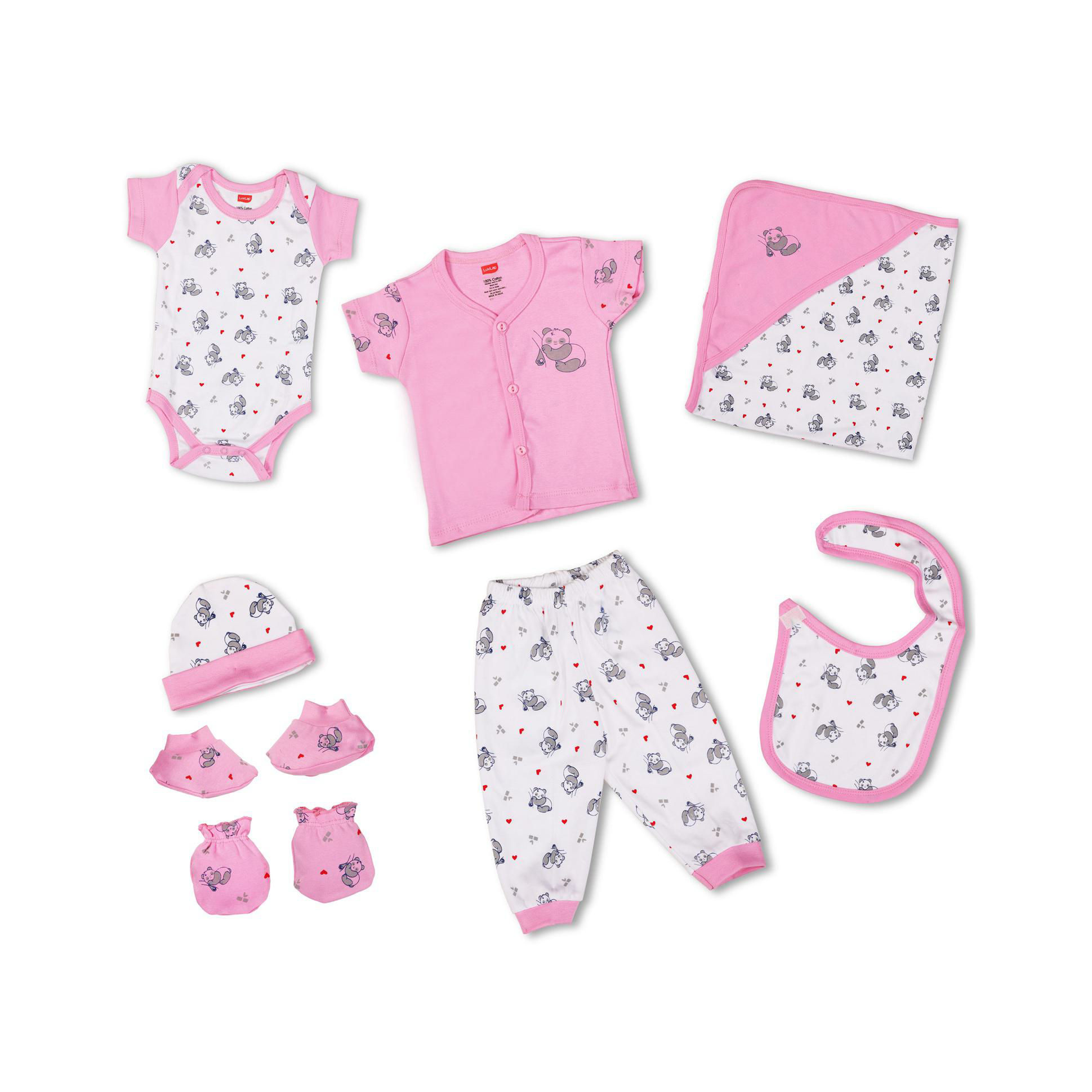
FirstCry Jhabla with Matching Nappies Combo
- ✓ Cotton-blend fabric
- ✓ Includes 3 nappies
- ✓ Front-open design
* We earn a small commission — at no extra cost to you.
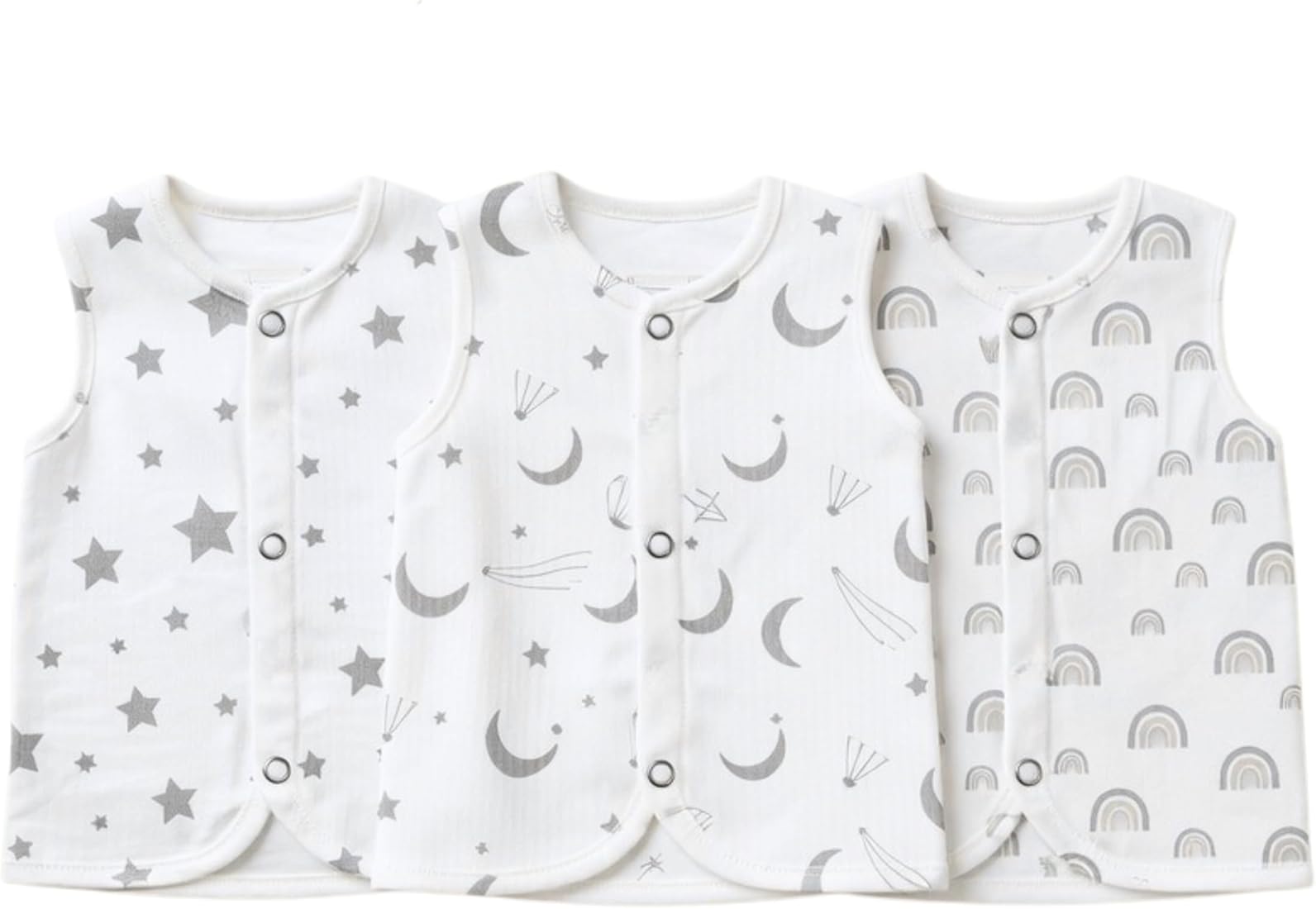
Lula Front Open Jabla Set (Pack of 2) Muslin
- ✓ Muslin cotton (ultra-breathable)
- ✓ Premium weave
- ✓ Pack of 2 pieces
* We earn a small commission — at no extra cost to you.
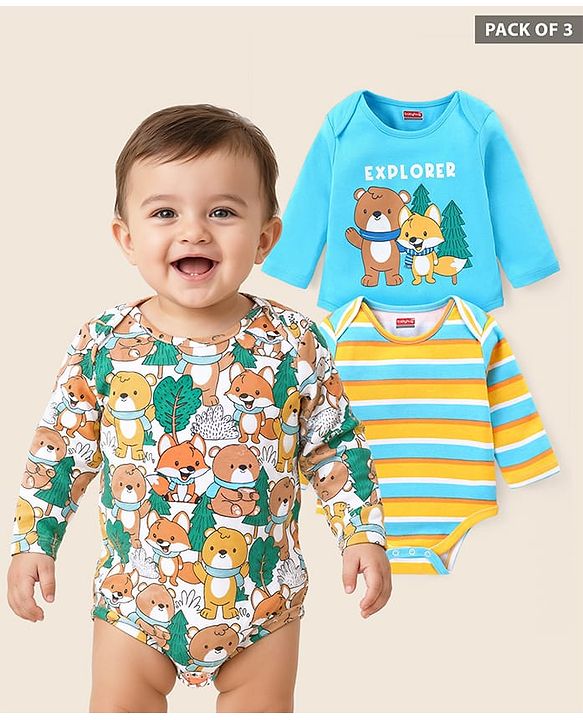
Babyhug Modern Bodysuit Pack of 3
- ✓ Fitted bodysuit style
- ✓ Snap between-leg closures
- ✓ 100% cotton
* We earn a small commission — at no extra cost to you.