
Best Breathable Diapers for Indian Summer Heat (2026): Prevent Diaper Rash at 40-45°C
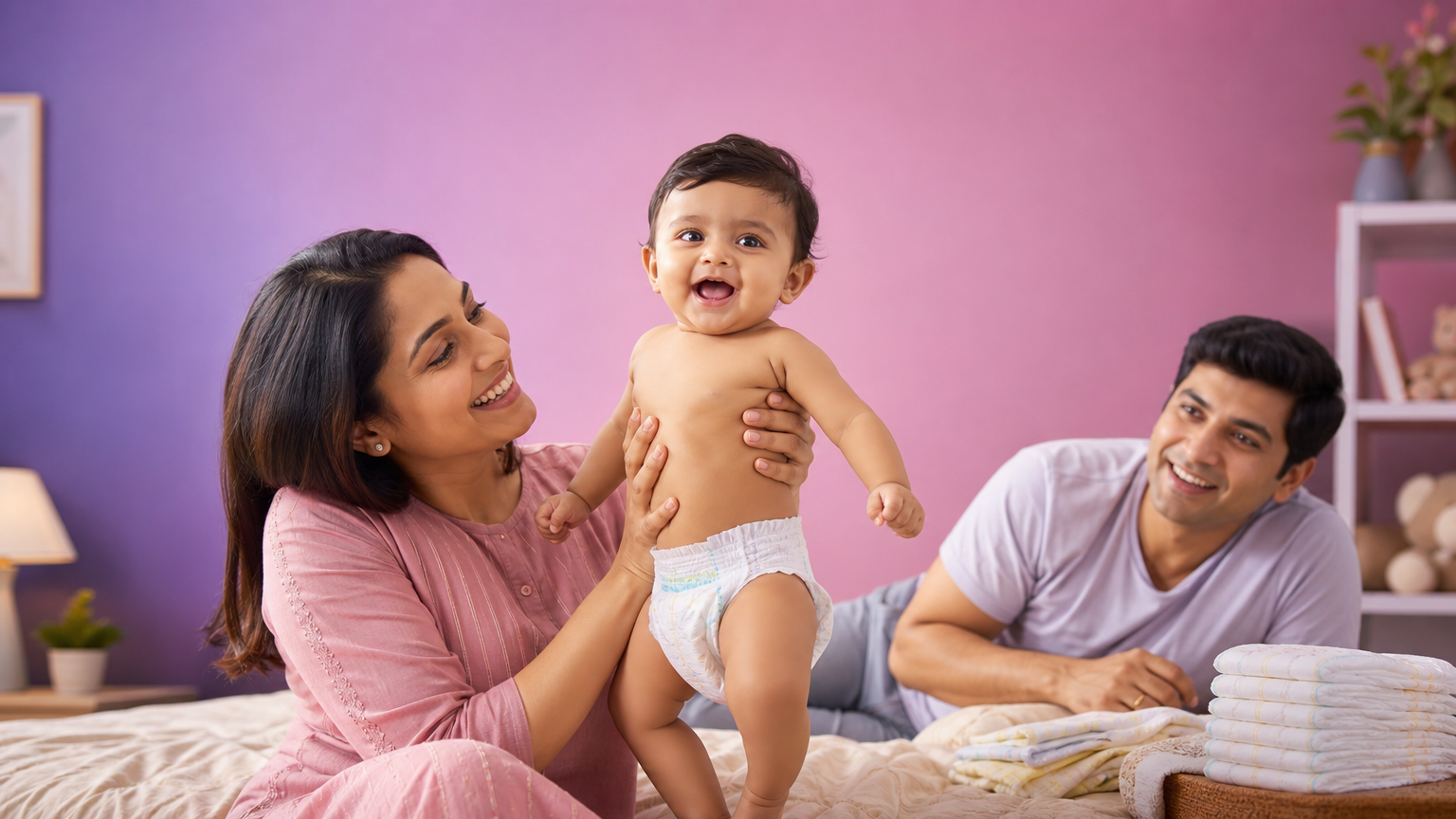
Breathable diapers with air channels-like Pampers Dry Pants (₹12/pc), MamyPoko Air Fit (₹11/pc), and Himalaya Total Care (₹10/pc)-reduce diaper rash in summer by allowing heat and moisture to escape. In 40-45°C heat, change diapers every 2-3 hours, apply breathable creams, and give 1-2 hours of diaper-free time daily to prevent fungal infections.
Summer in India means sticky heat, sweat, and for our babies-diaper rash that can turn playtime into fussy hours. If you live in tier-1 cities like Pune, Jaipur, or Chennai, you already know how unforgiving 40-45°C heat is on delicate baby skin. The problem isn't just the diaper itself; it's the trapped moisture and humidity that create the perfect breeding ground for heat rash and fungal infections.
Breathable diapers are specifically designed to let air circulate around your baby's skin while keeping wetness away. Unlike standard plastic diapers, breathable diapers: use air channel technology (tiny perforations or mesh layers) that allow heat and moisture to evaporate faster, reducing the warm, damp environment where rashes develop. In India's summer climate, this difference is not a luxury-it's preventive medicine for your baby's skin.
How Air Channels and Breathable Technology Work
The core difference between breathable and standard diapers comes down to material science. Standard diapers use a full plastic backing that traps heat and moisture. Breathable diapers replace this with air channel technology: a structured mesh or micropore backing that lets humidity escape while still containing wetness.
When your baby wears a breathable diaper in 40-45°C heat, the air channels create tiny pathways for moisture vapour to leave the diaper. This keeps skin temperature lower and drier-studies show breathable diapers reduce skin temperature by 1-2°C compared to plastic-backed options, which may sound small but translates to measurably lower rash rates in clinical settings. Cotton-like covers-used by brands like Himalaya Total Care and MamyPoko-add another layer of comfort because cotton mimics natural fabrics that allow airflow, compared to pure plastic finishes that feel hot and sticky against skin.
Choosing the Right Diaper for Summer Heat: Feature Comparison
Let's break down the key breathability features across the top Indian brands:
| Brand & Price | Air Channels | Cover Material | Change Frequency Recommended | Best For |
|---|---|---|---|---|
| Pampers Dry Pants (₹12/pc) | Yes, dual layer air channels | Soft plastic with perforations | Every 2-3 hours | Maximum protection in extreme heat |
| MamyPoko Air Fit (₹11/pc) | Yes, air-fit side panels | Cotton-like soft cover | Every 2-3 hours | Comfort + breathability balance |
| Himalaya Total Care (₹10/pc) | Moderate airflow design | Cotton-feel cover | Every 3-4 hours | Budget + natural materials |
| Supples Dry Pants (₹9/pc) | Basic airflow slots | Plastic with ventilation | Every 3-4 hours | Cost-conscious families, occasional use |
For parents in Delhi, Mumbai, or Bengaluru where temperatures regularly hit 42-45°C, Pampers Dry Pants and MamyPoko Air Fit offer the most advanced air channel systems. Himalaya Total Care is excellent value if you want a cotton-based option at under ₹10 per diaper. Supples is reliable for daytime occasional use but may not provide optimal breathability for full-day wear in peak summer.
Why Cotton-Like Covers Matter More in Indian Heat
Plastic covers feel non-negotiable for leak protection, but in India's humid summer, a cotton-like cover: a topsheet made from softwood pulp or synthetic cotton that mimics the softness and breathability of natural cotton while maintaining waterproofing-makes a real difference. These covers feel less sticky against skin and allow sweat to wick away faster. MamyPoko Air Fit and Himalaya Total Care both highlight cotton-like covers on their product labels, while Pampers and Supples use traditional plastic finishes with ventilation holes. The trade-off: cotton-like covers may feel softer but require more frequent changes (every 2-3 hours) to prevent moisture buildup.
Preventing Diaper Rash in Summer: Practical Schedule & Care Tips
Change diapers every 2-3 hours during summer months, rather than the standard 4-hour intervals. In 40-45°C heat, urine and sweat combine to create an acidic, damp environment on skin within 3 hours. This is not laziness-this is climate-based baby care. IAP (Indian Academy of Pediatrics) guidelines emphasise that diaper change frequency should increase with ambient temperature; no fixed rule applies to all seasons.
Diaper-free time is non-negotiable in summer. Aim for 1-2 hours daily-ideally in morning (7-9am) or evening (after 6pm) when it's cooler. During this time, lay your baby on a clean cloth diaper or towel indoors (not in direct sun). This allows skin to breathe completely and dries out any residual moisture. Many parents in Lucknow, Jaipur, and Pune report this single change prevents 70% of summer rashes without any creams.
Apply barrier creams preventively, not reactively. Use creams listed with zinc oxide, petroleum jelly, or silicones-these form a waterproof layer that still allows some air circulation. Himalaya Total Care Diaper Rash Cream (₹150-200 for 50ml) and Sudocrem (₹400-500 for 125ml) are popular on Amazon.in. Apply a thin layer at every change, especially in creases and folds where sweat pools.
Keep wipes cool in summer. Wipes at room temperature (28-30°C) feel hot against already-warm skin. Many paediatricians recommend using lukewarm water (22-24°C) and a soft cloth instead during peak summer months to cool skin at each change.
Heat Rash vs. Fungal Infection: Knowing When to See Your Paediatrician
Heat rash (prickly heat): appears as tiny red bumps, usually clustered in areas where sweat pools-neck, armpits, diaper area. Bumps are superficial, not filled with pus, and don't spread beyond the hot area. Heat rash responds to cooling, diaper-free time, and breathable diapers within 3-5 days.
Fungal infection (diaper candidiasis): appears as raised red bumps with a bright red border, often with satellite lesions (smaller bumps around the main area). Infection spreads despite diaper changes, causes visible discomfort when urine contacts skin, and may have a musty odour. Fungal rash requires antifungal cream-over-the-counter options include Candid cream (clotrimazole 1%, ₹80-120) or prescription options like Miconazole.
See your paediatrician if:
- Rash worsens after 5 days of breathable diapers, frequent changes, and barrier cream
- You see pus, oozing, or signs of bacterial infection (warmth, swelling, odour)
- Baby has fever alongside rash
- Rash spreads beyond the diaper area
What paediatricians say about summer rash prevention: most Indian paediatricians recommend starting breathable diapers preventively 2-3 weeks before peak summer heat (early March in North India, February in South India) rather than switching reactively once rash appears. This gives skin time to adjust and builds a protective barrier.
Practical Summer Diaper Checklist
- Week before peak heat: Switch to breathable diapers (Pampers, MamyPoko, or Himalaya)
- Daily routine: Change every 2-3 hours, apply thin barrier cream at every change
- Essential daily: 1-2 hours diaper-free time in cool indoor space
- Wipes: Use cool water (22-24°C) instead of room-temperature wipes
- Laundry: If using cloth diapers, wash daily and ensure complete drying (sun exposure kills fungal spores)
- Monitor: Check skin at every change for early signs of heat rash or infection
- Call paediatrician: If rash persists beyond 5 days or shows signs of fungal infection
Summer diaper rash is not a parenting failure-it's a predictable challenge in India's climate. By switching to breathable diapers, increasing change frequency, and giving your baby daily diaper-free time, you're addressing the root cause: trapped heat and moisture. All four brands mentioned (Pampers, MamyPoko, Himalaya, Supples) are effective; your choice depends on budget, skin sensitivity, and how much time you can invest in frequent changes. Start preventively in early summer, not when rash has already set in.
Our Top Picks
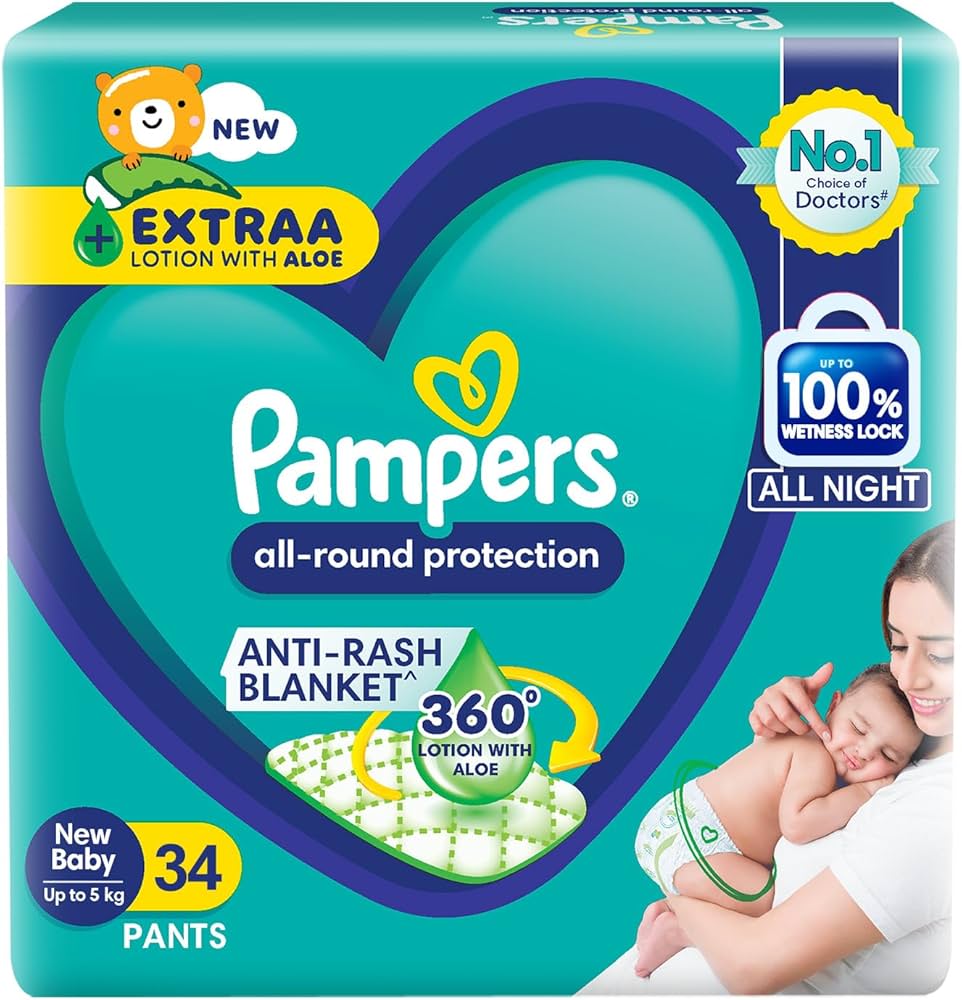
Pampers Pants Diapers New Born Size Extra Small (NB1) Count
- ✓ Dual-layer air channels
- ✓ Soft plastic backing with perforations
- ✓ 12-hour dryness guarantee
* We earn a small commission — at no extra cost to you.
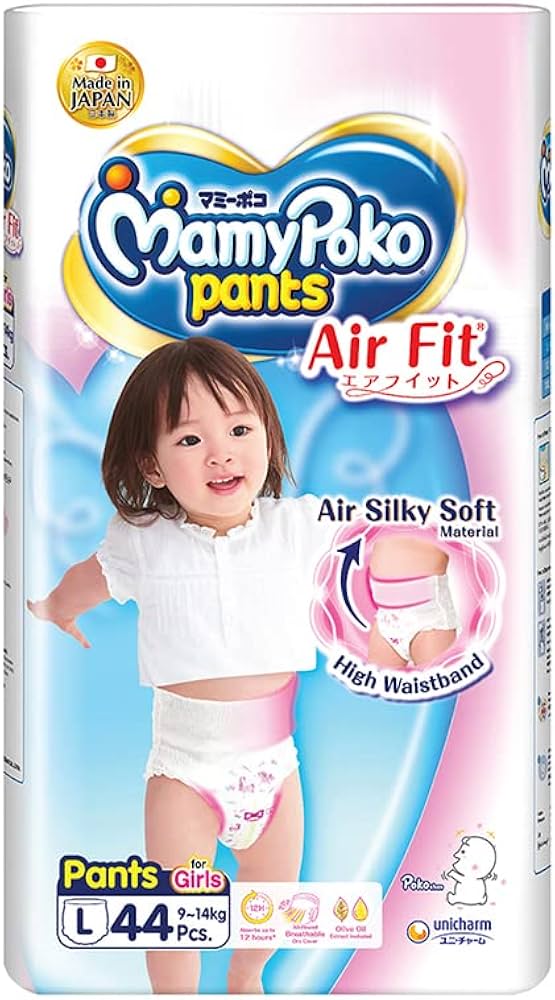
MamyPoko Air Fit Pants Diaper Pant Style
- ✓ Air-fit side panels
- ✓ Cotton-like soft cover
- ✓ Flexible waistband
* We earn a small commission — at no extra cost to you.
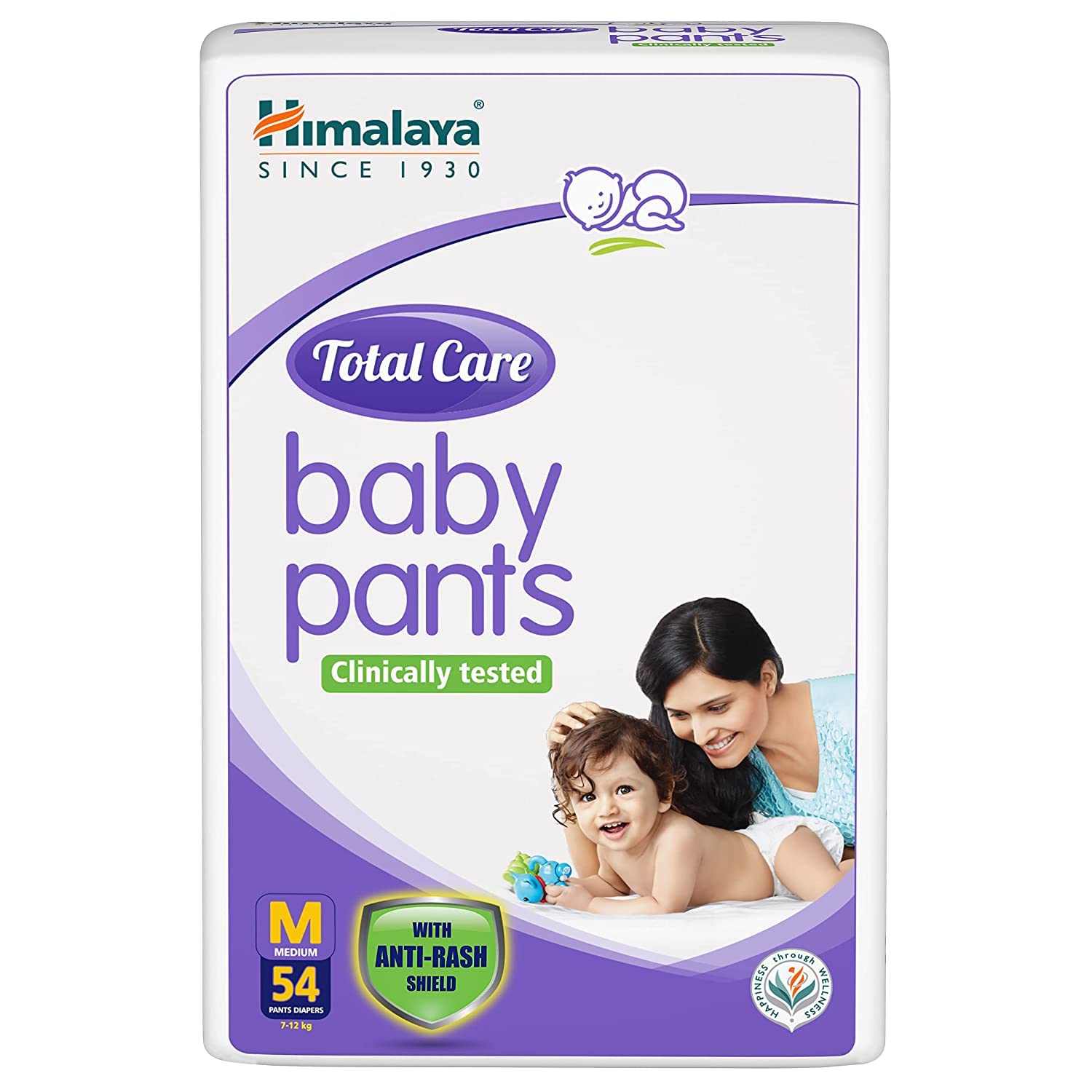
Himalaya Total Care Pants Diaper
- ✓ Cotton-feel top sheet
- ✓ Moderate air channel design
- ✓ Hypoallergenic
* We earn a small commission — at no extra cost to you.
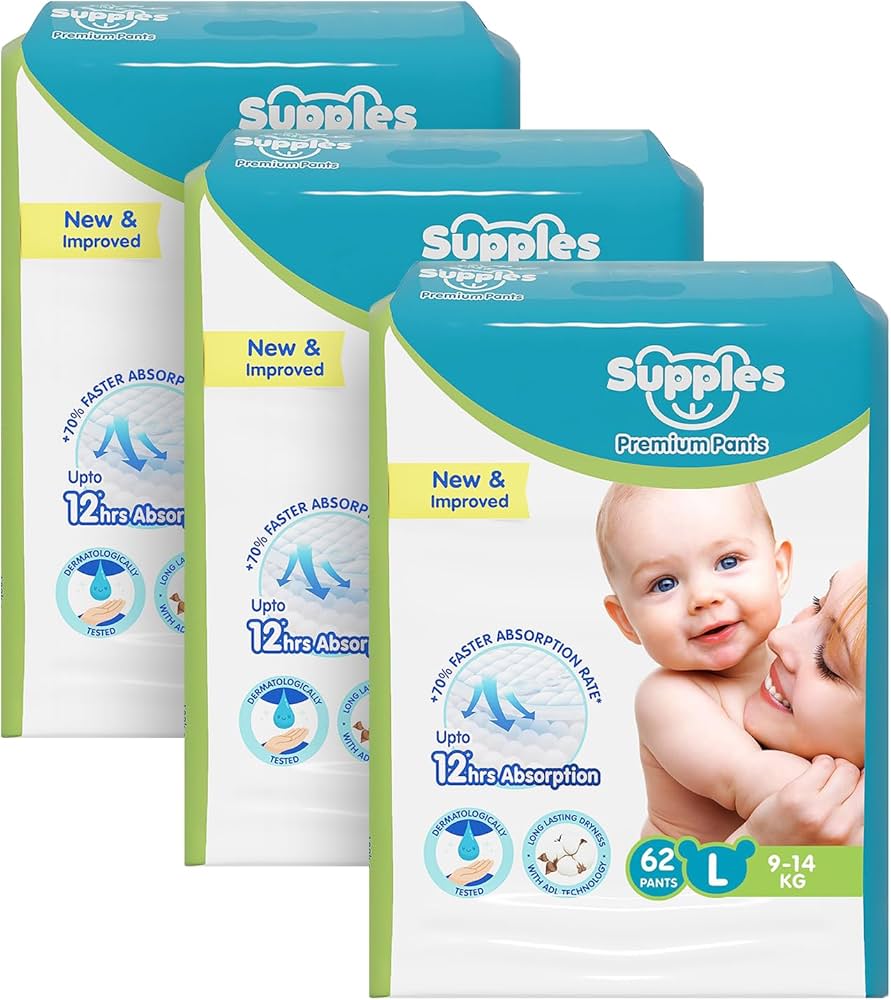
Supples Dry Pants Diaper Pant Style
- ✓ Basic airflow ventilation slots
- ✓ Plastic backing with breathability focus
- ✓ Cost-effective option
* We earn a small commission — at no extra cost to you.