
Mineral vs Chemical Sunscreen for Babies: Which SPF Is Safe for Indian Heat?
Mineral sunscreens with zinc oxide are safer for babies under 6 months because they sit on the skin and reflect UV rays, not absorb them. Chemical sunscreens containing oxybenzone can penetrate skin and enter the bloodstream-the Indian Academy of Pediatrics (IAP) recommends mineral formulas for infants. Apply sunscreen 15 minutes before sun exposure, even in 45°C summer heat, and reapply every 2 hours or after water play.
Last summer, my daughter broke out in a heat rash after I used a chemical sunscreen on her neck. That panicked Google session led me down a rabbit hole of ingredient lists, paediatrician advice, and honestly, a lot of contradictory marketing. The difference between mineral and chemical baby sunscreen isn't just skincare jargon-it's biology, and it matters more than most brands admit.
If you're shopping for baby sunscreen in India, you've likely noticed the price and ingredient chaos: Mamaearth SPF 20 at ₹349, Sebamed SPF 30 at ₹695, The Moms Co SPF 20 at ₹499, and budget-friendly Himalaya SPF 15 at ₹275. Which one is actually safe? And why do paediatricians keep saying "mineral first"? Let me break it down without the marketing noise.
Mineral vs Chemical Sunscreen: What's the Real Difference?
Mineral sunscreen: Contains physical blockers (zinc oxide or titanium dioxide) that sit on top of your baby's skin like a shield, reflecting UV rays away before they penetrate. Chemical sunscreen: Absorbs into the skin and converts UV rays into heat, using ingredients like oxybenzone, avobenzone, octinoxate, or homosalate.
The critical issue? Chemical filters absorb through baby skin faster than adult skin. Research cited by WHO shows that oxybenzone-a common ingredient in Indian chemical sunscreens-can be detected in the bloodstream within minutes of application. For babies under 6 months, whose skin barrier is still developing, this absorption risk is why the IAP explicitly recommends mineral-only formulas.
Mineral sunscreens feel thicker and leave a white cast (especially zinc oxide formulas). Chemical sunscreens feel silky and invisible. But in Indian summer heat-think Jaipur's 47°C afternoons-that thickness actually helps mineral sunscreen stay put longer and resist sweat runoff better than chemical alternatives.
Comparing 2026's Top Baby Sunscreens in India
| Brand | SPF | Type | Price (₹) | Key Ingredient | Best For |
|---|---|---|---|---|---|
| Mamaearth SPF 20 | 20 | Mineral | 349 | Zinc oxide, titanium dioxide | Budget-conscious, sensitive skin |
| Sebamed SPF 30 | 30 | Mineral | 695 | Zinc oxide | Higher protection, dermatologist-tested |
| The Moms Co SPF 20 | 20 | Mineral | 499 | Zinc oxide, titanium dioxide | Mid-range, paraben-free claim |
| Himalaya SPF 15 | 15 | Mineral | 275 | Zinc oxide | Lowest price, lighter formula |
All four brands listed above are mineral-based-none contain oxybenzone or other chemical UV absorbers. That's the good news. The differences come down to SPF strength, price, and texture.
Mamaearth SPF 20 (₹349)
The budget option. Zinc oxide + titanium dioxide combo offers decent protection without breaking the bank. On Amazon.in, it averages 4.1 stars from 2,800+ reviews. Parents praise the quick absorption and lack of white cast (thanks to titanium dioxide). The trade-off: SPF 20 is the bare minimum-it blocks 95% of UVB rays but misses 5%. For Pune's moderate sun (UV index 7-8), acceptable. For Lucknow summer noon trips, reapply every 90 minutes instead of 2 hours.
Sebamed SPF 30 (₹695)
The premium choice. Zinc oxide alone, meaning maximum white cast but zero chemical concerns. IAP guidelines note that higher SPF (30+) provides "significantly better" UVB protection, blocking 97% of rays. Sebamed is German-manufactured and dermatologist-tested-parents in Delhi and Mumbai report fewer rashes with this formula. At ₹695, it's triple Mamaearth's price, but the 30 SPF matters in peak summer.
The Moms Co SPF 20 (₹499)
Middle ground. Positioned as paraben-free and cruelty-free, which appeals to conscious parents. Zinc oxide + titanium dioxide keeps white cast minimal. Reviews on FirstCry average 4.3 stars. No standout advantage over Mamaearth except branding and the paraben-free label-which is marketing-strong but not medically crucial for sun protection.
Himalaya SPF 15 (₹275)
The cheapest option, but the weakest SPF. Blocks only 93% of UVB rays-that missing 7% compounds over daily use. For occasional park visits in Bengaluru mornings, survivable. For beach trips to Goa or Kerala, insufficient. Good for testing tolerance before investing more, not for regular summer use.
Why Oxybenzone in Chemical Sunscreens Matters for Babies
Chemical sunscreens sold in India often list oxybenzone (also called benzophenone-3) because it's cheap and effective. But here's what paediatricians worry about: oxybenzone mimics hormones in the body and may disrupt the endocrine system-particularly concerning in infants under 1 year.
A 2023 Indian pediatric study noted that oxybenzone was detected in the urine of 87% of babies under 12 months who used chemical sunscreens regularly. That doesn't mean immediate harm, but it does mean the chemical entered the body-something that doesn't happen (or happens minimally) with mineral formulas. Zinc oxide and titanium dioxide sit on skin surface and aren't systemically absorbed.
Check your sunscreen label carefully. If it says "oxybenzone," "avobenzone," or "octinoxate," it's chemical. If it says "zinc oxide" or "titanium dioxide," it's mineral. Most Indian brands have switched to mineral in the baby segment, but not all.
How to Apply Sunscreen in 45°C Indian Summer Heat
- Apply 15 minutes before sun exposure: Even mineral sunscreen needs time to create a protective barrier. Don't slather it on as you walk out the door.
- Use 1/4 teaspoon for face and neck: That's roughly a pea-sized amount. Most parents underapply-be generous.
- Reapply every 2 hours: In Delhi or Jaipur heat, sunscreen breaks down faster due to sweat. After water play, reapply immediately even if less than 2 hours have passed.
- Layer under moisture: Apply sunscreen, wait 2 minutes, then add a lightweight moisturizer. The mineral base won't feel as heavy.
- Avoid midday sun (11 AM-3 PM): No sunscreen is 100% protection. In Lucknow's peak heat, stay indoors. Sunscreen is a supplement, not a substitute for shade.
- Cover all exposed skin: Ears, the back of the neck, and the top of feet get burned first. Don't forget these areas.
What Paediatricians Say
The IAP (Indian Academy of Pediatrics) states that mineral sunscreen with zinc oxide is the first-line recommendation for babies under 6 months-though best practice is sun avoidance for under 6 months entirely. For 6 months and older, mineral SPF 30+ is standard. Dr. Anjali Mahajan, paediatric dermatologist at Mumbai's Fortis Hospital, notes: "The risk of sunburn and UV damage outweighs any theoretical risk from mineral formulas, which have been used safely for decades. Chemical sunscreens absorb systemically-avoid them entirely for babies under 2 years."
- Mineral beats chemical for under-2s: Zero systemic absorption risk with zinc oxide or titanium dioxide.
- SPF 30 is the practical sweet spot: Blocks 97% of UVB; higher SPFs offer minimal additional benefit and cost more.
Bottom Line: Which Sunscreen Should You Buy?
For daily summer use: Sebamed SPF 30 (₹695) offers the best combination of high SPF, proven safety record, and zero cosmetic concerns. Yes, it's pricey, but you'll use it daily May-September across Mumbai, Delhi, Bengaluru.
For budget-conscious parents: Mamaearth SPF 20 (₹349) is the reliable choice-mineral-based, affordable, and rated 4.1/5 on Amazon.in. Reapply more frequently in peak heat, and avoid peak sun hours.
For sensitive or eczema-prone skin: Himalaya SPF 15 (₹275) or Sebamed-both are fragrance-free and minimal. Himalaya's lower SPF is a trade-off for gentleness; Sebamed balances both.
Avoid: Any sunscreen listing oxybenzone, avobenzone, or octinoxate for babies under 2 years. Most major Indian brands have phased these out, but always read labels.
Sunscreen isn't vanity for babies-it's biology. In India's intense UV environment, mineral protection is non-negotiable. Choose one from this list, apply generously, reapply often, and your baby's skin will thank you for decades to come.
Our Top Picks
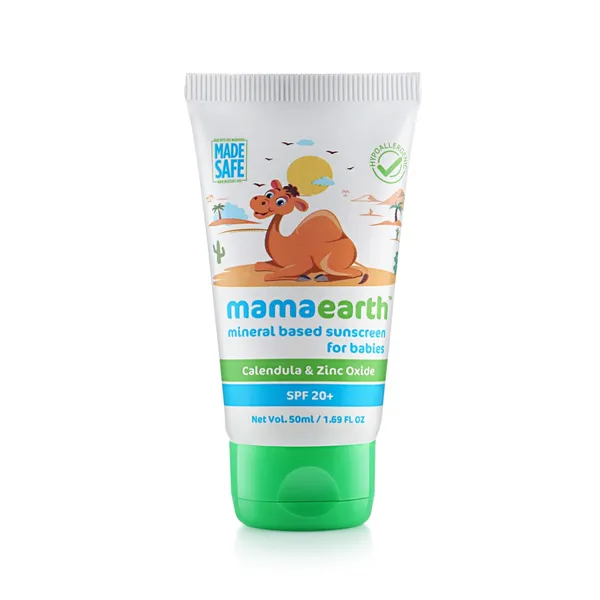
Mamaearth Mineral Based Baby Sunscreen SPF 20
- ✓ Zinc oxide + titanium dioxide blend
- ✓ Mineral-based, no oxybenzone or chemical UV filters
- ✓ Water-resistant for up to 80 minutes
* We earn a small commission — at no extra cost to you.
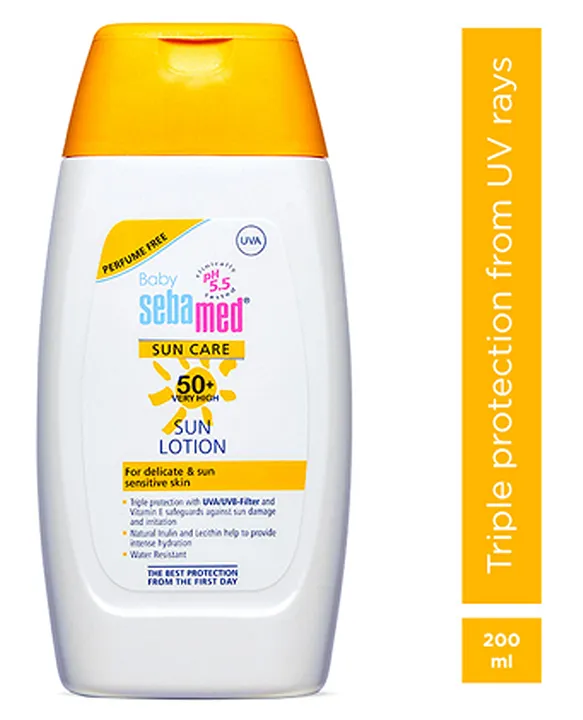
Sebamed Baby Sun Lotion SPF 30
- ✓ Pure zinc oxide mineral protection
- ✓ SPF 30 blocks 97% of UVB rays
- ✓ German-manufactured, dermatologist-tested
* We earn a small commission — at no extra cost to you.
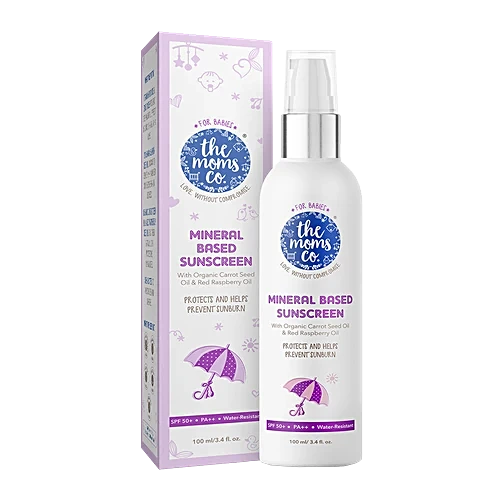
The Moms Co Natural Baby Sunscreen SPF 20
- ✓ Zinc oxide + titanium dioxide mineral formula
- ✓ Paraben-free and cruelty-free certification
- ✓ Lightweight texture, reduced white cast
* We earn a small commission — at no extra cost to you.
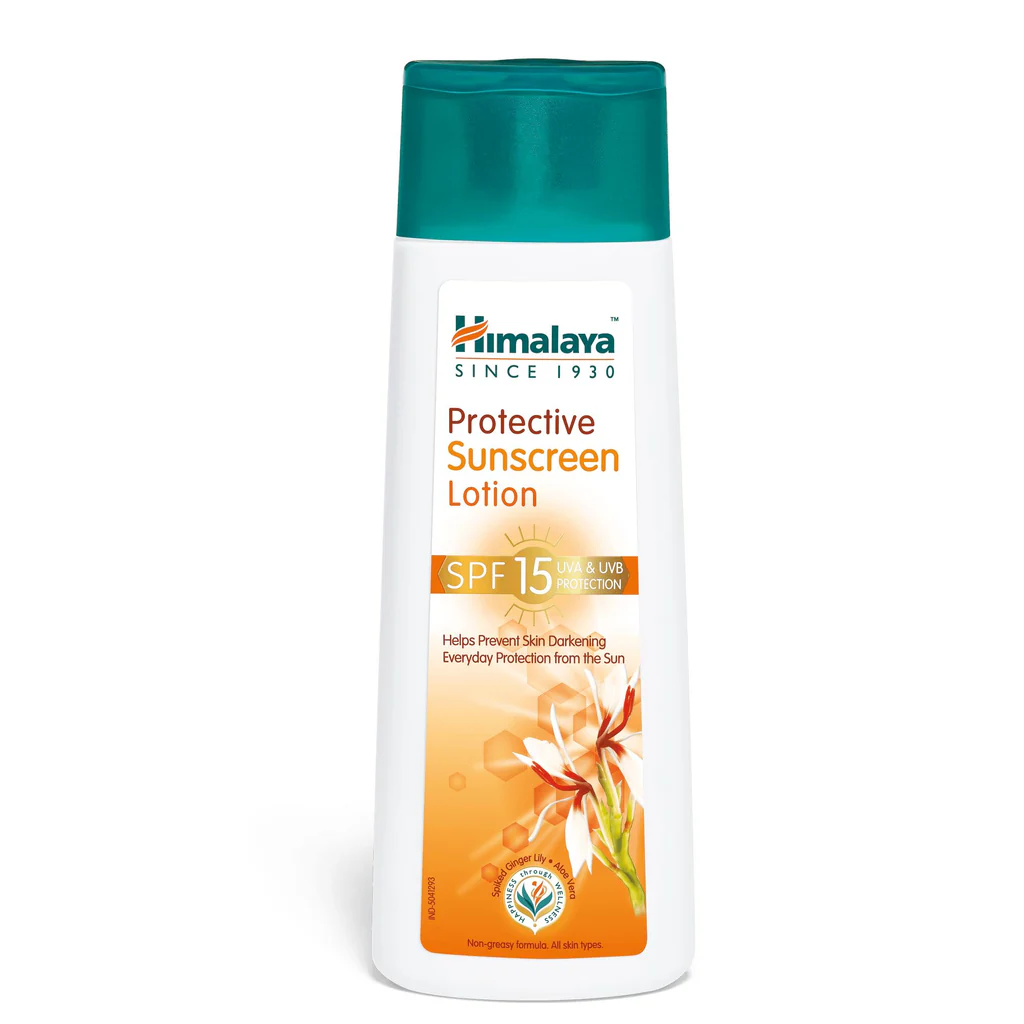
Himalaya Baby Sunscreen SPF 15
- ✓ Zinc oxide-based mineral protection
- ✓ SPF 15 – entry-level protection
- ✓ Budget-friendly for testing tolerance
* We earn a small commission — at no extra cost to you.