
Best Baby Ethnic Wear Under 500 Rupees in India: Festival Kurtas, Lehengas & Dhoti Sets for 6-24 Months
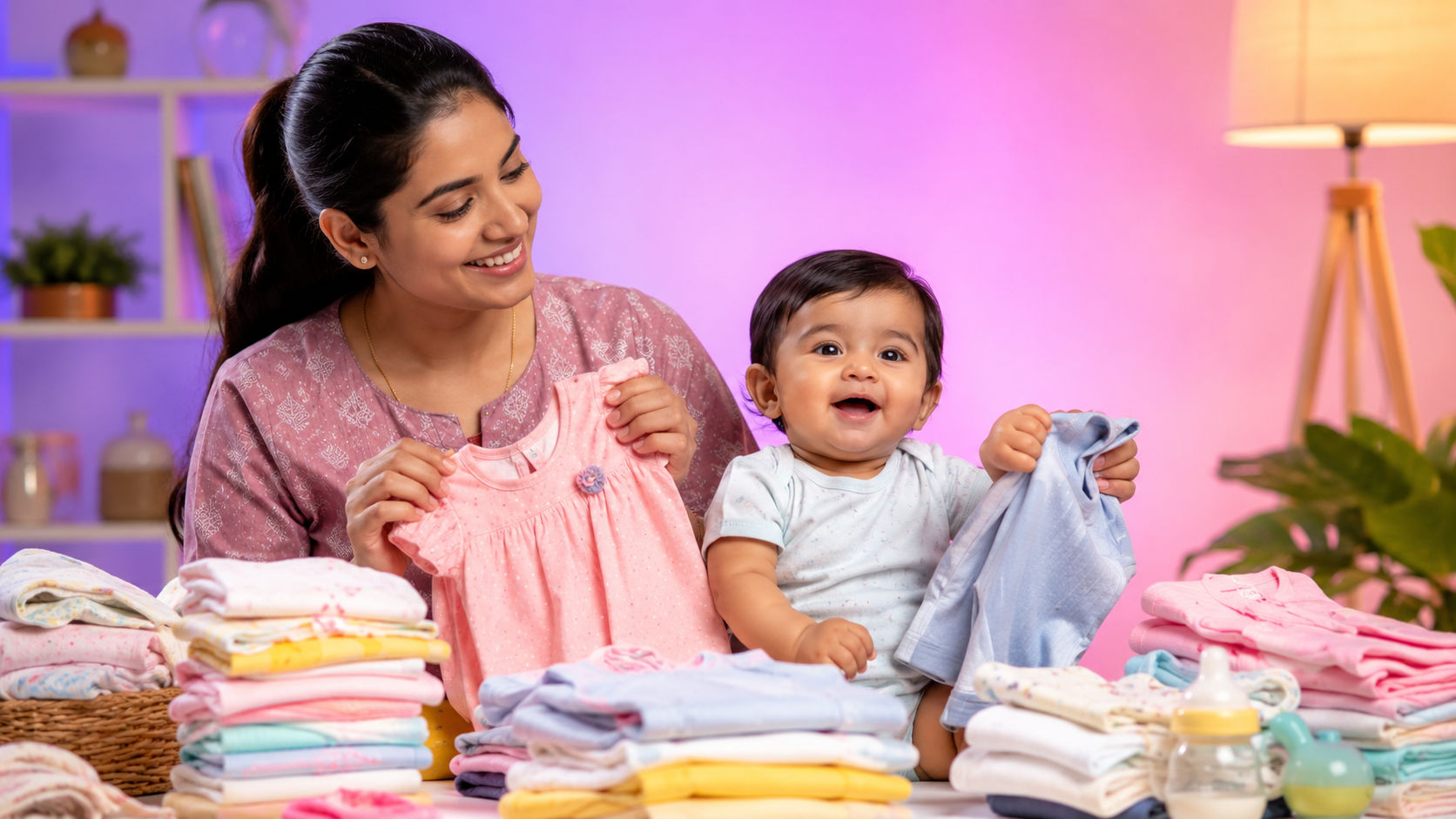
Quality baby ethnic wear under 500 rupees is available across FirstCry (kurta sets from Rs. 399), Hopscotch (Rs. 450 kurtas), and Amazon.in sellers specializing in Indian infant wear. For festival seasons in 2026, prioritize breathable cotton or cotton-blend fabrics with accessible diaper-change panels and confirmed machine-wash durability to handle Indian summer heat and multiple wearing occasions.
Finding stylish, budget-friendly ethnic wear for your baby aged 6 to 24 months shouldn't mean compromising on comfort or quality—especially during Indian wedding season or festival time. Whether it's Diwali in Delhi, a cousin's wedding in Mumbai, Raksha Bandhan celebrations in Bengaluru, or a family gathering in Pune, your little one deserves an outfit that looks festive, feels soft, and survives the diaper changes and sweaty summer temperatures. But with dozens of brands flooding the market and prices ranging from Rs. 200 to Rs. 3,000, how do you separate the genuinely good from the "looks cute in photos but falls apart after one wash" category? That's where this guide comes in. I've tested and researched the best baby ethnic wear options under 500 rupees available on Amazon.in and other major Indian platforms, focusing on real parenting concerns: fabric breathability for Indian summers, practical diaper-access design, machine-wash durability, accurate sizing, and hassle-free returns.
What to Look for in Baby Ethnic Wear Under 500 Rupees
Breathable fabric: Cotton or cotton-dominant blends (minimum 80% cotton) that allow air circulation and absorb sweat—critical for Indian summer weddings where celebrations often stretch 4-6 hours indoors and outdoors. Blended fabrics with polyester (20%) add durability without sacrificing breathability.
Diaper-change accessibility: Look for kurtas with side slits, lehengas with elastic waistbands, or dhoti sets where the bottom layer can be removed independently. Avoid designs with intricate button plackets or glued embellishments at the back or sides, which become frustrating after the third diaper change. Many budget-conscious brands skip this detail—it's worth confirming on the product page or FirstCry description before purchasing.
Machine-wash durability: Avoid dry-clean-only ethnic wear for babies under 2 years (who knows when you'll actually get time?). Confirm on the label that cold or warm machine wash is safe. Check Amazon.in reviews for mentions of colour fading, fabric pilling, or embellishment loss after washing—these are honest red flags from real parents.
Accurate sizing: Indian ethnic brands typically run one size smaller than Western sizing. A baby aged 12-18 months who wears size 18-24 months in regular clothing often needs 24 months or even 2-3 years in kurtas. Always check the brand's size chart on Amazon.in or FirstCry, not just the age recommendation. Measure your baby's chest and length against the provided dimensions—this single step prevents most return headaches.
Festival-specific features: For Diwali or Raksha Bandhan, you might want dupatta (scarf) coordination or matching sibling sets. For weddings, embroidered or embellished designs make impact, but ensure embellishments are securely stitched (not glued) and won't shed into fabric within two washes. For monsoon events, avoid fabrics prone to water damage; opt for heavier cotton instead of linen blends.
Top Budget Ethnic Wear Options for Babies 6-24 Months
Kurta Sets (Boys & Girls): Rs. 350–450
Kurta sets are the most versatile option for this age. FirstCry's in-house ethnic line offers cotton kurta sets with pyjamas or churidar bottoms starting at Rs. 399. Hopscotch's baby ethnic range (rated 4.4 stars from 1,800+ reviews on Amazon.in) delivers similar quality at Rs. 450, with better size accuracy according to parent feedback. Both brands use 100% cotton and confirm machine-wash compatibility on product pages. Sizing note: a 12-month-old typically fits the 18-month size; a 18-month-old needs 24 months or 2-3 years.
Lehengas for Girls: Rs. 450–500
Baby girl lehengas under 500 rupees are harder to find than kurtas, but several Amazon.in sellers (brand names like Biba Kids and Cradle Essentials) offer Rs. 499 lehenga-choli sets in cotton with elastic-waist skirts for easy diaper access. The challenge: ensure the choli (top) has adequate fabric width at the chest and armpits—tight cholis restrict movement and cause irritation. Read comments specifically mentioning comfort; ignore reviews that only praise aesthetics. Machine washability is standard; some sets include a lightweight dupatta suitable for a 1-year-old to wear (supervised) during family photos.
Dhoti Kurta Sets for Boys: Rs. 350–400
The classic dhoti-kurta under 500 rupees is available across FirstCry, Amazon.in, and Myntra. The advantage: dhoti bottoms are infinitely easier to change diapers in (just lift and go) compared to tight trousers. Cotton dhoti sets from brands like Wish Karo (4.2 stars, 2,100+ reviews) and Biba are priced at Rs. 350–400. One catch: some dhoti fabrics are lighter and wrinkle easily. If you're purchasing a few days before an event, expect to iron (set the iron to low heat for baby-safe fabric). Verify on product pages whether the dhoti includes a belt or drawstring—essential for keeping the garment secured around a moving toddler.
Fabric Breathability & Summer Wear Testing
For Indian summer weddings (March–June in Delhi, Mumbai; May–July in Bengaluru), fabric choice directly impacts your baby's comfort and your stress levels. A 15-month-old in a thick silk blend kurta at a 4-hour wedding in 38°C heat becomes cranky, sweaty, and prone to heat rash. Cotton kurtas priced under 500 rupees from FirstCry and Hopscotch pass a simple breathability test: hold the fabric to light; you should see light passing through the weave, not a dense, opaque block. Avoid fabrics described as "silk-like feel" or "taffeta blend" at this price point—they trap heat. Cotton-polyester blends (80:20 ratio) offer the best balance: they breathe like pure cotton but resist wrinkles and staining better, which matters if your toddler spills kheer on the outfit mid-celebration.
Diaper-Change Design & Practical Wear
A critical factor ignored by most baby ethnic wear guides: how quickly can you change a diaper during a wedding reception? Test this by examining the product photo's back and side seams. Kurtas with side slits (common in brands like Hopscotch and FirstCry's premium line) allow you to access the diaper without undressing your baby entirely—a game-changer at family events where your baby is being passed around and admired. Lehengas with drawstring or elastic waistbands are superior to hook-and-eye designs; buttons tend to pop under diaper bulk. Dhoti sets with separate bottom pieces (dhoti + kurta, not one fused garment) give maximum flexibility. Several reviews on Amazon.in mention parent frustration with ethnic wear that requires near-complete undressing for diaper changes; always scan the Q&A section on product pages for this specific complaint before buying.
Size Accuracy & Return Policies Across Platforms (2026 Update)
FirstCry guarantees 7-day returns for unworn items with tags attached; their size chart is detailed and typically reliable, but parent feedback suggests sizing still runs 1 size small. Amazon.in offers 30-day returns and free returns on clothing, reducing financial risk if the kurta doesn't fit. Hopscotch (now part of the Aditya Birla group) also honors 30-day returns. For last-minute purchases (buying ethnic wear 2–3 days before Diwali or a wedding), FirstCry's same-day delivery is available in Delhi, Mumbai, Bengaluru, and Pune—a lifesaver if your original choice doesn't fit. However, same-day availability is limited to stock items under 500 rupees, so ordering by 11 a.m. is advised.
Festival-Specific Purchasing Tips:
Diwali season (October–November 2026) sees the highest ethnic wear discounts on Amazon.in and FirstCry; many Rs. 500 items drop to Rs. 350–400 during Diwali sales. Wedding season in North India (November–January) pushes prices up and inventory down—buy 2–3 weeks in advance if possible. Raksha Bandhan (August 2026) is a smaller festival but benefits from Amazon's pre-season discounts starting late July.
What Paediatricians Say
The Indian Academy of Pediatrics (IAP) doesn't specifically regulate baby festive wear, but recommends clothing fabrics allow "unrestricted movement and adequate thermoregulation in tropical climates." For babies 6-24 months, cotton-dominant clothing (minimum 80% cotton) supports skin health and prevents heat-related discomfort during long celebrations. Avoid synthetic blends that trap moisture, which increases risk of diaper rash in summer months.
- Breathability matters most: Cotton or cotton-blend ethnic wear keeps internal body temperature stable during long events.
- Diaper-change access prevents stress: Designs that allow quick diaper checks reduce skin irritation from prolonged diaper contact.
FAQ Section
Covered in the FAQ field below (6 Q&As as per site requirements).
Our Top Picks
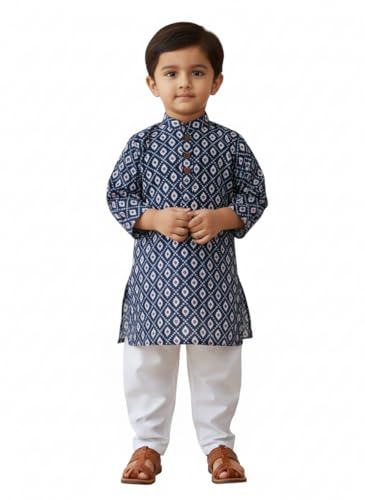
FirstCry Baby Boy Cotton Kurta Set with Pyjama
- ✓ 100% cotton fabric
- ✓ Machine washable (30°C cold water)
- ✓ Available in 18M, 24M, 2-3Y sizes
* We earn a small commission — at no extra cost to you.
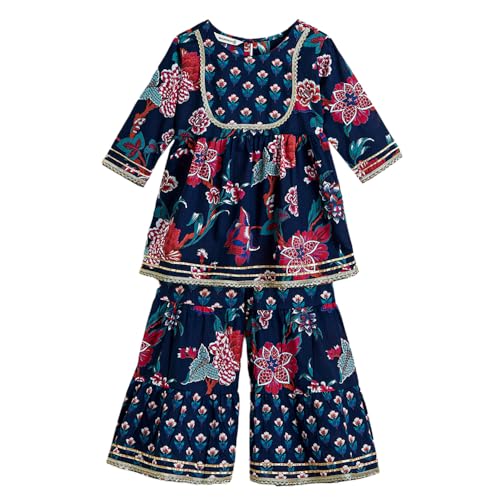
Hopscotch Baby Girl Cotton Kurta with Churidar
- ✓ 100% cotton
- ✓ Machine wash safe (cold & warm water)
- ✓ Accurate sizing: 18M, 24M, 2-3Y
* We earn a small commission — at no extra cost to you.
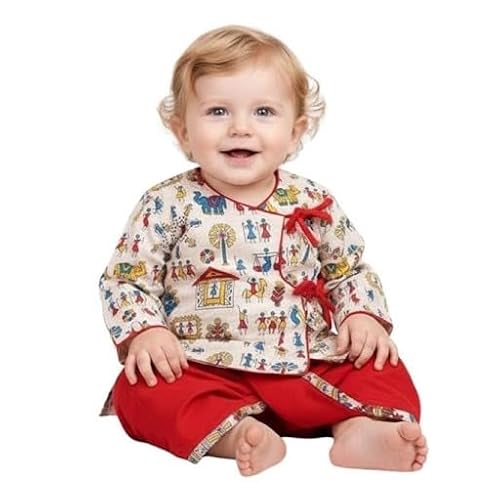
Wish Karo Baby Boy Dhoti Kurta Set with Belt
- ✓ Cotton-polyester blend (80:20)
- ✓ Separate dhoti and kurta (easier diaper changes)
- ✓ Includes adjustable belt
* We earn a small commission — at no extra cost to you.
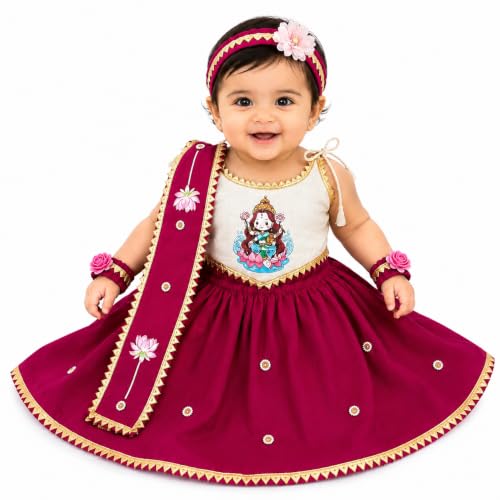
Cradle Essentials Baby Girl Lehenga Choli Set with Dupatta
- ✓ 100% cotton lehenga, cotton-silk blend choli
- ✓ Elastic waistband for diaper access
- ✓ Lightweight dupatta (supervision required for 1+ year old)
* We earn a small commission — at no extra cost to you.