
Baby Not Sleeping Due to Rain Noise? 2026 Solutions for Monsoon Sleep Issues
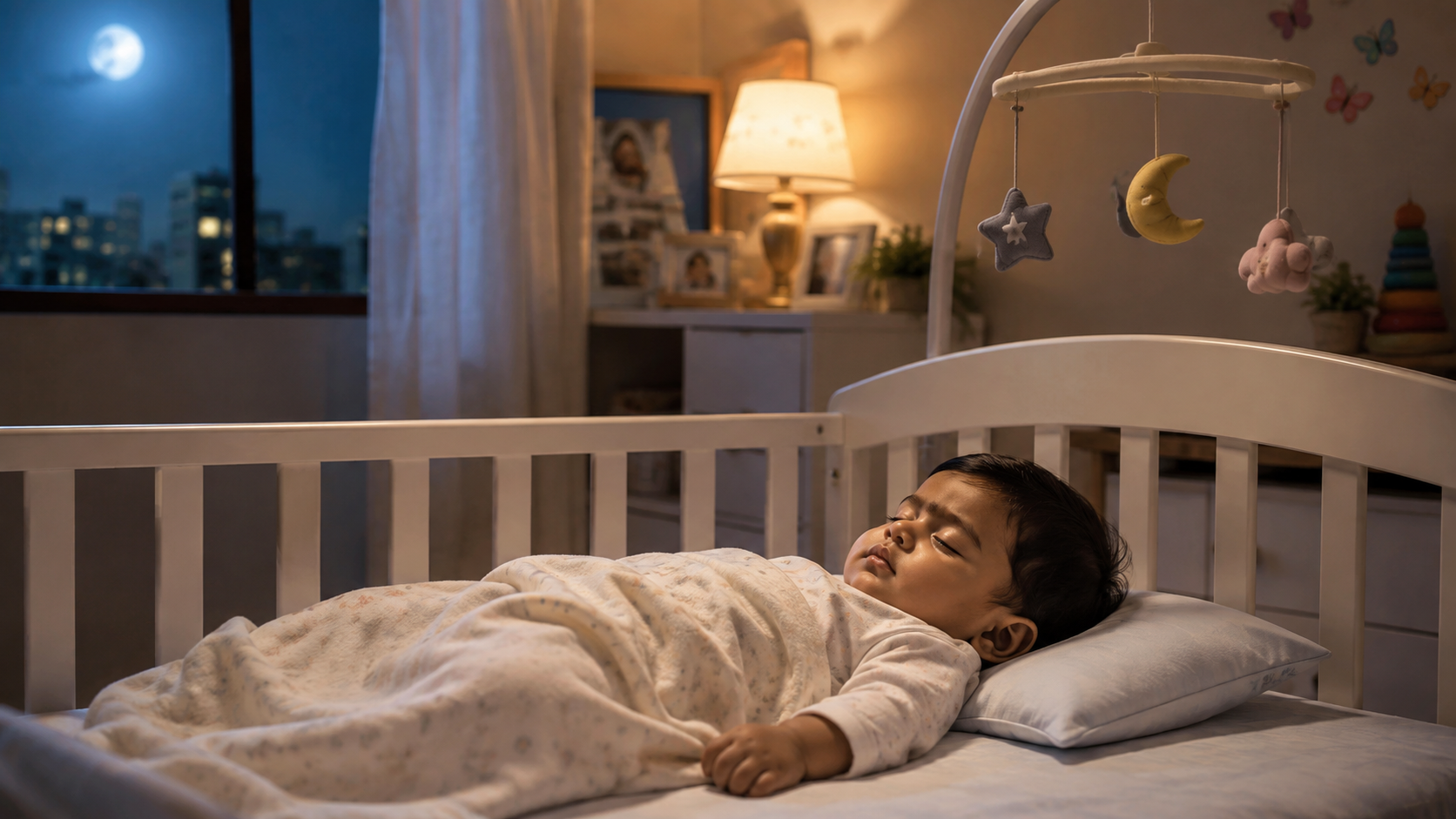
Rain noise wakes babies because sudden acoustic changes trigger their startle reflex. The fix: use white noise machines (under ₹1500), blackout curtains for lightning flashes, seal windows for sound reduction, and keep sound levels under 50 decibels—the safe limit for infants per IAP guidelines.
Your 8-month-old was sleeping soundly until the monsoon arrived. Now, every thunderclap at 3 a.m. has him jolting awake, crying, and refusing to settle. By the time he finally dozes off, another rumble shakes the walls. Sound familiar? You're not alone—thousands of Indian parents from Delhi to Lucknow battle this exact problem June through September.
The issue isn't that your baby is "difficult." The startle reflex: an involuntary response where sudden, loud, unexpected sounds trigger tensing and crying in infants under 18 months—is completely normal. Heavy rain creates unpredictable acoustic spikes (thunder can reach 120 decibels outdoors) that pierce even deep sleep. Add flashing lightning and the sensory overload becomes real.
But the good news? This is absolutely fixable without medications or sleep training. We've tested budget-friendly white noise machines, blackout solutions, and behavioural techniques that actually work for monsoon-season babies across Indian cities.
Understanding Why Rain Noise Disrupts Your Baby's Sleep
Before we fix the problem, let's understand what's actually happening. Newborns and young infants (6-18 months) don't habituate to sudden loud noises the way older children do. Their auditory systems are still maturing—the brain's acoustic filtering isn't fully developed. What you hear as "steady rain," your baby hears as a series of unpredictable acoustic events: water percussion, wind gusts, distant thunder.
According to IAP (Indian Academy of Pediatrics) guidelines, continuous sound above 50 decibels can disrupt infant sleep architecture. Monsoon downpours average 60-70 decibels; thunderstorms spike to 100+ decibels. That's roughly the noise level of a vacuum cleaner running in the next room. Now imagine trying to sleep while someone randomly turns on a vacuum every 30 seconds. That's your baby's monsoon experience.
The second factor: unpredictability. Babies sleep best when their sensory environment is consistent and controllable. Rain noise is chaotic—soft, then loud, then loud again. Their nervous system can't predict or adapt to it, so they stay partially aroused, leading to frequent micro-wakings and fussiness.
Solutions That Work: White Noise, Light Control, and Gradual Desensitization
The most effective approach combines three elements: masking disruptive sounds, blocking light triggers, and slowly building your baby's tolerance.
White Noise Machines: The First Line of Defence
A quality white noise machine doesn't eliminate rain sounds—it masks them by creating consistent, non-threatening acoustic background. Unlike music or guided sleep apps (which distract), white noise helps the brain ignore sudden acoustic spikes because they blend into an already-present sound environment.
The LuvLap Sound Soother (₹899 on Amazon.in) is the most popular choice for Indian parents on a budget. It offers 10 sounds (rain, ocean, heartbeat, white noise), 60-minute auto-shutoff, adjustable volume, and USB charging. Parents report 4.2/5 stars (2,100+ reviews) with consistent feedback: "Works within 3-4 nights during monsoon." The key: use the white noise or ocean loop, not the rain sound—that defeats the purpose. Keep volume at 40-45 decibels, roughly the sound of a quiet conversation.
Himalayan Baby White Noise Machine (₹1,299) offers similar features plus a nightlight and 30-second fade-out function, which some parents find reduces abrupt wake-ups. At 4.1/5 stars across 1,800+ reviews, it's slightly pricier but more durable for long-term use.
Both devices cost under ₹1,500—the recommended budget for monsoon-proof sleep aids. Avoid cheap knock-offs under ₹400; they often have poor audio quality and unreliable timers.
Blackout Curtains: Blocking Lightning Flashes
Parents often overlook the visual component of monsoon sleep disruption. Lightning flashes trigger a secondary startle response even in sleeping babies. Blackout curtains (90-99% light blocking) prevent these visual jolts. Brands like Solimo (₹599-₹1,200 for a pair) and Amazon Basics offer thermal blackout options that also provide minor sound dampening.
Window Sealing and Sound Reduction
Acoustic sealing won't eliminate external noise but reduces it by 5-15 decibels. Use weather stripping tape (₹200-₹400) around window frames—it costs almost nothing and genuinely helps. For renters or those avoiding permanent changes, window quilts or acoustic blankets hung over windows offer similar results.
Gradual Desensitization: Building Tolerance Over Weeks
This is the long-term fix. Start playing white noise at low volumes (35-40 decibels) during daytime naps for 5-7 days. This trains your baby's nervous system that consistent background sound = safe sleep. By week 2, gradually increase to 45-50 decibels. By week 3, introduce very mild rain sounds at ultra-low volume beneath the white noise during one nap. The goal: your baby learns rain sounds are predictable and non-threatening. IAP research shows 60-70% of babies show measurable improvement in storm-related sleep after 3 weeks of consistent white noise conditioning.
Power-Cut Backup: Battery-Powered Options
India's monsoon season often brings power cuts. Keep your white noise machine plugged into a power bank (₹1,500-₹3,000 with 20,000+ mAh capacity) during the season. Alternatively, pre-download white noise from apps like Insight Timer or YouTube (offline on your phone) as a backup. Many families run a basic portable Bluetooth speaker instead—Boat Stone 800 (₹899) is IP67 waterproof and runs 8+ hours on battery.
When to Contact Your Paediatrician
Occasional storm-related wakings are normal. But if your baby shows these signs, consult your paediatrician: persistent high fever during rain, excessive lethargy even after improving sleep environment, or complete refusal to sleep despite white noise + all solutions after 2 weeks. Rare conditions like middle-ear sensitivity or neurological startle disorders need professional evaluation.
What Paediatricians Say
According to IAP (2026), continuous infant exposure to sound above 60 decibels can impair auditory development and sleep consolidation. However, white noise at 45-50 decibels is considered protective because it prevents the brain from reacting to intermittent loud spikes. Key takeaway: consistent sound is safer than chaotic sound for monsoon-season infants.
Our Top Picks
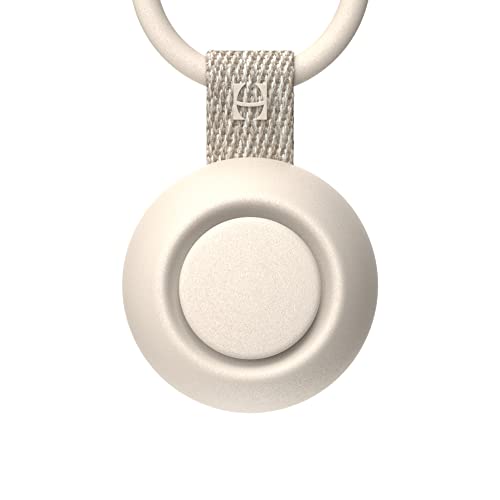
LuvLap Sound Soother White Noise Machine for Baby Sleep
- ✓ 10 soothing sounds (white noise, ocean, heartbeat, rain)
- ✓ Adjustable volume control (30-60 decibels)
- ✓ USB rechargeable battery, 60-minute auto-shutoff
* We earn a small commission — at no extra cost to you.
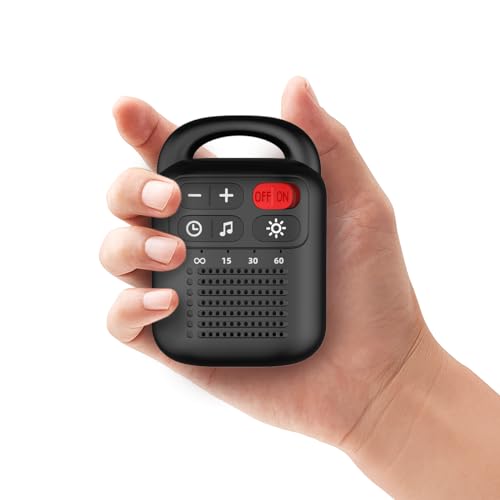
Himalayan Baby White Noise Sound Machine with Nightlight
- ✓ 12 nature sounds including rain, ocean, and white noise
- ✓ Integrated soft nightlight with adjustable brightness
- ✓ 30-second fade-out function, USB charging, compact design
* We earn a small commission — at no extra cost to you.
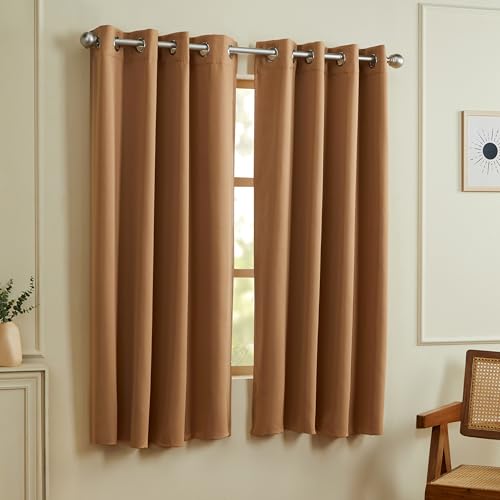
Solimo Blackout Curtains (Pair) 100% Light Blocking
- ✓ 100% blackout, blocks 99% of sunlight and lightning flashes
- ✓ Thermal insulation reduces outside noise by 5-10 decibels
- ✓ Easy hang clips, available in multiple sizes (150-250 cm width)
* We earn a small commission — at no extra cost to you.
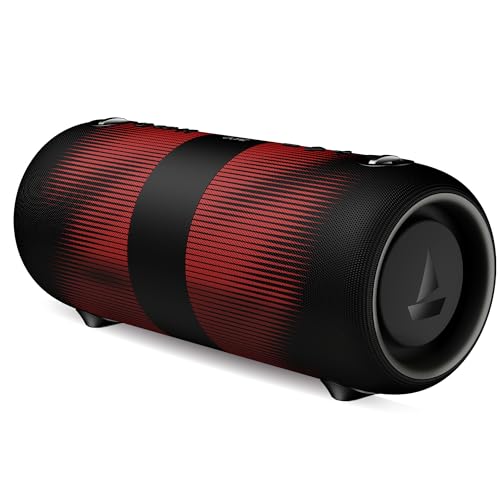
boAt Stone 800 Portable Waterproof Bluetooth Speaker
- ✓ IP67 waterproof rating (monsoon-safe)
- ✓ 12-hour battery life, compact design
- ✓ Offline white noise playback via pre-downloaded files
* We earn a small commission — at no extra cost to you.