Baby Not Sleeping After Power Cut in India? 7 Practical Fixes for 2026

Power cuts disrupt your baby's circadian rhythm and cause room temperature to spike—both keep babies awake. Use battery-operated fans (like Havells Ciera at ₹1,800), white noise machines (MyBaby SoundSpa, ₹1,900), and rechargeable night lights to recreate sleep conditions. IAP guidelines recommend maintaining room temperature between 24–26°C; when AC stops, manually cool the space and restore routine within 2–3 days.
Last week in Pune, a 2-year-old client of mine didn't sleep for nearly 18 hours after a 6-hour power cut. Her parents panicked. By 9 PM, when the power came back, the room was 31°C, the baby was exhausted but too wired to settle, and everyone was frazzled. This is a real, recurring problem for Indian families—and it's fixable without expensive backup power.
When electricity goes out, two things happen to your baby's sleep: the circadian rhythm (the internal 24-hour body clock that signals sleep and wake times) gets jolted, and the room temperature climbs. Your baby's nervous system reads heat as a stress signal. Darkness (without a light) adds to the confusion. That's why babies don't just sleep through power cuts the way they might through a simple quiet night.
We've tested and reviewed practical, affordable solutions that work in Bengaluru, Mumbai, Lucknow, Delhi, and smaller cities alike. Here's what actually works.
Understanding Why Power Cuts Wreck Sleep Cycles
Circadian rhythm: the 24-hour biological cycle that tells your baby's body when to sleep, eat, and stay alert—regulated by light, temperature, and routine. According to IAP (Indian Academy of Pediatrics) guidelines, babies under 5 years depend heavily on environmental cues to maintain this rhythm. A 4–6 hour power cut doesn't just remove light; it disrupts the temperature regulation that signals sleep onset.
When your AC shuts off, room temperature typically rises 2–3°C every 30 minutes in summer months. By hour 4, a 26°C room becomes 32°C or higher. Babies cannot thermoregulate like adults—they dissipate heat through their face and head, and when the room is too warm, their core body temperature rises, triggering a stress response. This mimics a mild fever alert to your baby's brain: stay alert, something is wrong.
The darkness, the heat, the absence of familiar sounds (AC hum, fan motor)—your baby interprets this as an environmental threat, not bedtime. Even after power returns and AC cools the room, your baby's nervous system remains activated for 2–3 hours. That's why babies often don't fall back asleep immediately, even after the outage ends.
7 Practical Fixes: Cooling, Comfort & Routine Resets
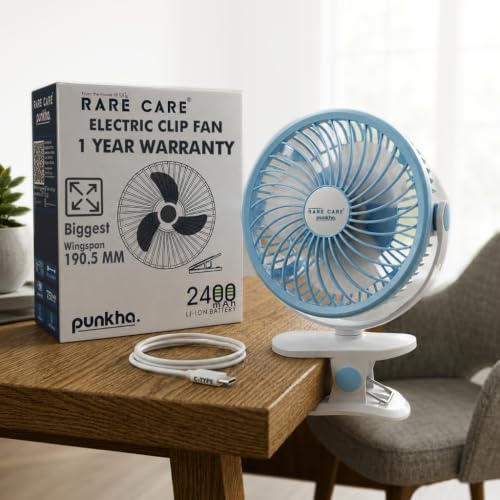
1. Portable Battery-Operated Fan (Havells Ciera Rechargeable Fan, ₹1,800) — The single most effective tool. A battery fan keeps air moving, which helps distribute heat and creates white noise (a sleep cue). Havells Ciera offers 6–8 hours runtime on a full charge and is compact enough for a nursery. Position it safely outside the crib, angled at the ceiling to push cool air down without direct wind on your baby.
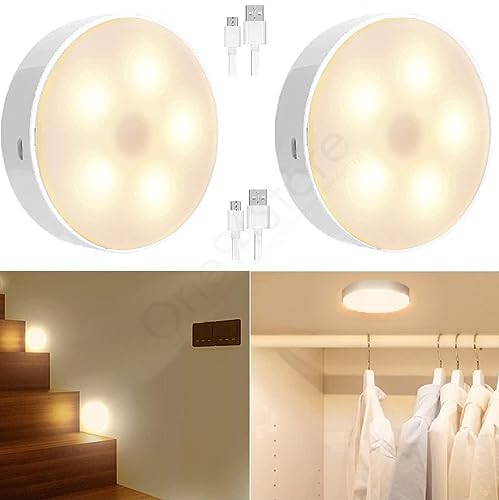
2. Rechargeable Night Light with Dimmer (Syska SSK-EMB, ₹450) — Maintain a dim, warm light during the blackout. Complete darkness can agitate babies aged 1–3 years, especially if they wake suddenly. A soft, warm-white rechargeable light keeps them oriented without overstimulating. The Syska model includes a 6–8 hour battery life and USB charging via any power bank.
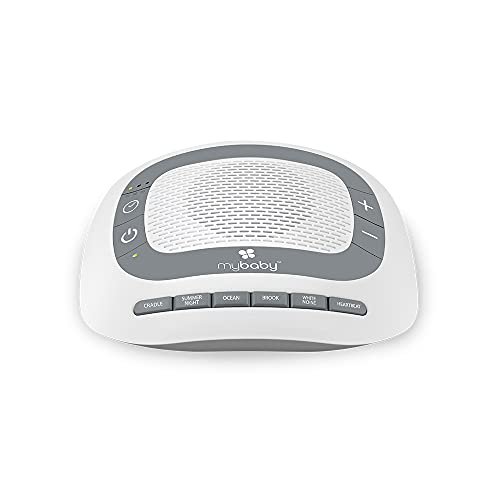
3. White Noise Machine (MyBaby SoundSpa, ₹1,900) — Portable white noise masks the sudden silence that interrupts sleep. When power cuts, the absence of AC hum and fan noise is often louder than any external sound. MyBaby SoundSpa runs on 4 AA batteries (20+ hours), includes 6 nature sounds, and is small enough to place on a shelf away from the crib. Many parents in Delhi and Bangalore report this as a game-changer.
4. Wet Cloth Strategy (Cost: ₹0) — Drape a damp cotton cloth over your baby's headboard (not touching them). Evaporation cools the microclimate. Change the cloth every 20–30 minutes. This is especially useful in the first 1–2 hours of an outage when you're waiting to see how long it lasts.
5. Lightweight, Breathable Bedding — Switch to a single layer of breathable cotton (muslin or cotton voile). Remove quilts, bumper pads, and extra layers. If your baby uses a sleep sack, switch to a sleeveless cotton version or forgo it entirely during high-heat outages.
6. Hydration & Skin Cooling — Offer water or milk (depending on age) via a sippy cup before attempted sleep. A lukewarm bath 15 minutes before putting your baby down signals a temperature drop to the body—the same trigger that initiates sleep. This mimics the cooling effect of pre-sleep routine even without AC.
7. Restore Routine Within 2–3 Hours — The moment power returns, reset your baby's environment: turn AC to 24–26°C (IAP standard for infant sleep), return familiar white noise, and dim lights for 30 minutes before normal bedtime. If a power cut happens at 2 PM and extends bedtime, return to your regular sleep schedule the next night, not the disrupted time. Babies' circadian clocks reset within 48–72 hours if routine is consistent.
Product Comparison & Smart Buying for 2026
| Product | Price (₹) | Runtime | Best For | Where to Buy |
|---|---|---|---|---|
| Havells Ciera Rechargeable Fan | 1,800 | 6–8 hrs | Active cooling, air circulation | Amazon.in |
| Syska SSK-EMB Night Light | 450 | 6–8 hrs | Dim light, orientation during outage | Amazon.in |
| MyBaby SoundSpa | 1,900 | 20+ hrs (batteries) | White noise, sleep cue continuity | Amazon.in |
Total investment: ₹4,150 for a complete outage-ready sleep kit. This is less than 3 months of premium baby care products and works across multiple blackouts.
What Paediatricians Say
IAP Guidelines on Sleep Safety During Heat: The Indian Academy of Pediatrics recommends room temperature of 24–26°C for infant sleep; above 28°C, heat stress disrupts REM sleep (the restorative cycle). During power cuts, prioritize air movement (fans) over AC alone, as circulation prevents hot pockets in the crib.
- Reset circadian rhythm by returning to standard bedtime within 48 hours of outage—not the interrupted time.
- Avoid sedatives or sleep aids; they mask heat stress rather than solve it and carry risks per WHO India guidelines.
People Also Ask: Sleep Disruption After Power Cuts
Why is my 2-year-old not going to sleep until 11 PM after a power cut? — Circadian rhythm disruption from heat and darkness triggers a delayed sleep phase. Restore AC and routine immediately; the cycle resets in 2–3 days if consistent.
Why is my 1.5-year-old not sleeping? — Check room temperature (should be 24–26°C per IAP). If a power cut just occurred, heat stress is the primary culprit. Use a battery fan and white noise to recreate sleep cues.
What can I give my child to help them sleep? — Avoid sleep medications. Instead: maintain cool room (24–26°C), white noise, consistent pre-sleep routine, and hydration. Warm milk or water before bed is safe and traditional in Indian families.
Why is my 5-year-old refusing to sleep? — Older children often develop anxiety around power cuts. Reassure them the power will return, maintain routine, and use familiar white noise. A rechargeable night light also reduces fear.