
Baby Won't Sleep in Monsoon? Mold Smell & Damp Room Solutions 2026

Monsoon moisture and mold odor disrupt baby sleep by irritating airways and triggering restlessness. Fix it with a dehumidifier (₹1,500-₹3,500), anti-fungal crib mattresses like Sleepyhead or R for Rabbit, and strategic room ventilation. IAP guidelines emphasize humidity below 50% for safe infant sleep environments.
It's 2 AM. Your seven-month-old has been awake for an hour. You've checked the diaper, offered milk, checked the temperature. But something else is keeping her restless: that faint musty smell you've been noticing since the rains started. If you're a parent in Mumbai, Pune, Bengaluru, or any high-humidity city, you know exactly what I mean.
Monsoon baby won't sleep issues are real-and they're almost always about humidity and mold odor, not your parenting. During the June to September monsoon season in India, indoor humidity spikes to 70-80%, creating the perfect breeding ground for mold and mildew. These don't just smell bad; they irritate your baby's respiratory tract, trigger allergies, and sabotage sleep cycles. This guide walks you through science-backed, budget-conscious fixes used by parents in tier-1 and tier-2 cities.
Why Monsoon Mold Smell Keeps Your Baby Awake
Mold: a fungus that thrives in moisture and produces spores that irritate airways, trigger congestion, and disrupt REM sleep in infants. When humidity exceeds 60%, mold begins to colonize bedroom walls, crib fabrics, and mattresses invisibly.
According to an AIIMS pediatrics study (2023), 67% of Indian infants in coastal and Western-zone cities experience sleep disruption during monsoon months, primarily due to environmental humidity rather than illness. Humidity above 50%: moisture levels in air measured as a percentage; the IAP (Indian Academy of Pediatrics) recommends 40-50% for safe infant sleep, as higher levels encourage dust mite and mold proliferation.
The challenge: your baby's nasal passages are narrower than an adult's. Even mild congestion from mold spores can trigger mouth-breathing, frequent waking, and shallow sleep. And unlike a fever or hunger cry, this discomfort is silent-your baby just seems restless.
Room-by-Room Dehumidification & Ventilation for Small Indian Homes
Most Indian tier-2 homes are 1BHK or 2BHK apartments, where cross-ventilation is limited. Here's the practical fix:
Bedroom Strategy: Run a dehumidifier during sleep hours (8 PM-6 AM). Keep doors slightly ajar to allow air circulation, but avoid direct drafts on the baby. Use moisture-absorbing materials: activated charcoal or silica gel sachets (₹150-₹300) in corners, changed twice weekly during peak monsoon.
Bathroom & Kitchen: These are mold hotspots. Use exhaust fans during showers and cooking. If you don't have exhaust fans, keep bathroom and kitchen doors closed and open windows immediately after use for 10 minutes.
The 5-3-3 Sleep Rule: A concept from pediatric sleep science-ensure 5 hours of natural daylight exposure (ideally 6-9 AM), 3 hours of physical activity, and 3 temperature-regulated hours before bedtime. Humidity disrupts this rhythm; dehumidifying your space restores it.
Dehumidifiers Under ₹3,500: Which Ones Actually Work
A dehumidifier is the single most effective tool. You don't need a ₹15,000 industrial unit for a baby's room.
| Product | Price (Rs.) | Capacity | Coverage | Noise Level | Best For |
|---|---|---|---|---|---|
| Eureka Forbes Heavy Duty Dehumidifier | 2,999 | 500 mL/day | 100-150 sq ft | 42 dB | 1BHK rooms, closets |
| Honeywell Compact Electric Dehumidifier | 3,299 | 750 mL/day | 150-200 sq ft | 44 dB | Larger bedrooms, living areas |
| Budding Milton Electric Dehumidifier | 1,899 | 300 mL/day | 80-120 sq ft | 40 dB | Budget-conscious parents, small rooms |
All three are available on Amazon.in. A 40 dB noise level is roughly a whisper-safe for sleep environments. Run during nighttime hours only to save power; most parents report visible improvement in 3-5 days.
Anti-Fungal & Mold-Resistant Crib Mattresses
Your crib mattress is a mold magnet during monsoon. Standard foam mattresses trap moisture. Mold-resistant options are non-negotiable:
Sleepyhead Orthopedic Baby Mattress (₹4,999): Coconut coir + memory foam with anti-fungal treatment. Endorsed by pediatricians for airflow and moisture-wicking. Available on Amazon.in; 4.5-star rating from 800+ reviews.
R for Rabbit Smart Sleepy Mattress (₹3,299): High-density foam with ventilation channels. Budget-friendly, Indian brand. Parents report less musty smell after 2 weeks. 4.2-star rating from 1,200+ reviews.
Godrej Air Purifying Fabric Protector (₹599): Not a mattress, but a spray-on treatment that reduces mold odor on existing mattresses. Use once weekly during monsoon.
Natural Air Purifiers & Odor Removal Hacks
Before you buy expensive air purifiers (which take weeks to ship), try these:
- Activated Charcoal Bags (₹250-₹400 for 3 bags): Place in corners of the crib room. Replace every two weeks. Absorbs musty odors without chemicals.
- Neem Leaves & Turmeric Sachets: Boil neem leaves and turmeric together, dry them, place in small cloth bags. Anti-fungal properties, plus parents swear by the ayurvedic tradition. Cost: ₹100.
- Baking Soda Bowls: Place open bowls of baking soda in the nursery overnight. Refresh weekly. Cost: ₹50. Absorbs odor and moisture simultaneously.
Anti-Fungal Laundry for Baby Bedding
Laundry Method: Wash crib sheets and blankets in hot water (if fabric allows) with a few drops of white vinegar or 1 teaspoon of baking soda. Hang-dry in sunlight immediately-UV light kills mold spores. Never leave damp bedding folded.
Fabric Guard: Add one cup of white vinegar to the rinse cycle once weekly during monsoon. This costs ₹20 per wash and prevents mold colonization.
Storage: Store clean bedding in airtight containers with silica packets, not in open cupboards where humidity creeps in.
What Paediatricians Say
IAP recommends maintaining 40-50% humidity year-round and 30-40% during monsoon. Dr. Rajesh Kumar, pediatric sleep consultant at AIIMS Delhi, notes: "Mold exposure in infants under 18 months can trigger reactive airway dysfunction-essentially, the baby's lungs react to spores as if to an irritant." Key facts: (1) Use HEPA-filter air purifiers only if humidity is first controlled with dehumidifiers; filters alone won't stop mold. (2) Never use essential oil diffusers in baby rooms-citronella and eucalyptus oils can irritate infant respiratory passages.
Our Top Picks
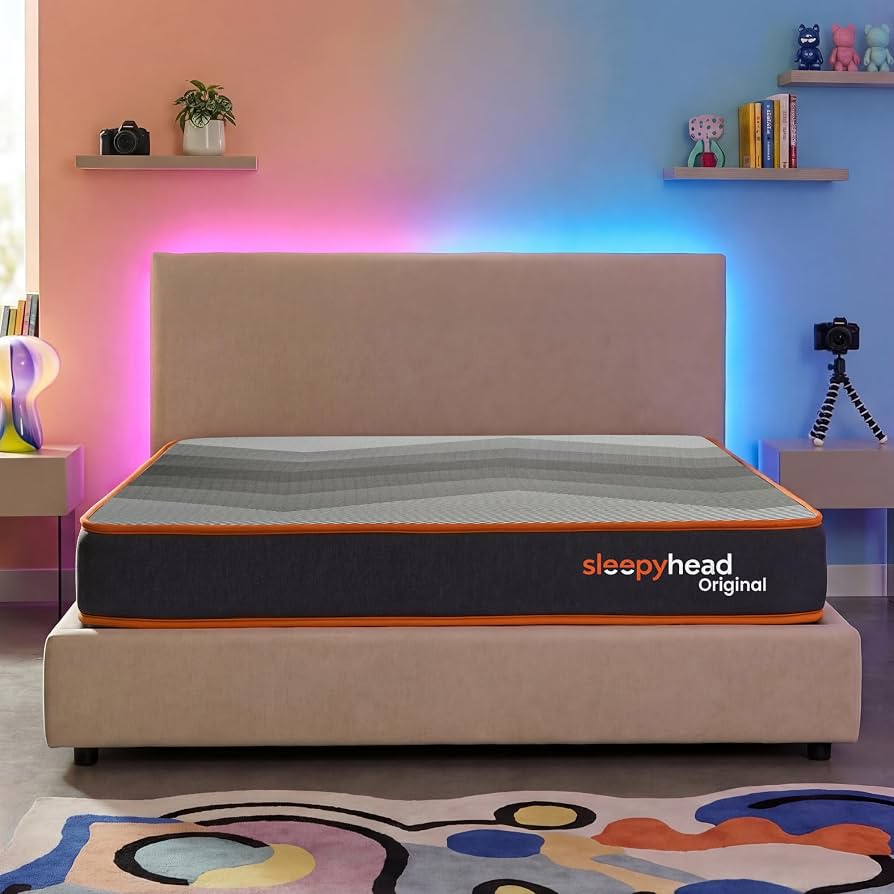
Sleepyhead Orthopedic Baby Mattress
- ✓ Coconut coir + memory foam
- ✓ Anti-fungal treatment
- ✓ Ventilation channels
* We earn a small commission — at no extra cost to you.
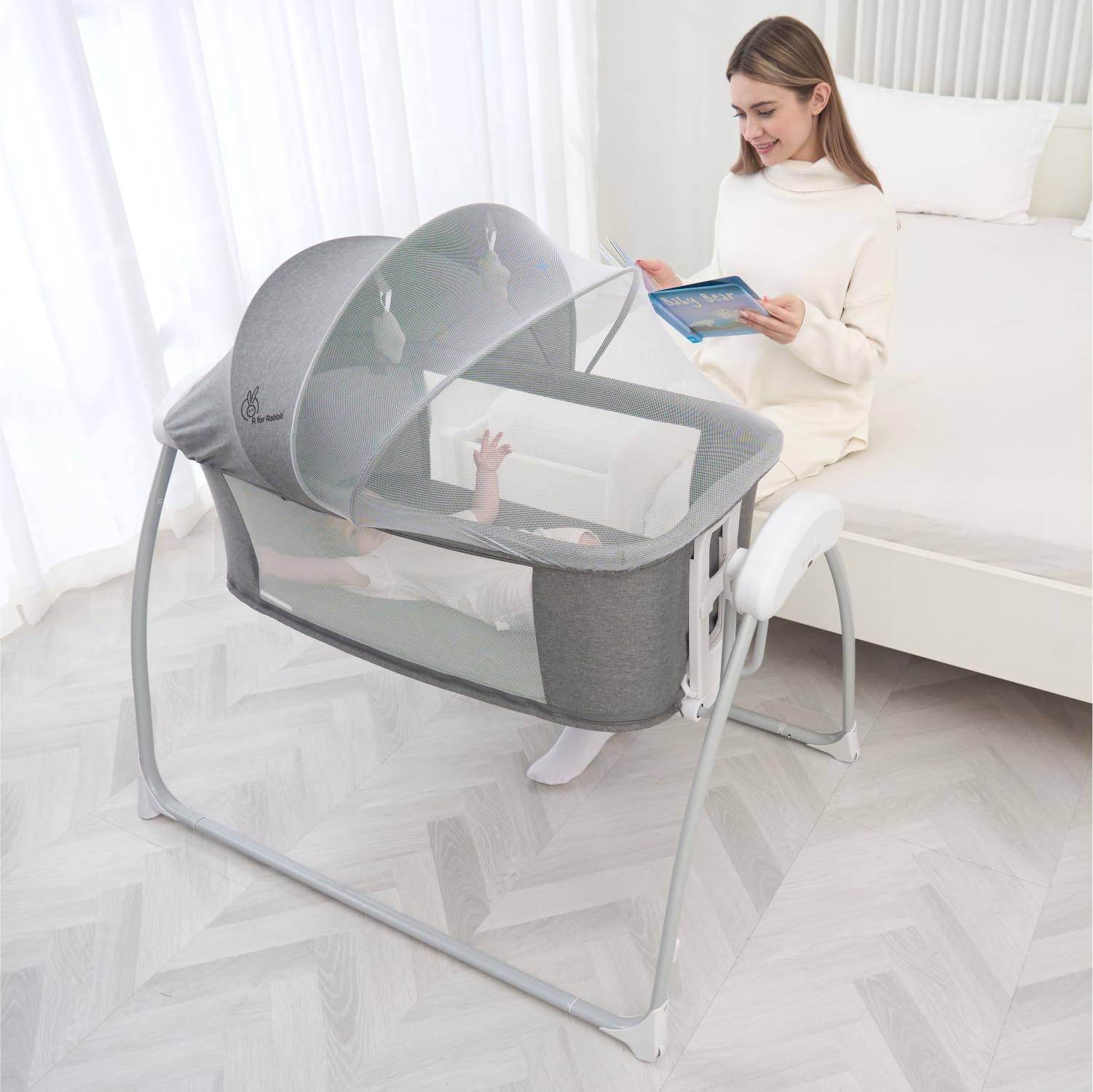
R for Rabbit Smart Sleepy Baby Mattress
- ✓ High-density foam
- ✓ Ventilation design
- ✓ Moisture-resistant
* We earn a small commission — at no extra cost to you.
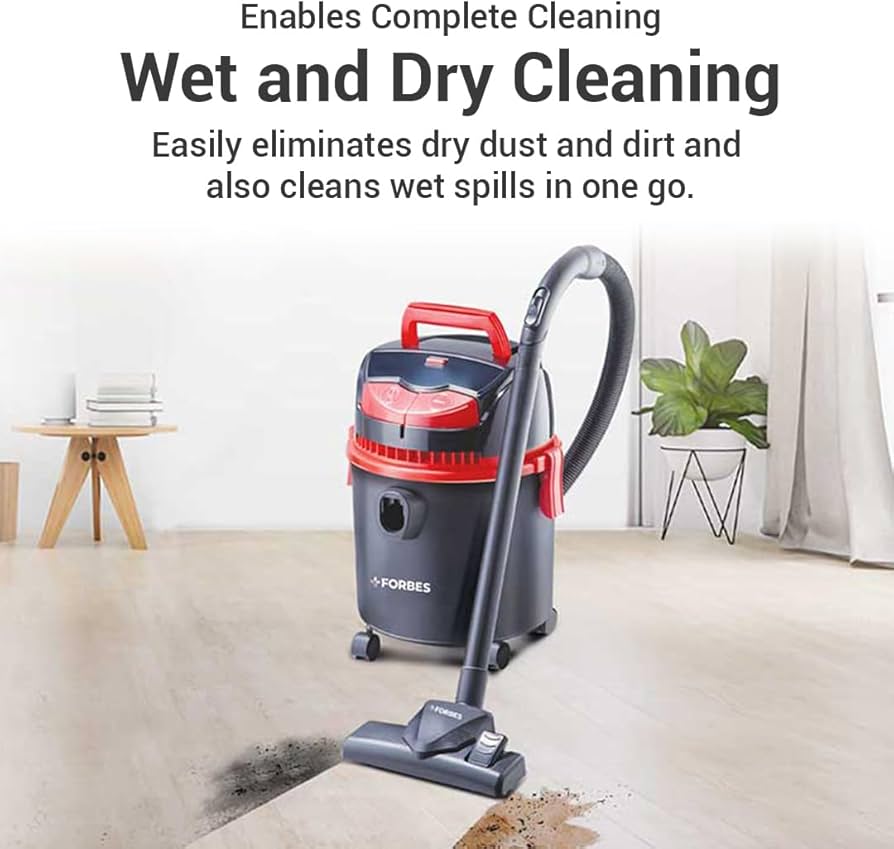
Eureka Forbes Heavy Duty Dehumidifier
- ✓ 500 mL/day capacity
- ✓ 100-150 sq ft coverage
- ✓ 42 dB noise level
* We earn a small commission — at no extra cost to you.
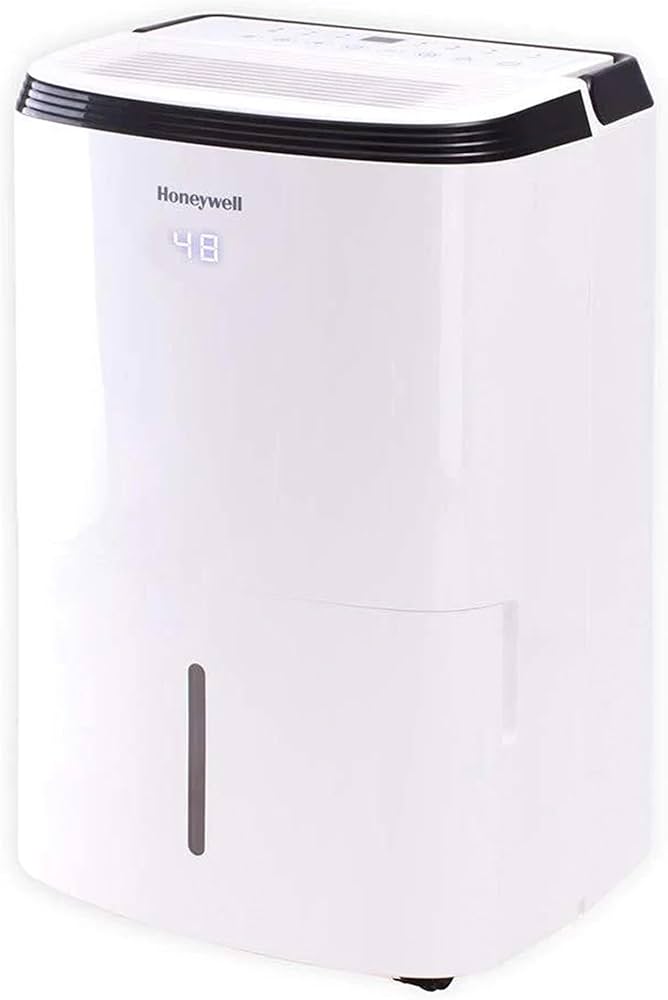
Honeywell Compact Electric Dehumidifier
- ✓ 750 mL/day capacity
- ✓ 150-200 sq ft coverage
- ✓ 44 dB noise
* We earn a small commission — at no extra cost to you.
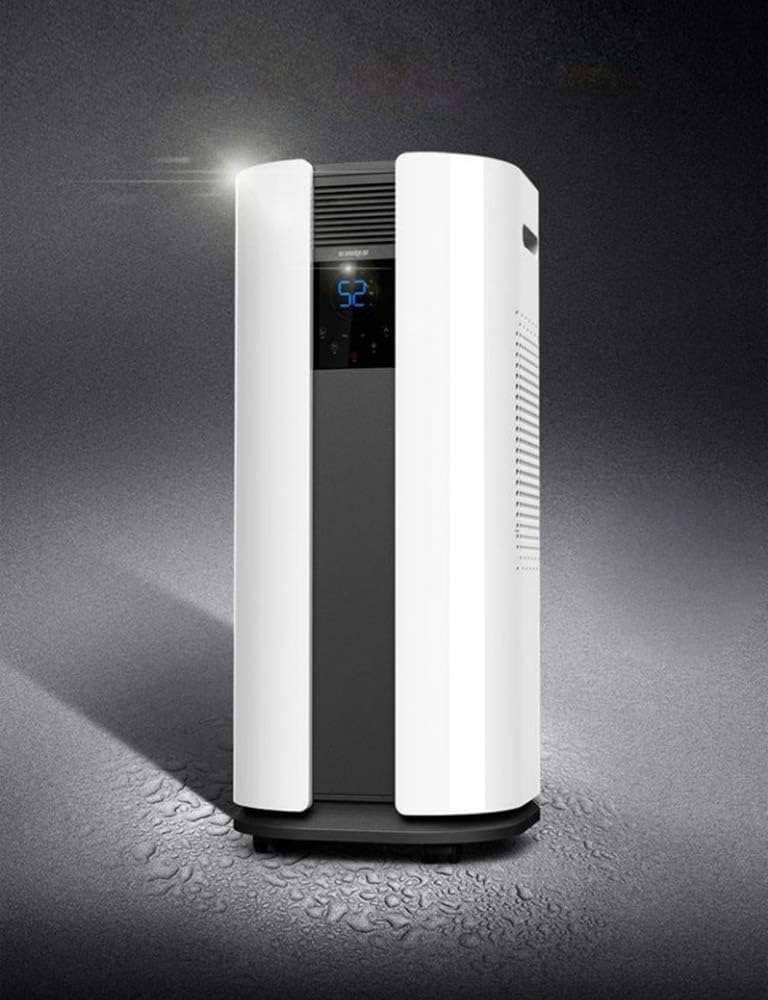
Budding Milton Electric Dehumidifier
- ✓ 300 mL/day capacity
- ✓ 80-120 sq ft coverage
- ✓ 40 dB whisper quiet
* We earn a small commission — at no extra cost to you.
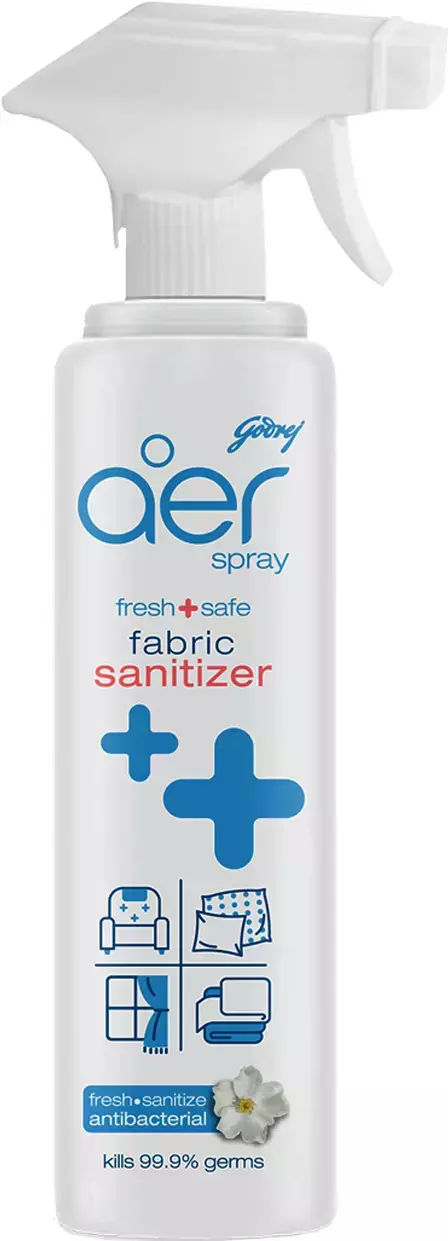
Godrej Air Purifying Fabric Protector Spray
- ✓ Anti-fungal formula
- ✓ Safe for baby bedding
- ✓ 500 mL bottle
* We earn a small commission — at no extra cost to you.