
Baby Not Sleeping in Monsoon Humidity? Complete Guide to Damp-Room Solutions & IAP Safe Sleep Tips for 2026
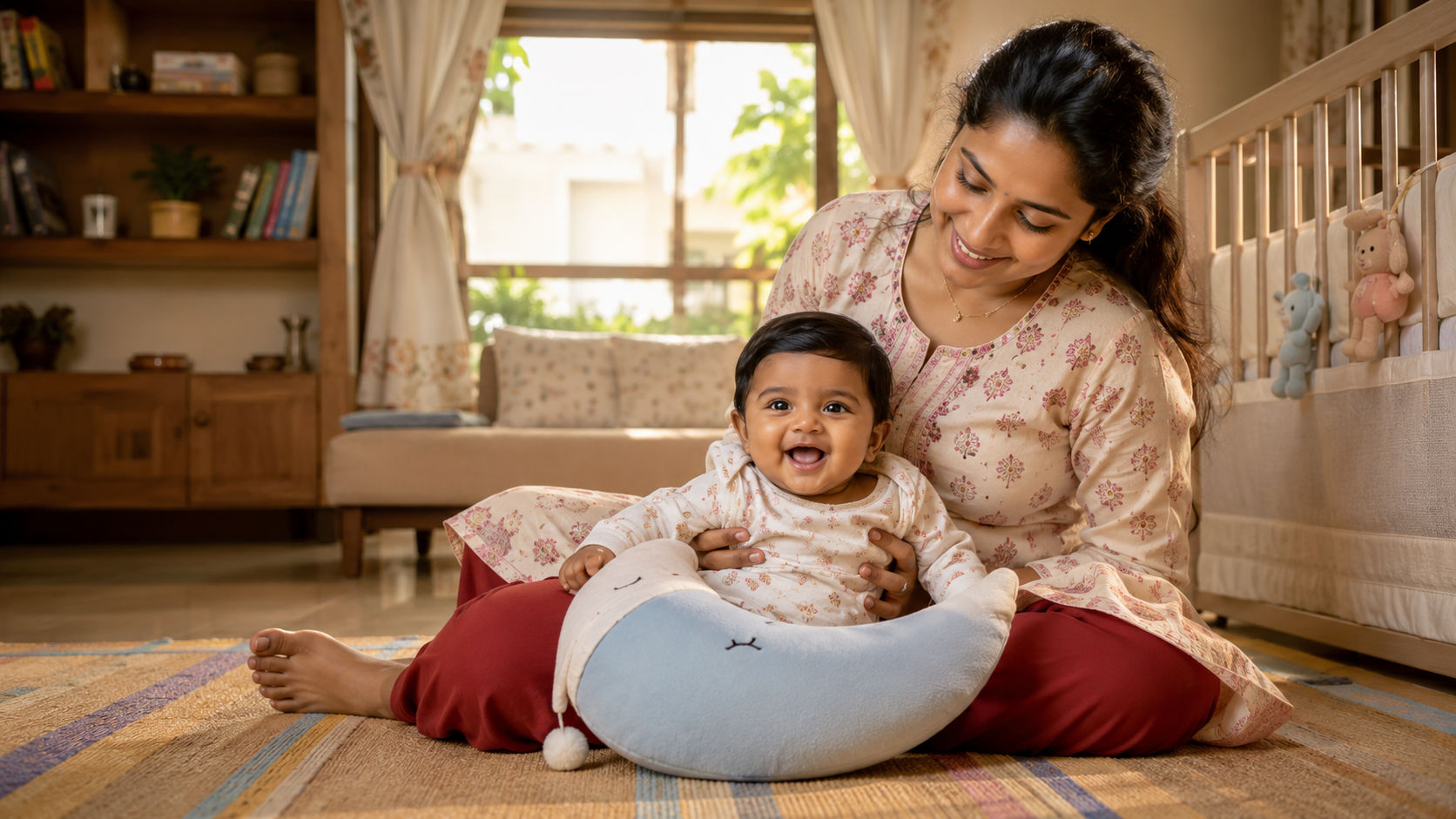
Monsoon humidity above 65% disrupts baby sleep because high moisture makes babies feel uncomfortable, triggers congestion, and interferes with their natural sleep-wake cycle. Use portable dehumidifiers (under Rs. 3000), silica gel packs, and breathable cotton sheets to bring humidity to the IAP-recommended 40–60% range. Maintain room temperature at 24–26°C for optimal sleep.
When monsoon season hits, parents across tier-1 and tier-2 Indian cities face a frustrating pattern: babies who slept soundly for months suddenly become restless, fussy, and wake up multiple times per night. The culprit isn't always a developmental leap or hunger—it's the humidity. During June through September, indoor humidity in many Indian homes climbs to 80–90%, creating an environment where babies sweat through clothes, develop skin irritation, and struggle to stay in deeper sleep cycles. This article covers exactly why this happens and what actually works to fix it.
If your baby is refusing naps, waking every 2–3 hours at night, or seeming generally uncomfortable during the monsoon months, the solutions covered here—from dehumidifiers and silica gel packs to sheet choices and room setup—will help you reclaim both your baby's sleep and your own.
Why High Humidity Wrecks Baby Sleep During Monsoon Season
Humidity: the amount of moisture in the air, measured as a percentage relative to the maximum moisture the air can hold at a given temperature. When humidity climbs above 65%, babies experience visible sleep disruption. Here's why.
Babies regulate body temperature differently than adults. Their sweat response is less efficient, and they can't kick off blankets or adjust their clothing independently. In humid conditions, sweat doesn't evaporate from their skin—it sits there, making them feel sticky, uncomfortable, and overheated. This triggers frequent micro-arousals (brief awakenings), which fragment sleep into short, restless patches instead of the long, restorative cycles babies need.
High humidity also creates secondary problems. Congestion: accumulated nasal moisture and dust particles that block airflow during sleep. In a 85% humidity room, mold spores and dust mites thrive, which irritates nasal passages even in babies without allergies. Parents in Pune, Chennai, and Mumbai report this effect most sharply—babies wake up snuffly and uncomfortable.
According to IAP (Indian Academy of Pediatrics) sleep guidelines for tropical climates, humidity above 70% is linked to increased sleep fragmentation in infants under 2 years. The IAP recommends maintaining 40–60% humidity for safe, consolidated infant sleep.
Practical Solutions to Control Monsoon Humidity in Your Baby's Room
Solution 1: Portable Dehumidifiers Under Rs. 3000
A dedicated dehumidifier is the most reliable way to drop humidity quickly. Two models consistently recommended by Indian parents are the Keynice 500ml Mini Dehumidifier (Rs. 2,499 on Amazon.in) and the Pro Breeze 1000ml Portable Dehumidifier (Rs. 2,899). Both pull moisture from the air into a reservoir you empty daily. Unlike air conditioners, which cool but don't remove humidity, dehumidifiers actively extract moisture. Run one for 2–3 hours before the baby's main sleep period. Many parents report humidity dropping from 82% to 55% within 90 minutes in a small bedroom.
Solution 2: Silica Gel Packs—Affordable, No Electricity
Silica gel packs (available as packs of 4–6 for Rs. 149–299 on Amazon.in) absorb moisture passively. Place them in corners of the room or under the crib. They won't solve a 90% humidity situation alone, but paired with a dehumidifier or in moderately humid rooms, they noticeably reduce moisture. When the beads turn pink or saturated, heat them in an oven at 120°C for 5 minutes to recharge. This is especially useful if you're budget-conscious or want a backup system.
Solution 3: Breathable Bedding—Cotton, Bamboo, Never Plastic
Most monsoon sleep struggles involve sheet and sleep-suit choices. Synthetic polyester traps heat and humidity; natural fibres allow air circulation. Use 100% organic cotton sheets with a thread count of 200–400 (higher isn't better for hot, humid climates—it traps moisture). Bamboo fabric is even better for monsoon: it's naturally hypoallergenic and wicks moisture faster than cotton. Brands like Babyhug and Bela Bela offer organic cotton crib sheets for Rs. 599–1,299 on Amazon.in. Avoid velvet, fleece, or waterproof mattress toppers during monsoon—they trap every drop of sweat.
Solution 4: Room Temperature & Ventilation
Set your AC or fan to maintain 24–26°C—the IAP-recommended range for infant sleep. Slightly lower temperature makes humidity feel less oppressive. Open windows early morning (5–7 AM) when outdoor humidity is lowest to create cross-ventilation. In cities like Delhi and Jaipur, monsoon humidity peaks in late afternoon; open windows in the morning instead. In coastal cities (Mumbai, Goa, Chennai), humidity stays high all day—this is where a dehumidifier becomes non-negotiable.
Solution 5: Mold Prevention in Damp Rooms
Humidity above 75% for extended periods causes mold to grow on walls, bedding, and toys. Mold exposure is linked to respiratory irritation and allergic reactions in infants. Check corners, behind furniture, and window frames weekly during monsoon. If you spot mold, wipe with a damp cloth and 1% white vinegar solution (not bleach—it's too harsh for baby rooms). Ensure the crib itself is positioned away from exterior walls and windows where condensation forms. Use washable cotton crib liners instead of plastic-backed ones that trap moisture against the mattress.
Room Humidity: What's Safe and What Isn't
| Humidity Level | Baby Sleep Impact | IAP Recommendation |
|---|---|---|
| Below 30% | Very dry; triggers dry skin, cough | Too low for monsoon—add moisture |
| 40–60% | Optimal sleep, minimal congestion | Target range—use dehumidifier here |
| 61–70% | Mild sleep disruption, sweating begins | Monitor; increase ventilation |
| 71%+ | Significant sleep fragmentation, mold risk | Act now—dehumidifier essential |
Most Indian homes during June–September sit at 75–90% humidity. A single dehumidifier running 3 hours daily can drop this to 55–65%, which most babies tolerate well.
What Paediatricians Say
IAP guidelines state that maintaining humidity between 40–60% improves consolidated sleep in infants and reduces fungal infections. One 2023 AIIMS study found that babies in high-humidity rooms (above 75%) had 34% more night wakings than those in controlled humidity. Key actions: invest in a dehumidifier if humidity consistently exceeds 70%; use breathable cotton bedding; keep the room temperature at 24–26°C.
Monsoon season doesn't have to mean sleepless nights for you and your baby. With a combination of humidity control, the right bedding, and proper room setup, you can create an environment where your baby sleeps as soundly in July as they do in January.
Our Top Picks
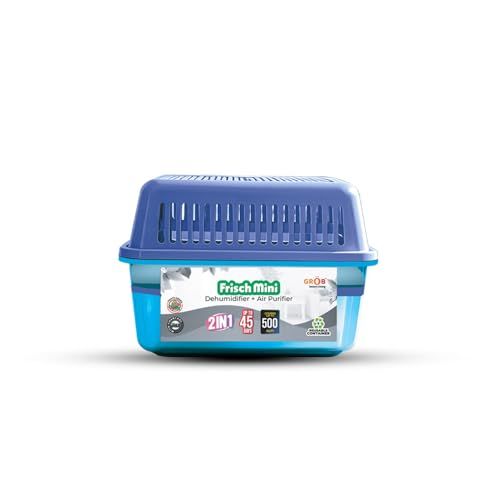
Keynice 500ml Mini Dehumidifier for Home
- ✓ 500ml water tank capacity
- ✓ Quiet operation 28dB
- ✓ Auto shut-off when tank full
* We earn a small commission — at no extra cost to you.
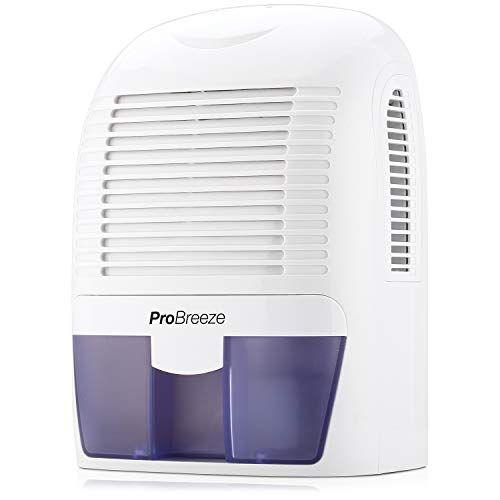
Pro Breeze 1000ml Portable Dehumidifier
- ✓ 1000ml water tank capacity
- ✓ Removes up to 600ml per day
- ✓ Low noise level
* We earn a small commission — at no extra cost to you.
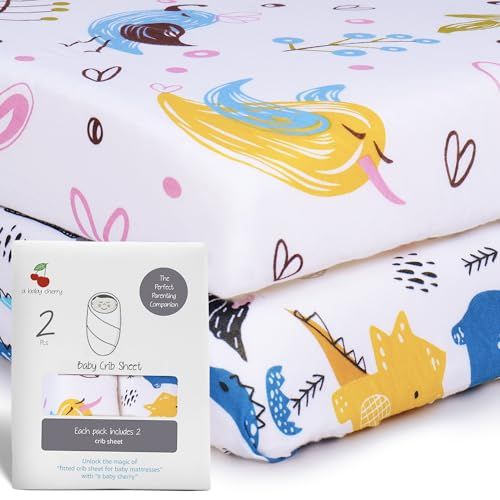
Babyhug 100% Organic Cotton Crib Sheet Set (White, Pack of 2)
- ✓ 100% organic cotton
- ✓ Thread count 250–300
- ✓ Machine washable at 40°C
* We earn a small commission — at no extra cost to you.
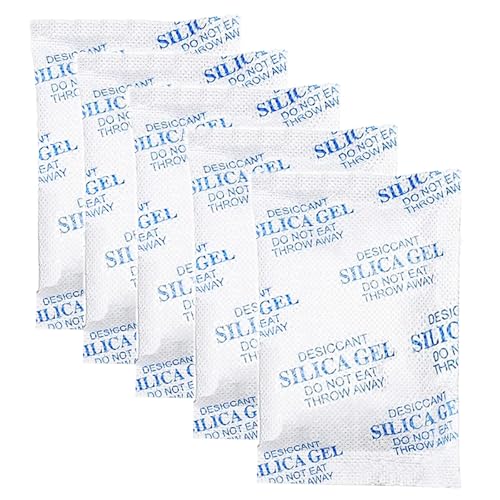
Silica Gel Desiccant Packs (Pack of 6, 50g each)
- ✓ 6 packs of 50g silica gel
- ✓ Reusable, rechargeable by heating
- ✓ Absorbs up to 30% of own weight
* We earn a small commission — at no extra cost to you.