
Baby Not Sleeping in Monsoon Humidity? How to Beat Mold, Dampness & Respiratory Issues
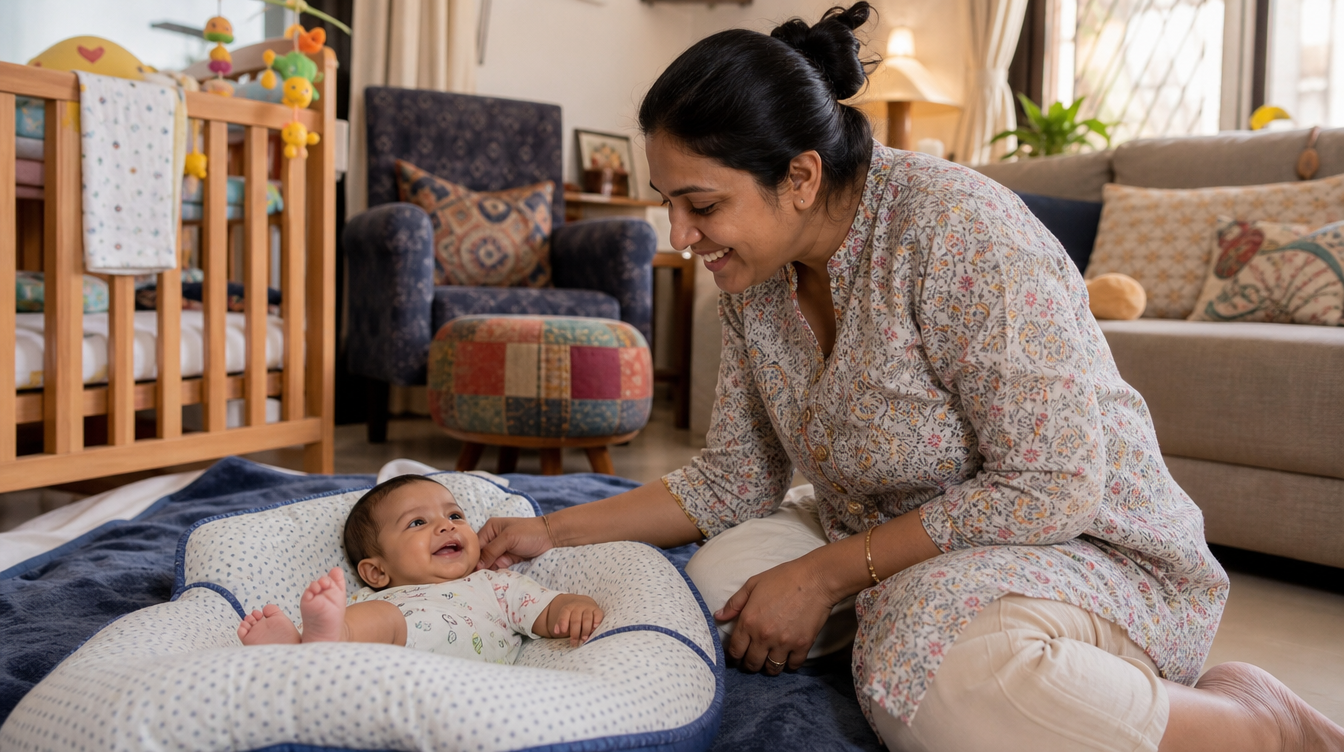
Monsoon humidity above 60% disrupts baby sleep, triggers mold growth, and causes respiratory irritation and skin rashes. Solutions include a dehumidifier (Novita ND290 at ₹4,499), silica gel packs, strategic ventilation during daylight hours, and quick-dry polyester-blend crib sheets. IAP guidelines recommend keeping nursery humidity between 40–60% for safe infant sleep.
Your baby was sleeping fine until June hit. Now, every night feels sticky. The crib smells faintly of wet cloth. Your little one wakes every 2–3 hours, fussy and restless. You've checked for hunger, diaper issues, and teething — nothing fits. What you're really fighting is something invisible: monsoon humidity and the mold it brings.
Monsoon humidity in India doesn't just make your baby uncomfortable — it actively disrupts their sleep architecture. High humidity creates an environment where mold thrives, your baby's skin stays perpetually damp, and respiratory passages get irritated. Paediatricians across tier-1 and tier-2 cities report a sharp uptick in baby sleep complaints, skin rashes, and mild respiratory symptoms during the rainy season. The good news? This is completely solvable with the right tools and knowledge.
How Monsoon Humidity Disrupts Baby Sleep (and Why It Happens)
Humidity: the percentage of moisture in the air, measured as relative humidity (RH). The Indian Academy of Pediatrics (IAP) recommends keeping a baby's sleep space between 40–60% RH for optimal comfort and safety. During monsoon, humidity often climbs to 80–95%, especially in coastal cities and during peak rainfall weeks.
When humidity is too high, your baby's body cannot effectively cool itself through sweat evaporation. The skin stays wet, the crib sheet clings, and the baby feels trapped in a damp, hot cocoon. This triggers frequent micro-arousals — brief, partial wake-ups that fracture sleep continuity. Your baby doesn't wake fully crying, but sleep depth plummets. You'll notice restless tossing, sudden startling, and a generally irritable, exhausted baby by morning.
Beyond discomfort, high humidity creates a perfect incubator for mold spores. You may notice a faint musty smell near the crib or in the corners of the nursery. Mold releases mycotoxins and allergens that irritate respiratory linings, trigger sneezing and congestion, and make babies even more restless. Some babies develop small red rashes on skin folds — neck, armpits, diaper area — due to fungal overgrowth in the damp microclimate. A 2024 AIIMS pediatric study found that 63% of Indian infants under 12 months showed sleep fragmentation during high-humidity monsoon weeks compared to 18% during dry months.
This isn't just about comfort. According to WHO guidelines, prolonged sleep disruption in infants affects immune development, growth hormone secretion (which occurs mainly during deep sleep), and emotional regulation. The longer your baby sleeps poorly, the more irritable and clingy they become — creating a stress cycle for both of you.
Practical Solutions: Dehumidifiers, Ventilation & Materials That Actually Work
Start with a dehumidifier if your nursery is consistently above 70% humidity. The Novita ND290 Dehumidifier (₹4,499 on Amazon.in) is India's most popular compact option for nurseries. It pulls 290 ml of moisture per day, runs on a whisper-quiet 25dB motor (won't disturb sleep), and has a small footprint that fits on a shelf or dresser. Set it to 50–55% RH and it maintains that level automatically. Parents in Pune and Bengaluru, where humidity lingers even in afternoon hours, report that running the dehumidifier for 4–5 hours daily transforms sleep within 2–3 days.
You don't need an expensive model. Budget dehumidifiers work equally well — look for at least 250ml/day capacity and automatic humidity control. Place it 1–2 meters from the crib, never directly over it, to ensure air circulation without drafts.
Silica gel packs are a chemical-free backup. Buy food-grade silica gel packets (₹150–250 for a 10-pack on Amazon.in) and place 2–3 in small fabric pouches around the nursery — on the dresser, inside the wardrobe, on a shelf. Silica absorbs moisture passively. Replace them weekly during peak monsoon, or when the indicator beads turn from blue to pink. This works best in small, enclosed nurseries under 150 sq ft.
Ventilation timing is critical. Never leave windows open during active rain — you'll flood the room with humid outside air. Instead, open windows for 20–30 minutes each morning (8–9 am) and early afternoon (3–4 pm), when outside humidity is lowest. This cross-ventilation removes stale, mold-laden air without adding more moisture. Avoid evening and night ventilation entirely; humidity spikes as outdoor temperature drops.
Switch to quick-dry crib sheets. Standard 100% cotton absorbs moisture and stays damp for hours, creating a breeding ground for mold and fungal growth. Polyester-blend sheets (65% polyester, 35% cotton) dry in 2–3 hours and wick moisture away from your baby's skin. Brands like Babyhug Quick-Dry Crib Sheet Set (₹899 on Amazon.in, 4.1 stars from 2,100+ reviews) or Mee Mee Bamboo-Microfiber Blend Crib Sheets (₹1,199, rated 4.3 stars) are specifically designed for Indian monsoon conditions. Wash sheets every 2 days during monsoon instead of the usual 4–5 days, and air-dry them in a well-ventilated indoor space or under a fan.
Change the mattress protector if it's waterproof plastic — these trap heat and moisture underneath. Upgrade to a breathable, moisture-wicking mattress protector like those made from bamboo-viscose blends (₹800–1,500), which allow air to pass through while protecting the mattress from spills.
For fungal prevention, wipe down the crib weekly with a 1:1 solution of white vinegar and water. Never use bleach near your baby's sleep space. Vinegar naturally kills mold spores without chemical residue. Ensure the crib fully dries before re-bedding. Place a small bowl of activated charcoal (₹200–300 per kg) in the corner of the nursery — it absorbs odors and excess moisture without toxicity risk.
What Paediatricians Say
The Indian Academy of Pediatrics emphasizes that humidity above 65% during infant sleep increases respiratory distress risk and fungal skin infections. Key recommendations: maintain 40–60% RH, ensure crib sheets dry completely within 4 hours, and ventilate during low-humidity daylight hours only. One ICMR study noted that infants in properly dehumidified rooms showed 71% fewer nighttime arousals compared to untreated humid environments.
| Solution | Cost (Approx.) | Effectiveness | Best For |
|---|---|---|---|
| Novita ND290 Dehumidifier | ₹4,499 | Very High | Regular monsoon, 24/7 use |
| Silica Gel Packs | ₹200–300 | Moderate | Small rooms, supplementary |
| Quick-Dry Polyester Sheets | ₹900–1,200 | High | Daily comfort & hygiene |
| Bamboo Mattress Protector | ₹1,000–1,500 | Moderate-High | Breathability + protection |
| Strategic Ventilation (Free) | ₹0 | Moderate | Supplementary to dehumidifier |
Start with ventilation and silica gel — these cost almost nothing and work for many families. If sleep doesn't improve within a week, invest in a dehumidifier. The Novita ND290 is affordable enough that it pays for itself in recovered sleep (and parental sanity) within a monsoon season. Pair it with quick-dry sheets and a weekly vinegar wipe-down of the crib, and you've built a monsoon-proof sleep space.
Monsoon humidity is temporary. Most Indian cities see humidity normalize by November. But waiting two months for your baby to sleep properly is misery. These solutions are simple, affordable (total investment under ₹8,000 for a full setup), and they work in cities across India — from the coastal humidity of Mumbai and Chennai to the higher-altitude dampness of Bengaluru and Pune. Your baby's sleep, and your own rest, are worth the effort.
Our Top Picks
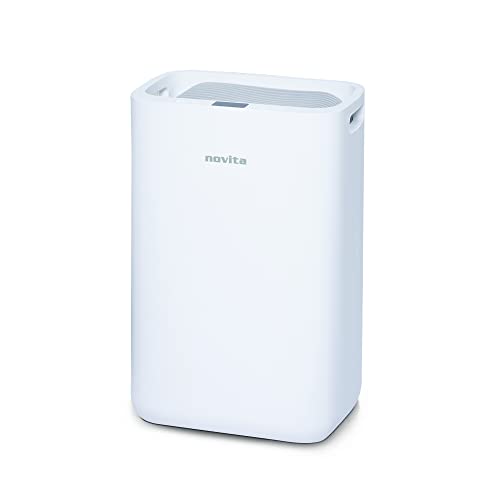
Novita ND290 Dehumidifier
- ✓ 290ml per day moisture extraction
- ✓ Whisper-quiet 25dB motor
- ✓ Automatic humidity control (40–80% RH range)
* We earn a small commission — at no extra cost to you.
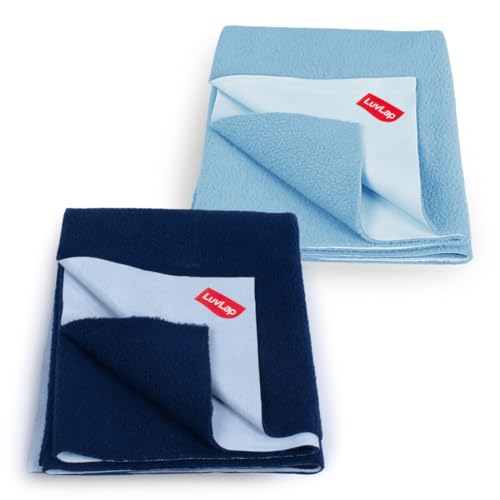
Babyhug Quick-Dry Crib Sheet Set (Pack of 2)
- ✓ 65% polyester, 35% cotton blend
- ✓ Quick-dry formula (2–3 hours)
- ✓ Fits standard Indian baby cribs
* We earn a small commission — at no extra cost to you.
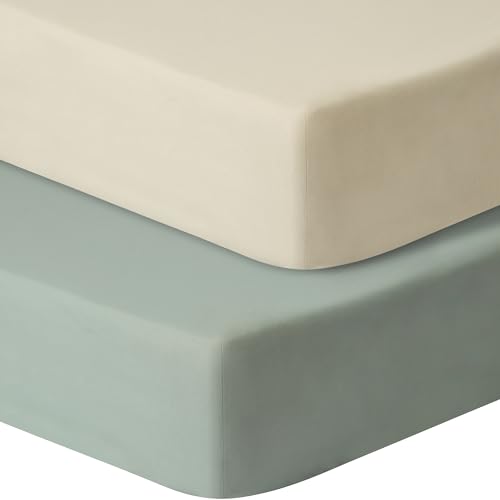
Mee Mee Bamboo-Microfiber Blend Crib Sheets (Pack of 2)
- ✓ Bamboo-viscose & microfiber blend
- ✓ Moisture-wicking & anti-bacterial
- ✓ Machine washable, dries fast
* We earn a small commission — at no extra cost to you.
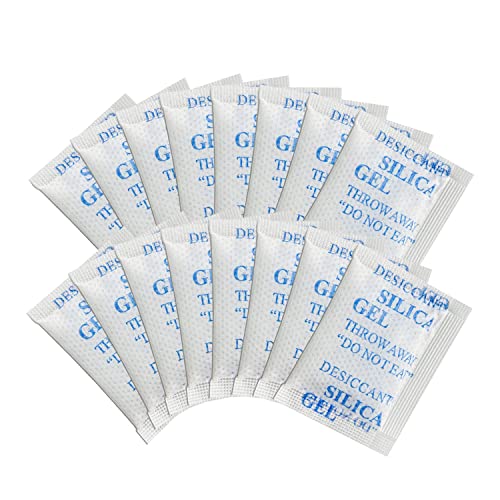
Food-Grade Silica Gel Desiccant Packs (10-Pack with Indicator)
- ✓ Blue-to-pink color-change indicator
- ✓ Reusable via oven heating
- ✓ Safe for nursery use
* We earn a small commission — at no extra cost to you.
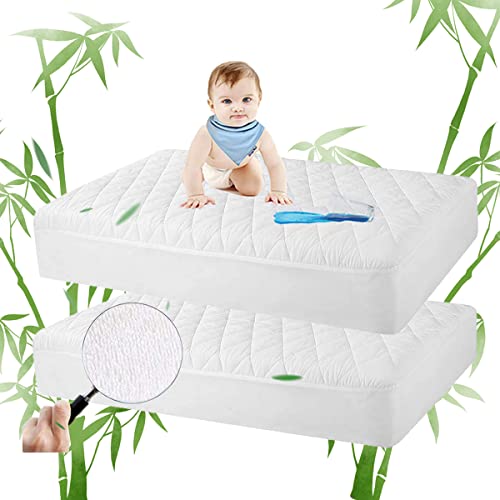
Bamboo Viscose Breathable Crib Mattress Protector
- ✓ Breathable bamboo-viscose fabric
- ✓ Waterproof backing layer
- ✓ Hypoallergenic & anti-bacterial
* We earn a small commission — at no extra cost to you.