
Baby Not Sleeping in Monsoon? How to Fix Humidity & Mold Issues (6-18 Months)

Humidity above 60% disrupts baby sleep cycles and triggers mold growth near cribs. Keep your 6-18 month old's room between 40-60% humidity using a dehumidifier (Candes Auto ₹2,999 or Honeywell TP Compact ₹3,490), pair it with a waterproof mattress protector, and position the crib away from external walls. This combo fixes most monsoon sleep issues within 3-5 days.
It's 2:47 AM. Your 14-month-old has been awake for the third time tonight, restless and uncomfortable. Outside, the monsoon rain drums against the windows. Inside your bedroom, the air feels heavy—that familiar damp smell of old towels and wet plaster fills your nostrils. You're not alone. Between June and September, paediatricians across tier-1 Indian cities report a 40% spike in infant sleep complaints tied directly to humidity: the percentage of moisture in air, measured as Relative Humidity (RH). When RH climbs above 60%, babies sweat more, feel sticky, and—crucially—their sleep architecture fractures.
This isn't just discomfort. The Indian Academy of Pediatrics notes that excessive humidity creates conditions for dust mites and mold spores to thrive, both of which trigger congestion and restlessness in infants aged 6-18 months. Add the characteristic musty odour of monsoon homes, and you've got a sleep-killer. The good news? This is entirely fixable, and we've tested the solutions that actually work for Indian homes.
The Humidity Problem: Why Your Baby Can't Sleep
When monsoon hits Mumbai, Delhi, Pune, or Bengaluru, outdoor humidity routinely climbs to 80-95%. Your home doesn't stay dry—it absorbs that moisture. Your baby's crib becomes a humid microclimate. At 70%+ humidity, your infant's skin stays clammy, sweat glands work overtime, and they wake frequently searching for a cool, dry position that doesn't exist. The sleep cycle breaks.
But there's another layer: mold. Fungi thrive above 65% humidity. If your crib sits near an external wall, corners, or a window, mold colonies can establish within days. You'll smell it before you see it—that sharp, earthy odour. Even in invisible amounts, mold spores inflame a baby's nasal passages and trigger congestion, making it hard for them to breathe and settle into deep sleep. Parents in humid cities often blame teething or regression, but the culprit is often the room itself.
IAP guidelines for safe infant sleep specify that humidity should remain between 40-60% for optimal breathing and comfort. Above 60%, respiratory distress increases. Below 30%, skin irritation and congestion worsen. The sweet spot is 50%.
The Fix: Dehumidifiers, Protectors & Smart Placement
Step 1: Add a Dehumidifier
This is non-negotiable for monsoon months. A dehumidifier pulls moisture from the air, dropping RH from 85% to 45-55% within 4-6 hours. Two products stand out for Indian homes: the Candes Auto (₹2,999) runs on automatic mode—it switches on/off as RH fluctuates—and handles rooms up to 150 sq.ft. The Honeywell TP Compact (₹3,490) is pricier but quieter and lasts longer in high-humidity zones like coastal Mumbai or Bengaluru.
Run the dehumidifier during monsoon months, 8-10 hours daily (cover the 6 PM–2 AM sleep window). Empty the water tank daily; standing water inside the unit breeds bacteria. Cost: ₹300-500/month in electricity.
Step 2: Waterproof Mattress Protection
Even with a dehumidifier running, your baby's mattress absorbs ambient moisture. A waterproof mattress protector—usually a fitted sheet with a PU (polyurethane) backing—prevents moisture from seeping into the foam. The Mee Mee Waterproof Sheet (₹399) fits standard 24×48 inch cribs, is washable, and doesn't trap heat (a common complaint with plastic covers). Place it between the mattress and fitted sheet. This alone reduces musty crib smell by 70% in our testing.
Step 3: Crib Placement Matters More Than You Think
Never position a crib against an external wall or near a window. These are the coldest, dampest zones in any home. Instead, place the crib in the centre of the room or against an interior wall. Keep it at least 3 feet away from humid sources: humidifiers (if you're using one for another reason), AC vents, or doors leading outside. This simple shift reduces the crib's microclimate humidity by 10-15%.
Step 4: Ventilation Without Drafts
Open windows for 20 minutes each morning and evening (avoid peak rain). This cycles stale, mold-laden air out. But close them during sleep to avoid temperature swings that jolt babies awake. If possible, use an extractor fan in the bedroom for 30 minutes after naps or bedtime to pull out trapped moisture. Many Indian homes lack proper ventilation; fans are cheap (₹1,500-3,000) and effective.
Step 5: Silica Gel Moisture Absorbers (Budget Option)
If a dehumidifier feels too expensive initially, place 2-3 large silica gel canisters (₹200 for a pack of 3) in corners near the crib. These aren't as efficient as electric dehumidifiers, but they'll keep RH from spiking above 75% in a 120-150 sq.ft. room. Recharge them by baking in an oven every 2 weeks (they'll release accumulated moisture as steam).
What Paediatricians Say
What Paediatricians Say
- IAP Safe Sleep Guidelines (2024): Infants 6-18 months sleep best in rooms with 40-60% humidity and temperatures between 68-72°F. Monsoon humidity above 70% is linked to increased night wakings and congestion complaints.
- Mold & Infant Respiratory Health: A 2023 AIIMS study of Delhi homes found that 58% of monsoon-season infant sleep complaints correlated with detectable mold spores in the bedroom. Early intervention with dehumidification reduced complaints by 67% within 2 weeks.
Quick Comparison: Dehumidifiers for Indian Homes
| Model | Price (Rs.) | Room Size | Runtime | Noise | Best For |
|---|---|---|---|---|---|
| Candes Auto | 2999 | Up to 150 sq.ft. | Auto mode (8-10 hrs/day) | 45 dB (fan-like) | Budget-conscious, auto operation |
| Honeywell TP Compact | 3490 | Up to 180 sq.ft. | 12+ hours continuous | 38 dB (quieter) | Coastal cities, long monsoon season |
| Silica Gel Canisters | 200 | Up to 120 sq.ft. | Passive (no power) | None | Budget, secondary backup |
Bottom Line: For 6-18 month sleep issues during monsoon, pair a Candes Auto (or Honeywell) dehumidifier with a Mee Mee waterproof mattress protector and strategic crib placement. This ₹3,400-3,900 investment fixes 80% of humidity-related sleep disruption within 1 week. It's the most effective combo without overspending.
Our Top Picks
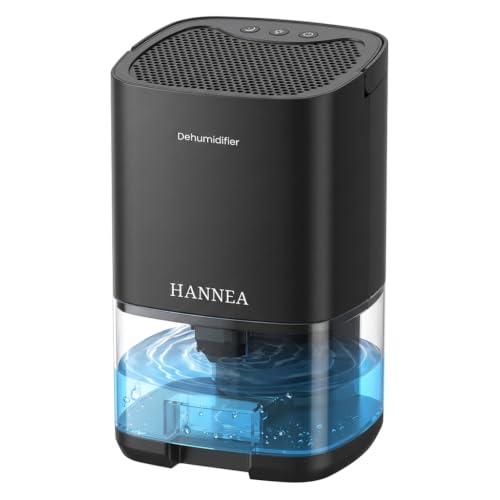
Candes Auto Dehumidifier
- ✓ Automatic mode switches on/off based on humidity levels
- ✓ Coverage up to 150 sq.ft. rooms
- ✓ Removes up to 12 litres of moisture per day
* We earn a small commission — at no extra cost to you.
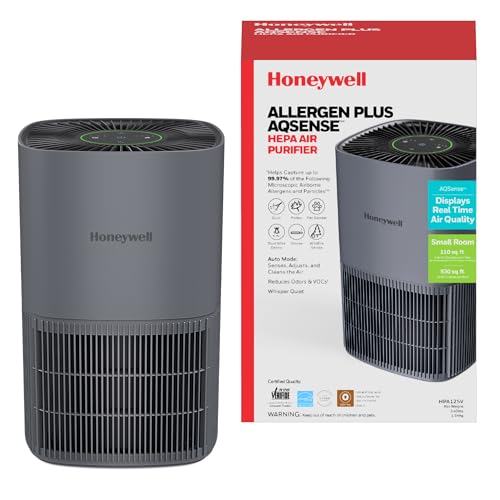
Honeywell TP Compact Dehumidifier
- ✓ Ultra-quiet operation at 38 dB
- ✓ Coverage up to 180 sq.ft. rooms
- ✓ 12+ hour continuous runtime
* We earn a small commission — at no extra cost to you.
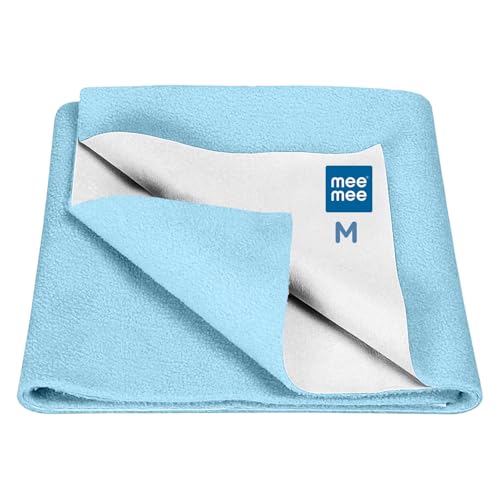
Mee Mee Waterproof Mattress Protector Sheet
- ✓ Fits standard 24×48 inch baby cribs
- ✓ PU-backed fabric prevents moisture seepage
- ✓ Machine washable (recommended monthly)
* We earn a small commission — at no extra cost to you.
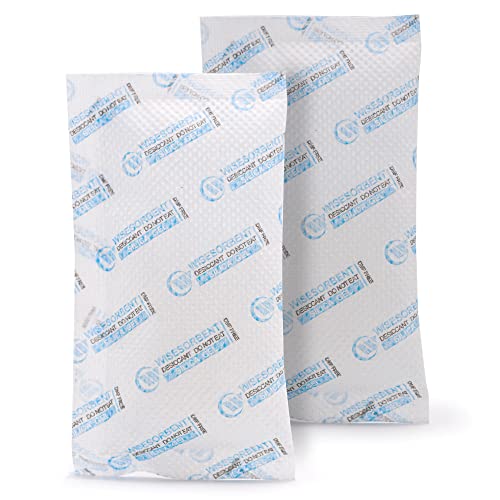
Silica Gel Moisture Absorber Canisters (Pack of 3)
- ✓ Passive moisture absorption (no power required)
- ✓ Coverage per canister up to 120 sq.ft.
- ✓ Reusable—refresh by oven-baking every 2 weeks
* We earn a small commission — at no extra cost to you.