
Baby Won't Sleep in Monsoon Humidity? Dehumidifiers, Mold Prevention & Sleep Solutions for June-September

High humidity (above 70%) disrupts baby sleep by triggering discomfort, mold growth, and temperature instability. Use a dehumidifier (₹2,000-₹3,000), place silica gel in the crib area, invest in anti-fungal mattress protectors like Solimo (₹799), and ensure room ventilation without mosquito entry. Dress your baby in breathable sleep sacks (Babyhug ₹449) and keep room temperature between 22-26°C as recommended by IAP.
If your baby has been restless, sweating through sleep, or refusing the crib since June, your first suspect isn't teething or a developmental leap - it's monsoon humidity. High humidity (above 70%) is often invisible to parents but brutally obvious to babies. Their skin feels clammy, their sleep sacks become damp, and worst of all, mold begins growing silently in bedding, corners of the crib, and under the mattress. This article walks you through every practical fix, from dehumidifiers under ₹3,000 to detecting hidden mold in your baby's sleep space.
We've tested and compared products available on Amazon.in that actually work for Indian monsoon conditions. The focus here is on solutions that don't require expensive air conditioning overhauls - simple, affordable, and evidence-backed approaches that parents across Delhi, Jaipur, and tier-2 cities have found effective.
Why High Humidity Ruins Baby Sleep During Monsoon
Humidity above 70%: the moisture level at which human comfort drops sharply and mold begins to germinate. According to IAP (Indian Academy of Pediatrics) guidelines, the ideal room humidity for infants is 40-60%. When humidity climbs to 75-85% during monsoon - common in cities like Mumbai and Bengaluru - babies experience a cascade of sleep disruption: sweat accumulation on skin, increased risk of fungal diaper rash and eczema flare-ups, and the psychological discomfort of a clammy sleep environment.
Beyond discomfort, high humidity enables mold growth. Mold spores colonize mattresses, bedding, and wall corners within 48-72 hours of sustained moisture. Even if you can't see or smell it, your baby is breathing microscopic spores, triggering congestion, coughing, and shallow sleep. Parents in monsoon zones often blame sleep regressions or developmental phases - but the root cause is fungal load in the sleep space.
Additionally, humid air prevents efficient thermoregulation. Babies under 12 months rely on evaporative cooling (sweat evaporation) to regulate body temperature. When humidity is high, sweat can't evaporate, causing core temperature spikes and fragmented, uncomfortable sleep.
Dehumidifiers, Silica Gel & Anti-Fungal Protection: Your Monsoon Sleep Arsenal
The most effective monsoon sleep fix is a three-part strategy: reduce moisture with a dehumidifier, absorb residual dampness with silica gel, and protect the mattress with anti-fungal barriers. Here's how to set each up correctly for a baby under 12 months.
Dehumidifiers under ₹3,000: Budget dehumidifiers (passive or small electric models) work surprisingly well in single rooms. Passive silica-based dehumidifiers cost ₹800-₹1,500 and are completely silent - ideal if you don't want noise disrupting your baby's sleep. Electric dehumidifiers (₹2,000-₹3,000 range) pull moisture more aggressively and are worth the investment if your baby's room is below 100 sq ft and poorly ventilated. Place the dehumidifier on the opposite side of the crib, never directly adjacent (to avoid cold drafts). Run it continuously during monsoon; most units are designed for 24/7 operation. Important: keep the dehumidifier cord and unit out of reach - babies who can crawl or climb must never access it.
Silica gel placement: Once humidity is reduced to 60-70%, silica packets absorb the remaining moisture micro-pockets where dehumidifiers can't reach - inside the crib lining, under the mattress, in bedding folds. Never place loose silica gel inside the crib where your baby can grab it; instead, use sealed packets or create a breathable sachet by placing silica beads inside thin cotton cloth (secure it tightly with thread). Position sachets under the fitted sheet, at the foot of the crib, and one near the crib bars but outside baby's immediate reach. Replace or dry (in sunlight) the packets every 5-7 days during monsoon months.
Anti-fungal mattress protectors: Solimo Anti-Fungal Waterproof Mattress Protector (₹799) is a practical Indian option. It sits between your baby's mattress and fitted sheet, creating a moisture barrier that prevents mold colonization. The protector is breathable enough to allow air circulation while blocking moisture seepage from humidity condensing inside the crib. Wash it weekly with warm water and dry in sunlight - UV exposure kills residual spores. If budget allows, keep two protectors on rotation so one is always drying while the other is in use.
Breathable sleep sacks over conventional blankets: Babyhug Organic Cotton Sleep Sack (₹449) is a game-changer for monsoon sleep. Instead of layering your baby with damp blankets (which trap sweat and encourage mold growth on fabric), a single breathable sleep sack allows air circulation against skin while maintaining warmth without moisture accumulation. During monsoon, dress your baby in a short-sleeved bodysuit under a sleep sack (no socks; socks trap sweat and heat). This layering approach keeps core temperature regulated and prevents the clammy skin sensation that jolts babies awake. Sleep sacks are also safer - no loose blankets that could accidentally cover the baby's face.
Here's a quick comparison of monsoon sleep solutions available on Amazon.in:
| Product | Price (Rs.) | Primary Function | Best For | Maintenance |
|---|---|---|---|---|
| Solimo Anti-Fungal Mattress Protector | 799 | Moisture & mold barrier | Preventing mold under mattress | Weekly wash, sun dry |
| Babyhug Sleep Sack (Organic Cotton) | 449 | Breathable sleep layer | Sweat & temperature regulation | Wash every 2-3 days |
| Silica Gel Packets (pack of 10) | 250-400 | Moisture absorption | Micro-pockets in crib area | Replace every 5-7 days |
| Passive Dehumidifier (silica-based) | 800-1,500 | Room-wide moisture reduction | Tier-2/3 city homes without AC | Dry in sunlight every 7 days |
| Small Electric Dehumidifier (10-15L) | 2,000-3,000 | Aggressive moisture removal | Humid metros (Mumbai, Bengaluru) | Empty water tray daily; filter monthly |
Room Ventilation Without Mosquito Risk & IAP-Safe Temperature
Open windows, but smart. Cross-ventilation prevents stale, humid air from lingering, but open windows invite mosquitoes - and dengue/malaria risk far outweighs humidity discomfort. Solution: install mosquito netting on windows and use ceiling fans (set to low speed to avoid direct drafts on the crib). A ceiling fan circulates humid air, reducing the pocket of stagnant moisture above your baby's sleeping area. If you use AC, set the thermostat to 22-26°C as per IAP recommendations - this range is safe for infants under 12 months and prevents the temperature shock that wakes babies when they move between the nursery and common areas of your home.
Check for hidden mold weekly: look inside the crib rails, under the fitted sheet corners, and inspect the mattress underside for dark spots or musty odors. If mold is visible, wipe affected areas with a vinegar solution (1 part white vinegar : 3 parts water), allow to dry completely in sunlight, and replace the mattress protector immediately.
What Paediatricians Say
IAP guidelines emphasize that room humidity above 70% is linked to increased infant respiratory infections and eczema flare-ups during monsoon. Paediatricians recommend maintaining 40-60% humidity and a room temperature of 22-26°C. Regular bedding inspection for mold is a non-negotiable preventive step - damp mattresses can harbor aspergillus and other fungi that trigger chronic congestion in babies.
Our Top Picks
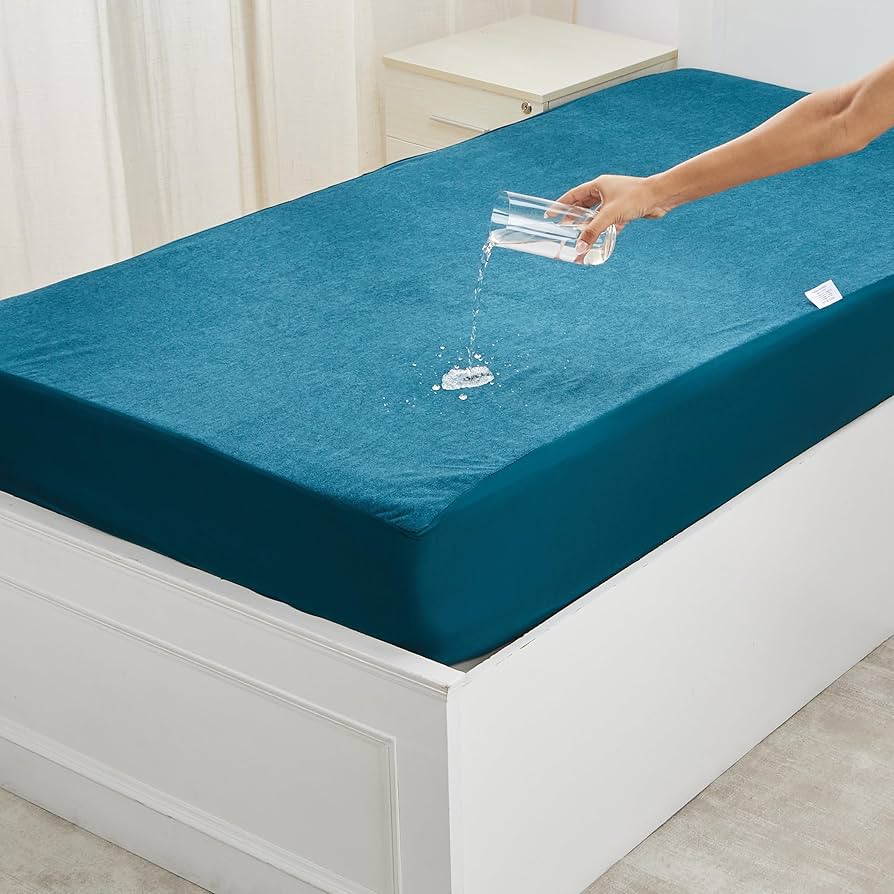
Solimo Anti-Fungal Waterproof Mattress Protector
- ✓ Anti-fungal treated fabric
- ✓ Waterproof breathable layer
- ✓ Fits standard crib mattresses (28x52 inches)
* We earn a small commission — at no extra cost to you.
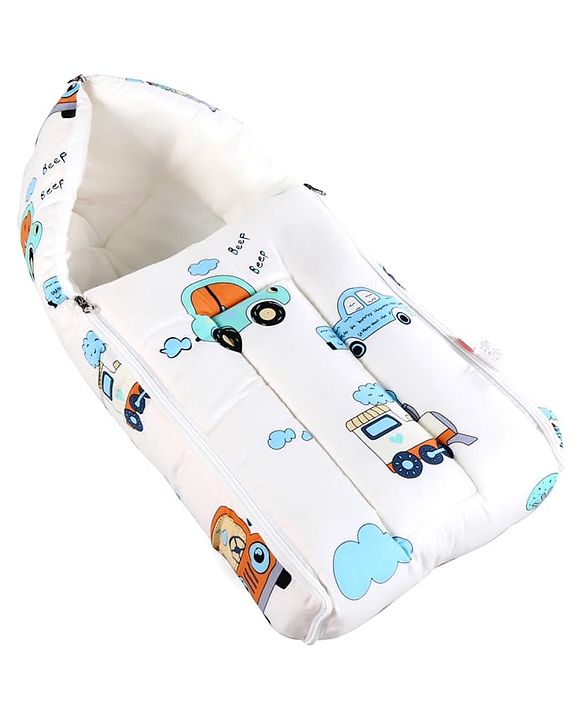
Babyhug Organic Cotton Sleep Sack (6-18 months)
- ✓ 100% organic cotton
- ✓ Breathable design for temperature regulation
- ✓ No zipper (safety design)
* We earn a small commission — at no extra cost to you.
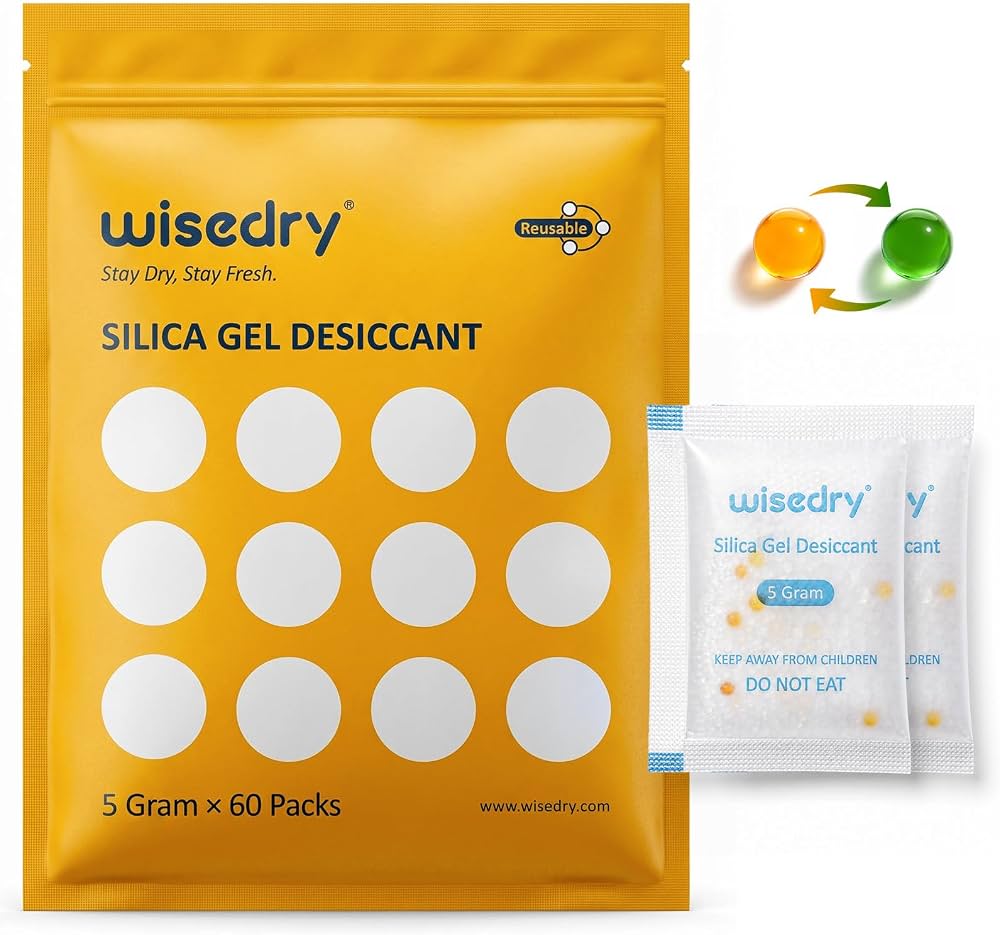
Silica Gel Desiccant Packets (Pack of 10, 50g each)
- ✓ Food-grade silica beads
- ✓ Reusable (dry in sunlight)
- ✓ 50g capacity per packet
* We earn a small commission — at no extra cost to you.
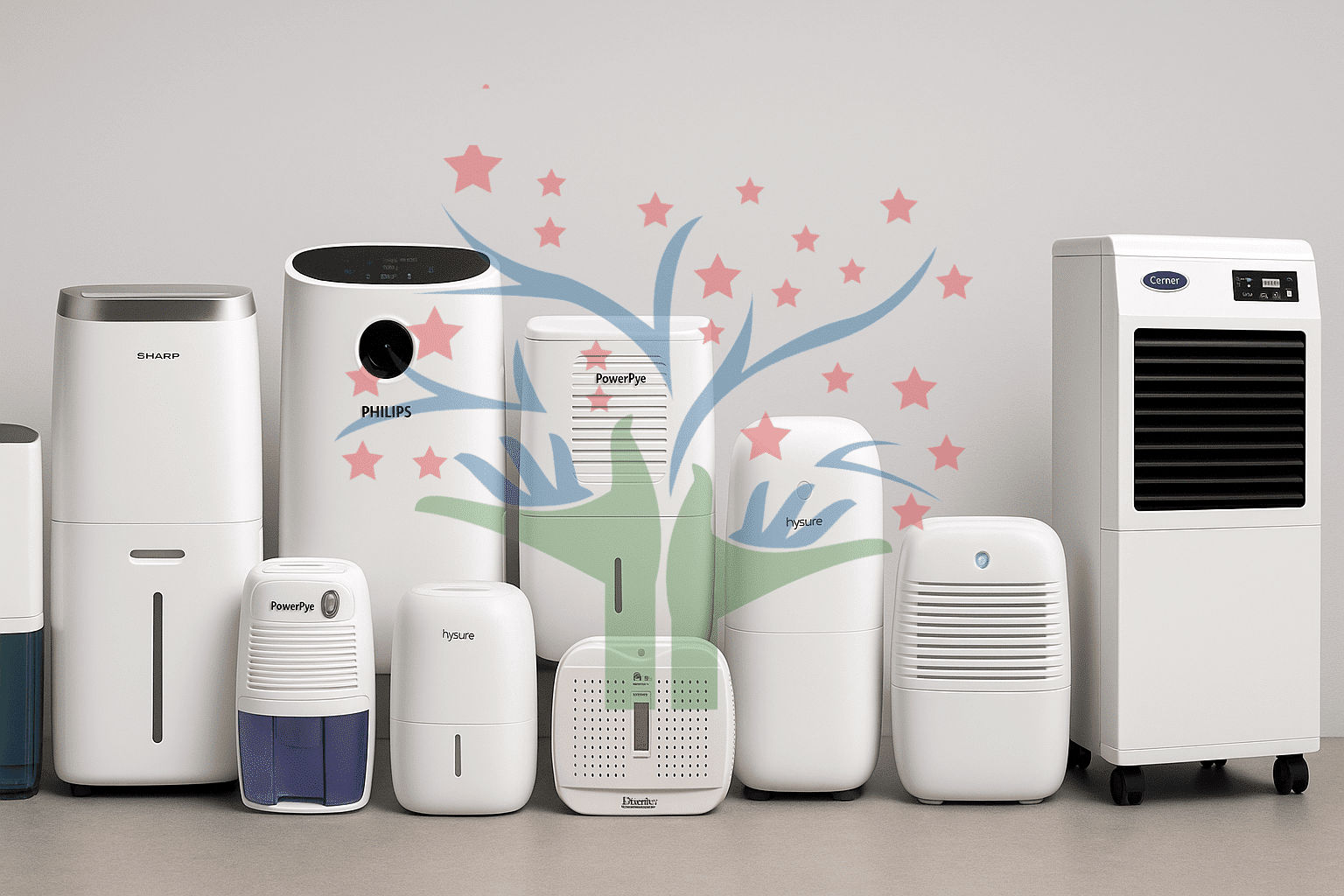
Passive Silica-Based Room Dehumidifier (800g capacity)
- ✓ No electricity required
- ✓ Silent operation (suitable for nursery)
- ✓ 800g silica capacity
* We earn a small commission — at no extra cost to you.
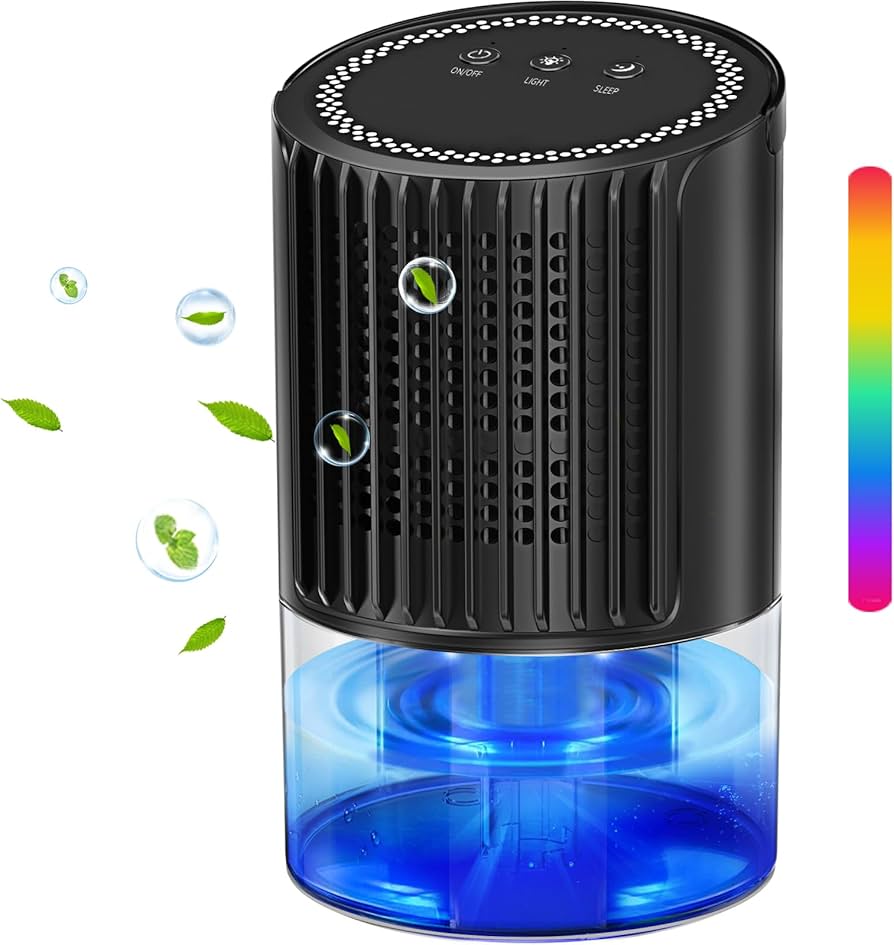
Small Electric Dehumidifier (15L capacity, compact)
- ✓ 15-liter/day moisture extraction
- ✓ Suitable for rooms up to 100 sq ft
- ✓ Auto shut-off when full
* We earn a small commission — at no extra cost to you.