
Baby Won't Sleep in Joint Family? Indian Solutions for Noise, Guests & Multiple Caregivers (2026)

Baby sleep in joint families works best with three layers: environmental control (white noise machines, blackout curtains), schedule alignment with family routines (late dinner around 8-9 PM, bedtime 9-10 PM for infants 6+ months), and gentle sleep training that respects elders' presence. IAP guidelines recommend consistent bedtime rituals even in shared spaces-the routine matters more than silence.
If your baby refuses to sleep while aunties are chatting in the living room, guests are arriving for dinner, or three caregivers are offering conflicting advice-you're not alone. Joint family living is deeply Indian, yet modern parenting advice assumes nuclear households. This creates real tension: your paediatrician says "consistent bedtime," but Nani says "the baby will sleep when tired," and your 1 BHK apartment doesn't have a separate nursery. The result? Exhausted parents, overtired babies, and guilt that you're "not doing it right."
The truth: you don't need silence or isolation. You need strategy. This guide walks you through products and methods that actually work in homes across Mumbai, Delhi, Bengaluru, and smaller tier-2 cities where joint living is the norm.
Why Baby Sleep Fails in Indian Joint Homes
Joint family living: a multigenerational household where grandparents, parents, and sometimes aunts/uncles share space and childcare responsibility. In India, roughly 60-70% of urban infants still live in joint or semi-joint setups, yet sleep training advice rarely acknowledges this reality.
The core challenges: late dinners (8-9 PM is normal), guests dropping by without notice, multiple caregivers with different sleep philosophies, limited private space, ambient noise from kitchens and TV, and cultural resistance to "letting baby cry it out." When your mother-in-law hears your 9-month-old fuss for 3 minutes, she's likely to intervene-not out of disrespect, but because that's how she raised your spouse successfully.
Research shows that inconsistent bedtimes (varying by 60+ minutes night to night) correlate with poor sleep consolidation and higher daytime fussiness in infants 4-12 months old. But consistency doesn't mean enforcing 7 PM bedtime when your family eats at 9 PM. It means anchoring sleep to a predictable family rhythm.
White Noise, Blackout, and the 3-Layer Sleep Setup
Layer 1: Ambient Sound Control
Babies sleep better with consistent background noise than in silence. This counterintuitive fact is backed by decades of research-white noise masks unpredictable sounds (doorbell, Nani's voice) that trigger micro-awakenings. In a joint family setting, it's not about creating silence; it's about creating predictability.
Products that work: Mee Mee White Noise Machine (₹1,200-1,500), compact and rechargeable, plays 10+ sounds (rain, heartbeat, fan noise). Alternatively, a simple portable table fan (₹600-900) provides white noise and air circulation-a dual-purpose solution many Delhi and Mumbai parents swear by. Both are far cheaper than soundproofing and more practical in shared spaces. Run the machine at consistent volume 30 minutes before bed and through the night.
Layer 2: Light Control
Blackout curtains signal sleep time to your baby's circadian rhythm and block early morning light (6-6:30 AM sun in Indian summers). For a typical 1 BHK bedroom, fabric roller blackout curtains (₹600-1,200) are ideal-affordable, easy to install with velcro strips, and don't require drilling holes that landlords object to. Brands like Linenwalas and Curtainwale sell on Amazon.in.
Layer 3: Routine Consistency
Bedtime ritual signals sleep, not the clock. Try this 20-minute routine at 9-10 PM (or whenever your family typically winds down): warm bath → light massage with coconut oil → feed (breastfeeding or bottle) → soft singing or lullaby → darkness and white noise. Do this every night, same order. Your 8-month-old's brain learns the sequence, not the time.
Syncing Baby Sleep With Family Schedules (Not Against Them)
The 7-7-7 rule is popular online: "bedtime by 7 PM, wake at 7 AM." It doesn't fit 90% of Indian joint families. Instead, sync with your actual family rhythm:
- If dinner is 8-9 PM: Aim for baby bedtime at 9-10 PM. This keeps your infant with the family during meal hours (reducing intervention demands), then settles them when the kitchen quiets.
- If guests are frequent: Establish a non-negotiable "quiet time" window (e.g., 10 PM onward). This frames baby sleep as untouchable, not flexible.
- If multiple caregivers exist: Write the 20-minute routine on paper and post it in the bedroom. Nani, Mummy, and maid follow the same steps-consistency from three people beats perfection from one.
According to IAP (Indian Academy of Pediatrics) 2024 guidelines, "regular sleep-wake timing is more important than clock time. A baby sleeping 9 PM-6 AM consistently will develop healthy sleep architecture, even if that's 2 hours later than Western norms."
Gentle Sleep Training That Respects Elders
"Cry it out" methods (extinction) cause genuine tension in joint homes and conflict with Indian parenting values. Better alternatives:
Camp-out method: Sit beside the crib for 7 nights, not touching. On night 8, move your chair 1 foot away. Repeat every 7 nights until you're outside the room. Takes 6-8 weeks but feels natural to Nani because you're "present."
Gradual withdrawal: If baby wakes at midnight, pat and shush for 2 minutes instead of feeding immediately. Extend to 5 minutes over 2 weeks. Over 4 weeks, reduce touch duration. Elders accept this because you're still responding-just teaching independence.
Scheduled soothing: Let baby fuss for 2 minutes before entering. This tiny pause teaches self-settling without the guilt of ignoring cries. Frame it to family as "giving baby a chance to settle herself"-less conflict than "controlled crying."
What works here: tell your mother-in-law, "I'm not ignoring my baby. I'm teaching her to sleep like a big girl. Please don't interrupt the routine." Respect builds buy-in.
Product Comparison: What to Buy for Your 1 BHK
| Product | Price (Rs.) | Best For | Pros | Cons |
|---|---|---|---|---|
| Mee Mee White Noise Machine | 1,200-1,500 | All joint homes | Portable, 10+ sounds, USB rechargeable | Battery lasts 6-8 hours (need mains at night) |
| Portable Table Fan (12-inch) | 600-900 | Heat + noise problem | Dual benefit (cooling + sound), very affordable | Ambient noise, not controllable sounds |
| Blackout Roller Curtains (fabric) | 600-1,200 | 1-2 BHK, all climates | Renter-friendly, easy install, good light block | Require regular cleaning, may fade |
| Crib or Bedside Sleeper (BIS certified) | 4,000-8,000 | Safe co-sleep alternative | Keeps baby close but protected, reduces SIDS risk | Takes up space, extra furniture cost |
What Paediatricians Say
Key Fact 1: Consistent bedtime routines reduce cortisol (stress hormone) by 40% in infants 6-12 months, even in noisy homes-routine matters more than silence. Key Fact 2: IAP recommends safe co-sleeping in the same room (not same bed after 6 months if parents are deep sleepers) as the first choice for Indian families, then transitioning to adjacent room by 12-18 months. Forced separation causes unnecessary stress for joint families.
Practical Checklist: Your 2-Week Sleep Setup Plan
- Buy or borrow a white noise source (fan or machine) this week.
- Measure bedroom windows and order blackout curtains (3-5 day delivery on Amazon.in).
- Talk to caregivers: explain the 20-minute routine, write it down, get buy-in.
- Pick a "quiet window" (e.g., 10 PM onward) and tell the family this is non-negotiable.
- Start the routine at your family's natural bedtime-not earlier.
- Week 2: track sleep times in a notebook; expect settling-in discomfort first 7-10 days.
- Week 3: minor tweaks only; let the routine solidify.
By week 4, your baby will associate the white noise + routine with sleep-even with guests present or Nani in the background.
Baby sleep in a joint family isn't broken; it's just different. You're not fighting your culture; you're working within it. White noise, blackout curtains, and a family-friendly routine cost under ₹3,500 and respect every voice in your home. Start this week, give it 4 weeks, and you'll see the shift.
Our Top Picks
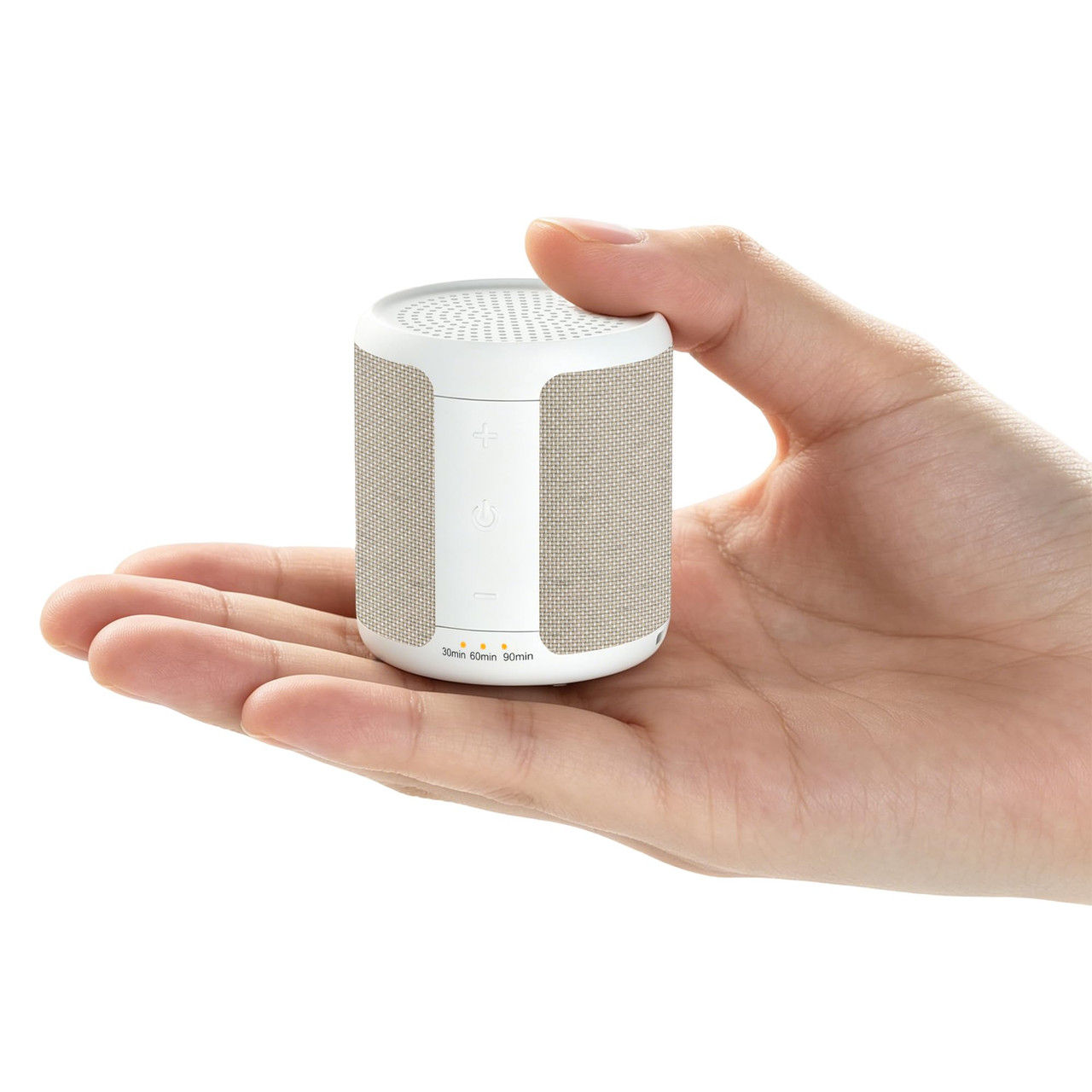
Mee Mee White Noise Machine for Babies
- ✓ 10+ white noise sounds (rain, fan, heartbeat, lullaby)
- ✓ USB rechargeable, 6–8 hour battery
- ✓ Portable and compact (fits nursery or travel bag)
* We earn a small commission — at no extra cost to you.
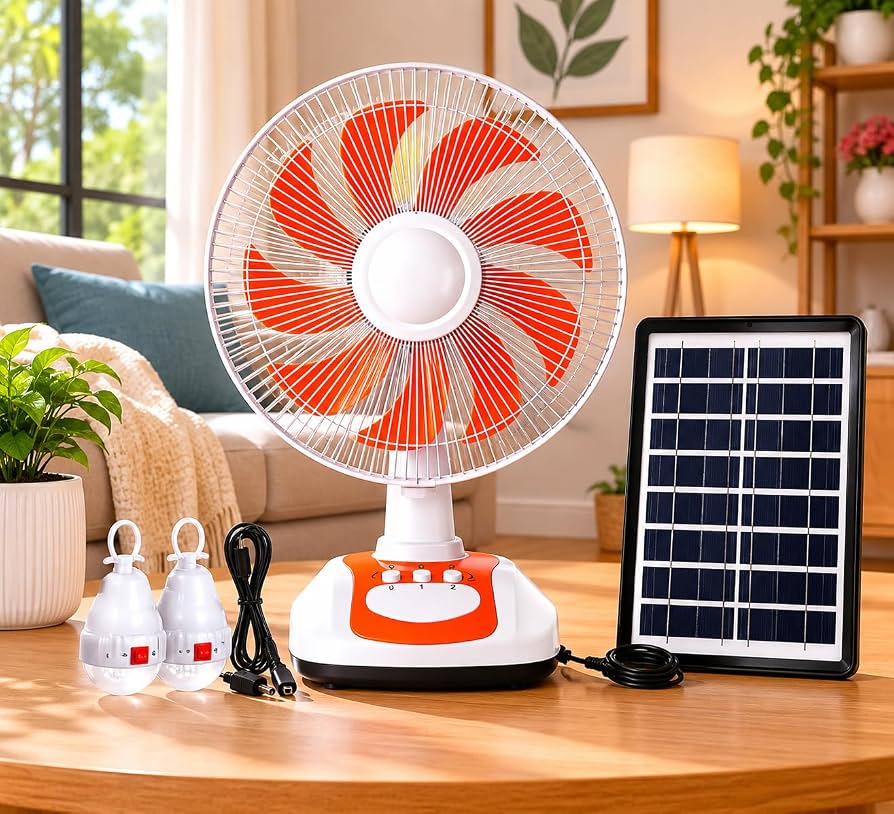
Portable 12-inch Table Fan with White Noise Output
- ✓ 3-speed airflow control, dual-function cooling and noise
- ✓ Energy-efficient, runs 8+ hours per night on low
- ✓ Durable plastic body, steady base for safety
* We earn a small commission — at no extra cost to you.
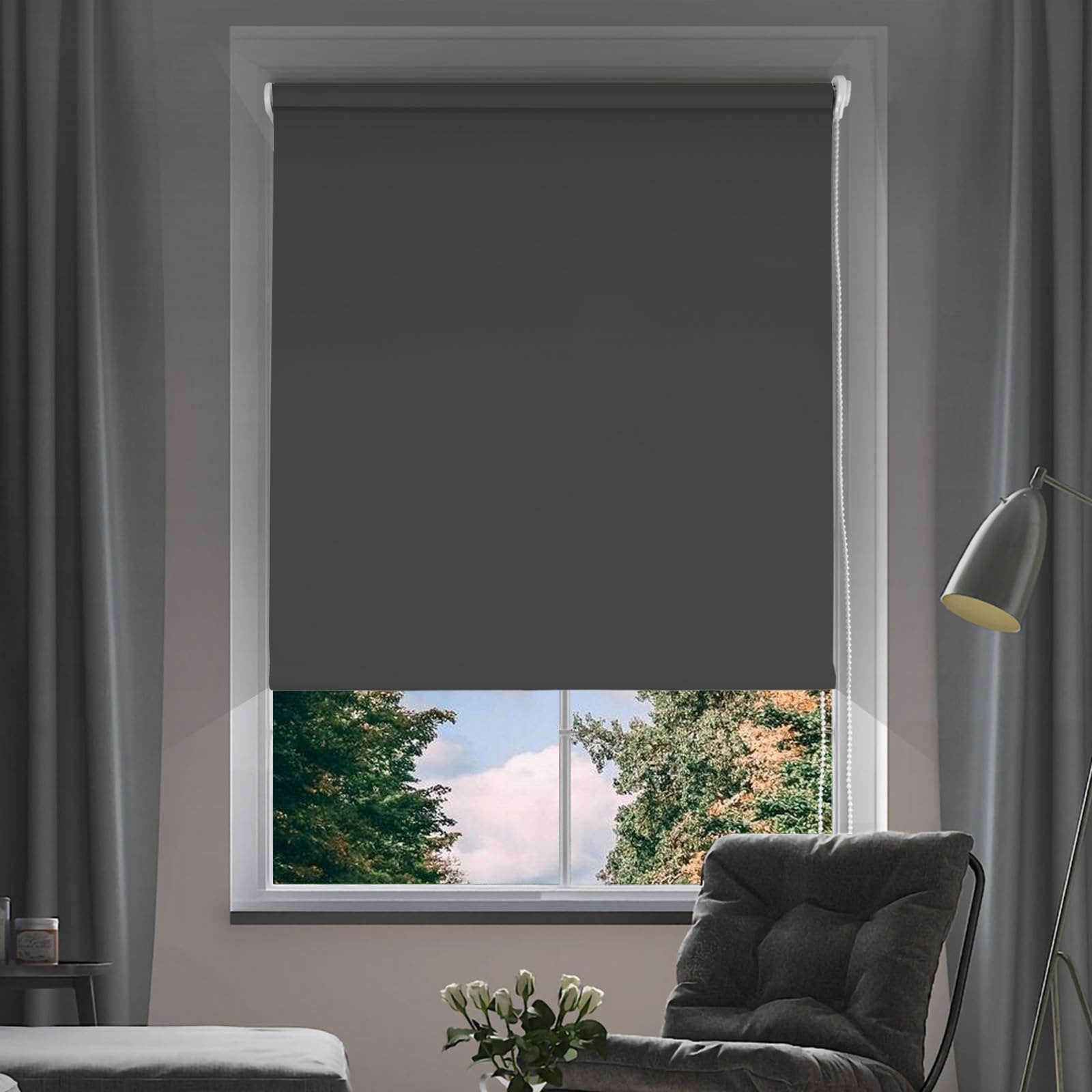
Fabric Roller Blackout Curtains (Renter-Friendly)
- ✓ 100% blackout fabric, blocks 99% of sunlight
- ✓ Velcro tape installation (no drilling required)
- ✓ Available in white, grey, and cream; 4–6 ft widths
* We earn a small commission — at no extra cost to you.
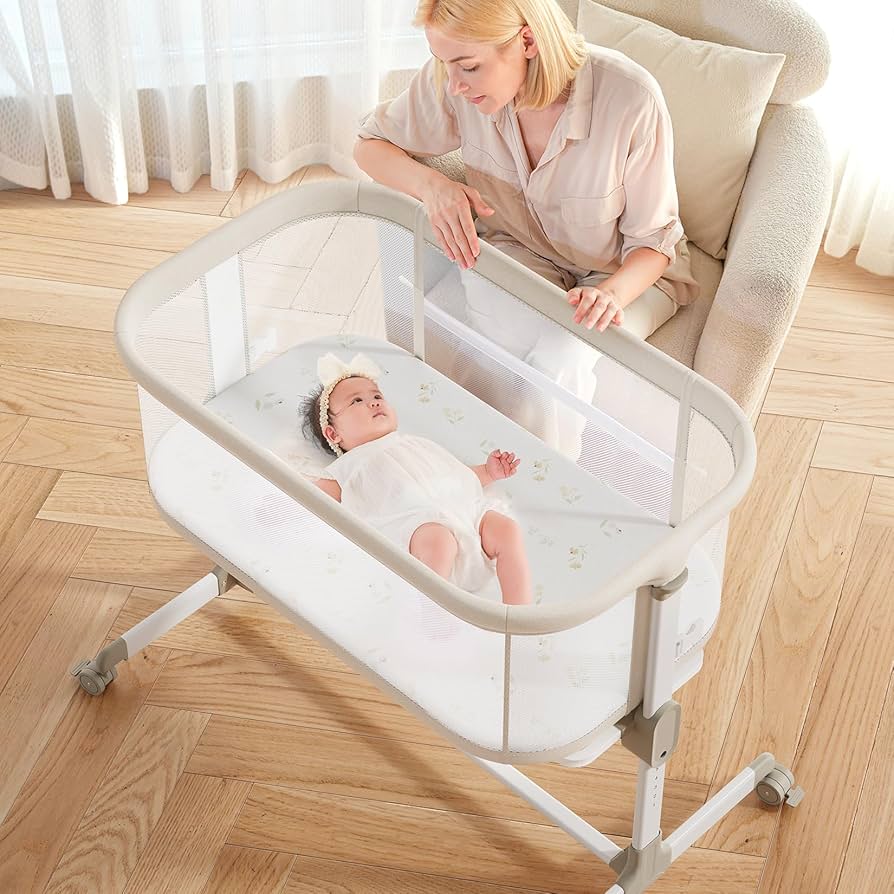
BIS-Certified Bedside Sleeper Crib (Portable)
- ✓ Meets BIS and IAP safety standards for co-sleeping
- ✓ Attaches securely to parent bed; 3-height adjustable
- ✓ Portable and foldable; fits standard 4–6 ft beds
* We earn a small commission — at no extra cost to you.