
Baby Won't Sleep in Cooler: Why + 5 Safe Alternatives for Indian Homes Without AC
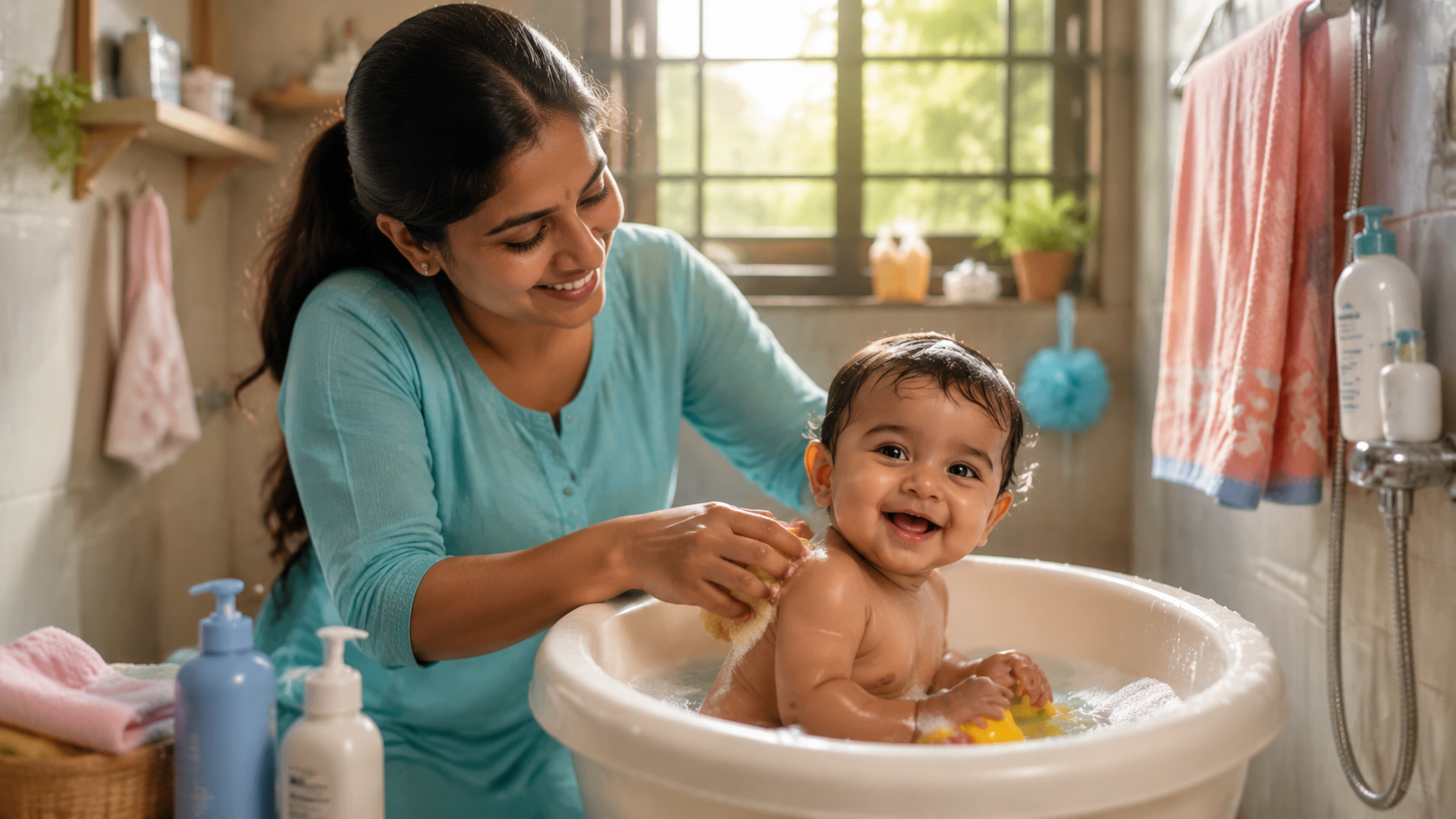
Babies often won't sleep in coolers because the noise disturbs them, the direct air stream can chill their core temperature unsafely, and the humidity spike actually makes them uncomfortable. Instead, use a ceiling fan at medium speed, cotton muslin wraps, and maintain room temperature between 27-29°C-safer and more effective.
It's 2 AM in Lucknow. The cooler has been running for an hour. Your 6-month-old is still awake, crying intermittently, while you and your partner are exhausted. The room is definitely cooler-maybe even cold-but your baby is restless, fussing at every sound the cooler makes. You're wondering: Is the cooler working, or am I doing something wrong?
Here's the truth: it's probably not you. Babies and desert coolers are a tricky combination. And if you're in a tier 2 or tier 3 city-Jaipur, Lucknow, Indore, Nagpur-where AC ownership is still climbing, the cooler is your summer lifeline. But your baby's sleep? That's a different priority. Understanding why coolers fail for infant sleep, and what actually works instead, is the difference between a sweaty, sleepless summer and peaceful nights.
Why Your Baby Won't Sleep in a Cooler
Three specific factors explain why coolers disrupt infant sleep, even when they're cooling the room effectively.
1. Noise Disruption
A desert cooler runs at 50-65 decibels when operating at full capacity. That's equivalent to background office noise. While white noise can soothe babies (some parents swear by fan sound), a cooler's inconsistent mechanical hum, motor rumble, and water-circulation cycles create unpredictable sound patterns. Babies under 12 months don't habituate to random, varying noises the way older children do. Each new sound micro-awakens them.
2. Direct Air Stream & Temperature Shock
Unlike a fan that distributes air evenly, coolers discharge a concentrated stream of cold air. If your baby's cot is positioned even 6-8 feet from the cooler outlet, they can still experience sudden temperature drops of 4-6°C in seconds. Thermal shock: a rapid change in body temperature that triggers a reflexive startle response (the Moro reflex). This wakes your baby repeatedly.
3. Humidity Spike & Sleep Fragmentation
Desert coolers work by evaporating water-they add moisture to the room. While they cool the air, they raise relative humidity to 50-70% in sealed rooms. According to IAP (Indian Academy of Pediatrics) guidelines, ideal sleep humidity for infants is 40-60%, but coolers often overshoot this, creating a clammy microclimate. High humidity prevents sweat evaporation from your baby's skin, making them feel sticky and restless. This is especially true in cities like Delhi, Bengaluru, and Chennai, where coolers add moisture on top of existing summer dampness.
Safe Temperature & Cooling Alternatives That Actually Work
The goal is 27-29°C room temperature (validated by IAP and WHO recommendations for tropical climates), with consistent air distribution and minimal noise. Here are five methods that work:
Ceiling Fan at Medium Speed (35-55 RPM)
A ceiling fan is your most effective tool. It distributes air evenly, is inexpensive (most homes already have one), and at medium speed generates white noise that can actually lull babies to sleep. Position your baby's cot 8+ feet from direct fan air. Cost: ₹0-₹2,500 if you need a new one. Risk of direct air shock: minimal if fan is overhead and baby is not directly below.
Cotton Muslin Wraps & Sleep Sacks
Swaddling or using a lightweight cotton sleep sack (not quilted, not fleece) lets you lower the room temperature to 25-27°C without chilling your baby. The wrap traps a microclimate of warmth. Brands like Bébé Moi and Moms & Babies (available on Amazon.in) offer 100% cotton muslin wraps in ₹400-₹900 range. This is crucial: use wraps only until your baby shows signs of rolling (typically 4-6 months), as loose wraps pose a suffocation risk after that. IAP explicitly recommends keeping babies in sleep clothing suited to room temperature rather than layering blankets.
Cooling Mats & Gel-Based Sleep Pads
Products like the Sleepyhead Cooling Mat (₹1,200-₹1,500 on Amazon.in) or water-based cooling pads circulate room-temperature or slightly cool water through a thin mat placed under the cot sheet. These provide consistent, gentle cooling without air currents. Babies sleep directly on the mat (placed under the fitted sheet), and it doesn't make noise. Average temperature drop: 2-3°C. Parents in Pune, Mumbai, and Ahmedabad report good results with these, especially for babies 6+ months. Warranty: usually 2 years.
Wet-Cloth Myth Debunked
Grandmothers often suggest placing a wet cloth on the baby's forehead or a bowl of ice water near the cot. Do not do this. Wet cloths can slip over the baby's face (suffocation risk) or allow water droplets to enter the ear canal (infection risk). Ice bowls create localized cold spots and temperature gradients that confuse the baby's thermoregulation. If you want to cool a specific area, use a damp (not wet) muslin cloth to wipe your baby's wrists and neck every 2-3 hours-this is safe because you're actively supervising and the baby stays dry.
Room Temperature Maintenance without Cooler
In tier 2/3 cities, achieve 27-29°C by: closing curtains and blinds during peak sun (10 AM-4 PM), opening windows after sunset (typically 7-8 PM onwards), running a ceiling fan continuously on low-medium speed, and using light cotton bedding. In cities like Jaipur, Indore, and parts of Lucknow, this combination often achieves safe temperatures even in May-June. If night temperature drops below 22°C (common in hill stations or cooler regions), add a thin cotton blanket under, not over, the baby.
Is Overheating or Cooling a SIDS Risk?
Yes. Both extremes increase Sudden Infant Death Syndrome (SIDS) risk. SIDS: unexplained death of an infant under 12 months, often linked to unsafe sleep environments. WHO data shows that room temperature extremes-below 18°C or above 32°C-correlate with increased SIDS risk. Overheating (from too many layers or high room temperature) is the stronger risk factor, but rapid cooling (from direct cooler air) can trigger thermal shock and irregular breathing patterns. The 3-3-3 rule for safe infant sleep: baby sleeps in a separate cot (not bed-sharing), on a firm surface (not pillows), and room temperature stays between 20-26°C ideally, up to 29°C in Indian summers (per IAP adaptation of WHO guidelines). Using a cooler that creates temperature swings violates this principle.
Comparison: Cooling Methods for Indian Babies
| Cooling Method | Cost | Noise Level | Ease of Setup | Safety Rating | Best For |
|---|---|---|---|---|---|
| Ceiling Fan (medium speed) | ₹0-₹2,500 | Low (white noise) | Already installed | ⭐⭐⭐⭐⭐ | All ages; everyday use |
| Cotton Muslin Wrap + Fan | ₹400-₹900 | Low | 30 seconds | ⭐⭐⭐⭐⭐ | 0-6 months; lightweight cooling |
| Cooling Gel Mat | ₹1,200-₹1,500 | None | 10 minutes | ⭐⭐⭐⭐⭐ | 6+ months; consistent cooling |
| Desert Cooler (full capacity) | ₹4,000-₹12,000 | Very high (50-65 dB) | 1-2 hours | ⭐⭐☆☆☆ | Not recommended for sleep |
| Ice-Bowl Technique | ₹50-₹200 | None | 5 minutes | ⭐☆☆☆☆ | Not safe; risk of water accidents |
What Paediatricians Say
Expert Insight on Safe Baby Cooling
Indian paediatricians (IAP, 2024) recommend prioritizing consistent room temperature over aggressive cooling methods. A ceiling fan at low-medium speed, combined with appropriate sleepwear, is the gold standard for homes without AC. If using a cooler, it should run in an adjacent room with doors closed, cooling the air before it enters the baby's sleep space-never run it in the baby's room directly. Two key facts: (1) Thermal shock from rapid temperature changes disrupts REM sleep in infants under 6 months; (2) Humidity above 65% increases respiratory resistance, making babies more restless.
When you're balancing summer heat, limited budget, and your baby's need for restful sleep, remember: the safest cooling is the slowest cooling. A ceiling fan running quietly all night beats a cooler that wakes your baby every 30 minutes. Invest in good muslin wraps (₹400-₹900), position the cot 8+ feet from any cooling source, and let your baby sleep through the night.
Our Top Picks
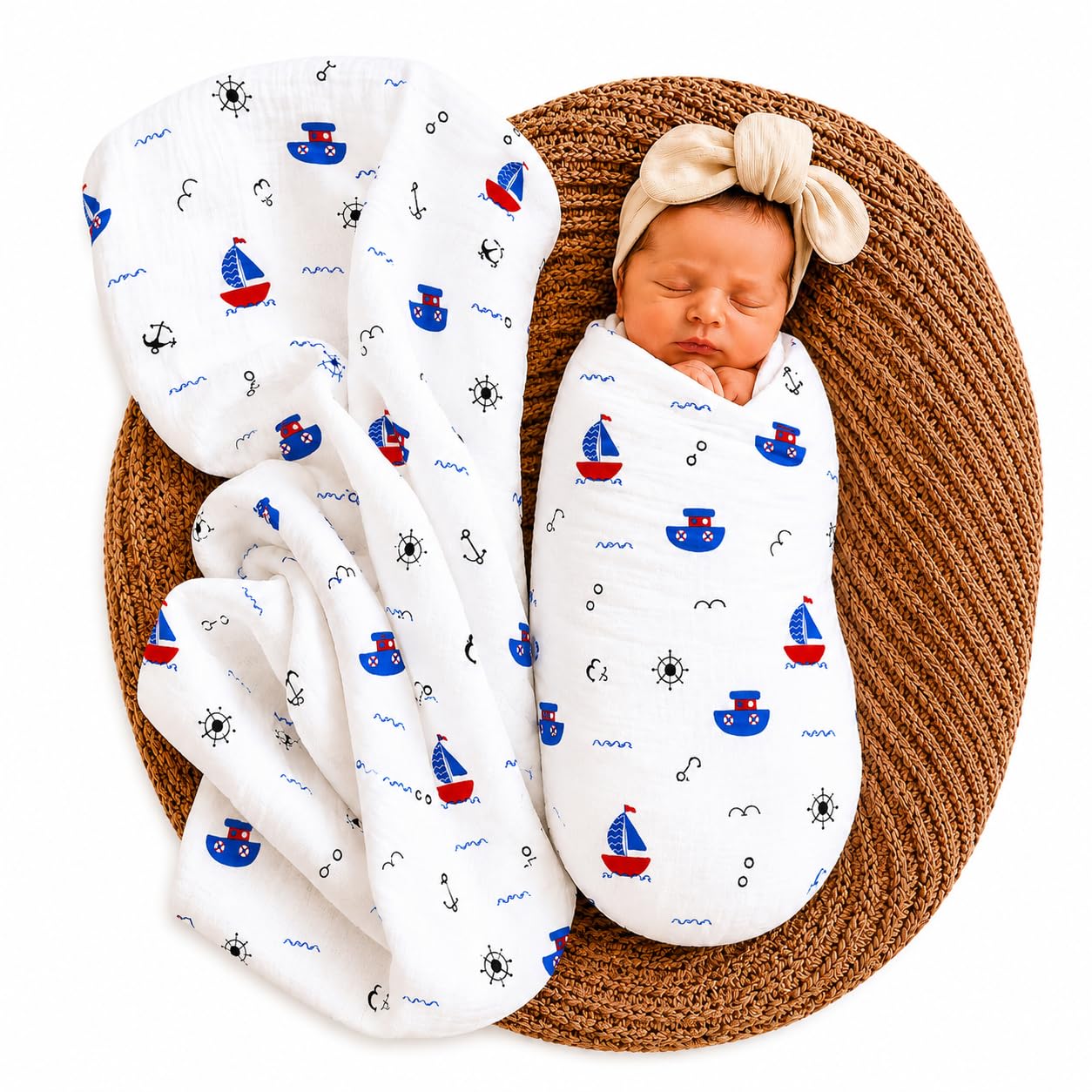
Bébé Moi 100% Cotton Muslin Wraps (Pack of 2)
- ✓ 100% organic cotton muslin
- ✓ 40x40 inches, lightweight for summer swaddling
- ✓ Machine washable, hypoallergenic
* We earn a small commission — at no extra cost to you.
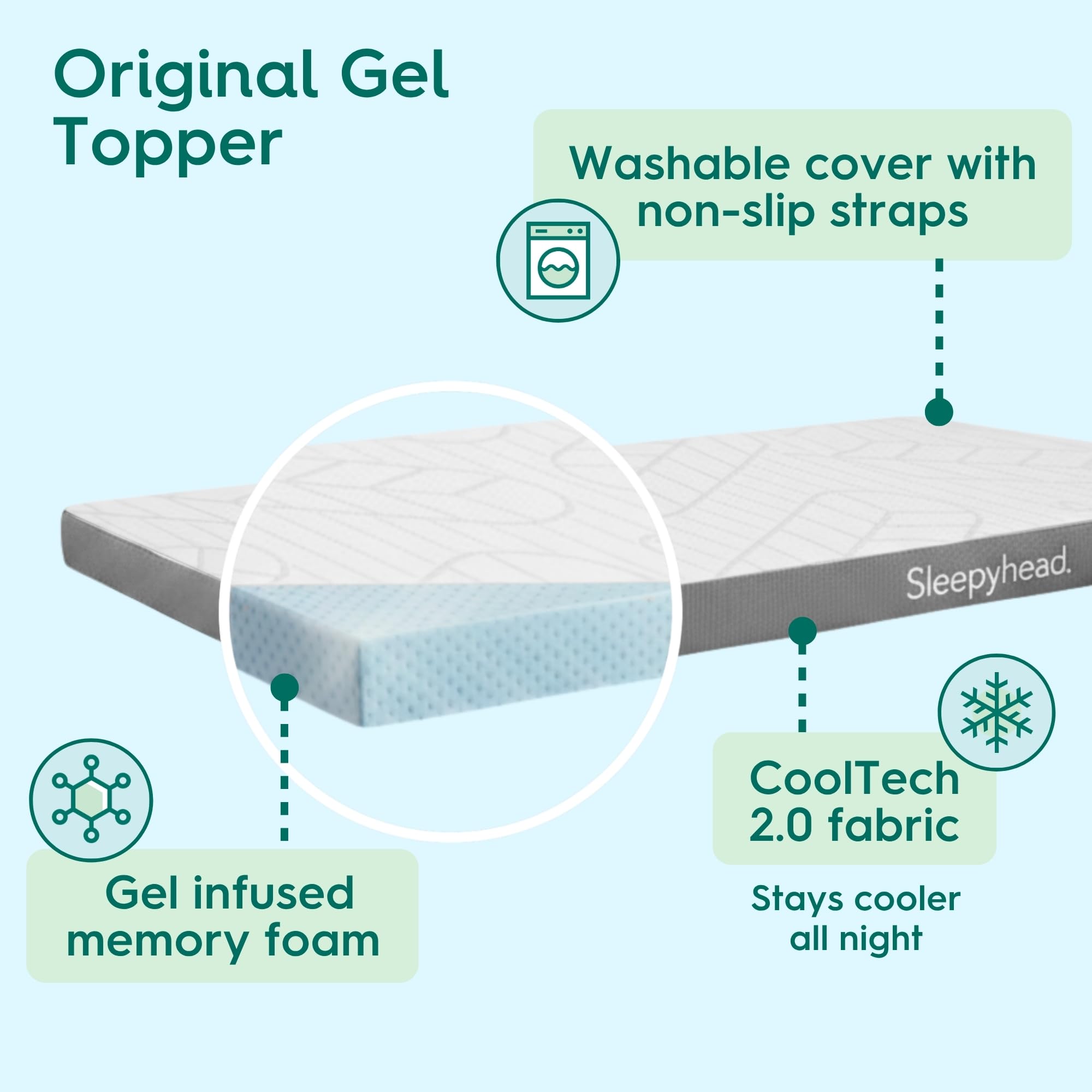
Sleepyhead Gel Cooling Mat for Baby Cot
- ✓ Water-filled gel core, maintains 18–28°C
- ✓ Fits standard cot (30x60 inches)
- ✓ 2-year warranty, no electricity needed
* We earn a small commission — at no extra cost to you.
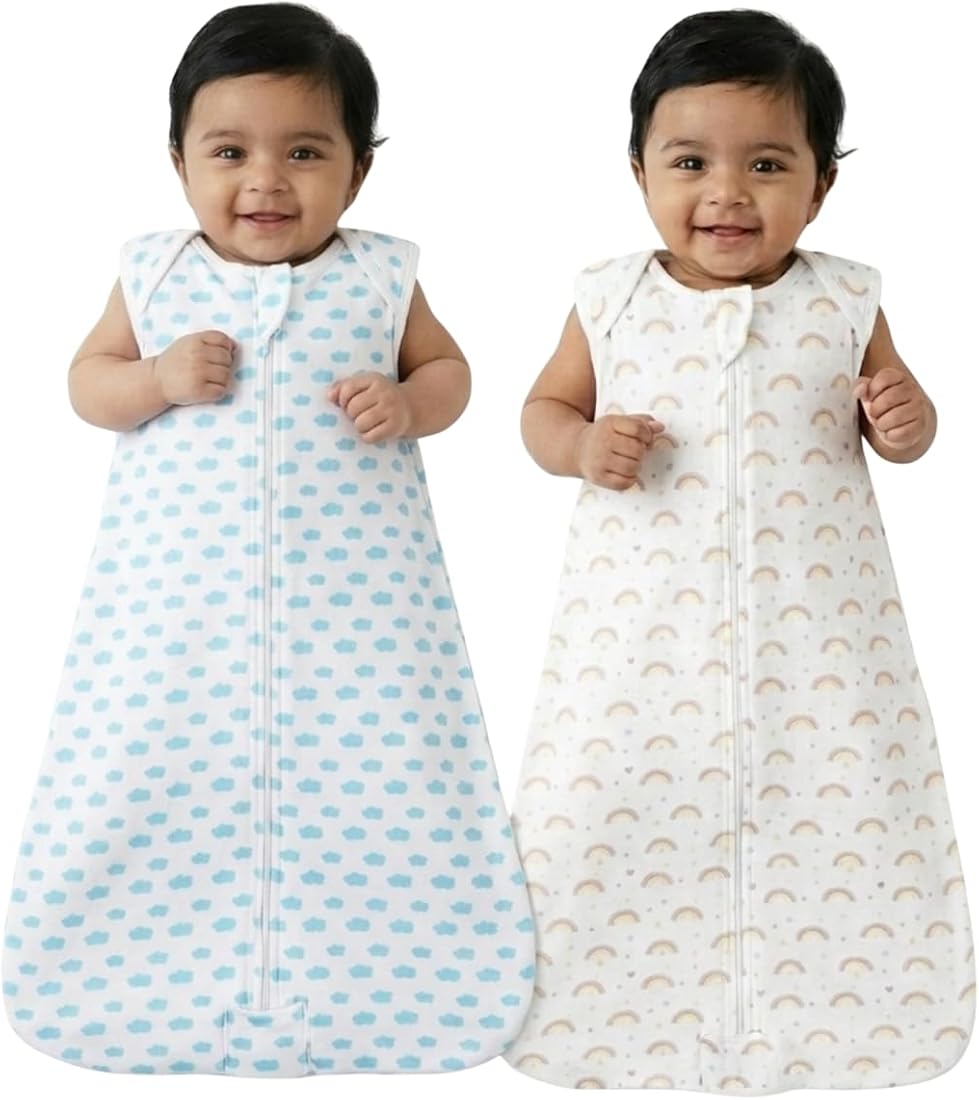
Moms & Babies Cotton Sleep Sack (6-12 months)
- ✓ 100% cotton poplin, TOG rating 0.5 for summer
- ✓ Zip closure, easy diaper changes
- ✓ Machine washable, tagless design
* We earn a small commission — at no extra cost to you.
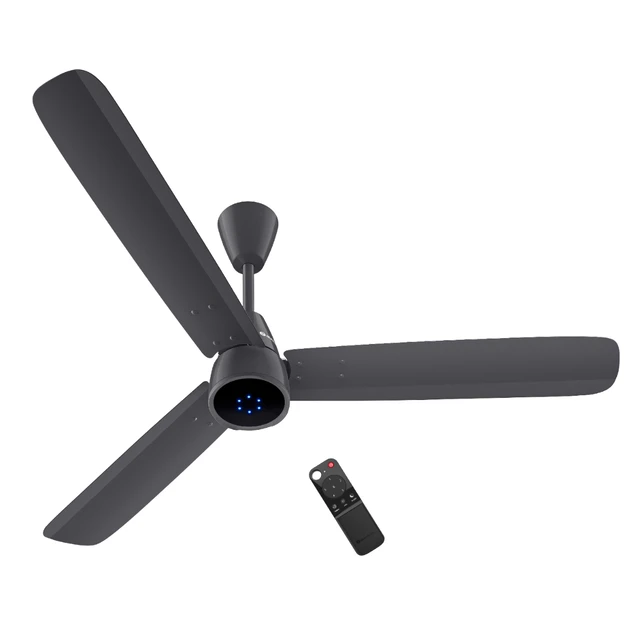
Atomberg Renesa Ceiling Fan (Low-noise, Energy-efficient)
- ✓ 26-watt motor (45% less power than regular fans)
- ✓ 35–55 RPM speed range, whisper-quiet operation
- ✓ 5-year warranty, BEE 5-star rating
* We earn a small commission — at no extra cost to you.
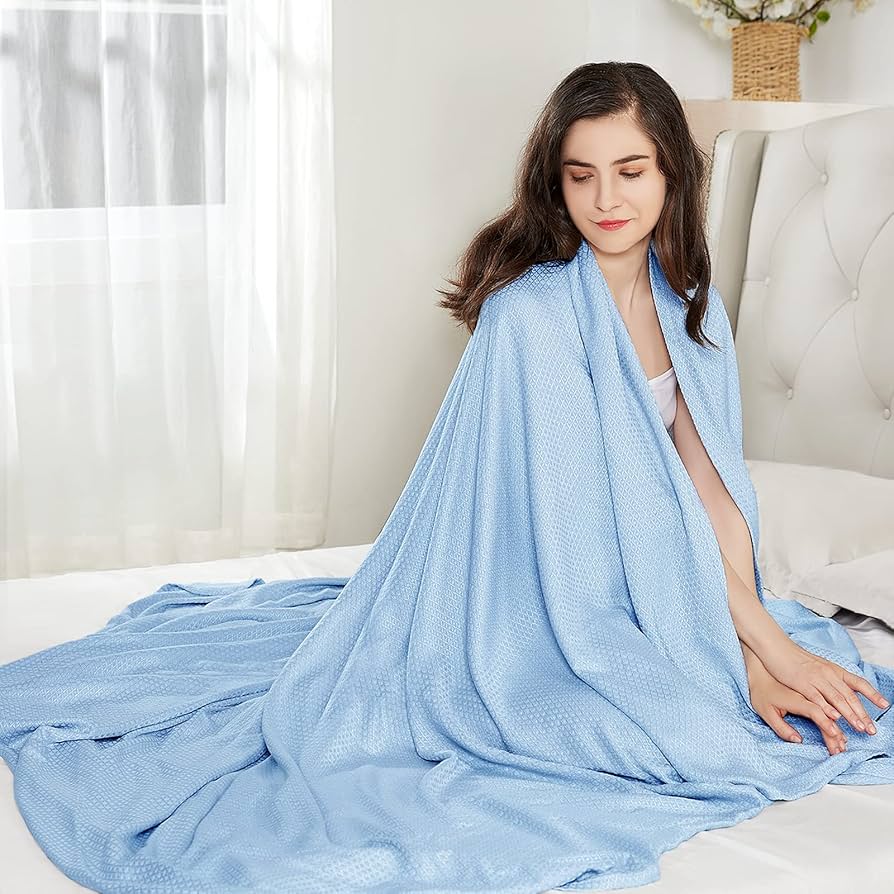
Moonlight Bamboo Cooling Blanket (0-6 months)
- ✓ Bamboo-viscose blend, thermoregulating
- ✓ 60x80 cm, lightweight for summer cots
- ✓ Hypoallergenic, OEKO-TEX certified
* We earn a small commission — at no extra cost to you.
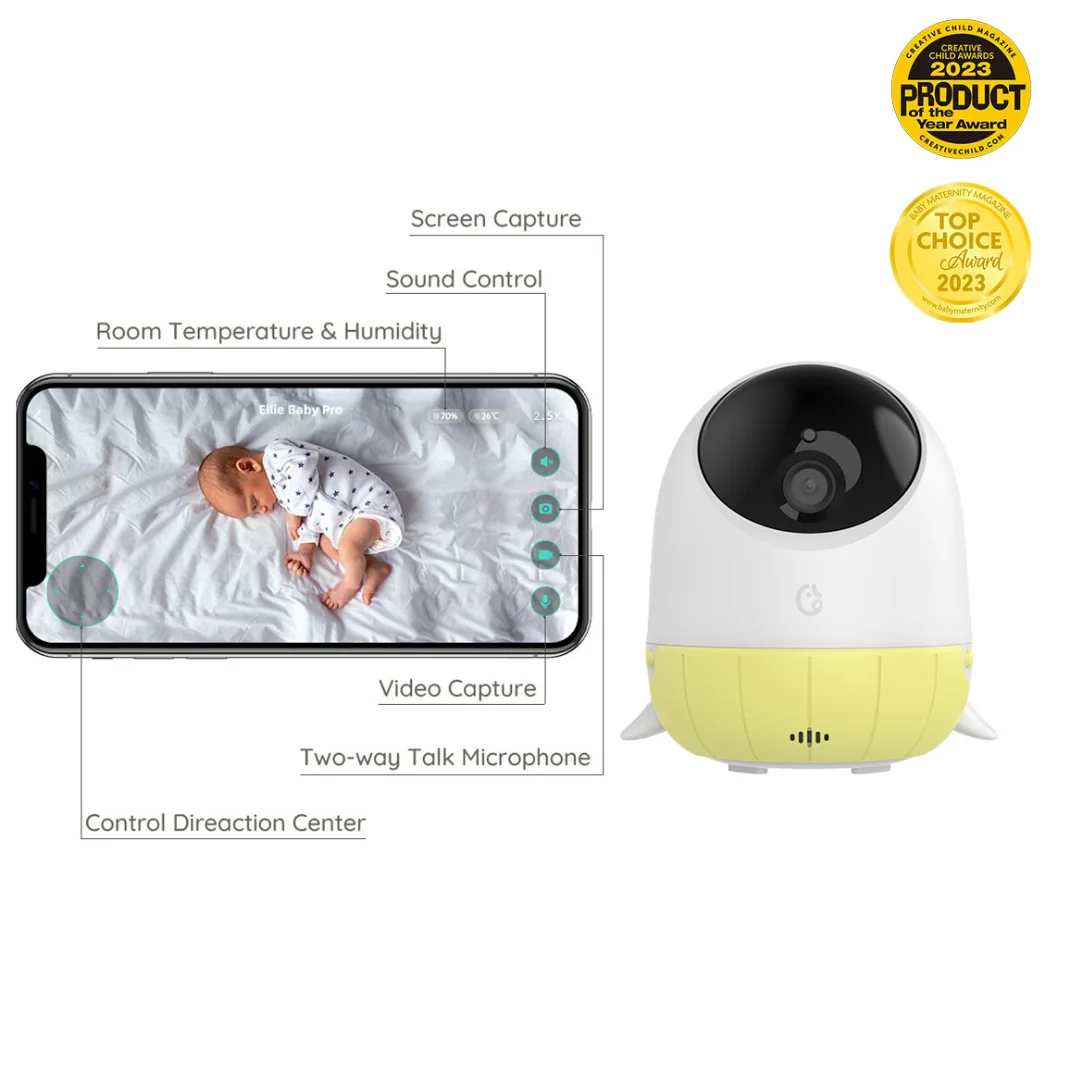
BabyPro Humidity Monitor & Room Thermometer
- ✓ Digital LCD display, ±3% accuracy
- ✓ Tracks room temperature and humidity in real-time
- ✓ Battery-powered, wall-mount or tabletop
* We earn a small commission — at no extra cost to you.