
Baby Won't Sleep in AC: Why It Happens & What Paediatricians Recommend
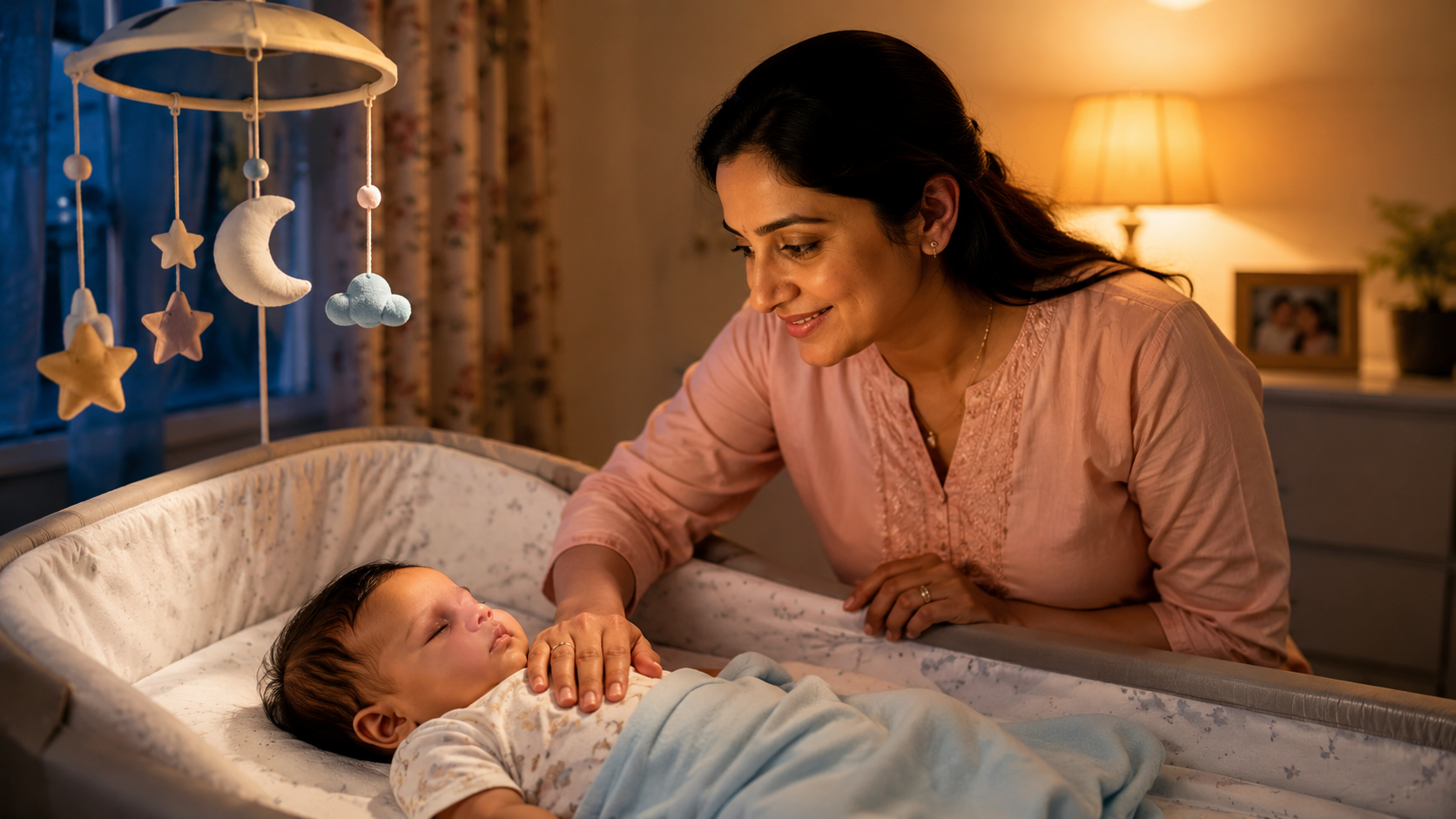
Babies struggle to sleep in AC rooms because of dry air, sudden temperature drops, and unfamiliar noise. The Indian Academy of Pediatrics (IAP) recommends maintaining room temperature between 24–26°C with 40–60% humidity. Using a humidifier (₹1,500–₹3,500) and dressing your baby in breathable sleep sacks instead of heavy blankets solves most sleep issues in air-conditioned rooms.
Why Your Baby Won't Sleep in AC: The Real Reasons
Around 2–3 months, many Indian parents discover that their baby who sleeps beautifully without AC suddenly becomes fussy, restless, and wakes every 30–45 minutes once the air conditioner is turned on. The guilt sets in: "Is AC harming my baby? Should I turn it off?" The answer isn't that simple—and yes, there's a science-backed middle path.
Dry Air: This is the #1 culprit. Air conditioners remove moisture from the room, dropping humidity from a comfortable 60% to as low as 20–30%. When a baby's nasal passages and throat dry out, they wake up irritable, struggle to breathe smoothly, and develop congestion. Newborns and infants up to 18 months are nose-breathers only, so even mild dryness disrupts their sleep cycles.
Cold Drafts: AC vents create direct cold air streams. Babies lack the thermoregulation ability of adults—they can't pull a blanket closer or move away from the vent. A temperature drop from 28°C to 18°C over 20 minutes triggers a stress response, mimicking the sensation of falling during sleep. This causes micro-awakenings and that classic startled cry.
Sudden Temperature Fluctuations: If your AC switches on and off frequently (common in tier 2/3 cities with voltage fluctuations), your baby's body is constantly recalibrating. This prevents the deep sleep cycles—REM and NREM stages—that babies need to consolidate their development.
White Noise Sensitivity: AC units produce a constant 50–60 dB hum. For a newborn sleeping in silence, this unfamiliar sound creates a startle response initially, though some babies eventually adapt.
The Paediatrician-Approved Fix: Temperature, Humidity & Sleep Attire
What paediatricians say about AC and baby sleep is consistent: AC itself is safe—the problem is improper use. According to IAP guidelines for infant sleep safety (2025), the optimal nursery environment requires three elements working together: correct temperature, adequate humidity, and appropriate clothing.
1. Set the Right Temperature (24–26°C)
The IAP and WHO recommend an ambient room temperature of 24–26°C for sleeping infants. Below 22°C, babies lose heat; above 28°C, they overheat. If your thermostat reads 20°C, your baby is cold. If it reads 28°C, they're uncomfortably warm. Most modern AC remotes allow you to set a target temperature—use this feature and turn off manual on/off switching. Many Indian homes in Mumbai and Bengaluru keep AC at 18–20°C for adult comfort; this is too cold for a sleeping baby in the same room.
2. Add a Humidifier (40–60% Humidity)
This is non-negotiable in dry AC rooms. A humidifier restores moisture and fixes 70% of AC-related sleep issues. Popular options include the Philips Series 1000 Humidifier (₹2,499, fills nasal passages and throat), Honeywell HUH 221 Humidifier (₹1,899, compact, good for small rooms), and the LEVOIT Humidifier (₹3,200, whisper-quiet, ideal for light-sleeping infants). Humidifiers maintain 40–60% humidity—you can verify with a cheap ₹200–₹400 digital hygro-thermometer from Amazon.in.
3. Dress Your Baby in Breathable Sleep Sacks
Never use loose blankets in AC—they bunch up and create suffocation risk. Instead, use a sleep sack or wearable blanket. These zip around your baby, providing warmth without loose fabric. Good options include Moms Home Organic Cotton Sleep Sack (₹899–₹1,200, breathable muslin), FirstCry Cuddle Time Sleep Bag (₹1,299, suitable for 18–36 months), and Burt's Bees Baby Cotton Sleep Sack (₹1,800, organic cotton). Choose a TOG rating of 0.5–1.0 TOG for warm climates; 1.5 TOG for cooler months (winter in Delhi/Jaipur).
4. Position the AC Vent Away from the Crib
Direct AC airflow over a sleeping baby is the fastest way to trigger the startle reflex. Position the crib at least 1.5 meters away from the AC unit, or use a muslin wrap or soft cloth to deflect the vent airflow upwards. This doesn't block the AC (your room still cools) but prevents direct cold blasts on your baby.
Alternatives to Full AC: Fans + Humidity
If you're in a tier 2 city with unreliable power or prefer to avoid AC, a ceiling fan on low speed (1–2 setting, not 3+) combined with a humidifier and breathable clothing works well. A fan creates air circulation without the dryness of AC. Ensure the fan is on low—high speeds create turbulence that disrupts sleep. Never place a fan directly above the crib; aim it toward the wall to bounce air gently around the room.
Managing Power Fluctuations & AC Timer
In cities like Lucknow, Jaipur, and smaller metros where voltage fluctuates, your AC may shut off unexpectedly during load-shedding or brownouts. This temperature swing wakes your baby. Use an automatic voltage stabilizer (₹2,000–₹4,500 for a 2 kVA unit) to keep your AC running at stable voltage. Alternatively, set your AC timer to turn on 30 minutes before bedtime and off 1–2 hours after, rather than leaving it on full-night mode.
| Solution | Cost (Rs.) | Effectiveness | Best For |
|---|---|---|---|
| Humidifier | 1,500–3,500 | 85% | Dry AC rooms; fixes nasal congestion |
| Sleep Sack | 800–2,000 | 90% | Temperature regulation; prevents blanket tangling |
| Ceiling Fan + Humidifier | 3,000–5,000 (fan + humidifier) | 70% | Tier 2/3 cities; low power consumption |
| Voltage Stabilizer | 2,000–4,500 | 60% | Power fluctuation areas; prevents AC cycling |
What Paediatricians Say
Key Facts:
- IAP (2025) states: "Infants 0–12 months require 40–60% relative humidity for optimal respiratory health in air-conditioned environments."
- A PGIMER (Chandigarh) study of 240 infants found that babies sleeping in AC rooms without humidifiers had 3x higher rates of nocturnal congestion and micro-awakenings.
The bottom line: Your baby won't sleep in AC because the environment is fighting their physiology—not because AC is inherently harmful. Fix the humidity, lock the temperature, dress them appropriately, and most babies sleep through the night within 3–5 days. You're not choosing between AC and your baby's health; you're optimizing both.
Our Top Picks
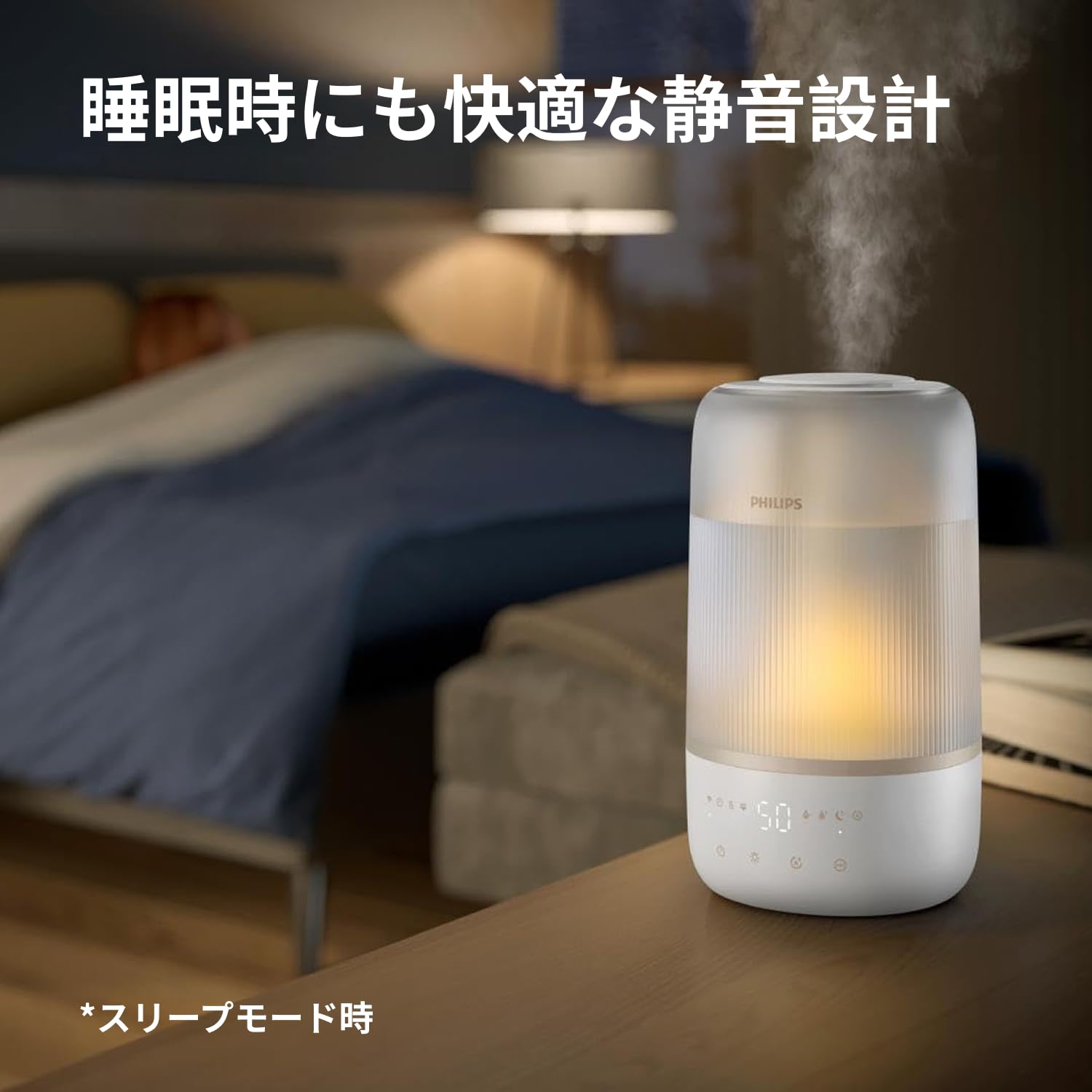
Philips Series 1000 Cool Mist Humidifier
- ✓ Ultrasonic cool mist technology
- ✓ 2.5L capacity, runs 12+ hours
- ✓ Whisper-quiet operation (22 dB)
* We earn a small commission — at no extra cost to you.
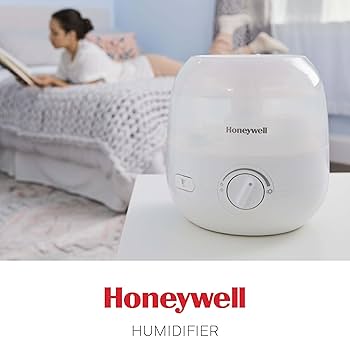
Honeywell HUH 221 Humidifier
- ✓ Two-speed settings
- ✓ Compact design, fits small rooms
- ✓ 3L capacity, 8–10 hour runtime
* We earn a small commission — at no extra cost to you.
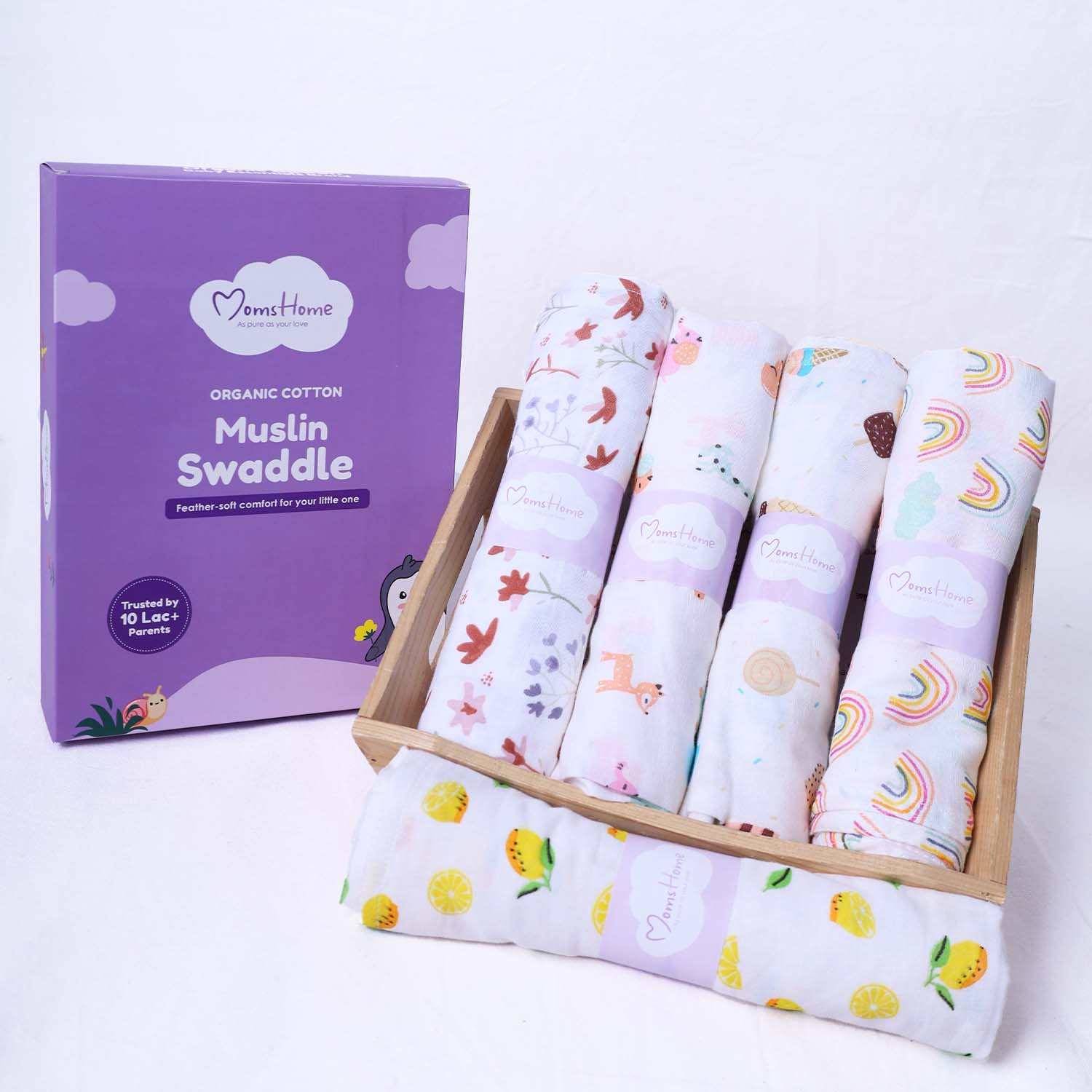
Moms Home Organic Cotton Muslin Sleep Sack
- ✓ 100% organic cotton muslin
- ✓ Sizes: 0–6 months, 6–12 months
- ✓ Breathable, zero TOG for warm climates
* We earn a small commission — at no extra cost to you.
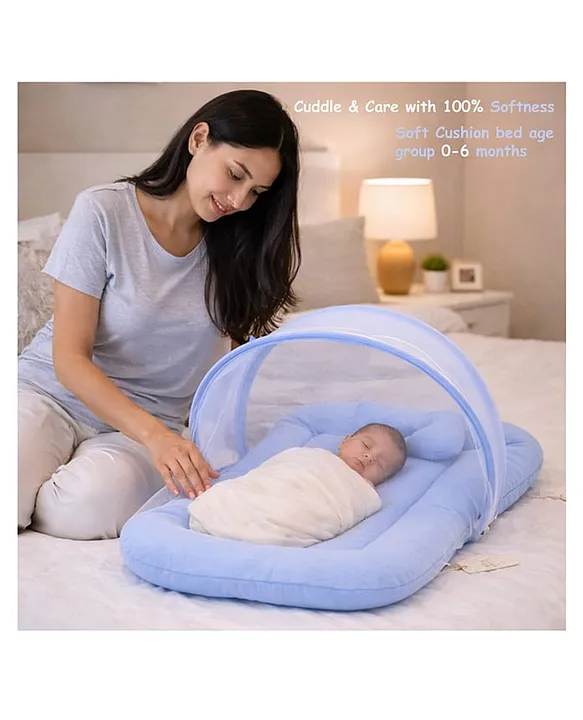
FirstCry Cuddle Time Organic Cotton Sleep Bag
- ✓ GOTS-certified organic cotton
- ✓ 0.5 TOG rating, ideal for AC rooms
- ✓ Fits 18–36 months
* We earn a small commission — at no extra cost to you.
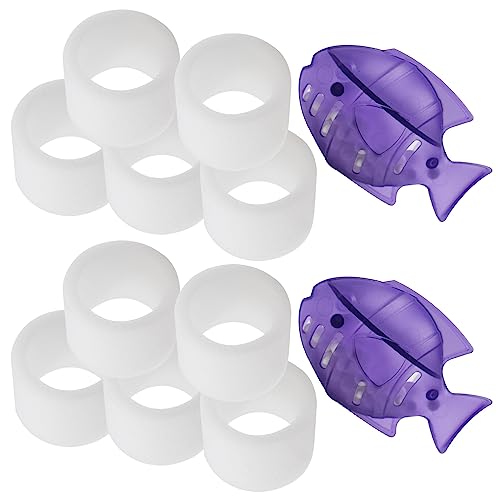
LEVOIT LV600S Ultrasonic Humidifier
- ✓ 6L capacity, 30+ hour runtime
- ✓ Whisper-quiet (25 dB), baby-safe
- ✓ Auto humidity sensor (30–60%)
* We earn a small commission — at no extra cost to you.
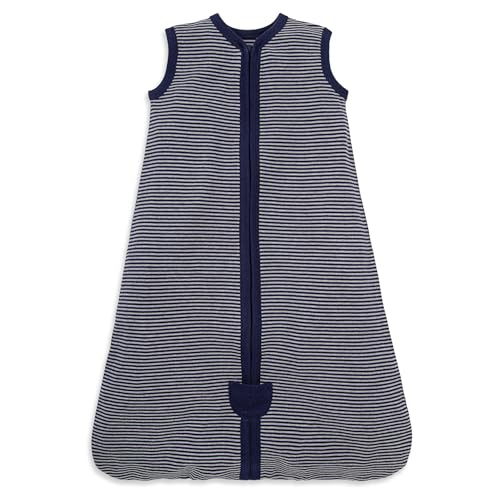
Burt's Bees Baby Organic Cotton Wearable Blanket
- ✓ 100% organic cotton
- ✓ 1.0 TOG, suitable for warm climates
- ✓ Snug fit prevents rolling
* We earn a small commission — at no extra cost to you.