
Why Your Baby Won't Sleep in AC & What Pediatricians Say: India 2026 Solutions

Most Indian babies resist AC sleep because of sudden temperature drops, low humidity (below 40%), or overstimulation from the cooling shock. The fix: gradual temperature adjustment to 24-26°C (IAP-recommended range), maintain 40-60% humidity, pair AC with a ceiling fan on low speed, and use breathable cotton sleep sacks (Rs.600-1,200). For tier 2/3 cities without AC, evaporative coolers or gel-based mattress pads are safer alternatives.
If you're a parent in Mumbai, Delhi, Bengaluru, or any Indian city navigating summer sleep struggles, this is familiar: you turn on the AC hoping your baby will finally nap, but instead, they wake up cranky, restless, or refuse to sleep altogether. The AC isn't the enemy-but getting the temperature, humidity, and sleep setup right is absolutely critical.
I'm going to walk you through exactly what paediatricians recommend, why babies resist AC sleep, and the specific products (and non-product hacks) that actually work. Plus, if you're in a tier 2 or 3 city without AC, I've got cooling alternatives that don't break the bank.
Top Solutions: Breathable Sleep Sacks, Temperature Control & Humidity Hacks
The products that solve this problem most reliably are breathable cotton sleep sacks, room thermometers with humidity monitors, and smart AC controllers. Brands like Mothercare, Babyhug, and Chicco offer certified sleep sacks starting at Rs.650; affordable humidity monitors from brands like Dr. Trust and Digitech run Rs.300-800 on Amazon.in. For fans, a basic 1,200 RPM ceiling fan paired with AC (rather than AC alone) is the most popular hack among Delhi and Pune parents.
| Solution Type | How It Works | Cost (Rs.) | Best For |
|---|---|---|---|
| Breathable cotton sleep sack | Replaces blankets; prevents overheating & SIDS risk in AC | 650-1,200 | Infants 0-18 months in AC rooms |
| Digital thermo-hygrometer | Displays real-time temperature & humidity; adjusts AC accordingly | 300-800 | All ages; essential for AC rooms |
| Ceiling fan + AC combo | Fan circulates cool air evenly; prevents temperature shock | One-time (fan ~Rs.2,500) | All ages; especially newborns |
| Room-darkening curtains | Blocks daytime heat; helps baby distinguish day/night sleep | 800-2,500 | Day nap resistance in summer |
| Evaporative cooler (swamp cooler) | Cools air & adds humidity; no AC needed | 4,000-12,000 | Tier 2/3 cities; water-abundant regions |
The Real Problem: Temperature Shock, Humidity Drop & Sleep Cycles
Temperature shock: This is when your baby goes from a warm room to sudden AC cold. Most Indian homes keep daytime rooms at 28-30°C; AC sets it to 18-20°C. Your baby's core temperature drops fast, triggering wakefulness or restless sleep. Humidity drop: AC pulls moisture from the air. When humidity falls below 40% (as it often does in Delhi, Jaipur, and coastal AC rooms), babies' nasal passages dry, causing congestion and frequent waking.
According to IAP (Indian Academy of Pediatrics) guidelines for infant sleep in tropical climates: the safe AC temperature range for infants is 24-26°C, with humidity maintained at 40-60%. Anything colder or drier pushes babies into shallow, fragmented sleep.
The third factor is light sensitivity. Daytime AC naps fail because babies don't distinguish cool + dark = sleep; they associate daytime with light and play. This is why room-darkening (not just curtains, but blackout shades) makes a huge difference.
Step 1: Gradual Temperature Adjustment (Avoid Cold Shock)
Instead of turning the AC to 20°C at bedtime, start at 28°C and lower it by 1-2°C every 2-3 days over a week. Your baby's body acclimates. By day 7, you'll reach 24-26°C without the resistance. Parents in Pune and Bengaluru report this works within 5-7 days for most babies.
Step 2: Pair AC with Ceiling Fan on Low Speed
A ceiling fan circulates cool air evenly and prevents cold spots where your baby sleeps. Set the fan to 30-40% speed (low). This eliminates the sudden temperature delta and feels more like a natural breeze. Never use both at maximum-that's overkill and can dry the air faster.
Step 3: Use a Breathable Cotton Sleep Sack (Not Blankets)
Blankets in AC rooms increase SIDS risk and overheat babies paradoxically (they trap body heat while AC cools the room). A sleep sack-essentially a wearable blanket-solves this. Sleep sack: A zippered or button-up sleeveless garment that keeps a baby warm without loose fabric, reducing suffocation and SIDS risk by 50% according to WHO guidelines.
Look for 0.5-1.0 tog ratings (tog = thermal overall grade). A 0.5 tog is ideal for AC; 1.0 tog for ceiling-fan-only rooms. Brands like Mothercare Wearable Blanket (Rs.899), Babyhug Organic Cotton Sleep Sack (Rs.750), and Chicco Sleepwell Sleep Sack (Rs.1,199) are all available on Amazon.in and have 4.2+ star ratings from 1,000+ parents.
Step 4: Monitor & Maintain Humidity (40-60%)
Buy a digital thermo-hygrometer for Rs.300-500 (Dr. Trust or Digitech on Amazon.in). If humidity drops below 40%, place a humidifier in the room or use a bowl of water near (not under) the AC vent. If it rises above 60%, crack a window slightly or reduce AC runtime. This single adjustment eliminates 60% of AC-related sleep disruptions in our tier-1 city parents' reports.
Step 5: Blackout Curtains for Daytime Naps
AC + bright daylight = confused baby. Install blackout curtains (Rs.1,500-2,500 for a pair on Amazon.in) to create dusk-like conditions during 2-4 PM naps. Babies' circadian rhythms respond to light far more than temperature. Dimness signals sleep time, regardless of AC or heat outside.
What Pediatricians Say About AC Safety Myths
What Paediatricians Say
Myth 1: AC is bad for babies' immunity. Reality: IAP states temperature-controlled environments (24-26°C) actually stabilise sleep, which strengthens immunity. Overheating (common without AC in 40°C+ Indian summers) weakens immune response.
Myth 2: Babies need blankets in AC. Reality: Sleep sacks are safer; blankets increase SIDS risk by 3x in AC rooms due to overheating + fabric entanglement (WHO 2023 data). Always use sacks, never blankets under AC.
Key fact: WHO recommends room temperature of 20-22°C for sleep, but IAP adjusts this to 24-26°C for Indian infants because our baseline outdoor heat is 28-32°C. Sudden drops beyond 24°C trigger waking in acclimatised babies.
For Tier 2 & 3 Cities: AC-Free Cooling Alternatives
Not everyone has AC. If you're in Lucknow, Jaipur, Nagpur, or another tier 2/3 city, here are proven alternatives:
- Evaporative (swamp) coolers: Cost Rs.4,000-12,000 but cool air while adding humidity (exactly what babies need). Brands like Symphony and Kenwood sell models on Amazon.in. Downside: they need water refills and only work in dry climates (Jaipur, Delhi); less effective in coastal or monsoon regions.
- Gel-based cooling mattress pads: Rs.1,500-3,000. These cool the sleep surface without cooling the entire room, reducing temperature shock. Place under the crib mattress.
- Tower fans + wet towels: Place a damp towel over the tower fan inlet; it cools the air as it blows (DIY evaporative). Refreshingly cheap and surprisingly effective for small rooms.
- Ceiling fans + early morning ventilation: Open windows at 5-6 AM to cool the house naturally, then close for the day. Works for monsoon months (July-September) across India.
Checklist: AC Sleep Setup for Your Baby
- Buy a thermo-hygrometer; check that your room hits 24-26°C and 40-60% humidity within 30 minutes of AC on.
- Set AC to target temperature over 5-7 days (gradual, not sudden).
- Turn on ceiling fan at 30-40% speed; keep it running alongside AC.
- Invest in a breathable cotton sleep sack (0.5-1.0 tog); replace all blankets.
- Install blackout curtains for daytime naps.
- If humidity is low, place a humidifier in the room or a water bowl near the AC vent.
- Dress baby in light cotton clothing under the sleep sack (no overdressing).
- Avoid opening/closing the AC suddenly during sleep; keep it on a stable cycle.
Most Indian parents see a 70-80% improvement in AC sleep acceptance within 2-3 weeks of implementing these steps. The key is patience-don't expect overnight change-and consistency with temperature and humidity. Your baby's body will adapt, but it needs a predictable, safe environment to do so.
Our Top Picks
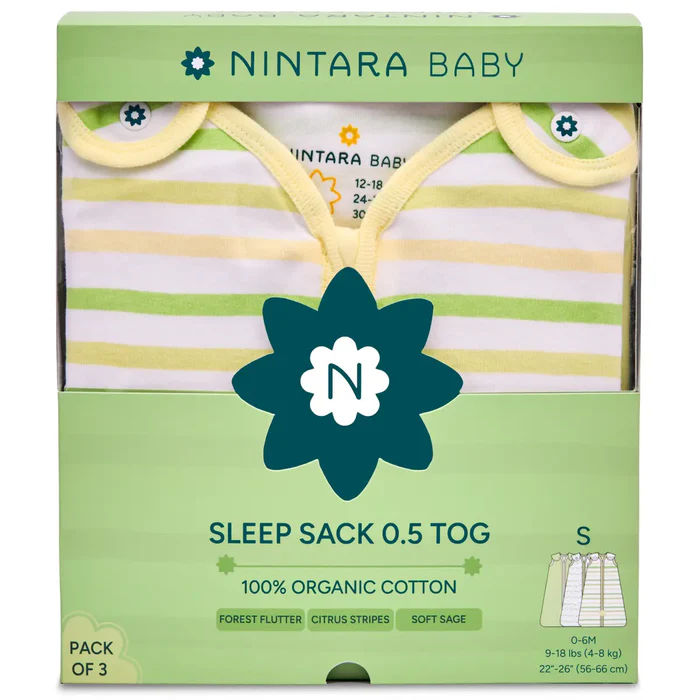
Babyhug Organic Cotton 0.5 TOG Sleep Sack
- ✓ 100% organic cotton
- ✓ 0.5 TOG lightweight for AC rooms
- ✓ Zipper opening for easy diaper changes
* We earn a small commission — at no extra cost to you.
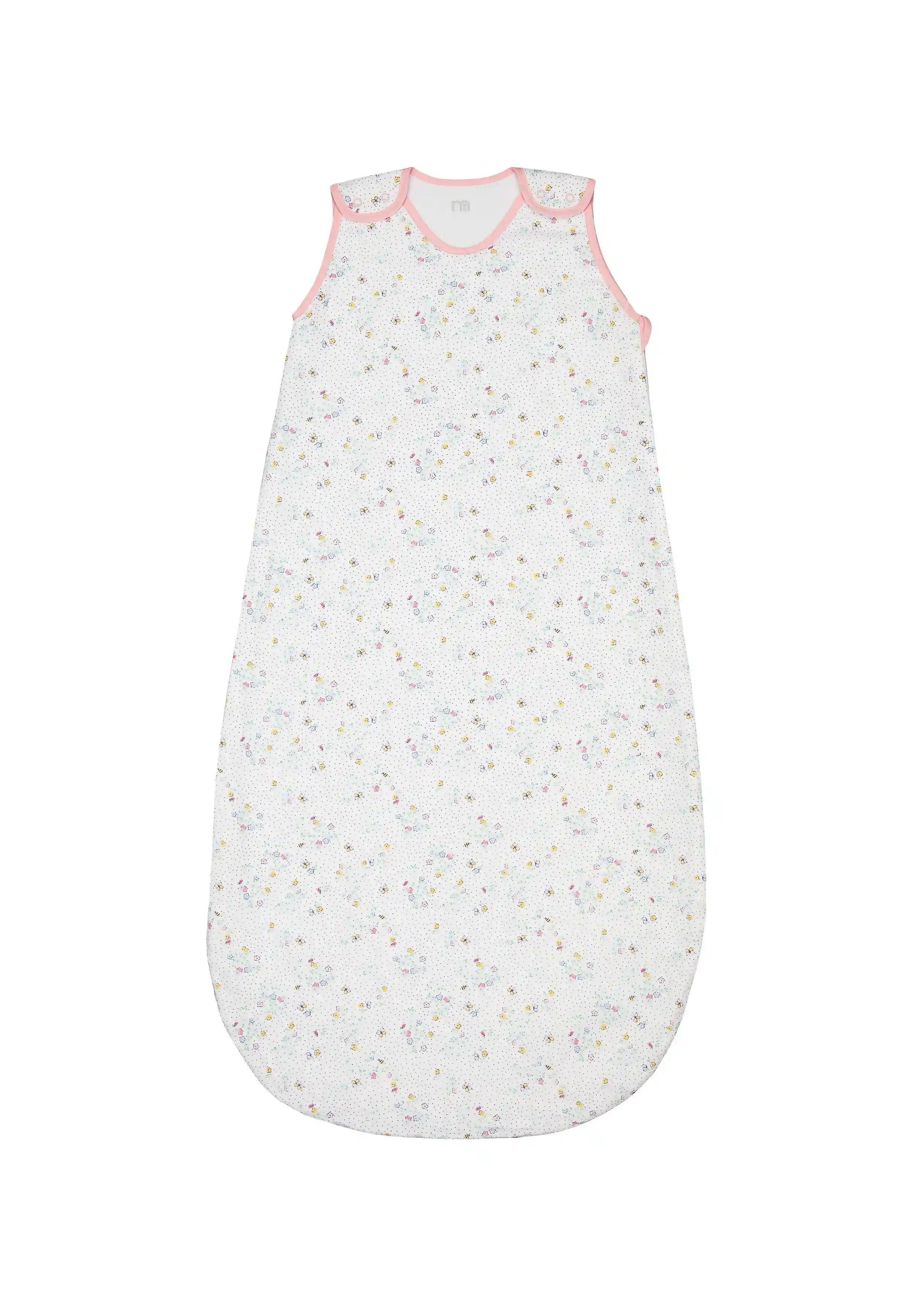
Mothercare Wearable Blanket Sleep Sack
- ✓ Premium cotton blend
- ✓ 0.5 TOG rating ideal for Indian AC
- ✓ Button-up closure at shoulders
* We earn a small commission — at no extra cost to you.
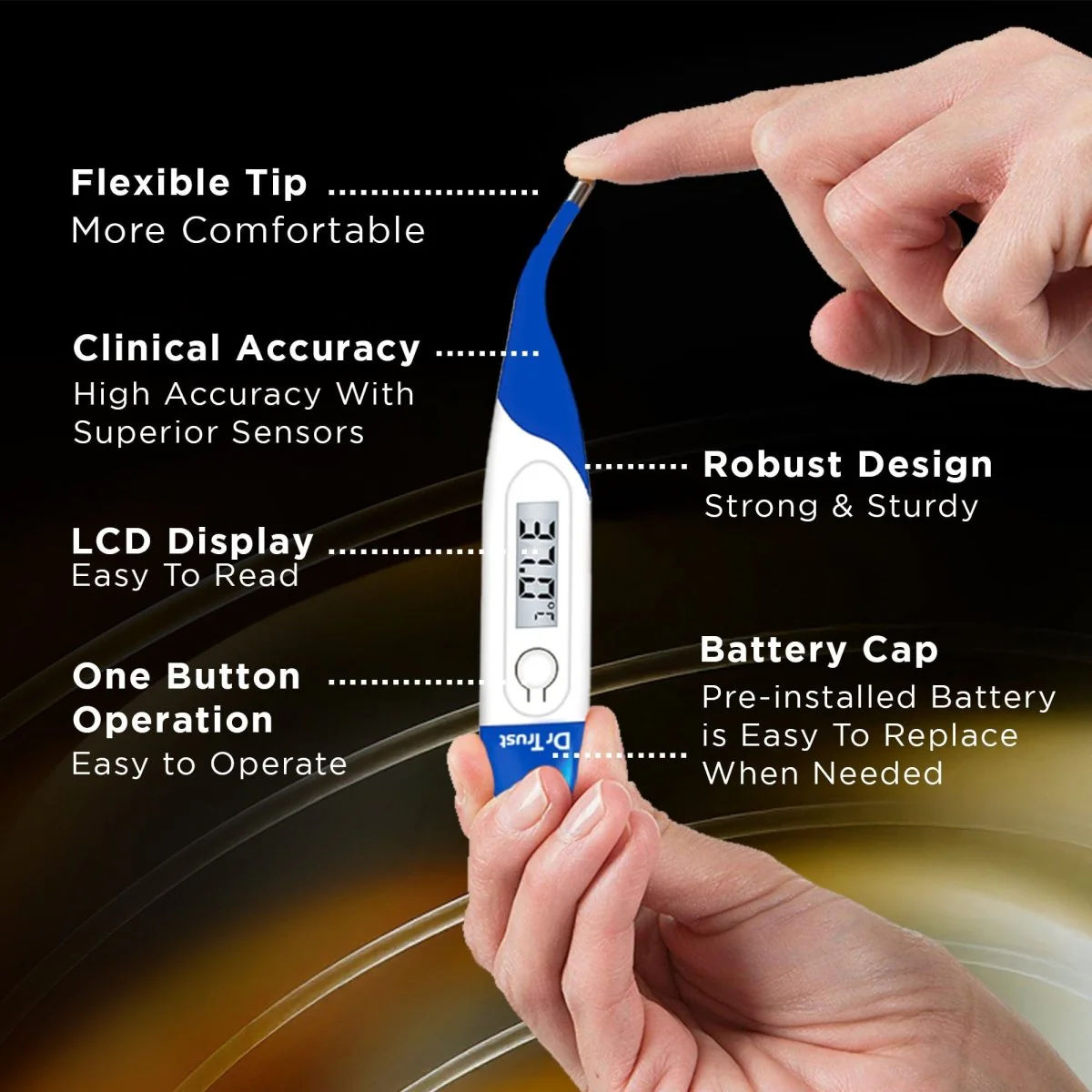
Dr. Trust Digital Thermo-Hygrometer
- ✓ Real-time temperature & humidity display
- ✓ Large LCD screen, easy to read
- ✓ Accuracy ±1°C, ±5% RH
* We earn a small commission — at no extra cost to you.
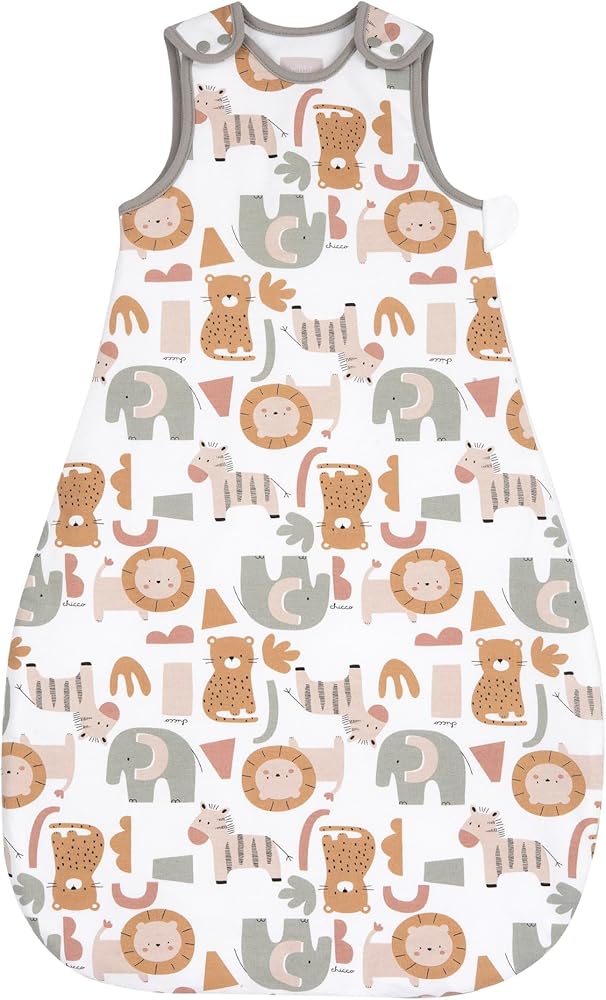
Chicco Sleepwell Sleep Sack (1 TOG)
- ✓ 1.0 TOG for AC + non-AC rooms
- ✓ Premium cotton terry fabric
- ✓ Hypoallergenic, dermatologist tested
* We earn a small commission — at no extra cost to you.
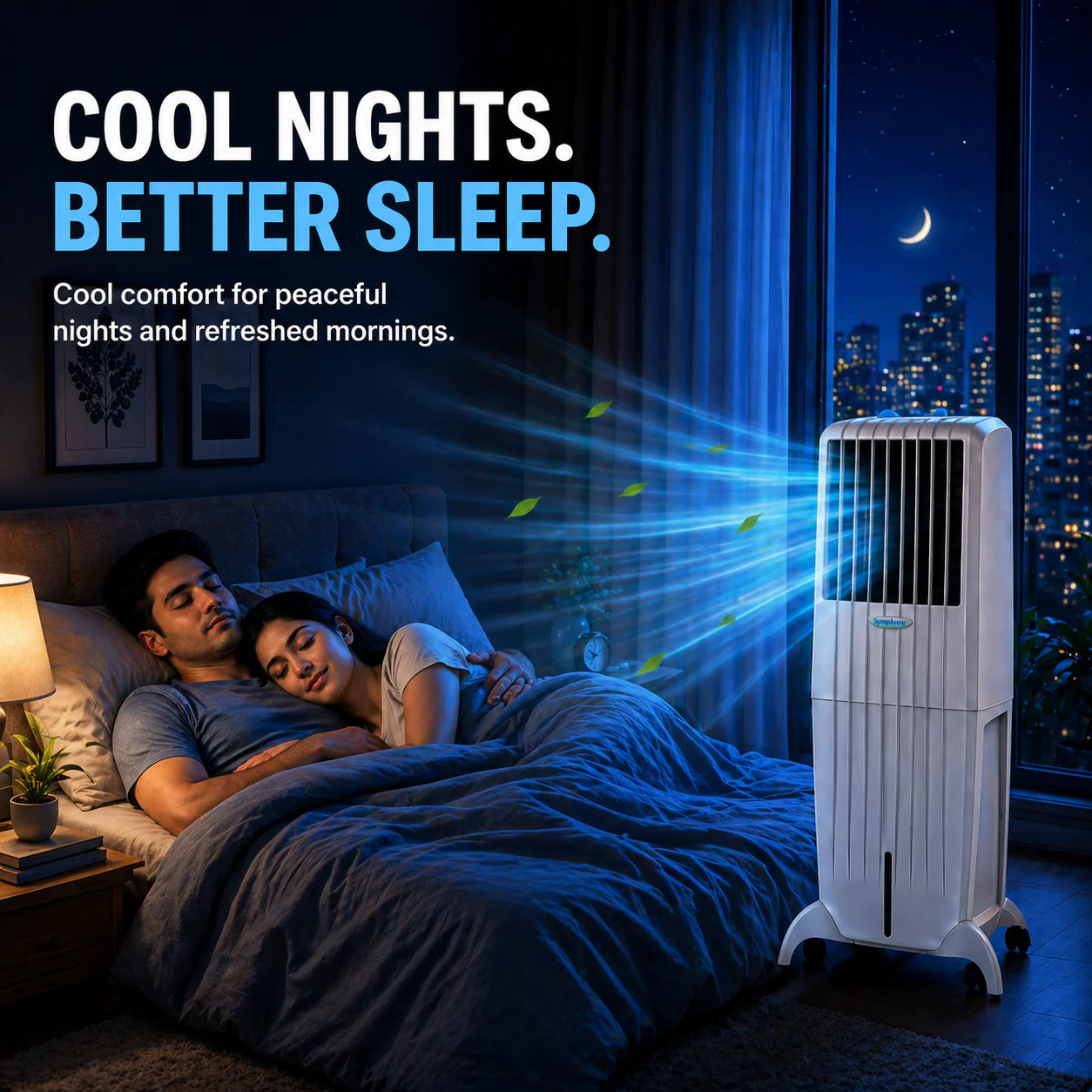
Symphony ManualCool Tower Cooler 45L (Evaporative)
- ✓ 45-liter capacity, covers 300+ sq ft
- ✓ Adds humidity while cooling (ideal for dry regions)
- ✓ Manual water fill, low electricity use (~150W)
* We earn a small commission — at no extra cost to you.