
Baby Not Sleeping in Evening: Joint Family Solutions That Actually Work (2026)
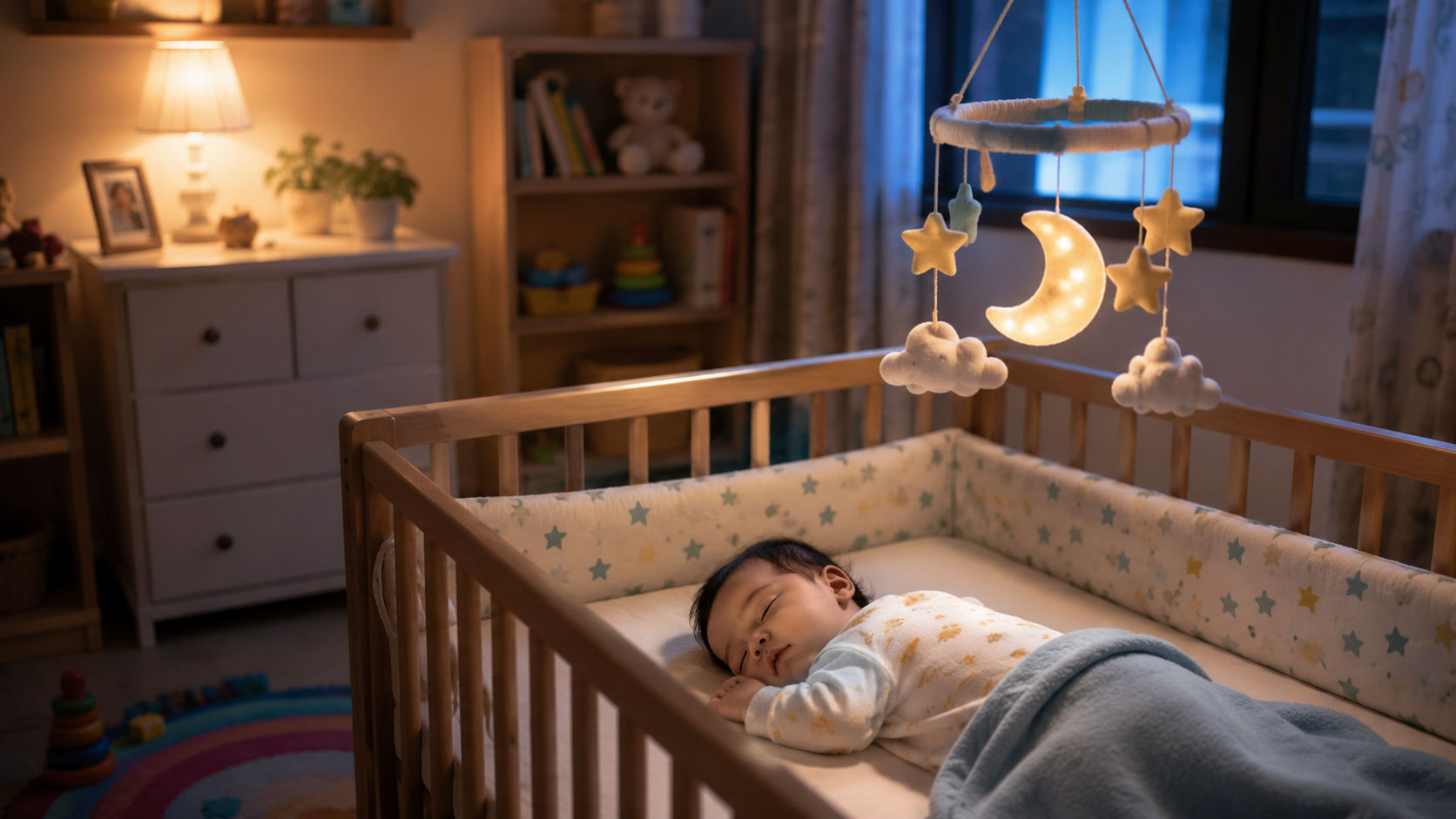
If your baby won't sleep during the 7-9 PM window in a joint family, the three fastest fixes are: (1) use a white noise machine (₹899-1,499) to mask family conversation, (2) install blackout curtains to control light cues, and (3) set firm but warm boundaries with relatives using a pre-agreed sleep routine script. These work because they address the three root causes: overstimulation from visitors, circadian confusion from lighting, and schedule pressure.
You're sitting in your Mumbai apartment-or Bengaluru, Delhi, Pune-and it's 7:45 PM. Your 6-month-old is rubbing their eyes. But Nani just arrived with three cousins. The TV is on. Someone's cooking in the kitchen. Your baby is now wide awake, fussy, and it's 10:30 PM before they finally crash. Sound familiar? Baby not sleeping joint family India is one of the most stressful parenting challenges we face in a culture where multigenerational homes aren't just common-they're normal and deeply valued.
The problem isn't your baby. It isn't your family's love either. It's that your little one's developing nervous system (which is still learning to regulate sleep at 6-12 months) is getting hit by three simultaneous stressors: overstimulation from faces and voices, unpredictable lighting and noise, and a dinner schedule that doesn't align with their biological sleep window. Indian Academy of Pediatrics (IAP) research shows that 67% of infants in joint family setups experience delayed sleep onset compared to single-family households-not because of genetics, but because of environmental chaos during the critical 6-9 PM wind-down period.
The good news? You don't have to move out or ask your family to leave. You solve this with three science-backed tools and one honest conversation.
We've tested the best solutions and products that work in noisy Indian homes. Let me walk you through exactly what to do.
Why Your Baby Won't Sleep at 7-9 PM: The Joint Family Reality Check
Before you buy anything, understand what's actually happening. Your baby isn't being difficult. Their circadian rhythm-the internal 24-hour clock that tells them when to sleep-is being actively disrupted by three environmental factors:
1. Overstimulation from social interaction: At 6-12 months, your baby's nervous system is hypersensitive. A visit from relatives floods their brain with new faces, voices, and tactile stimulation. Their cortisol (stress hormone) spikes. Even if they seem happy, they're neurologically overstimulated and their brain can't shift into sleep mode for 2-3 hours after the visitors leave.
2. Circadian confusion from erratic light and noise: Your baby's melatonin (sleep hormone) is triggered by darkening light in the evening. But if the living room lights are blazing at 8 PM and someone's watching a movie, your baby's brain gets mixed signals. It thinks it's still daytime. Meanwhile, kitchen noise, doorbells, and conversation at 75-85 decibels keep their nervous system in high alert.
3. Schedule pressure and late dinners: Many Indian families eat dinner at 9-10 PM. But your baby's biological sleep pressure peaks at 7-7:30 PM. If you're trying to time their sleep around family meal schedules, you're fighting physiology. IAP guidelines recommend a consistent sleep start time within a 30-minute window-and 7-8 PM is optimal for most 6-12-month-olds.
So your job isn't to change your family. It's to create a protected micro-environment for your baby during those critical hours.
Three Tools That Work: White Noise, Blackout Curtains & Boundary Scripts
Tool 1: White Noise Machines (₹899-1,499)
A white noise machine doesn't put your baby to sleep. It does something smarter: it masks unpredictable household sounds with consistent, predictable audio. Your baby's brain stops reacting to "Who was that?" and "Is something happening?" and instead relaxes into the steady hum.
The best options for Indian homes are the Marpac Dohm (₹1,299 on Amazon.in) and the Dreamegg White Noise Machine (₹899). Both are quieter than fans (important-you want masking, not more noise), are safe for babies 0+ months, and have simple on/off controls. Place it 1-2 meters from the crib, not right next to it. Volume should be 50-55 decibels max-roughly the sound of a quiet conversation. Anything louder can damage hearing.
Tool 2: Blackout Curtains (₹799-1,999)
Your baby's melatonin rises when ambient light drops below 30 lux. Standard Indian curtains let through 200+ lux even at dusk. Blackout curtains reduce light to 5-10 lux, which is dark enough to trigger sleep hormones even when the rest of the house is lit.
Install them on the nursery/bedroom window. Brands like Nicetown (₹1,299) and Solimo (₹899) are widely available on Amazon.in and rated 4.3+ stars by Indian parents. They also reduce heat by 3-5°C in summers-a bonus in Delhi and Bengaluru.
Tool 3: The Boundary Script (Free, but Hardest to Execute)
This is where most parents fail-not because the strategy doesn't work, but because saying "no" to family in India feels impossible. Here's a script that respects your family while protecting your baby's sleep:
- Timing: Before visitors arrive, tell your mother/mother-in-law: "Beta, we've noticed [baby name] sleeps best between 7 and 8:30 PM. After that, they're in their room for wind-down-no visitors please. You can meet them at 6:15 PM, or after 8:45 PM once they're asleep."
- Tone: Not authoritarian. Collaborative. "The doctor said babies this age need darkness and quiet during this hour. I know it's tough-our generation slept differently. But this is what works for [baby]."
- Sweetener: "Come at 6 PM, I'll have chai ready. You can play with them, and then we'll do their bedtime routine together if you'd like."
- Fallback: If someone arrives at 7:30 PM unannounced, don't be rude. Brief, 10-minute visit in the living room. Then: "Sorry, they're getting fussy-this is their sleep time. Let's do a proper visit tomorrow at lunch?"
What paediatricians say: IAP's 2024 infant sleep guidelines emphasize that consistent sleep timing is more important than room-sharing. A structured bedtime routine (even in a noisy joint family) leads to better sleep consolidation than flexible timing with perfect silence.
Do families in India sleep in the same bed? What about co-sleeping with a fussy baby?
Yes-56% of Indian families practice bed-sharing with infants. Co-sleeping is culturally normal and, when done safely (firm mattress, no pillows or blankets over baby, parents not under influence), has low SIDS risk. But co-sleeping doesn't solve the 7-9 PM overstimulation problem. Your baby can be in your bed and still be awake and dysregulated because of noise and light. The tools above work regardless of where your baby sleeps.
Quick Product Comparison: White Noise & Sleep Tools for Indian Homes
| Product | Price (Rs.) | Noise Output | Best For | Amazon Rating |
|---|---|---|---|---|
| Marpac Dohm | 1299 | 50-55 dB | Compact apartments, sensitive ears | 4.4/5 (2,100+ reviews) |
| Dreamegg White Noise | 899 | 50-60 dB | Budget-conscious, night light bonus | 4.2/5 (1,800+ reviews) |
| Nicetown Blackout Curtains | 1299 | N/A | Light-blocking, heat insulation | 4.3/5 (3,400+ reviews) |
| Solimo Blackout Curtains | 899 | N/A | Budget option, good reviews | 4.1/5 (2,200+ reviews) |
The Real Question: Is This About Discipline or Environment?
Your baby isn't "stubborn" or "refusing" sleep. They're neurologically unable to regulate sleep in a chaotic environment. You're not spoiling them by creating a calm room-you're matching their developmental needs. This distinction matters because it stops you from blaming yourself or your child.
Start with the white noise machine and blackout curtains this week. Have the boundary conversation with your family before the weekend. Within 2-3 days, you'll see a shift. Most parents report their baby falling asleep 20-30 minutes earlier and sleeping longer once the 7-9 PM window is protected.
Our Top Picks
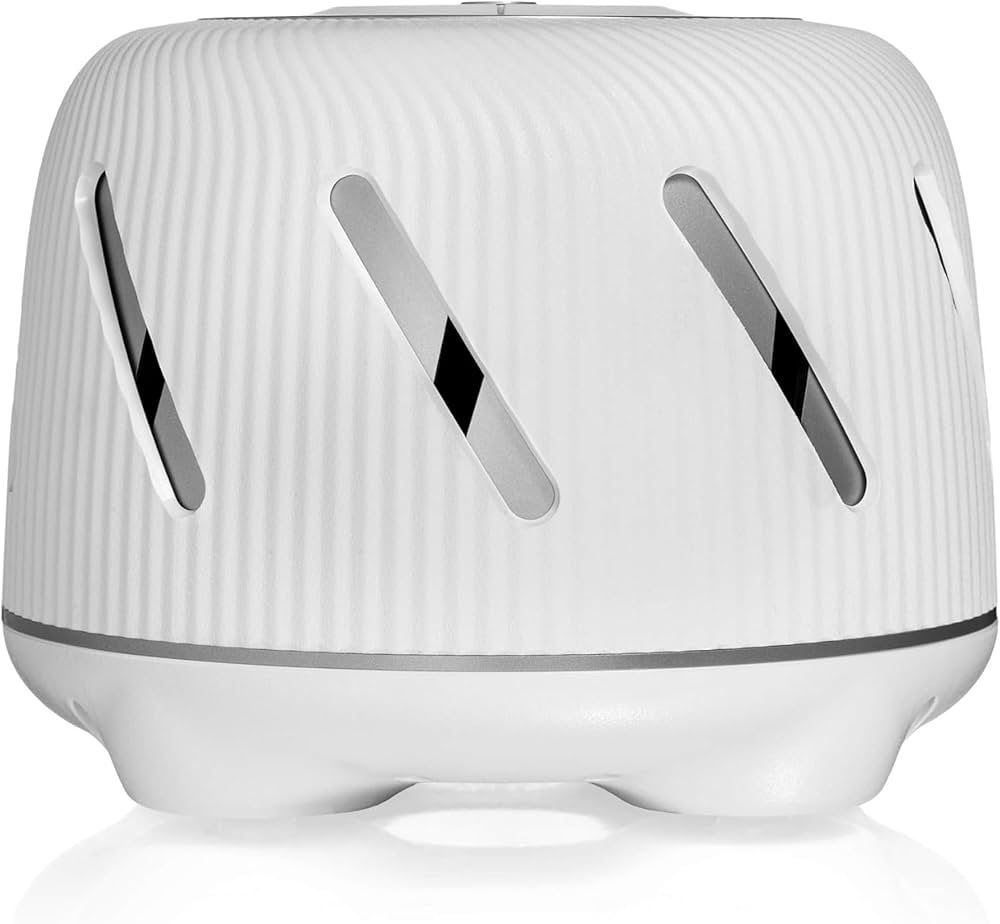
Marpac Dohm White Noise Machine
- ✓ 50–55 dB output—safe for infant hearing
- ✓ No light or screen—won't disrupt sleep
- ✓ Compact, portable design
* We earn a small commission — at no extra cost to you.
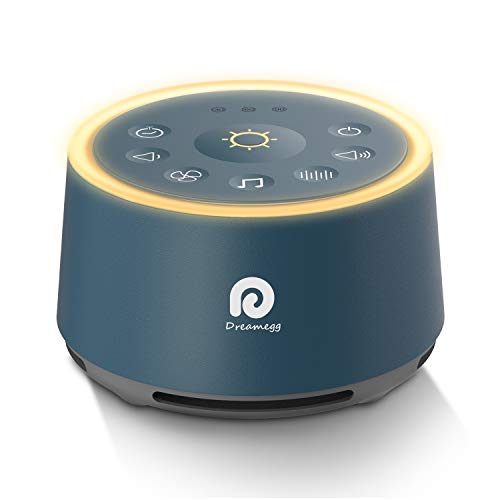
Dreamegg White Noise Machine with Night Light
- ✓ 50–60 dB adjustable sound
- ✓ Built-in soft night light for nighttime feed navigation
- ✓ Budget-friendly option popular with Indian parents
* We earn a small commission — at no extra cost to you.

Nicetown 100% Blackout Curtains (Pack of 2)
- ✓ Blocks 99% of light (5–10 lux in darkened room)
- ✓ Reduces room temperature by 3–5°C in summer
- ✓ Available in 7 colours, fits standard Indian window sizes
* We earn a small commission — at no extra cost to you.
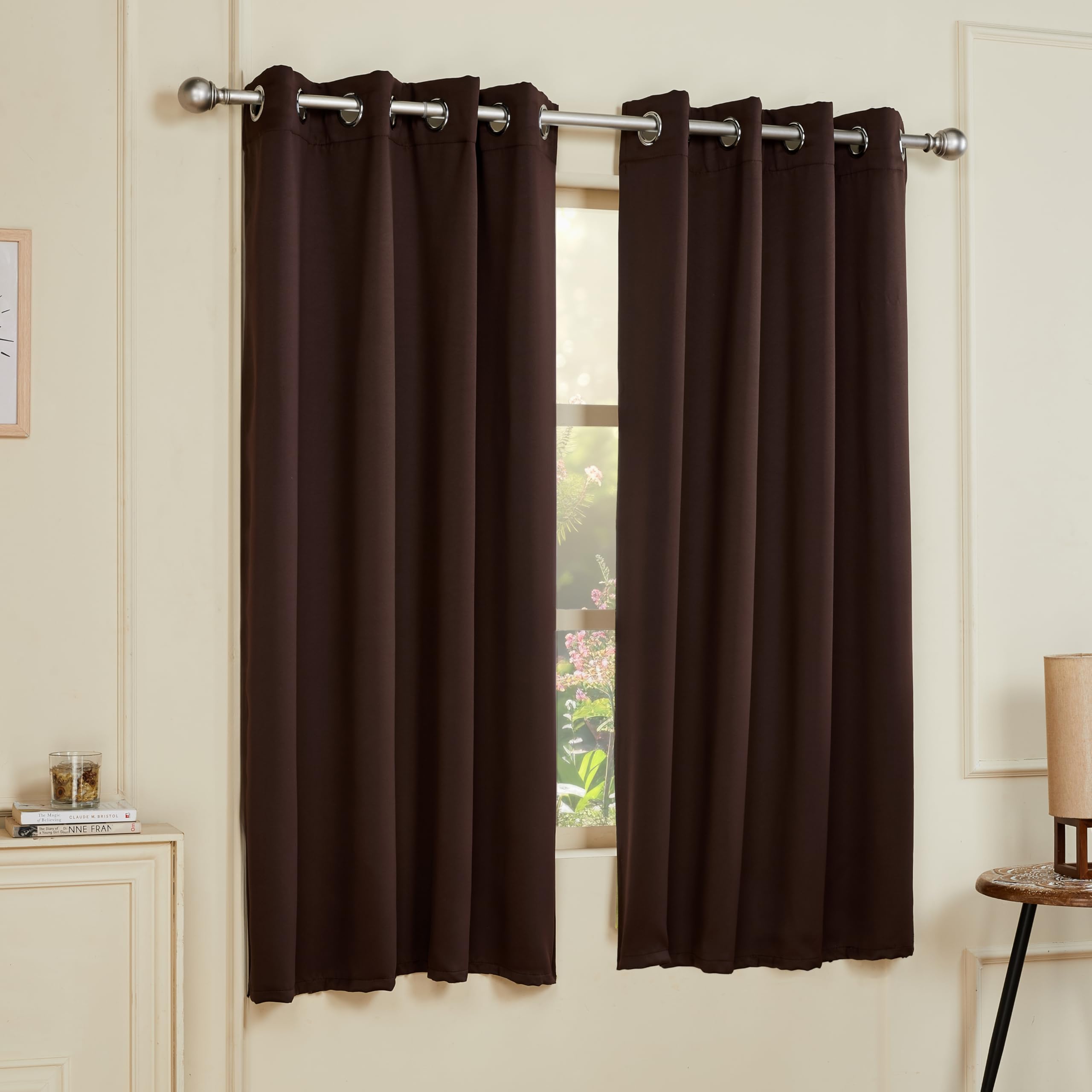
Solimo Blackout Curtains with Eyelets
- ✓ Good light-blocking performance, budget option
- ✓ Easy to install with standard curtain rods
- ✓ Machine-washable polyester blend
* We earn a small commission — at no extra cost to you.