
Baby Won't Sleep After Vaccination: Normal Timeline & When to Worry (2026 Guide)

Sleep disruption after vaccination is normal for 24–72 hours due to immune response and injection-site soreness. Mild fever (up to 101°F/38.3°C) is common. Use Calpol at 10–15 mg/kg as recommended by IAP, ensure a cool room (24–26°C), and contact your paediatrician only if fever persists beyond 48 hours, your baby shows signs of allergic reaction, or lethargy continues past 72 hours.
Your 6-week-old just had their first round of vaccinations—DPT, Polio, Hepatitis B. They're fussier than usual, running a low fever, and absolutely won't sleep properly. You're watching them like a hawk, wondering if this is normal. It is. But knowing the difference between expected post-vaccine behaviour and a genuine red flag can save you a lot of midnight panic.
In this guide, I'll walk you through what to expect after vaccinations at 6 weeks, 10 weeks, 6 months, and 9 months—and crucially, when to call your doctor instead of just waiting it out.
Why Do Babies Sleep Poorly After Vaccines?
When your baby receives a vaccine, their immune system is being trained to recognize and fight a disease. That training comes with a price: soreness at the injection site, mild fever, and general discomfort. Post-vaccine fever: a temporary rise in body temperature (typically 99–101°F or 37.2–38.3°C) lasting 24–48 hours, caused by the immune response to the vaccine antigen.
Injection-site pain is real too. Your baby can't tell you "my arm hurts," but they show it by fussing, pulling away when the arm is touched, and struggling to sleep because they can't find a comfortable position. Add mild fever into the mix, and sleep becomes nearly impossible—just like you can't sleep well when you have a minor flu.
According to IAP (Indian Academy of Pediatrics) guidelines, post-vaccine fever and mild irritability in infants are expected and not signs of an adverse reaction. These symptoms peak 12–24 hours after vaccination and resolve within 48 hours in most babies.
The Normal Post-Vaccine Timeline: What to Expect at Each Visit
6-week vaccination (DPT, IPV, Hepatitis B, Rotavirus, PCV): Your newborn may develop low-grade fever within 6–12 hours. Sleep is disrupted because the injection sites (thigh muscles) are tender. Expect 24–48 hours of fussiness. Some babies sleep restlessly in short stretches rather than long blocks.
10-week and 14-week boosters: Second and third doses often trigger stronger responses than the first because the immune system recognizes the antigen. Fever may spike slightly higher, and irritability can last the full 48 hours.
6-month vaccines (DPT booster, IPV, Hepatitis B, Rotavirus, PCV): By now, your baby's sleep is more predictable, so the disruption is more obvious. Post-vaccine lethargy—appearing drowsy or sleepier than normal—is common for 24–36 hours and is not a sign of danger.
9-month vaccines: Typically milder than earlier doses in terms of fever, but injection-site soreness can still disturb sleep.
All of this is normal. The key is managing the discomfort and watching for genuinely concerning signs.
Managing Fever and Pain: IAP-Approved Dosing
Do not wait for fever to hit 101°F to give pain relief. Start comfort measures immediately after vaccination. The most commonly recommended option for Indian infants is Calpol (paracetamol) at a dose of 10–15 mg/kg every 4–6 hours, not exceeding 4 doses in 24 hours. For a 5 kg baby, this means 50–75 mg per dose.
Most infant Calpol syrups come as 125 mg/5 ml or 100 mg/5 ml. Check your bottle label and measure using the provided syringe—never use kitchen spoons. If your baby weighs less than 3 kg or more than 8 kg, ask your paediatrician for exact dosing.
For injection-site pain, apply a cool (not cold) compress wrapped in soft cloth for 10–15 minutes. This reduces swelling and numbs the area slightly. Avoid heating pads—they can increase inflammation.
Some parents find that gently moving the baby's vaccinated limb (wiggling the leg, for example) helps prevent stiffness, though the baby may resist initially due to soreness.
Sleep Strategies for Post-Vaccine Nights
Room temperature: Keep your baby's room between 24–26°C. High fever makes babies uncomfortable; a slightly cool room helps. Dress them in light cotton—not bundled in heavy blankets, which can trap heat and worsen discomfort.
Swaddling (for infants under 4 months): If you swaddle, ensure the wrap is loose enough to insert two fingers between the fabric and baby's chest. Swaddling can provide comfort by limiting arm and leg movement (which triggers pain if near injection sites), but monitor to ensure it's not overheating them.
Feeding: Breastfeeding or bottle feeding helps soothe a fussy, uncomfortable baby. The sucking motion is calming. Offer feeds more frequently if your baby wants them—there's no harm in extra feeds after vaccination, and it provides hydration and comfort.
Contact comfort: Hold your baby, skin-to-skin if possible. The warmth and security reduce stress hormones, which can indirectly improve sleep quality despite the discomfort.
Avoid positioning pressure on injection sites: If the left thigh was vaccinated, try laying baby on their right side or back to reduce tenderness triggering micro-arousals throughout the night.
Red Flags: When to Call Your Paediatrician
Most post-vaccine sleep issues resolve in 48–72 hours. Contact your doctor immediately if:
- Fever lasts beyond 48 hours or exceeds 102°F (39°C), despite Calpol dosing.
- Lethargy persists beyond 72 hours. Your baby is unusually drowsy, difficult to wake, or unresponsive—distinct from normal fussiness or mild sleepiness.
- Allergic reaction signs: Rash, swelling of face/lips, difficulty breathing, or severe vomiting within hours of vaccination.
- Unusual crying: High-pitched, inconsolable crying for hours, unrelieved by feeds or comfort. This is rare but warrants immediate evaluation.
- Injection-site infection signs: Increasing warmth, redness spreading beyond the initial bump, or pus at the site after 3 days.
- Seizures or convulsions (extremely rare post-vaccination; call emergency services immediately).
If you're unsure, it's never wrong to call your paediatrician. Parents in cities like Mumbai, Delhi, Bengaluru, and Pune have access to pediatric helplines and online consultations 24/7—use them if you're worried at 2 AM.
What Paediatricians Say
IAP guidelines emphasize that mild fever (99–101°F) and irritability are expected vaccine responses, not adverse events. Post-vaccine lethargy for 24–36 hours is normal; prolonged lethargy (beyond 72 hours) or fever exceeding 48 hours warrants evaluation. Always document your baby's pre-vaccine baseline behaviour so you can recognize genuine changes.
| Symptom | Normal (No Doctor Visit Needed) | Concerning (Call Paediatrician) |
|---|---|---|
| Fever | 99–101°F, lasts 24–48 hours | Exceeds 102°F or lasts beyond 48 hours |
| Sleep Disruption | Fussy, frequent waking, restless sleep for 24–72 hours | Lethargy (hard to wake) beyond 72 hours |
| Injection-Site Swelling | Mild bump or redness, resolves in 2–3 days | Increasing warmth, spreading redness, pus after 3 days |
| Feeding | Normal or slightly reduced, improves within 24 hours | Complete refusal to feed for 6+ hours, dehydration signs |
Post-vaccine sleep disruption is uncomfortable but temporary. By hour 72, most babies are back to normal sleep patterns. Managing fever with appropriate Calpol dosing, maintaining a cool room, and providing comfort through feeds and contact will help both of you get through this brief rough patch. Trust your paediatrician's guidance, track your baby's behaviour, and remember that vaccines—despite these 48–72 hours of disruption—are protecting your child from far more serious illnesses.
Our Top Picks
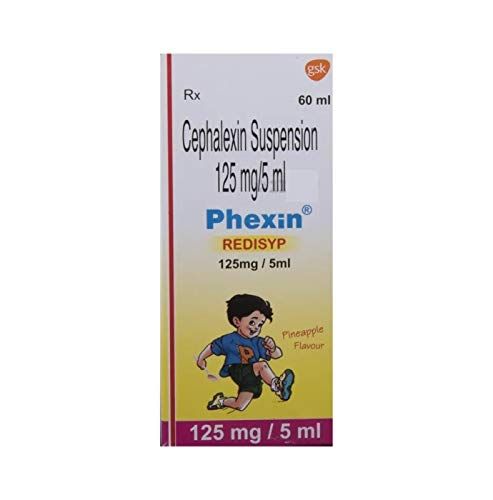
Calpol Infant Suspension 125mg/5ml
- ✓ 125 mg paracetamol per 5 ml
- ✓ Strawberry flavour, easy to measure syringe included
- ✓ Safe for infants from 2 months
* We earn a small commission — at no extra cost to you.
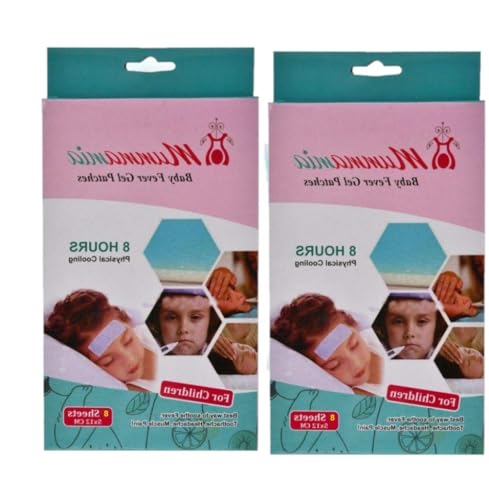
Gripper Baby Cooling Gel Packs (Set of 2)
- ✓ Reusable, non-toxic gel packs
- ✓ Soft fabric wrapping, safe for delicate infant skin
- ✓ Stays cool for 2–4 hours
* We earn a small commission — at no extra cost to you.
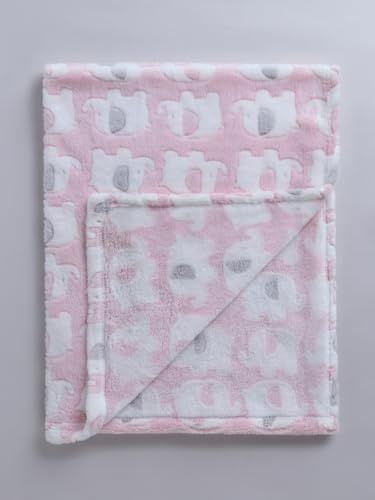
Mee Mee Smart Temperature Control Baby Blanket
- ✓ Lightweight cotton muslin, maintains optimal room temperature feel
- ✓ Breathable design prevents overheating during fever
- ✓ Machine washable, hypoallergenic
* We earn a small commission — at no extra cost to you.
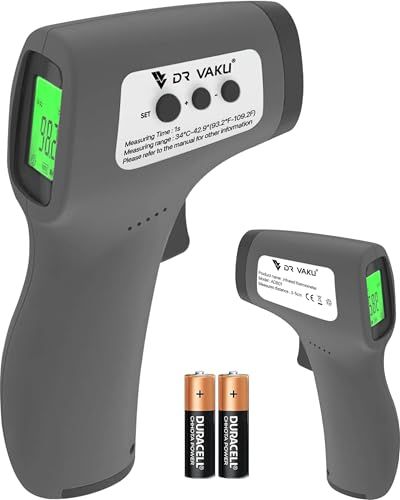
Babyhug Digital Thermometer (Non-Contact)
- ✓ Fast 1-second forehead reading
- ✓ ±0.3°C accuracy, no contact risk
- ✓ Fever alarm alert at 38°C
* We earn a small commission — at no extra cost to you.
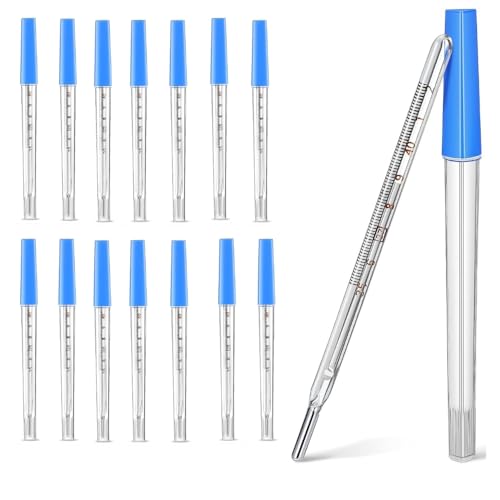
Chicco Rectal Thermometer (Clinical Glass)
- ✓ Most accurate method for infant fever (rectal)
- ✓ Fast 60-second reading time
- ✓ Mercury-free, shatterproof
* We earn a small commission — at no extra cost to you.