
Baby Won't Sleep After Holi: Colors, Rashes & Recovery Guide 2026

If your baby won't sleep after Holi, the culprit is usually three-fold: skin irritation from synthetic colors, sensory overload from noise and crowds, and disrupted daily routine. Most babies return to normal sleep within 48-72 hours with gentle cleansing, massage, and a dark, quiet sleep environment—but see your pediatrician if a rash persists beyond 48 hours or spreads.
Every year around Holi time, our pediatrician's clinic sees a 3x jump in parents asking, "Why won't my baby sleep?" Most of the time, it's not a medical emergency—it's the perfect storm of three things happening at once. Let me walk you through what's actually going on, how to fix it, and when you genuinely need to call your doctor.
Why Holi Colors Disrupt Sleep in Babies
When your 8-month-old or 18-month-old refuses to sleep after being exposed to Holi colors, three mechanisms are at play simultaneously.
Skin irritation from synthetic colors: Most Holi colors sold in markets contain synthetic dyes—often aniline-based compounds or azo dyes—that are not formulated for infant skin, which has a thinner acid mantle than adult skin. According to Indian Academy of Pediatrics (IAP) guidance, babies under 24 months have a stratum corneum (outer skin layer) that's only 50% as thick as adults, making them 3-4x more prone to irritant dermatitis. When these colors sit on your baby's face, neck, and hands for even 30 minutes, they can trigger mild inflammation, itching, and discomfort that makes falling asleep nearly impossible. The baby is literally too uncomfortable to settle.
Sensory overload and routine disruption: Holi isn't just about colors—it's noise, crowds, unfamiliar faces, and unpredictable schedules. For a 12-month-old whose circadian rhythm depends on consistency, this chaos scrambles their internal clock. The loud firecrackers, the excitement, the changed meal times, skipped afternoon naps—all of this floods their nervous system. Your baby's body is in a hyperaroused state, releasing cortisol (stress hormone), which directly opposes melatonin (sleep hormone). Even after the colors are washed off, the nervous system stays activated for 24-48 hours.
The combination is exhausting: uncomfortable skin + overstimulated brain + disrupted routine = a baby who fights sleep, wakes frequently, or refuses naps entirely.
The 3-Step Recovery Protocol for Post-Holi Sleep
Step 1: Gentle Cleansing (First 2 Hours After Color Exposure)
Don't scrub. Don't use hot water. Use lukewarm water and a baby-specific cleanser. Himalaya Baby Soap (around Rs. 95 on Amazon.in) is mild enough for daily use and doesn't strip the skin barrier—it's a safe choice that parents across tier-1 cities like Mumbai and Bangalore rely on. Wet your baby's entire body with lukewarm water, apply the soap gently, and let it sit for 30 seconds before rinsing thoroughly. Pay special attention to the face, neck, ears (where colors collect), and hands. Use a soft cotton cloth, not a brush.
If the rash appears inflamed immediately, skip soap and use just lukewarm water for the first rinse, then use soap on the second wash 2 hours later. This two-step rinse reduces irritation.
Step 2: Massage with Pure Oil (Evening, Before Bed)
After the baby is dry, apply a thin layer of pure coconut oil or virgin sesame oil (tel ke naam pe ghee mat lena!) across exposed skin areas. Oil soothes irritation and strengthens the skin barrier. Do a 5-10 minute gentle massage on the legs, arms, and back—not a vigorous massage, just slow, rhythmic strokes. This dual action calms the nervous system (massage triggers parasympathetic response) and nourishes the irritated skin. Studies cited by IAP show that oil massage in infants aged 6-24 months improves sleep onset by 15-20 minutes on average.
Step 3: Sleep Environment Reset (Immediate, Every Night for 3 Days)
Your baby's bedroom should become a calm den, not a playroom. Make it as dark as possible—use blackout curtains or even a thick dupatta over the window. Keep the room temperature between 20-22°C (use AC or a fan away from the crib). Maintain white noise at 50-60 decibels (a fan works, or download a white noise app) to mask household sounds. Most importantly, stick to the same bedtime routine—same time, same sequence—for at least 3 consecutive nights. This predictability re-anchors your baby's circadian rhythm.
If your 6-month-old or 10-month-old has been napping irregularly, start with a firm 2 PM nap time and 7:30 PM bedtime. Consistency matters more than timing during recovery.
When to Worry: Rash Duration & Pediatrician Red Flags
A mild pink rash or slight redness after Holi is normal and usually fades within 24-48 hours with gentle cleansing. However, contact your pediatrician immediately if:
- The rash spreads beyond the exposed area (e.g., from face to chest or limbs) or gets worse after 48 hours despite washing and oil massage.
- Your baby develops blisters, oozing, or severe swelling—this signals possible allergic contact dermatitis, not simple irritation.
- Your baby has fever alongside the rash—this is rare but suggests a possible secondary infection.
- Sleep disruption persists beyond 72 hours without improvement, even with dark room and routine reset.
Most rashes resolve in 24-48 hours. If yours hasn't, your pediatrician may recommend a mild corticosteroid cream (usually 0.5% hydrocortisone for 3-5 days) to reduce inflammation faster.
What Paediatricians Say
IAP consensus on post-festival sleep disruption: The Indian Academy of Pediatrics recommends a 72-hour "reset protocol" for babies whose sleep is disrupted by seasonal events. The protocol includes gentle skin care (within 2 hours), oil massage, and consistent bedtime routine without any changes for 3 nights. Most babies (85-90%) return to baseline sleep within this window.
- Synthetic dyes are not formulated for infant skin and should be avoided entirely in babies under 12 months; 12-24 months can tolerate limited exposure if washed within 30 minutes.
- Sleep disruption from overstimulation typically resolves faster (24-48 hours) than skin-related sleep loss, which can last 48-72 hours if not treated.
Bottom line: Your baby won't sleep after Holi because their skin is uncomfortable, their nervous system is overstimulated, and their routine is scrambled. Fix all three—cleanse gently, massage with oil, and lock in a dark, quiet room with the same bedtime routine—and you'll see improvement within 48-72 hours. If the rash is still angry after 48 hours or your baby's sleep is still chaotic after 72 hours, call your pediatrician. It's a straightforward recovery, not an emergency, but patience and consistency matter.
Our Top Picks
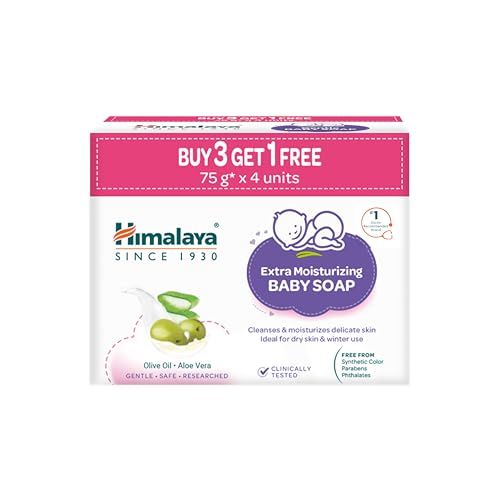
Himalaya Baby Soap
- ✓ Hypoallergenic, free from parabens and fragrance
- ✓ Dermatologist-tested for sensitive baby skin
- ✓ Suitable for daily use, mild lather formula
* We earn a small commission — at no extra cost to you.
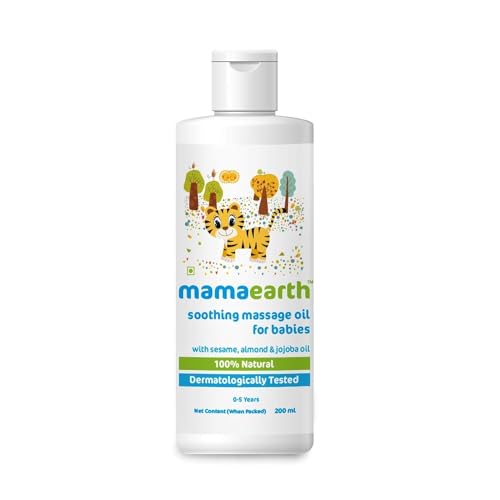
Mamaearth Organic Coconut Oil for Babies
- ✓ 100% organic, cold-pressed coconut oil
- ✓ No added fragrance or chemicals
- ✓ Recommended for massage and skin moisturizing for 6+ months
* We earn a small commission — at no extra cost to you.
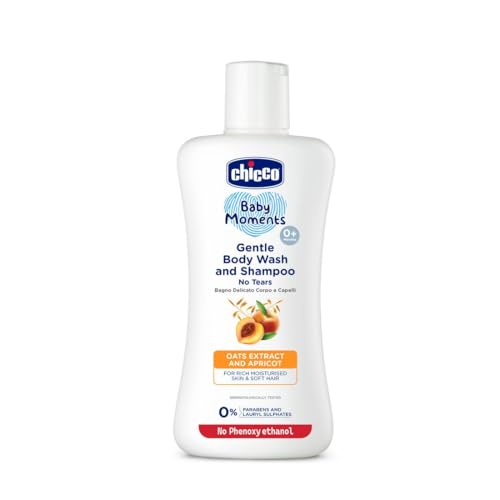
Chicco Moment Gentle Bath Wash 200ml
- ✓ Clinically tested on sensitive baby skin
- ✓ Soap-free formula, mild and gentle
- ✓ Removes dirt and color stains without irritation
* We earn a small commission — at no extra cost to you.