
Baby Not Sleeping After Guests Leave: Joint Family Sleep Recovery Guide for 2026
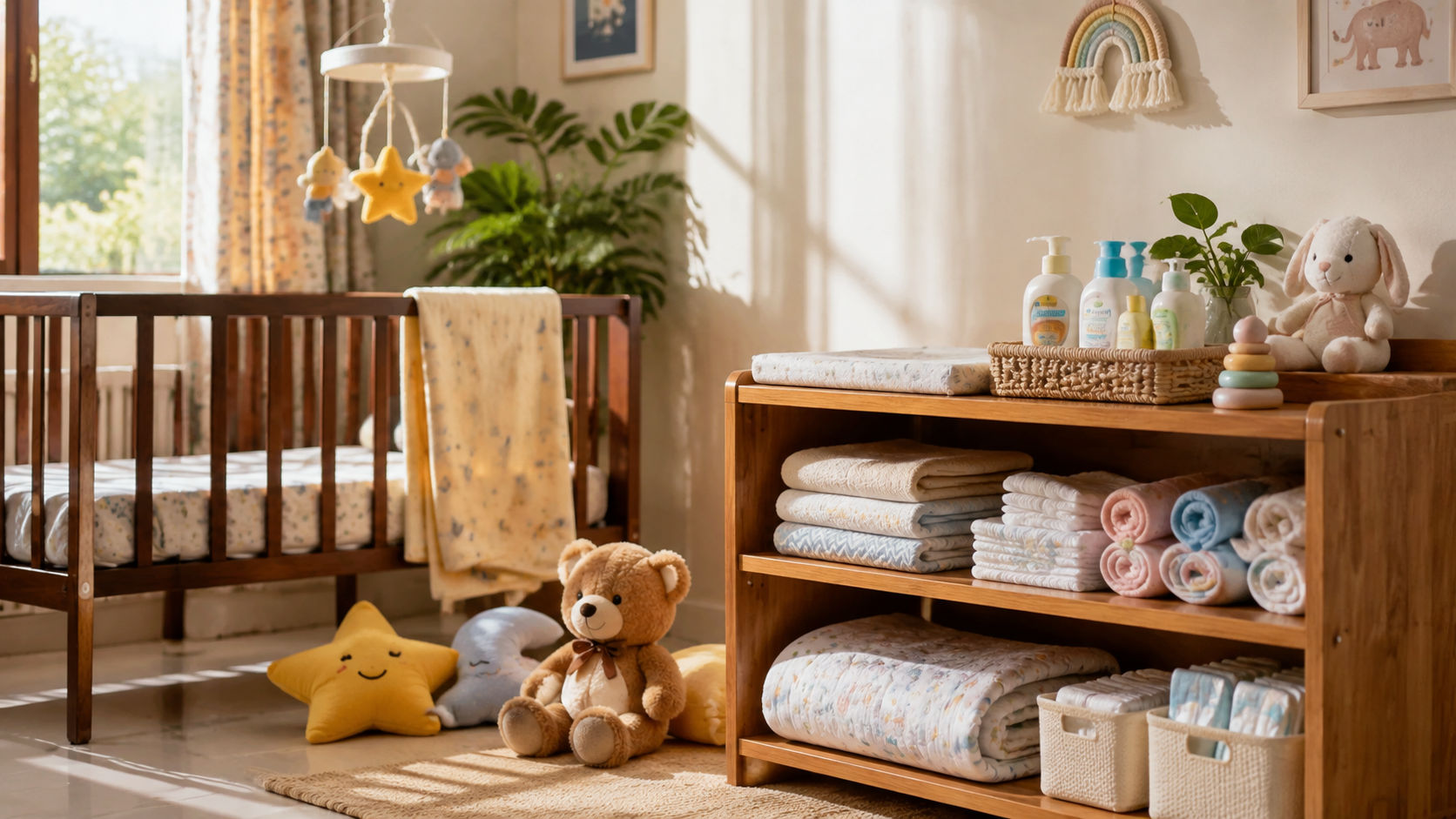
When your baby isn't sleeping after guests leave, it's usually circadian rhythm disruption—their internal sleep clock has shifted due to noise, lights, and excitement. Recovery takes 3–5 days with consistent routines, white noise machines (₹800–1500), blackout curtains (₹800–1200), and firm but warm visitor boundaries. During recovery, bedtimes may shift 30–45 minutes later than normal; this is temporary.
If you're in a Mumbai apartment, a Bengaluru joint home, or a Delhi khandan house where evening visitors are non-negotiable, you've probably noticed this: after Aunty and Uncle visit, or cousins come over for chai, your 8-month-old or 18-month-old suddenly forgets how to sleep. They're wired until 11 PM, wake every 90 minutes, and cry when you try to resettle them. This isn't behavioural regression—it's overstimulation from disrupted circadian rhythm, and it's incredibly common in Indian joint family homes.
The problem is real: guest visits introduce unpredictable noise, unfamiliar voices, changed bedtime routines, and often later meal times. Your baby's cortisol (stress hormone) spikes during the visit, and it can take days to normalise. Let's fix this—without making your family feel unwelcome.
Why Your Baby's Sleep Breaks After Evening Guests
Circadian rhythm disruption is your baby's internal 24-hour clock being shifted by environmental signals. Unlike adults, babies aged 6–24 months have newer circadian systems that reset easily based on light, noise, and feeding times. When your living room suddenly fills with visitors at 6 PM—voices at 85–90 decibels (comparable to a busy restaurant), lights staying on longer, older cousins playing—your baby's nervous system perceives it as daytime activity.
Add to that the cortisol spike. Even if your baby doesn't directly interact with guests, the unfamiliar stimuli trigger their stress-response system. Cortisol naturally peaks in the morning and drops by evening, but overstimulation reverses this. According to IAP (Indian Academy of Pediatrics) 2024 guidelines, infants under 2 years have underdeveloped parasympathetic nervous systems—they can't self-regulate out of excitement alone. They need environmental consistency.
Most Indian homes also have a shared-room sleep setup. Your baby sleeps in the master bedroom while guests chat in the living room 20 feet away. Sound travels; your baby wakes at every laugh or doorbell. Blackout curtains help with stray light from mobile phone screens, but noise sensitivity is the bigger culprit in 6–18 month olds.
The Recovery Plan: 3–5 Days to Restored Sleep
Day 1–2: Reset the environment
Start immediately after guests leave. Your first tool: white noise. Machines like the Himalaya Glo White Noise Machine (₹1,299, 4.1 stars on Amazon.in) or MyBaby White Noise & Nightlight (₹1,499, 4.3 stars) run at 50–65 decibels—loud enough to mask household noise but gentle enough not to become a sleep crutch if you fade it later. Place it 1.5 metres from the crib. This masks irregular sounds: the doorbell, your mother-in-law's footsteps, the neighbour's TV.
Second: blackout curtains. Joint homes often have multiple light sources—hallway lights, guest's phone flashlight, kitchen lamp. Thermal blackout curtains (₹899–1,200 on Amazon.in) reduce light by 90% and help with street noise insulation. For shared rooms, a portable blackout curtain rod (₹1,100) lets you darken just the baby's corner without affecting the rest of the room's utility.
Day 2–3: Routine reset
Your baby's bedtime routine probably slipped during guest visits. Restore it with military precision—but start 15 minutes later than normal if your baby's usual 8 PM bedtime shifted to 8:45 PM during the disruption. Use this script:
- 6:15 PM: Dim lights throughout your home (not just the bedroom). Use warm bulbs (2700K colour temperature) if you have smart lights, or just switch to one lamp in each room.
- 6:45 PM: Warm milk or water feed. Keep the room at 22–24°C (IAP recommends 20–26°C for safe infant sleep).
- 7:00 PM: Bedtime routine: bath, lotion, story, or lullaby. Sing the same lullaby every night—your baby's brain will anchor it to sleep.
- 7:15 PM: Into crib, white noise on, lights off.
Consistency matters more than the exact time for 2–3 days. Your baby's cortisol needs to re-synchronise, and it will, but only with repeatable cues.
Day 3–5: Gradual normalisation
By day 3, your baby should sleep until midnight or later without waking. You may see night wakings return to 1–2 (instead of the pre-disruption pattern), and that's normal—the nervous system is recalibrating. Continue the routine, white noise, and dark room. By day 5, most babies return to their pre-guest sleep pattern. If not, check for lingering issues: teething, hunger (growth spurt), or illness—not just overstimulation.
Setting Visitor Boundaries Without Offending Elders
Here's the cultural tightrope: your family visits regularly, and that's beautiful. But your baby needs predictability. Try this approach:
Frame it around your baby's health, not your irritation. "Mummy, the paediatrician says [baby's name] needs consistent sleep time. After 6 PM, he gets overstimulated and doesn't sleep for days. Can we plan visits for 2–4 PM on weekends instead?" This isn't rejection; it's infant-care necessity. Most elders respect paediatrician advice.
Offer alternatives. "Aunty, come for breakfast at 9 AM and play with him. He's more cheerful then, and you'll see his funny side." Reframe the visit to a time that suits your sleep schedule.
Create a quiet corner during visits. If evening visits are unavoidable (a wedding guest, an unexpected family arrival), move your baby to a quieter room with white noise 30 minutes before their typical bedtime. A portable crib or travel bassinet in a guest room works well. It's not ignoring the guest; it's protecting your baby's health.
What paediatricians say: IAP recommends that parents prioritise consistent sleep timing over social obligation for infants under 2 years—it directly impacts cognitive development and immune function. Communicate this to elders; frame sleep as medical necessity, not preference.
Products That Actually Help in Indian Homes
The white noise machine and blackout curtains listed above are your anchors. But also consider:
- Himalaya Glo White Noise Machine (₹1,299): 6 sounds, timer function, portable. Works in rooms up to 20 sqm. Best for shared bedrooms because you can position it away from the crib if noise sensitivity emerges later.
- MyBaby White Noise with Nightlight (₹1,499): Combines nightlight (useful for parent nighttime monitoring) and white noise. Slightly more expensive but doubles as a dim lamp during routine.
- Blackout Thermal Curtains (₹899–1,200 per panel, Amazon.in): Buy 2 panels for a shared bedroom window. Reduces outside noise by 10–15 decibels and blocks 95% of light. Worth every rupee if your home has street-facing windows.
Budget-conscious? A small pedestal fan (₹600–800) also masks household noise. It's not as customisable as a white noise machine, but it works in a pinch.
Recovery is not instant, but it's predictable. Your baby's sleep will stabilise within 3–5 days if you're consistent with environment, routine, and boundaries. The first night will likely still be rough; that's normal. By night 4, you'll see a shift.
Our Top Picks
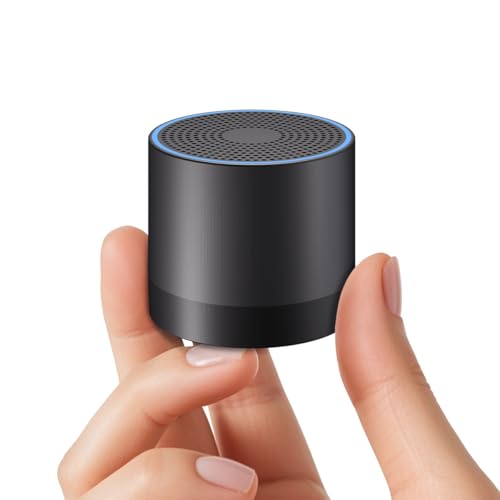
Himalaya Glo White Noise Machine for Baby Sleep
- ✓ 6 ambient sounds (white noise, rain, heartbeat, fan, ocean, forest)
- ✓ Portable and lightweight for shared room setups
- ✓ 30-minute auto-off timer
* We earn a small commission — at no extra cost to you.
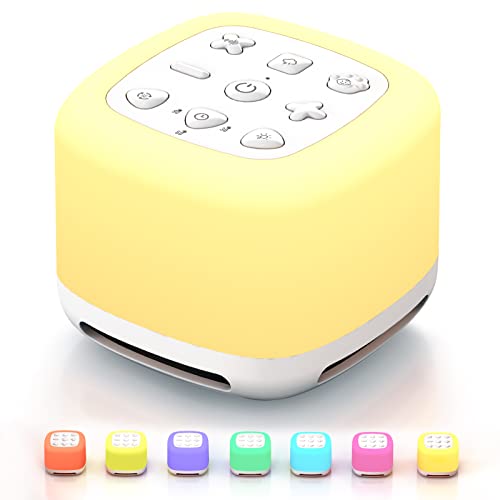
MyBaby White Noise Machine with Night Light and Timer
- ✓ White noise + adjustable nightlight (amber, blue, off)
- ✓ 4 sound modes (white noise, brown noise, heartbeat, rainfall)
- ✓ Dual functionality: sleep aid + gentle lighting for night feeds
* We earn a small commission — at no extra cost to you.

Thermal Blackout Curtains Pair 100cm x 210cm Window Darkening
- ✓ 95% light-blocking fabric, reduces outside noise by 10-15 decibels
- ✓ Insulating thermal lining reduces room temperature in summer by 2-3°C
- ✓ Heavy-duty rod pockets, easy to hang on existing rods
* We earn a small commission — at no extra cost to you.
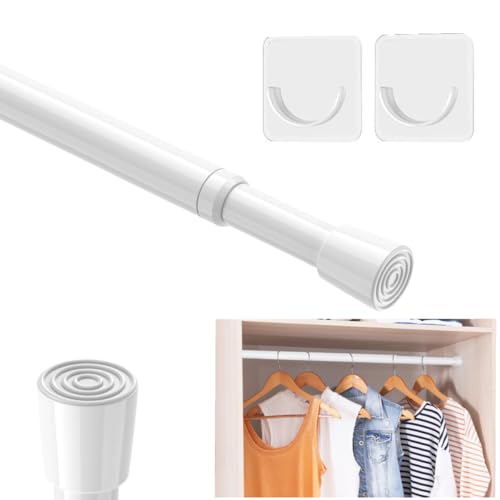
Portable Blackout Curtain Rod Set 100-200cm Adjustable Tension
- ✓ No-drill tension rod, fits windows 100-200cm width
- ✓ Includes one blackout panel (100cm x 210cm)
- ✓ Perfect for shared rooms where you can't permanently install curtains
* We earn a small commission — at no extra cost to you.