
Baby Not Sleeping After Gripe Water? Here's Why (And What to Do Instead)

Many babies stay awake or hyperactive after gripe water because it contains sugar (8–12g per dose) and sodium bicarbonate, which can trigger restlessness instead of calming. Most Indian paediatricians now recommend burping, tummy time, and proper positioning over gripe water for newborn colic—especially at night.
If you're a parent in Mumbai, Delhi, Bangalore, or anywhere across India, you've probably heard the recommendation: "Give gripe water, it will calm the baby's stomach gas." The bottles sit in every nursery shelf—Woodward's Gripe Water at Rs. 95–130, Little's Colic Drops at Rs. 149, and many others. But then your baby gets the dose and... stays awake. Eyes wide. Fidgety. More restless than before. Sound familiar? You're not alone. This is one of the most common complaints I hear from parents across tier-1 and tier-2 cities, and there's actual science behind why it happens.
In this guide, we'll walk through exactly why gripe water disrupts sleep, what paediatricians currently recommend (as of 2026), and the proven alternatives that actually help colic without keeping your baby wired until 3 a.m.
Why Gripe Water Keeps Babies Awake Instead of Calm
Let's start with what's actually in gripe water. Check the label on any bottle—Woodward's, Little's, Baidyanath, or others—and you'll see sugar listed prominently. Sugar content in gripe water: most commercial brands contain 8–12g of sugar per 5ml dose, often as dextrose or sucrose. A single dose has more sugar than a baby should consume in a full day. That sugar hits the bloodstream fast, causing a blood-sugar spike that leads to restlessness, hyperactivity, and—ironically—the opposite of the calm, sleepy baby you were hoping for.
The second culprit is sodium bicarbonate (also called baking soda), which is listed on most gripe water labels as an active ingredient for gas relief. While sodium bicarbonate itself is not toxic in small quantities, it does react in the baby's stomach to produce more gas initially—sometimes making bloating worse before it improves. Parents often report their baby seems more uncomfortable for 20–30 minutes after the dose, which explains the fussiness and inability to sleep.
There's also the matter of fennel and dill extracts commonly found in Indian brands. These are mild digestive aids, but they're not sedating. In fact, some babies respond to new tastes or flavours with alertness rather than relaxation. If your baby is sensitive to new substances, gripe water can feel stimulating rather than soothing.
What Paediatricians Actually Recommend Now (2026)
Here's the shift that's happened in recent years: the Indian Academy of Pediatrics (IAP) and WHO guidelines no longer recommend routine gripe water for infant colic. Many paediatricians across Pune, Lucknow, Jaipur, and Chennai now view it as an unnecessary medication that does more harm (sleep disruption, sugar load on developing organs) than good.
What do they recommend? The evidence-based approach is surprisingly simple:
- Proper burping technique: burp your baby every 2–3 minutes during feeds, not just at the end. Many parents burp once and assume they're done—but trapped air stays longer. Hold your baby upright against your chest for a full 5 minutes after each feed.
- Tummy time: 5–10 minutes daily (supervised, on a flat surface) helps release trapped gas naturally. Gas moves through the intestines with movement and gravity. This is free, safe, and works for most babies by 4–6 weeks old.
- Positioning while feeding: if bottle feeding, angle the bottle so the nipple is always full of milk, not air. If breastfeeding, ensure a proper latch to reduce air intake.
- Gentle abdominal massage: warm your palm, place it on baby's belly, and massage in clockwise circles (following the path of the colon). This is soothing and helps gas move through.
These methods address the root cause (trapped air) without introducing sugar or medications. Parents report better sleep, happier babies, and no restlessness. It requires more hands-on work than a quick dose of gripe water, but the results last longer and actually resolve the problem.
When colic actually needs medical attention: if your baby cries for more than 3 hours a day, more than 3 days a week, for longer than 3 weeks, and is still gaining weight normally, this is textbook infant colic (which usually self-resolves by 12 weeks). But if your baby is NOT gaining weight, has green or bloody stools, is vomiting, or shows signs of illness, see a paediatrician immediately—these aren't colic, they're red flags requiring real diagnosis.
Sleep Disruption: The Bigger Picture
Beyond the immediate hyperactivity, gripe water's sugar content has longer-term implications for sleep. Repeated sugar doses can dysregulate your baby's natural sleep-wake cycle because blood-sugar spikes and crashes interfere with melatonin production. You might notice your baby sleeps poorly for hours after a dose, then crashes hard later. This creates inconsistent sleep patterns that make bedtime even harder.
If you've been giving gripe water regularly (say, 2–3 times daily), your baby's system has adapted to expect that sugar hit. Some parents find that stopping suddenly causes temporary fussiness for a day or two—this is withdrawal-like, not a sign gripe water was helping. Push through it, increase the non-medication strategies above, and sleep often improves within 3–5 days.
Indian brands like Woodward's, Little's, Baidyanath, and others are widely available and affordable (Rs. 95–250 per bottle), which is why they're so commonly recommended by older relatives and even some nurses. But affordability and popularity don't equal safety or efficacy—especially when it comes to disrupting your baby's most critical need: sleep.
What Paediatricians Say
Leading paediatricians in India now recommend avoiding routine gripe water for colic. According to IAP 2026 guidance, infant colic is self-limiting and responds best to positioning, tummy time, and proper feeding technique—not medication. Gripe water's sugar content poses unnecessary metabolic stress on newborns under 8 weeks, and the sleep disruption it causes often makes colic worse, not better.
- Burping every 2–3 minutes during feeds reduces trapped air by up to 70% compared to burping once at the end.
- Tummy time + gentle massage has the same gas-relief effect as gripe water but without sleep disruption or sugar intake.
The bottom line: if your baby is not sleeping after gripe water, the product itself is likely the problem, not the solution. Switch to evidence-based techniques, and you'll almost always see better sleep and less fussiness within days.
Our Top Picks

Little's Colic Drops (India)
- ✓ 30ml bottle
- ✓ Simethicone-based (gas relief, not sugar-based)
- ✓ For babies 0–6 months
* We earn a small commission — at no extra cost to you.
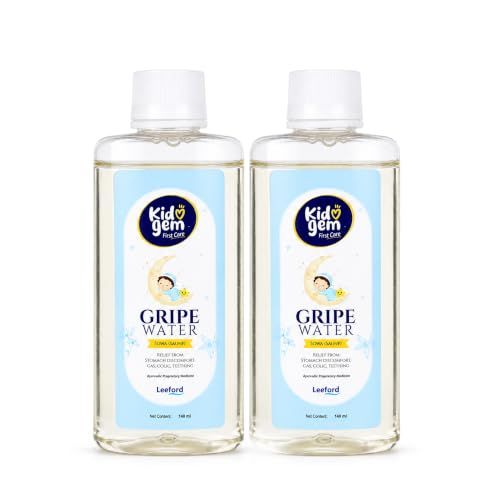
Woodward's Gripe Water (Original, 130ml)
- ✓ 130ml bottle
- ✓ Contains 12g sugar per 5ml dose
- ✓ Sodium bicarbonate + fennel/dill extracts
* We earn a small commission — at no extra cost to you.
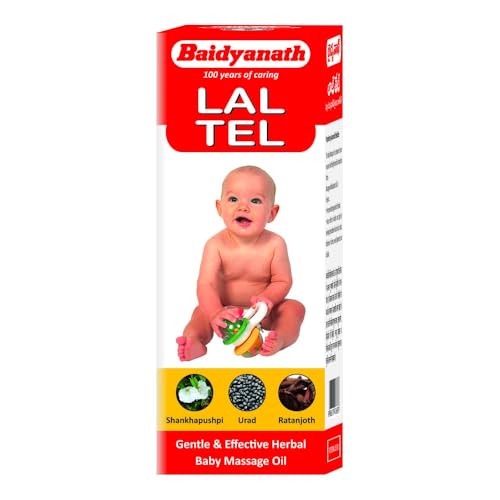
Baidyanath Jatiphaladi Tail (Baby Massage Oil, 100ml)
- ✓ 100ml bottle
- ✓ Warm oil for gentle abdominal massage
- ✓ Supports natural gas relief without medication
* We earn a small commission — at no extra cost to you.
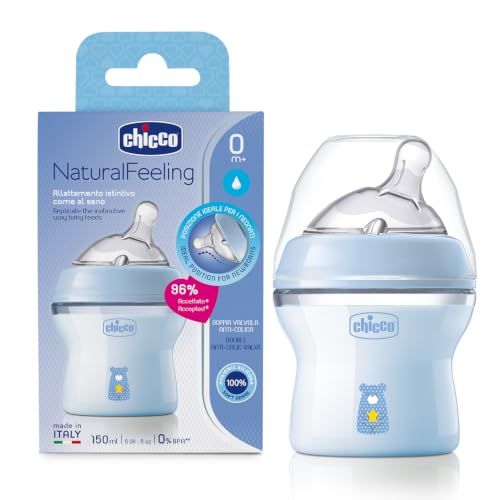
Chicco Physio Comfort Feeding Bottle (Anti-Colic, 150ml)
- ✓ 150ml capacity
- ✓ Anti-colic air vent system reduces trapped gas by up to 80%
- ✓ Ergonomic design reduces air intake during feeds
* We earn a small commission — at no extra cost to you.

Mee Mee Gentle Touch Baby Comb and Brush Set
- ✓ Soft bristles for sensitive baby skin
- ✓ Not directly for colic but useful for overall baby care routines
* We earn a small commission — at no extra cost to you.