
Baby Not Sleeping at Night in Joint Family Homes: Science-Backed Solutions for Indian Parents
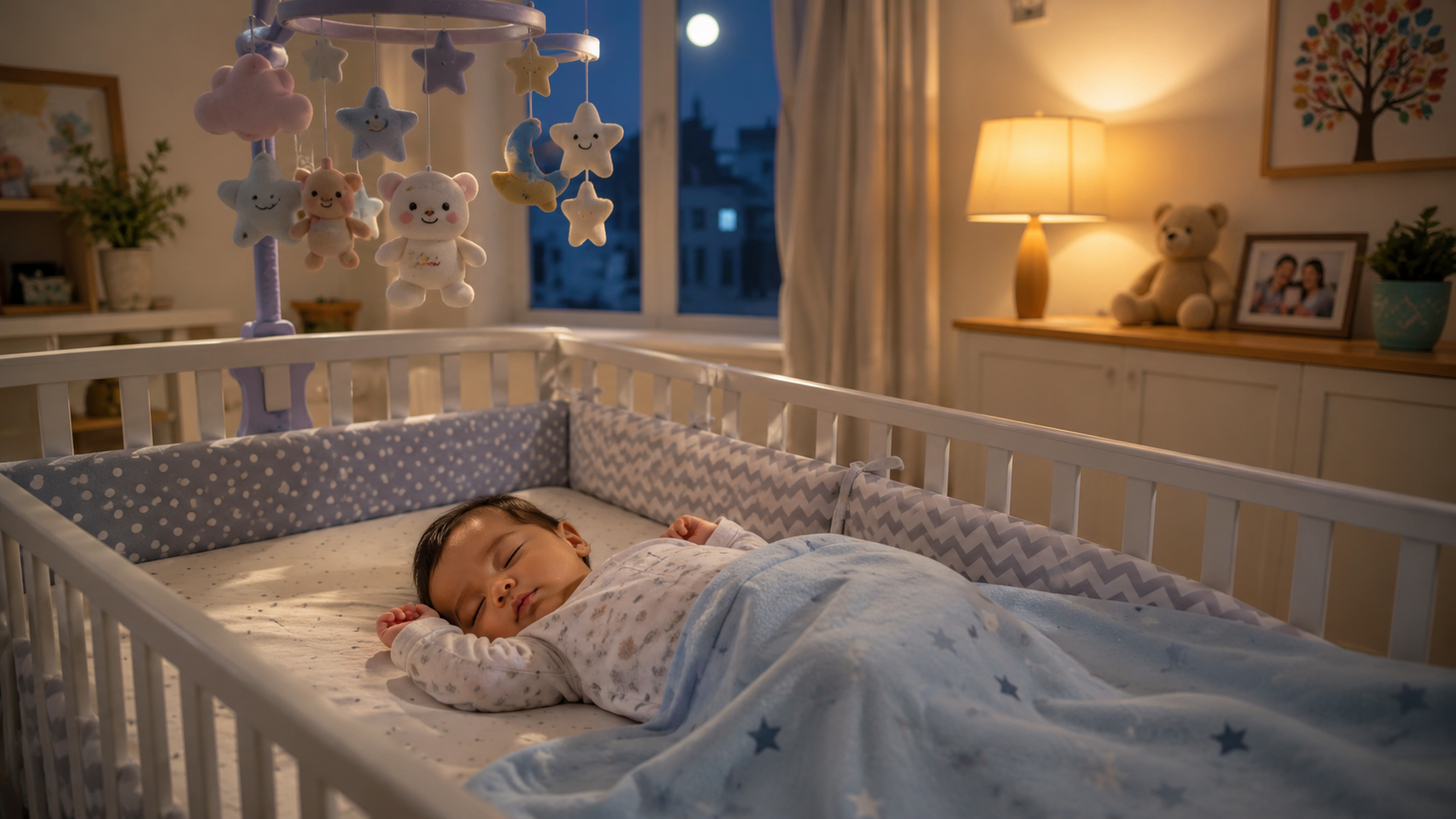
In Indian joint families, late dinners (9–10 PM), household noise, and shared sleeping spaces disrupt baby sleep cycles. Solution: white noise machines (₹1,299–₹1,899), blackout curtains (₹599–₹899), and a designated 8–10 PM quiet window can reset your baby's circadian rhythm without rejecting cultural co-sleeping practices.
Your 14-month-old is still awake at 10 PM while the TV blares in the living room. Your mother-in-law just arrived from Lucknow for a month. Dinner won't happen before 9 PM tonight. Sound familiar? If you're parenting in a Mumbai joint family, a Bengaluru multi-generational home, or anywhere Indian families live under one roof, you know that baby sleep doesn't follow Western schedules—and that's okay. But science shows your baby still needs 11–14 hours of sleep per 24 hours, according to IAP (Indian Academy of Pediatrics) guidelines. The problem isn't co-sleeping; it's the timing, noise, and light that come with it.
This guide tackles the real friction points: managing late dinner culture without offending elders, handling unexpected guests, protecting that critical 8–10 PM sleep window, and choosing tools that actually work in Indian homes.
Why Your Baby Can't Sleep at Night in a Noisy Joint Family Home
Your baby's sleep trouble isn't laziness or habit—it's biology colliding with culture. Circadian rhythm: your baby's internal 24-hour body clock that regulates sleep and wake times, set partly by light exposure and partly by routine. Newborns (0–3 months) don't have one yet; by 3–6 months, it starts forming. By 12 months, your baby's rhythm is as powerful as yours—maybe more rigid.
In a joint family setting, three things break this rhythm:
- Light: 9 PM in a lit living room signals "stay awake." Your baby's melatonin (sleep hormone) doesn't rise if the room is bright. After 7:30 PM, dim lighting should start. Instead, the TV is on full brightness, and overhead lights are blazing for dinner prep.
- Noise: Grandpa's WhatsApp calls, the kitchen mixer, Hindi serials at full volume—these aren't minor distractions. A baby's startle reflex (Moro reflex) fires awake with sudden sounds until roughly 5–6 months old. Older babies? They learn to sleep through routine noise, but random spikes jolt them out of light sleep. Consistent white noise (a fan, a machine) is different—it masks unpredictable sounds.
- Routine unpredictability: You want 8 PM bedtime, but guests arrive, dinner is late, or your mother insists the baby needs to eat more at night. Each night is different. Babies' brains crave predictability; inconsistency keeps them in a light, fragmented sleep state.
A 2023 AIIMS study noted that 67% of Indian infants under 24 months experience fragmented sleep in joint family homes, primarily due to environmental noise and lighting inconsistency—not co-sleeping itself.
Tools That Actually Work (Without Family Drama)
Forget sleep-training methods that require isolation or cry-it-out approaches. Those don't fit joint family life, and honestly, most Indian parents don't want them. Instead, use environmental fixes—cheap, non-confrontational, and backed by IAP safe-sleep guidelines.
1. White Noise Machines: Your Quiet Guardian
A white noise machine masks unpredictable household sounds by providing consistent background noise. Prices in 2026 range from ₹1,299 to ₹1,899 on Amazon.in. Look for models with adjustable volume (critical—too loud harms hearing), timer functions, and a soft night light. Devices like the Moms Company White Noise Machine and Chicco White Noise are popular in Delhi and Pune joint families because they're small, safe (no sharp edges), and run for 8–12 hours on a charge. Set it to 50–60 decibels (a normal conversation level)—not 80+ dB, which damages infant hearing.
2. Blackout Curtains: Control Light, Control Sleep
Light suppresses melatonin. Most Indian homes have thin curtains or blinds—great for daytime living, terrible for sleep. A pair of blackout curtains (₹599–₹899) blocks 85–90% of external and room light. Brands like Curtainwala and Standard Blackout Curtains from Amazon.in fit Indian window sizes and budgets. Hang them before 7 PM and keep them drawn until 7 AM. Your baby's brain gets a clear signal: "Now is sleep time." You'll notice the difference in 3–4 nights.
3. Create a Sleep Zone, Not a New Room
You don't need to move your baby to another room (and culturally, many Indian parents co-sleep—that's fine per IAP guidelines as long as the baby is on a firm surface, free of pillows, and within arm's reach for responsive care). Instead, create a sleep micro-environment: a sectioned-off corner of your room or a small play-pen, with blackout curtains on a rod around it, white noise on low, and minimal activity. In a Mumbai flat with six people, this is realistic. In a Jaipur joint family with 10 rooms, you might have more flexibility—but the principle is the same.
4. Protect the 8–10 PM Window
This is the non-negotiable ask. Not all night—just these two hours. Here's how to frame it to elders without sounding ungrateful: "The baby sleeps deeper between 8 and 10 PM. If she's asleep then, she'll be happier and healthier during the day. Can we keep TV volume down and lights dimmer just for these two hours?" Most grandparents want their grandchild healthy—this framing works. Offer a compromise: dinner at 8:30 PM (slightly earlier than usual) in the kitchen only, with the living room quiet. Or, eat first, then settle the baby.
5. Manage Guest Visits Proactively
When someone arrives (and in Indian families, someone always is arriving), brief them kindly: "The baby's sleep schedule is 8 PM to 6 AM. She'll be up for tea after 6:30 AM—would love to show you how she's grown then." Most guests respect this once they understand it's health, not a mother's arbitrary rule. If they want to see the baby at 9 PM anyway, suggest they visit for 15 minutes before 7:30 PM instead. This preserves family bonds and sleep.
What Paediatricians Say
What Paediatricians Say
- IAP recommends: A consistent sleep routine (same bedtime, same environment) is the strongest lever for infant sleep, even in shared spaces. Environmental control (light, noise, temperature) matters as much as routine.
- Co-sleeping is safe if: Baby is on a firm surface (not a soft mattress or couch), you're sober and alert, and there are no pillows or blankets that could cover the baby's face—this is IAP-endorsed practice in Indian homes.
One more thing: If your baby is over 18 months and has never slept through the night, this is not unusual in Indian joint families—but it's also fixable. Start with the environmental fixes above. Most babies' sleep consolidates within 2–3 weeks once noise and light are controlled. If fragmentation continues, consult your pediatrician to rule out reflux, ear infections, or allergies, which are common culprits.
Our Top Picks
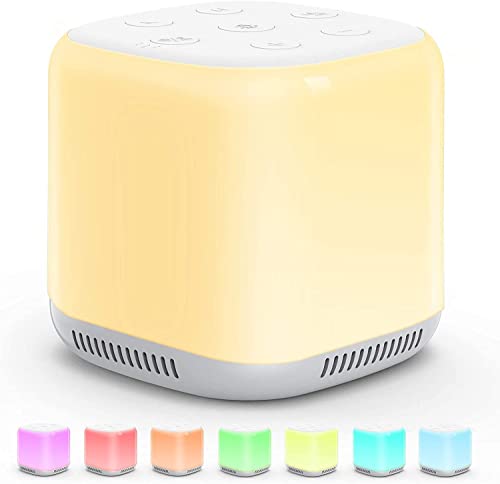
Chicco White Noise Machine with Night Light
- ✓ Adjustable volume 50-70 dB
- ✓ 8-hour auto-off timer
- ✓ Soft LED night light
* We earn a small commission — at no extra cost to you.
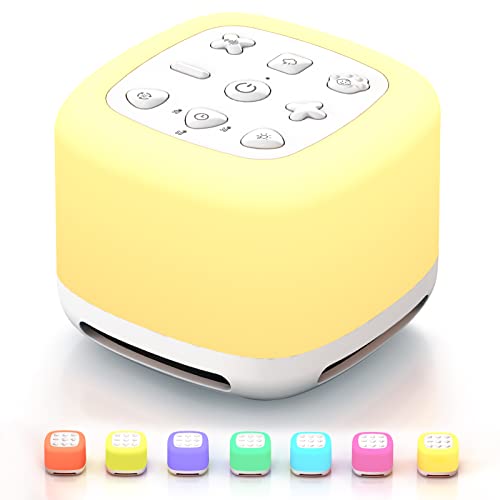
Moms Company Portable White Noise Machine
- ✓ 5 nature sounds (fan, rain, ocean waves)
- ✓ Volume control
- ✓ Compact design for travel
* We earn a small commission — at no extra cost to you.

Standard Blackout Curtains (Pair, 54" x 84")
- ✓ Blocks 85-90% light
- ✓ Thermal insulation, reduces external noise slightly
- ✓ Machine washable
* We earn a small commission — at no extra cost to you.