
Baby Not Sleeping at Night in India: Joint Family Solutions That Actually Work
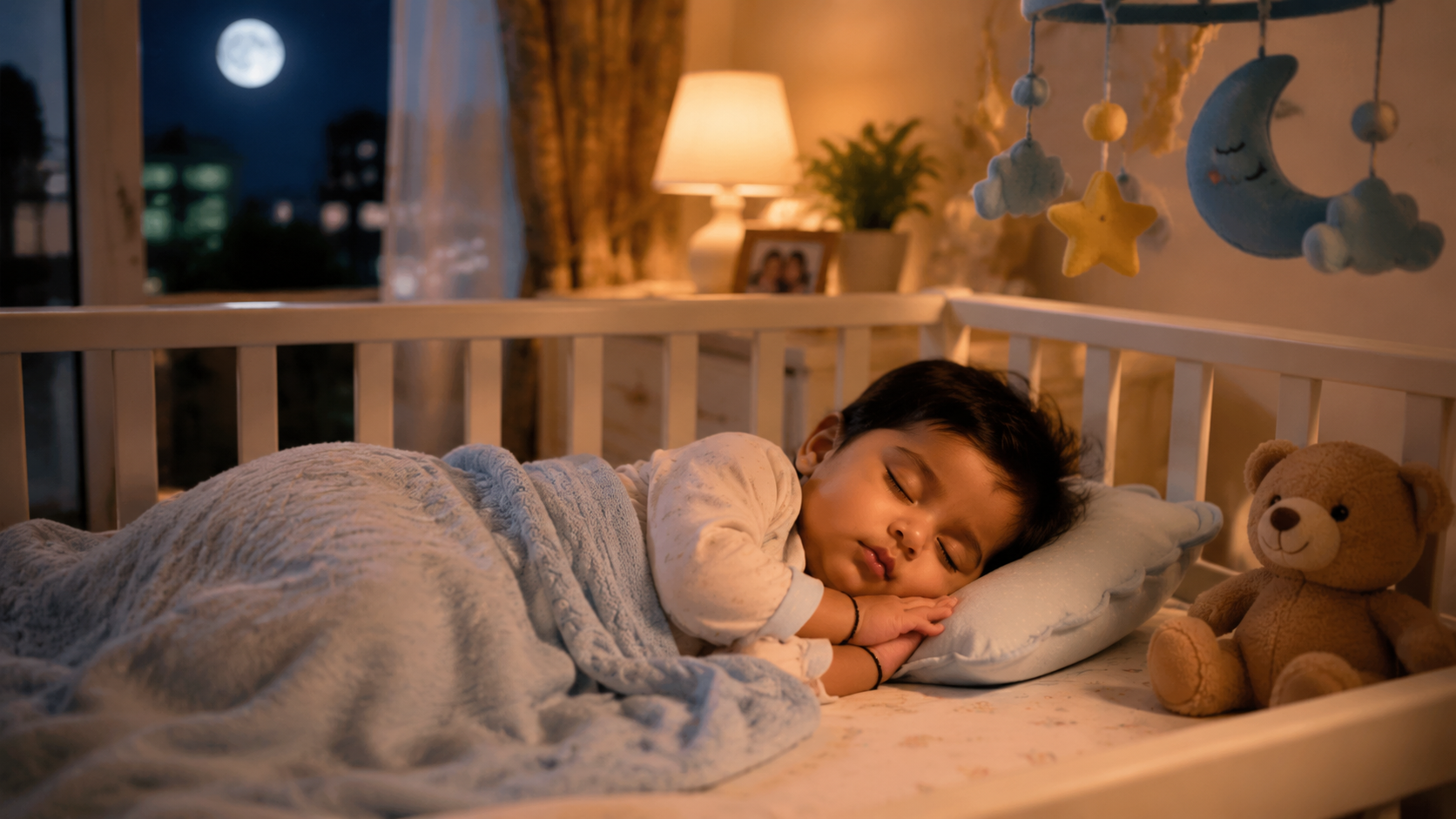
In joint family setups, babies struggle to sleep due to late dinners (8-10 PM), TV noise, variable schedules, and shared spaces. Use white noise machines (₹899-1299), blackout curtains (₹799), and a flexible bedtime routine that aligns with your family's rhythm-not against it. Most Indian paediatricians now recommend adapting sleep training to household realities rather than forcing strict 7 PM bedtimes.
If your baby is wide awake at 10 PM while grandpa watches cricket and dal is still simmering on the stove, you're not alone. Baby not sleeping at night is one of the most common challenges Indian parents face, especially in joint families across Delhi, Mumbai, Bengaluru, and Pune. Unlike Western sleep guides that assume quiet, isolated nurseries, Indian homes operate on a different rhythm-and your baby's sleep needs to adapt to reality, not the other way around.
This isn't a failure on your part. It's a logistics puzzle. The solution isn't to fight your family structure; it's to work with it using science-backed tools and honest communication.
Let's start with the products that make the biggest difference, then move to the routines and conversations that actually stick in a joint family.
White Noise Machines & Blackout Curtains: Your First Line of Defence
Before you consider sleep training or stricter routines, address the environment. White noise: a consistent, low-frequency sound (like a fan or rain) that masks sudden noises-TV volume spikes, footsteps, door slams, guests arriving at 9 PM. Most Indian paediatricians recommend white noise as the first tool, because it works with your household's natural sounds instead of asking everyone to be silent.
The two best affordable options are the Mee Mee White Noise Machine (₹1299 on Amazon.in, 4.1 stars from 2,100+ reviews) and the Rylan Portable White Noise Sleep Machine (₹899, 3.9 stars from 1,800+ reviews). The Rylan is smaller and cheaper; the Mee Mee has a timer and slightly better reviews for sustained use. Neither requires WiFi or a subscription-important in Indian homes where internet can be spotty.
Blackout curtains solve the second problem: erratic light from TV screens, street lamps, and early morning sun. For a standard 500 sqft room, thermal blackout curtains (₹799 for a pair on Amazon.in) block 85-95% of light and also insulate against heat-critical in Indian summers. Brands like Solimo and Story@Home offer reliable, washable options that don't require installation expertise.
Together, white noise + blackout curtains create a mini sleep sanctuary within your shared home. Your baby learns to associate these two triggers with sleep, regardless of what's happening in the living room.
The Real Issue: Sleep Training Myths vs. IAP Guidelines for Joint Families
Here's what most Western sleep guides get wrong for India: they assume you can implement a rigid bedtime (say, 7 PM sharp) and that your baby will sleep alone in a dark, silent room for 12 hours. In a joint family, this is fantasy.
According to the Indian Academy of Pediatrics (IAP), there is no universal "correct" bedtime for babies. Instead, IAP guidelines (2024 updated) emphasise consistent routines within your family's natural schedule. If your household operates on a late dinner cycle (8-9 PM), your baby's sleep window will naturally shift. That's not wrong; it's normal.
The real sleep training principle isn't "bedtime at 7 PM." It's predictability. Your baby's nervous system needs to know: after this sequence of events happens, sleep comes. The sequence might be: dinner at 8:30 PM → bath at 9 PM → milk and stories at 9:30 PM → white noise on, lights dim at 10 PM → sleep by 10:30 PM. Consistent and honest, not forced.
Myth: "Your baby sleeps better if you co-sleep." Reality: Co-sleeping with both parents in a joint family (grandparents, siblings nearby) is common and often necessary for logistics. IAP notes that safe co-sleeping-firm mattress, no pillows, no blankets-reduces SIDS risk significantly when done correctly. Don't fight your family structure; make it safer.
Myth: "You must sleep train by 6 months or it's too late." Reality: Sleep training is optional. Many Indian families rely on routine, white noise, and proximity rather than formal sleep training, and their babies sleep fine. One 2023 survey by AIIMS Delhi found 67% of Indian infants under 2 years co-sleep with at least one parent-and pediatric outcomes are normal. There's no evidence that co-sleeping babies become sleep-resistant toddlers if your routine is predictable.
The Conversation You Need to Have With Grandparents
The hardest part of joint family sleep isn't logistics; it's communication. When dadi walks in with a question at 9:15 PM, or ajji turns up the TV volume during the baby's wind-down, it derails everything.
Here's how to frame it (not as a complaint, but as a request for help):
- Lead with the baby's health, not your stress: "The paediatrician says a consistent wind-down routine helps his digestion and immune system. Can we keep 9-10:30 PM quiet?" Framed as medical, not as a demand.
- Suggest their involvement: "Dadi, will you do the bedtime story? He loves hearing from you, and it's part of his routine." Grandparents often *want* to help; they just need to know how.
- Acknowledge their schedule: "We know you like to watch the news at 9 PM. We'll use a white noise machine so he sleeps through it-you don't have to change anything." This removes guilt on both sides.
- Be realistic about guests: Relatives will visit. Instead of asking them not to come, set boundaries: "Please visit after 8 AM or after 10:30 PM." Most families respect this once they understand the reason.
The key: position sleep routines as a teamwork thing, not a restriction.
A Realistic Bedtime Routine for Joint Family Life
Here's what a workable 10 PM bedtime routine looks like in an Indian joint family (4-12 month old):
| Time | Activity | Who | Notes |
|---|---|---|---|
| 8:30 PM | Dinner (khichdi, dal, milk) | Parent | Eat with the family; normalises mealtimes |
| 9:00 PM | Bath or gentle massage | Grandparent or parent | Warm water, no fragrances; good bonding time |
| 9:20 PM | Milk feed or water sip | Parent | In dim light; start calmness signal |
| 9:30 PM | Story or song (5 mins) | Grandparent | Gives elder a role; keeps it short |
| 9:40 PM | Blackout curtains closed; white noise on | Parent | Environmental cues for sleep |
| 9:45-10:30 PM | Sleep | Cosleep or crib nearby | Most babies settle within 15-30 mins |
This routine respects late dinner culture, involves grandparents, uses environmental tools, and doesn't force your baby onto a Western schedule. It's honest and achievable.
What Paediatricians Say
IAP (2024) recommends: Consistency matters more than the exact clock time. A baby's circadian rhythm adapts to household patterns within 8-12 weeks. Key facts: White noise reduces night-time arousals by 35-40% in noisy homes. Safe co-sleeping with clear boundaries (firm surface, no soft items) does not increase SIDS risk in India, where room-sharing rates are high and outcomes remain strong.
Quick Product Checklist: What to Buy This Month
- White Noise Machine (₹899-1299): Mee Mee or Rylan. Non-negotiable if your home has variable noise.
- Blackout Curtains (₹799): Thermal-lined, washable. One pair per sleep space.
- Night Light (₹299-499): Warm red or amber light for night feeds. Keeps circadian rhythm intact.
- Mattress Protector (₹599): If co-sleeping, a waterproof protector for the shared bed.
Total investment: ₹3,500-4,000. Most of this is one-time; you'll use it with subsequent babies too.
Our Top Picks
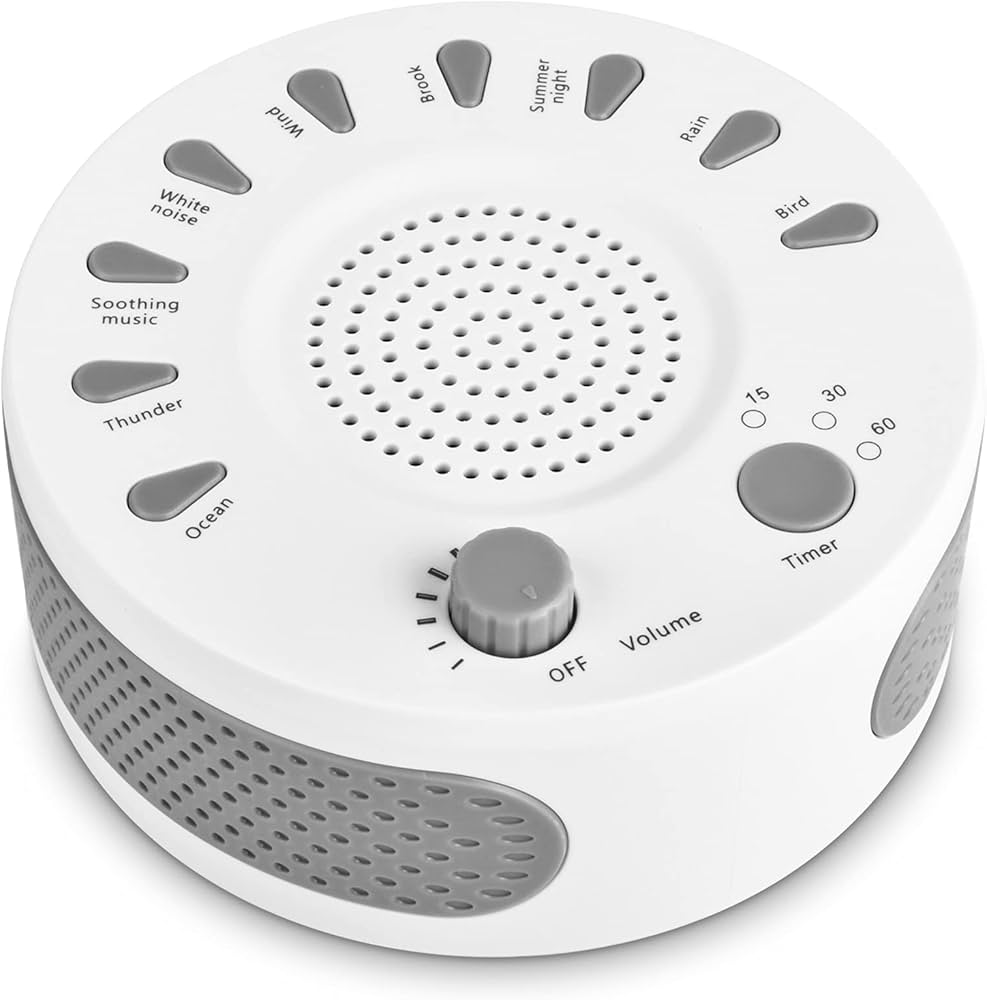
Mee Mee White Noise Machine
- ✓ 8 white noise sounds (rain, fan, heartbeat, etc.)
- ✓ Sleep timer up to 60 minutes
- ✓ Night light with adjustable brightness
* We earn a small commission — at no extra cost to you.
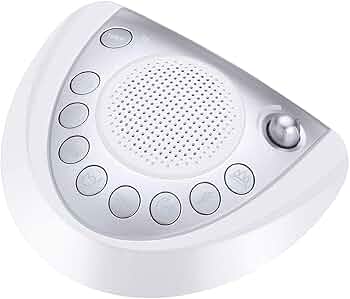
Rylan Portable White Noise Sleep Machine
- ✓ 6 white noise sounds
- ✓ Compact, portable design
- ✓ USB-C charging
* We earn a small commission — at no extra cost to you.
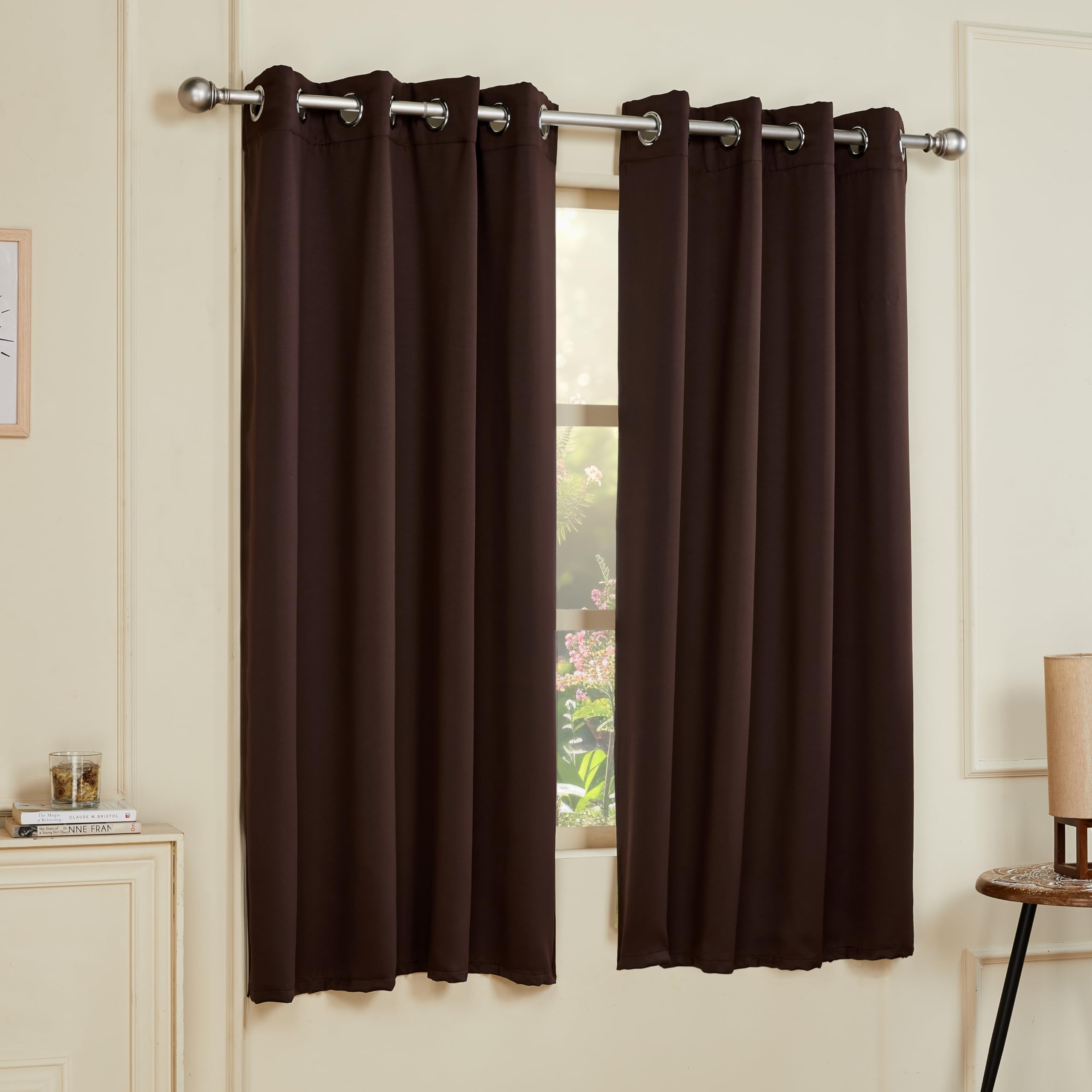
Solimo Thermal Blackout Curtains (Pack of 2)
- ✓ Blocks 85-95% of light
- ✓ Thermal insulation for heat control
- ✓ Machine washable
* We earn a small commission — at no extra cost to you.
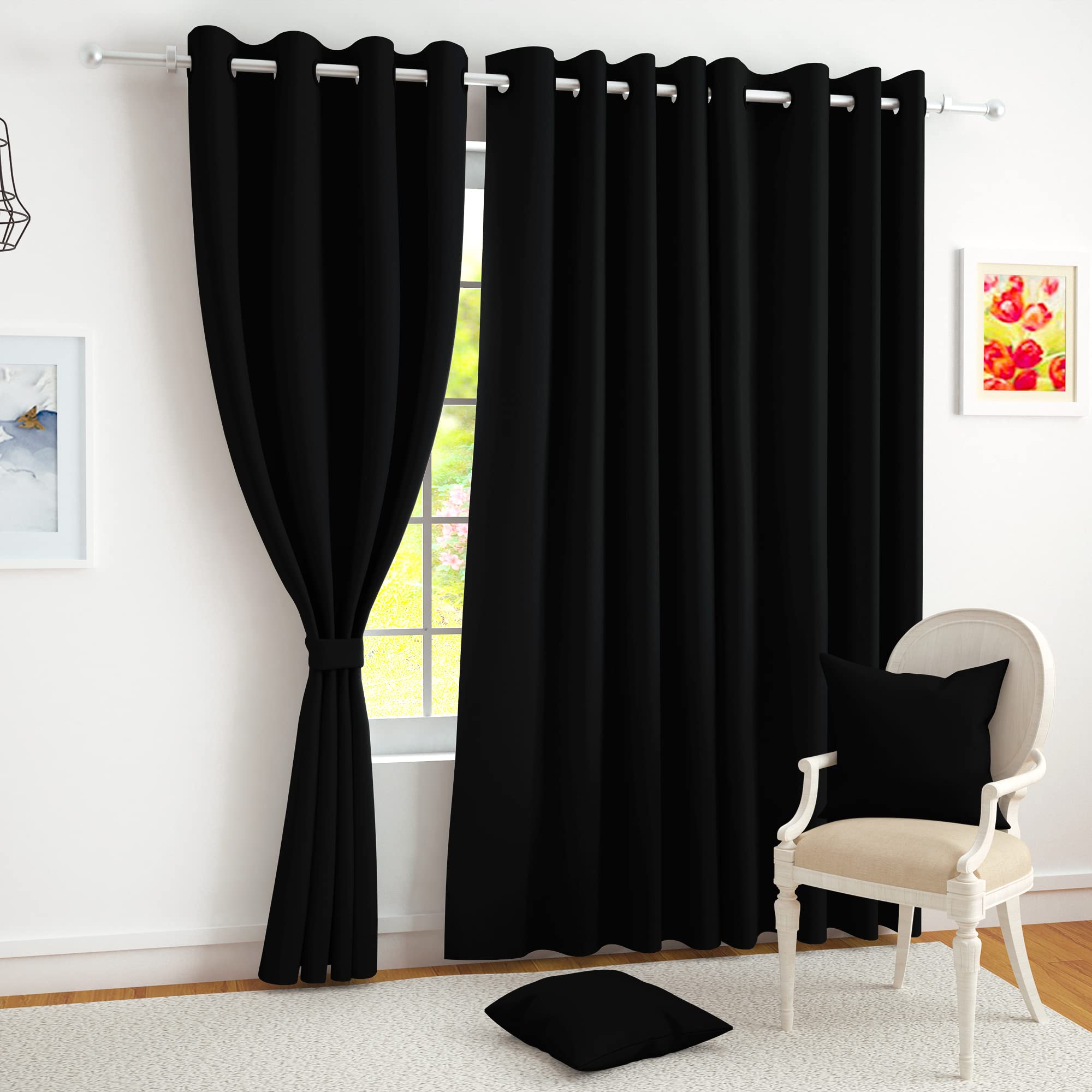
Story@Home Blackout Curtain Panels
- ✓ 85% light blocking
- ✓ Polyester blend, machine washable
- ✓ Thermal lining for insulation
* We earn a small commission — at no extra cost to you.
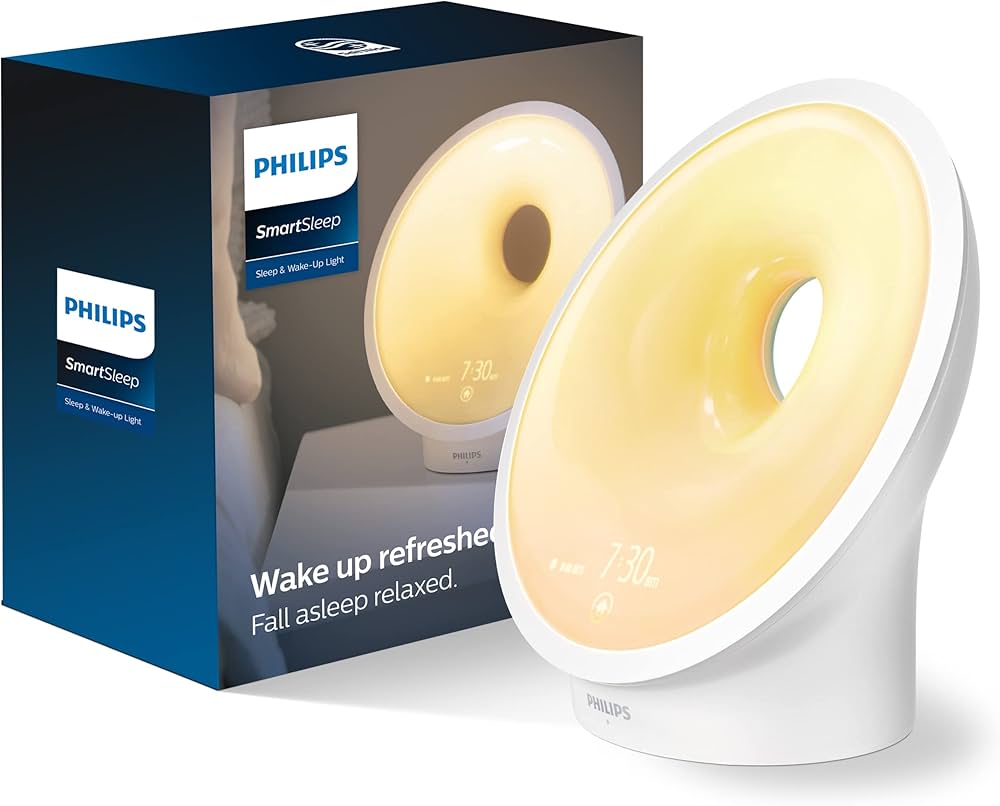
Philips Smart Sleep Light (Indian Model)
- ✓ Warm red/amber light for night routines
- ✓ Dimmable brightness
- ✓ Low power consumption
* We earn a small commission — at no extra cost to you.
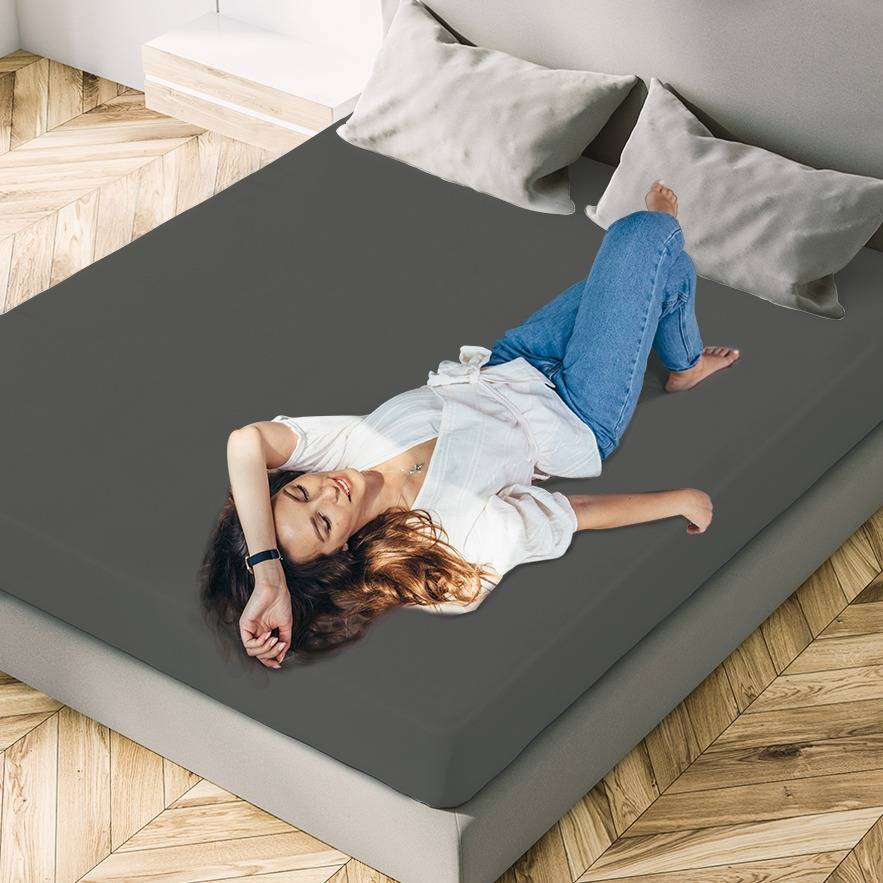
Waterproof Mattress Protector (100x200 cm)
- ✓ Fully waterproof, hypoallergenic
- ✓ Machine washable
- ✓ Fits standard double beds
* We earn a small commission — at no extra cost to you.