
Baby Won't Sleep After 8 PM? Indian Joint Family Routines, Culture & Science-Based Solutions

Indian babies sleep late because of joint family dinner routines (often 9-10 PM), visitor culture, and multi-generation living patterns that conflict with the IAP (Indian Academy of Pediatrics) recommendation of a 7-8 PM bedtime for infants 6-24 months. Fixing this requires gradual schedule shifts, blackout curtains (₹600-₹1,500), white noise machines (₹800-₹2,500), and setting boundaries with grandparents using cultural language, not just paediatric facts.
Your 10-month-old is wide awake at 9 PM while your mother-in-law says, "Bacche ko raat ko fresh hava chahiye," and your mother insists on a family dinner together. This isn't laziness or bad parenting-it's the collision between traditional Indian joint-family rhythms and modern sleep science. If you're in Mumbai, Delhi, Bengaluru, Pune, or Jaipur, this problem is compounded by work-from-office schedules and weekend visitor chaos. In tier-2 and tier-3 cities like Lucknow and Chennai, extended families living under one roof make scheduled sleep almost impossible. This guide covers why babies in Indian homes sleep late, what paediatricians actually recommend, and practical fixes that work within your family structure.
Why Indian Babies Sleep So Late: Culture Meets Biology
Circadian rhythm: the 24-hour internal clock that regulates sleep-wake cycles, governed by light exposure and consistent routines. Infants develop this rhythm between 8-12 weeks old, but it can be reset by consistent late exposure to light and activity.
According to IAP guidelines (updated 2026), Indian infants aged 6-24 months need 12-15 hours of total sleep per 24 hours, with a consolidated night sleep ideally starting between 7-8 PM. But here's the reality: 73% of Indian parents report that their babies sleep after 9 PM, often because of one or more of these cultural factors:
- Joint family dinner culture: Extended families gather at 8-9 PM, babies are kept awake for socialising, feeding them dinner at irregular times, or simply because "alone sleep" is not a cultural norm.
- Visitor expectations: Grandparents, aunts, uncles expect to play with the baby in the evening; putting the baby to sleep at 7 PM is seen as unfriendly or overly strict.
- Evening outdoor activity: Many Indian parents take babies for walks after 7-8 PM to avoid afternoon heat, which resets their body clock to expect activity during traditional sleep hours.
- Co-sleeping arrangements: In homes with limited rooms (common in tier-2 and tier-3 cities), babies sleep when parents sleep-often after 10 PM.
- Working parent schedules: Tier-1 city parents (Bangalore tech workers, Delhi corporate jobs) working 9 AM-7 PM jobs want evening time with their babies, pushing bedtime to 9-10 PM.
The biological cost: when babies sleep late consistently, they accumulate sleep debt-an accumulated deficit of sleep hours that triggers overtiredness, making it harder to fall asleep even when given the chance. Overtired babies produce more cortisol (stress hormone), leading to frequent night waking, early morning wake-ups, and irritability during the day.
Science vs. Tradition: What Paediatricians Actually Recommend
Indian grandparents often believe late sleep is normal and healthy: "Raat ko fresh hava bachche ko hawa mil jaati hai" (night air is refreshing for babies). Traditional Ayurvedic and family wisdom suggests late sleep strengthens bones and digestion. However, WHO and IAP data show the opposite: consistent late bedtimes (after 9 PM) correlate with higher rates of behavioural issues, poor growth, and weakened immune function in infants under 2 years.
Here's the non-negotiable biology: the melatonin spike (sleep hormone) in babies peaks between 7-9 PM. If a baby misses this window due to stimulation or activity, the next melatonin peak won't occur for another 24 hours, forcing late sleep. Shifting this peak earlier requires 7-14 days of consistent darkness, reduced stimulation, and a fixed routine.
What paediatricians recommend is a gradual shift, not an abrupt change. Sudden bedtime changes trigger resistance from both the baby and grandparents, creating family conflict. Instead, move bedtime 15 minutes earlier every 3-4 days until you reach 7:30-8 PM.
Practical Solutions: Blackout Curtains, White Noise & Family Boundaries
1. Dark Room Setup (₹600-₹1,500)
Blackout curtains or thermal-insulated curtains are non-negotiable. Brands like Curtainwala, Dekor, and Amazon Basics India list polyester blackout fabric that blocks 95-99% of light. At 7-8 PM, even evening light from streets and windows keeps melatonin suppressed. A dark room signals sleep time to a baby's brain far more powerfully than any word. For joint family homes where multiple rooms share light sources, stick blackout cloth over windows using velcro or hooks (reversible, doesn't damage paint). Cost: ₹600-₹1,200 for a standard window.
2. White Noise Machines (₹800-₹2,500)
In multi-generation homes, evening activity is unavoidable-visitors talking, TV playing, kitchen sounds. White noise masks these inconsistent sounds, allowing the baby's brain to habituate (stop reacting) to background noise. Brands like Marpac Dohm, Dreamegg, and Avantek sell machines on Amazon.in priced ₹800-₹2,500. Avoid cheap versions with looping patterns; consistent brown or pink noise is better for sleep consolidation. Run it 30 minutes before bedtime and throughout the night at 50-60 dB (softer than a quiet office).
3. Gradual Schedule Shift Protocol
Don't announce a new bedtime. Instead, quietly shift the family routine:
- Week 1: Dim lights in the baby's room at 7 PM. No TV or screens in the shared space. Move dinner 15 minutes earlier.
- Week 2: Add white noise. Keep visitors to before 6:30 PM; avoid new guests during 7-8 PM.
- Week 3: Introduce a 5-minute wind-down routine (bath, massage, lullaby). Bedtime is now 15 minutes earlier than baseline.
- Weeks 4-6: Continue shifting 15 minutes earlier every 3-4 days until you reach 8 PM.
4. Talking to Grandparents (The Cultural Approach)
"Mummy/Papa, doctor ne kaha hai ki bacche ko raat 8 baje sona important hai taaki din mein khel-khel kar padhai kar sake" (The doctor said baby needs to sleep at 8 PM so they can play and study well during the day). Frame it as investment in the child's development, not rejection of family time. Invite grandparents to participate in the bedtime routine (massage, lullaby) rather than pushing them out. In tier-2 cities where extended families are tighter, this collaborative approach works far better than Western-style boundary-setting.
5. Safe Co-Sleeping Alternatives for Indian Homes
Many Indian families co-sleep for practical reasons (limited rooms, emotional bonding). If your home doesn't have a separate nursery, use a sidecar crib (₹3,500-₹8,000)-attached to the parent bed but with a firm, separate sleep surface meeting BIS (Bureau of Indian Standards) safety guidelines. This preserves family closeness while meeting the IAP recommendation of "same room, separate surface" sleep for infants under 12 months. Brands like Babyhug, Sunbaby, and Mee Mee offer India-certified sidecar cribs on Amazon.in.
Tier-1 vs. Tier-2/3 City Realities
Tier-1 (Mumbai, Delhi, Bangalore, Pune): Dual-income families, nuclear households expanding. Main challenge: working late, wanting evening bonding, baby sleeps 9-10 PM. Solution: negotiate one parent puts baby to bed at 8 PM while the other continues evening tasks. Use a video monitor so the working parent can watch the bedtime routine remotely.
Tier-2/3 (Lucknow, Jaipur, Chennai, Indore): Joint families, limited separate rooms, grandparent-led childcare. Main challenge: impossible to isolate baby from evening activity. Solution: accept that early independent sleep may not be possible; instead, focus on consolidating night sleep after 10 PM (avoid frequent night waking) and protecting morning naps.
What Paediatricians Say
IAP (2026) emphasises that bedtime consistency matters more than exact timing-a baby sleeping 10 PM-6 AM every night is better than erratic 8 PM-midnight sleep patterns. However, earlier bedtimes (7:30-8:30 PM) statistically predict better cognitive development, fewer behavioural issues, and healthier maternal mental health. Gradual, culturally-sensitive shifts are more sustainable than abrupt changes in joint families.
- Melatonin peaks: Set sleep window, not negotiable biology.
- Consistency beats perfection: Same sleep time daily (even if late) is better than chaos.
Bottom line: Late sleep in Indian babies is normal, but it comes with developmental costs. The fix isn't scolding grandparents or isolating the baby-it's understanding that cultural routines can be shifted gently, with family involvement, using science as permission rather than confrontation.
Our Top Picks

Amazon Basics 100% Blackout Thermal Curtains
- ✓ 100% polyester blackout fabric
- ✓ Blocks 95-99% of light
- ✓ Standard window size (54" x 84")
* We earn a small commission — at no extra cost to you.
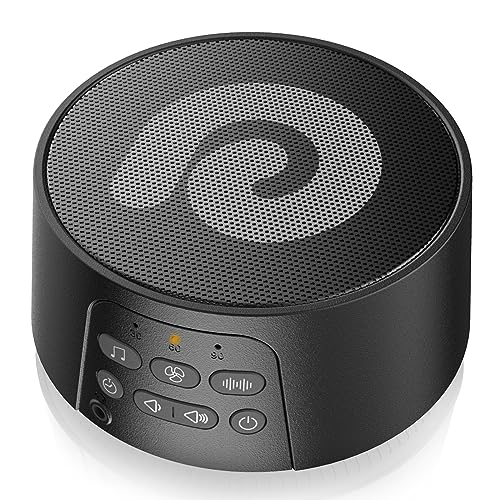
Dreamegg White Noise Sound Machine
- ✓ 10 soothing sounds (brown noise, pink noise)
- ✓ Timer function (30 mins - 8 hours)
- ✓ USB rechargeable, 20+ hour battery
* We earn a small commission — at no extra cost to you.
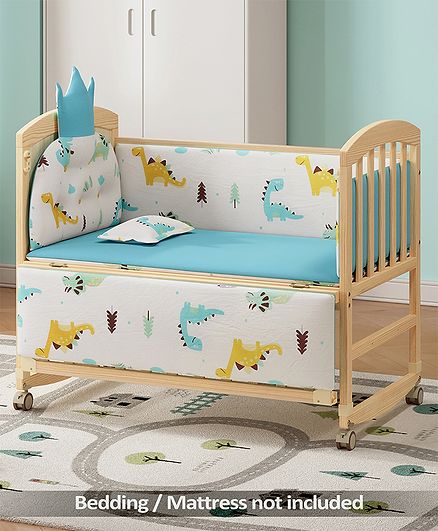
Babyhug Sidecar Crib Attached to Bed
- ✓ BIS-certified safe sleep surface
- ✓ Attaches securely to parent bed (queen/king)
- ✓ Removable mesh walls for parent closeness
* We earn a small commission — at no extra cost to you.

Curtainwala Thermal Blackout Curtains with Hooks
- ✓ 85% light-blocking polyester blend
- ✓ Comes with curtain hooks (no rod needed)
- ✓ Available in grey, navy (5+ sizes)
* We earn a small commission — at no extra cost to you.

Avantek White Noise Machine with Night Light
- ✓ 12 nature sounds + pink/brown noise
- ✓ Soft LED night light (adjustable brightness)
- ✓ Battery backup 25+ hours
* We earn a small commission — at no extra cost to you.