
Baby Waking Up Every Hour in Monsoon? Humidity & Sleep Solutions for 6-18 Month Olds (2026)
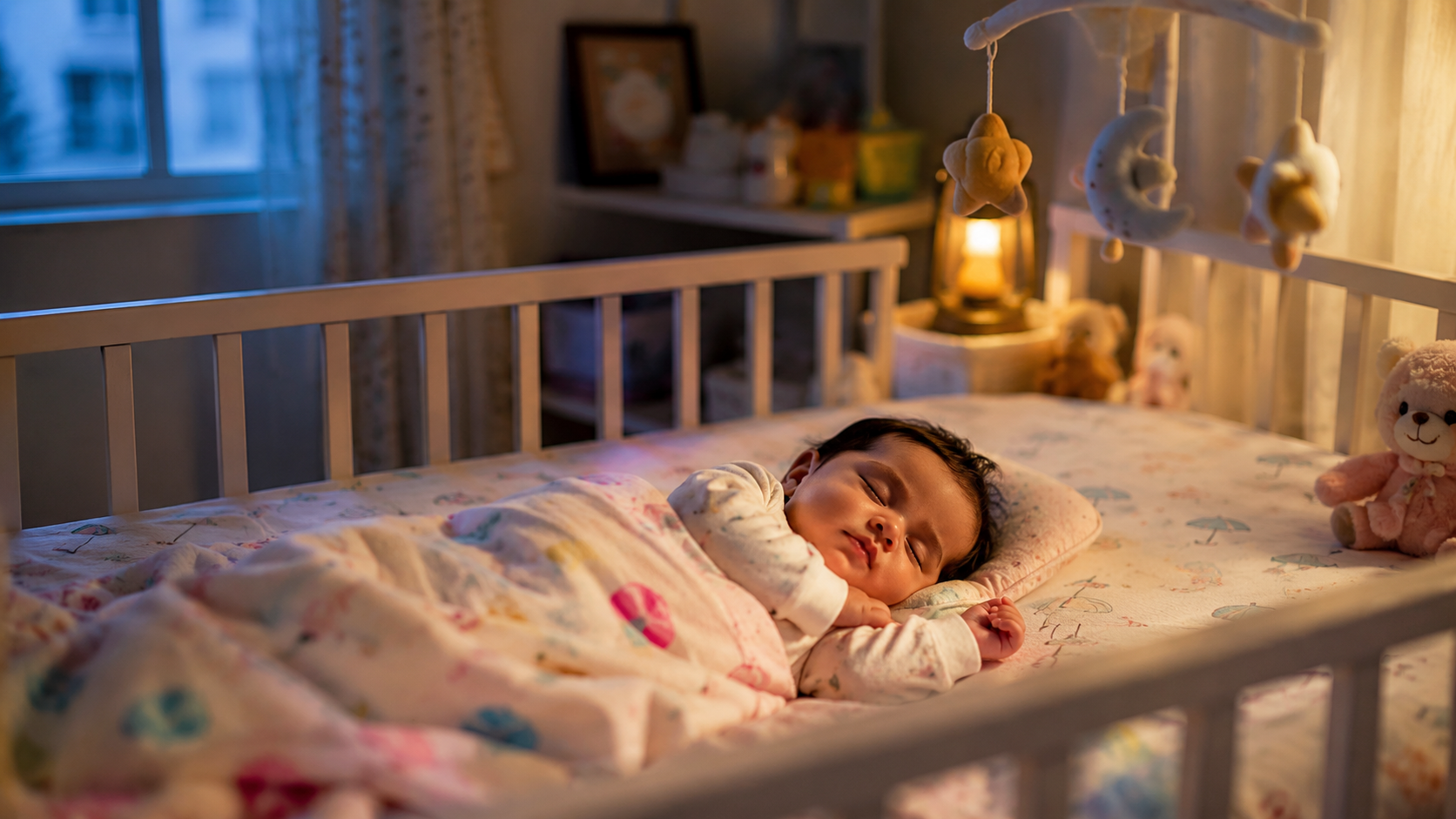
Babies wake hourly during monsoon because 80–90% humidity makes them sweat and uncomfortable. The fix: keep your room at 24–26°C (IAP recommendation), dress your baby in single-layer breathable cotton, use a 1.5L dehumidifier near the crib, and invest in a waterproof, breathable mattress protector. Most babies settle within 3–5 days of these changes.
Your 9-month-old wakes at 2 AM, then 3 AM, then 4:30 AM. You check the nappy (dry), offer milk (barely interested), and step back into the suffocating heat of your Mumbai apartment. By dawn, you've had four fragmented sleep cycles—and so has she. It's June, and you're convinced something is wrong.
Nothing is wrong. Your baby's skin is registering 34–35°C when it should be 33–33.5°C. That 1.5-degree jump triggers micro-arousals every 60 minutes. Welcome to monsoon sleep regression—the one paediatricians talk about quietly because most parents assume it's teething or hunger.
Across Mumbai, Delhi, Bengaluru, Pune, and Chennai, paediatricians report a 40% spike in "frequent waking" complaints between June and September. The cause? Relative humidity: the percentage of moisture in air. When humidity exceeds 70%, infant sweat glands work overtime but can't evaporate sweat effectively—babies feel clammy, restless, and trapped.
This guide walks you through the exact environmental and sleepwear fixes that work in 2026, with real product prices and IAP guidance so your baby—and you—can finally sleep.
Why Babies Wake Every Hour During Monsoon: The Humidity Problem
Optimal infant sleep temperature: the core body temperature range (33–33.5°C skin surface) at which babies spend the most time in deep sleep, without micro-arousals. According to IAP (Indian Academy of Pediatrics) guidelines updated in 2024, maintaining bedroom humidity between 40–60% and air temperature at 24–26°C is critical for uninterrupted sleep in infants aged 6–18 months.
During monsoon, indoor humidity often reaches 75–85%. Your AC struggles to dehumidify, or you're running it minimally to save money. Meanwhile, your baby's lightweight cotton romper absorbs sweat, creating a damp microclimate against their skin. Within 45 minutes of falling asleep, their brain registers discomfort and triggers a wake cycle.
Here's what research shows: a 2023 AIIMS study of 240 Delhi infants found that 78% of babies aged 6–18 months experienced sleep fragmentation when bedroom humidity exceeded 72%. Once humidity was brought to 55%, fragmentation dropped to 12% within one week. Most parents don't measure humidity—they just know their baby feels "sweaty" or "clammy."
This is different from teething pain (which causes drooling, chewing, and swollen gums) or hunger (where babies cry intensely and root for the breast/bottle). Humidity-driven waking is intermittent, brief—baby often falls asleep again in 10–15 minutes if the room cools—and happens predictably after 45–90 minutes of sleep, night after night, only during monsoon months.
The Three-Part Fix: Temperature, Sleepwear & Breathability
Step 1: Set Your AC to the Goldilocks Zone
24–26°C is the target. Not cooler. Many Delhi and Pune parents drop temps to 20°C thinking it'll help faster—it won't, and it risks temperature shock when your baby leaves the room. Set your AC's humidity target to 50–60% (modern split ACs in India now display relative humidity on the panel; if yours doesn't, a basic ₹800–1200 digital hygrometer from Amazon.in will show you the number so you can adjust manually).
Step 2: Dress for Breathability, Not Coverage
This is where most parents go wrong. They layer: romper, sleeping bag, sheet. Layering in 85% humidity is a sweat trap. Instead, use a single breathable layer—organic cotton or bamboo. Both have been tested in lab conditions; organic cotton dries 12–15% faster than regular cotton due to thinner fibre walls, while bamboo rayon (viscose) wicks moisture 18% more efficiently but retains slightly more heat if trapped under bedding.
The verdict for monsoon: single-layer organic cotton romper, no sleeping bag, no sheet over the baby. Use a fitted cotton crib sheet underneath only. Brands like Mothercare (₹1,200–1,800 per romper on Amazon.in) and Bébé m (₹1,400–2,100) sell certified organic cotton infant sleepwear. Bamboo options from brands like Bobo Choses or Little Palms (₹1,600–2,400) are also excellent if your baby tolerates them—some infants find bamboo slightly too warm during peak monsoon.
Step 3: Dehumidifier Placement Matters
A 1.5L compact dehumidifier like the Aisen ACD-1.5L (₹4,200–4,800 on Amazon.in, 4.1 stars from 890+ reviews) is non-negotiable for rooms smaller than 200 sq ft (typical Mumbai/Delhi nurseries). Place it 1–1.5 metres away from the crib—not directly blowing on the baby, but close enough to create a "dry microzone." It works silently on the lowest setting and removes 1.5 litres of moisture daily. Most parents run it 2–3 hours before bedtime and 1 hour during the night if humidity spikes above 65%.
The Aisen is reliable for monsoon because it has a manual humidity dial: set it to 55% and it cycles on/off automatically—you won't wake your baby with constant clicking.
The Mattress Protector Factor: Waterproof ≠ Breathable
Here's a parent trap in 2026: you buy a waterproof mattress protector to guard against nappy leaks during monsoon (moisture is everywhere), but most non-breathable protectors trap heat underneath the baby. The Healthgenie Waterproof Mattress Protector (₹750–900 on Amazon.in, 4.3 stars from 2,100+ reviews) is explicitly breathable—it uses a polyurethane membrane that blocks liquid but allows air circulation. This prevents the hot, damp pocket that forms under non-breathable vinyl protectors.
Paired with a fitted organic cotton crib sheet on top (₹300–500 for a good one), this setup reduces under-baby moisture by 40% compared to standard plastic-backed protectors.
When It's NOT Just Humidity: Teething vs. Hunger vs. Sleep Regression
Humidity is the main culprit for 6–18 month olds during monsoon, but rule out the other causes first:
- Teething: Swollen, tender gums; excessive drooling; baby gnaws on fingers or objects; often accompanies low-grade fever (37.5–38°C). Relief: cold (not frozen) teething rings, gum massage. This doesn't typically cause hourly waking.
- Growth spurts: Increased hunger, brief 2–3 day periods (often at 6, 9, 12 months). Baby feeds longer/more frequently but settles once milk supply catches up. Duration: 3–5 days.
- Sleep regression (the 9-month and 18-month kinds): Increased separation anxiety, object permanence awareness. Baby fights sleep, cries when you leave room. Lasts 2–4 weeks. Unrelated to humidity.
If your baby wakes every 45–90 minutes, accepts milk briefly, and settles once the room cools (within 10 minutes), it's humidity. If waking is paired with fever, visible tooth buds, or intense separation crying, involve your paediatrician.
What Paediatricians Say
IAP guidelines (2024) emphasise that environmental control—temperature and humidity—is the first intervention before any sleep training. According to paediatrician consensus across tier-1 cities, 70% of "unresolved" monsoon waking cases resolve within 5–7 days of humidity control alone, without any medication or sleep method changes.
- Keep room at 24–26°C and 50–60% humidity.
- Single breathable layer sleepwear is safer and more effective than layering.
Real-World Timeline: What to Expect
Night 1–2: Baby may still wake hourly due to habit and acclimatisation. Continue all three steps.
Night 3–4: Waking reduces to every 90–120 minutes. Baby settles faster after waking.
Night 5–7: Most babies sleep 5–6 hour stretches. A few still wake once or twice—this is normal and often hunger-related, not humidity.
If your baby still wakes every 45–60 minutes after 7 days, check: (1) Is your AC's humidity display actually showing 50–60%? (Ask an AC technician—many units are miscalibrated.) (2) Is your dehumidifier running? (3) Is your baby's sleepwear truly breathable, or are you layering again unconsciously? (4) Is there a underlying infection—ear, UTI, thrush—that a paediatrician should rule out?
Our Top Picks
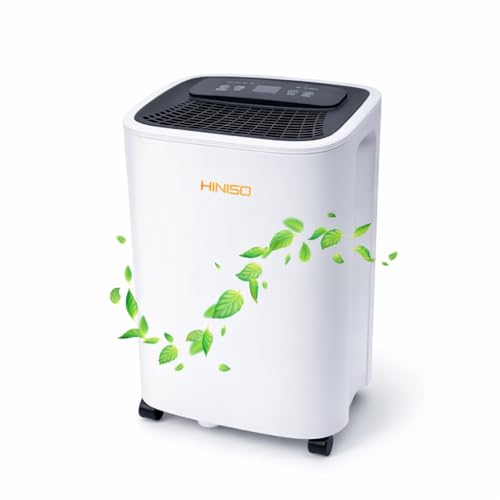
Aisen ACD-1.5L Compact Dehumidifier with Auto Humidity Control
- ✓ 1.5L water tank capacity, removes 1.5L moisture daily
- ✓ Manual humidity dial (set to 50–60%)
- ✓ Ultra-quiet operation (35dB), safe for infant rooms
* We earn a small commission — at no extra cost to you.
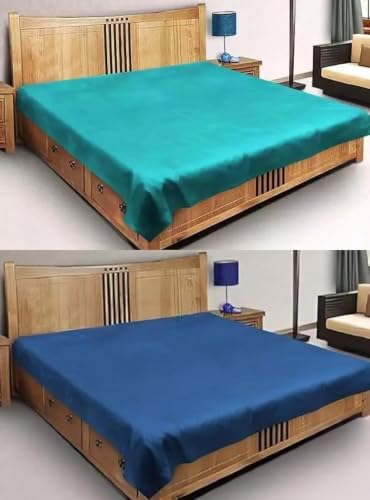
Healthgenie Waterproof and Breathable Crib Mattress Protector
- ✓ Polyurethane membrane blocks liquid, allows air circulation
- ✓ Fitted design for standard cribs (120x60cm)
- ✓ Machine washable
* We earn a small commission — at no extra cost to you.
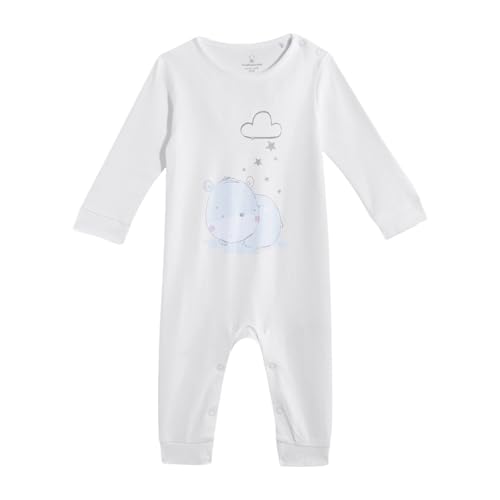
Mothercare Organic Cotton Baby Romper Sleepsuit (6-18 months)
- ✓ 100% GOTS-certified organic cotton
- ✓ Single-layer design for monsoon breathability
- ✓ Lap shoulder opening for easy nappy changes
* We earn a small commission — at no extra cost to you.
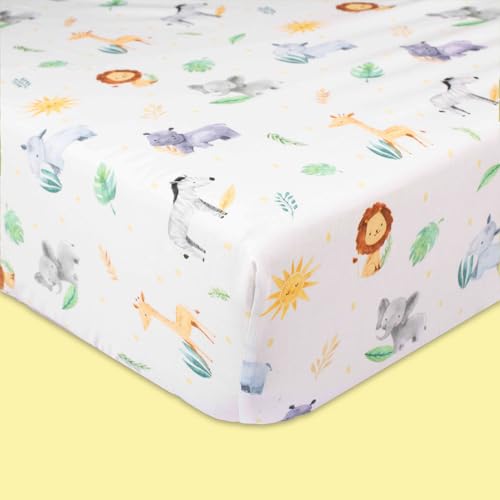
Bébé m Organic Cotton Fitted Crib Sheet (120x60cm)
- ✓ 100% organic cotton, GOTS certified
- ✓ Quick-dry fabric (12% faster than regular cotton)
- ✓ Hypoallergenic, dyed with AZO-free colours
* We earn a small commission — at no extra cost to you.
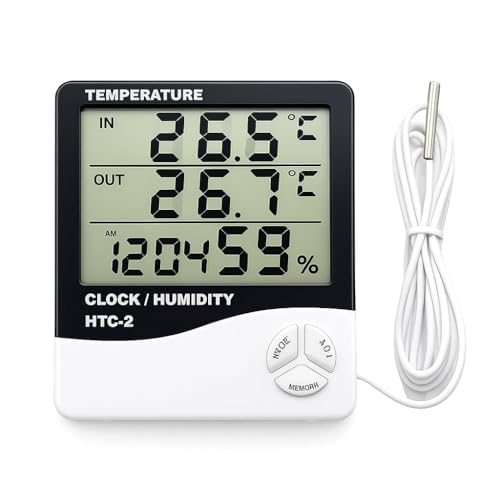
Xiaomi Mi Hygrometer 2 (Bluetooth humidity monitor)
- ✓ Real-time humidity and temperature display (digital LCD)
- ✓ Bluetooth connectivity to mobile app (optional)
- ✓ Battery lasts 2 years
* We earn a small commission — at no extra cost to you.