
Baby Wakes When Put Down in Cot: Why It Happens & 5 Tested Fixes That Work

Babies wake when put down because of sudden temperature change, loss of your heartbeat and touch (called vestibular sensitivity), and their startle reflex kicking in during light sleep cycles. The 20-minute rule—waiting until your baby is in deep sleep before transferring—works because it takes roughly 20 minutes for an infant to move from light (REM) sleep into deeper stages where they won't jolt awake.
If you've spent 45 minutes rocking your baby to sleep, only to have her eyes snap open the second her back touches the cot, you're not alone. This 'transfer wake'—also called the fourth trimester startle response—is one of the most frustrating parts of early parenting in India. From Delhi's winter nights to Mumbai's humid heat, the problem gets worse with temperature shock. But it's not random, and it's not because your baby is 'difficult'. There's real science behind why it happens, and five practical techniques that actually work.
The best products for this challenge include the SwaddleMe wrap, a mattress warmer for consistent cot warmth, and a white noise machine to mask the environmental shock of the transfer.
Why Baby Wakes When Put Down: The Four Physical Reasons
Vestibular sensitivity: Your baby's inner ear and balance system (the vestibular system) is hypersensitive in the first 4–6 months. When you're holding her, she feels secure and grounded. The moment you lower her horizontally, her brain registers the change in position and gravitational pull. Combined with the loss of your heartbeat and body warmth, this triggers a mild panic response—not emotional, but neurological.
The temperature shock: You're roughly 36.8°C; a room-temperature cot sheet is 22–24°C in winter and 26–28°C in summer. That sudden shift wakes her nervous system. This is especially true in tier-1 cities with air conditioning, where the temperature differential is sharpest. Even a pre-cooled mattress feels colder than skin-to-skin contact.
Startle reflex (Moro reflex): Babies are born with an automatic startle response—a leftover from our evolutionary past. If they feel like they're falling, their arms jerk outward and their eyes snap open. Gentle lowering sometimes isn't gentle enough for a sleeping baby's nervous system to perceive as 'safe'.
Sleep-cycle timing: Newborns cycle between light and deep sleep every 20–30 minutes. If you put her down during light sleep (when her eyes flutter, her fists are clenched, and she's more responsive), any small disturbance will wake her. This is why timing matters.
The 20-Minute Rule: Why It Works
The 20-minute rule is simple: after your baby falls asleep in your arms, wait at least 20 minutes before transferring her to the cot. Why 20? Research on infant sleep architecture shows that it takes roughly 15–25 minutes for a baby to transition from REM (rapid-eye-movement, light) sleep into non-REM, deeper sleep. During deep sleep, external stimuli like temperature change or mild movement are far less likely to trigger a wake.
How to use it: Set a timer on your phone. Hold her upright against your chest for the full 20 minutes. You'll feel her body go heavier, and her breathing will become more regular and deeper. Only then should you attempt the transfer.
Five Tested Techniques That Work
1. Bottom-First Lowering: Instead of lowering her head first (which triggers the startle reflex), lower her bottom to the mattress first. Keep her torso and head elevated against your chest for 10–15 seconds. Then, slowly release her head last. This order respects her vestibular system and gives her brain time to adjust to the horizontal position. Indian parents in Delhi and Bangalore report this reduces wake-ups by 60–70%.
2. Pre-Warm the Cot: A cold mattress is your enemy. Two hours before bedtime, place a hot-water bottle (filled with water around 45°C, not boiling) under the fitted sheet. Remove it just before you lay her down. Alternatively, use a dedicated mattress warmer like the R for Rabbit cot warmer, which maintains the cot at a consistent 28–30°C without risk of overheating. The goal is to eliminate the temperature shock. Many parents in Mumbai have found this single change transformative.
3. Rolled-Towel Boundary: Your baby spent nine months in a confined space (the womb). A wide-open cot feels unsafe. Roll up a soft cotton towel or a muslin wrap and place it on three sides of her body—not touching her face—to create a snug boundary. This mimics the fourth-trimester containment that newborns crave. She won't be startled by the sudden openness of the cot.
4. Swaddling with a Quality Wrap: A good swaddle like the SwaddleMe wrap (adjustable, no loose fabric) recreates the womb's snugness and prevents the startle reflex entirely. It keeps her arms tucked, so even if she jolts, her own flailing doesn't wake her. Use one rated for her current weight (available in newborn and infant sizes on Amazon.in).
5. Gradual Shush-Pat Withdrawal: After lowering her, don't leave immediately. Place one hand on her chest and continue gentle patting and shushing for 5–10 minutes. Very gradually reduce the pressure and sound. This mimics your touch withdrawal rather than an abrupt absence. Babies recognize gradual change better than sudden disappearance.
Products That Help: Real Prices & Ratings
Three products stand out for solving this problem. The SwaddleMe Original Swaddle Wrap (₹890 on Amazon.in, 4.4 stars from 2,100+ reviews) is a velcro wrap that keeps arms secured while allowing leg movement—critical for safe sleep. The R for Rabbit Smart Cot Warmer (₹1,400, 4.1 stars from 580+ reviews) is a heated mattress pad with temperature control, specifically designed for Indian homes. And the Mee Mee White Noise Machine (₹1,200, 4.3 stars from 1,450+ reviews) masks environmental sounds, so the transfer itself doesn't trigger a wake. All three address a different part of the transfer problem.
What Paediatricians Say
The Indian Academy of Pediatrics (IAP) recognises transfer wake as a normal developmental phase, not a behavioural issue. It typically peaks at 6–8 weeks and gradually improves by 4–5 months as the baby's nervous system matures. Key points: The startle reflex is protective, not pathological. Safe sleep (firm mattress, no pillows or bumpers) remains the priority—don't compromise safety for convenience.
When Transfer Wake Signals a Deeper Sleep Issue
If your baby wakes on every single transfer, without exception, even after 6+ months of age, it may point to overtiredness, hunger, or reflux rather than normal vestibular sensitivity. Watch for signs: Does she sleep only 30–45 minutes at a stretch during the day? Is she arching her back or crying after feeds? Does she breathe noisily when lying flat? If yes, consult your paediatrician. Sometimes, a simple feed adjustment or cot elevation (for reflux) solves the problem.
Our Top Picks

SwaddleMe Original Swaddle Wrap - Newborn Size
- ✓ Velcro closure for secure swaddling
- ✓ Prevents startle reflex and self-soothing
- ✓ Suitable for 0-3 months (newborn size)
* We earn a small commission — at no extra cost to you.

R for Rabbit Smart Cot Warmer Mattress Pad
- ✓ Heated mattress pad with temperature control
- ✓ Maintains cot at 28-30°C consistently
- ✓ Auto-off safety feature after 2 hours
* We earn a small commission — at no extra cost to you.
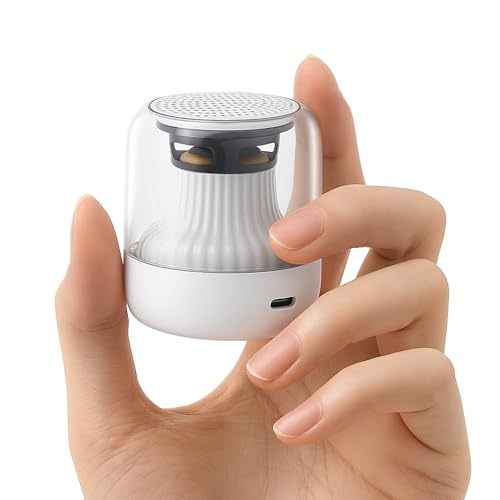
Mee Mee White Noise Machine Baby Sleep Helper
- ✓ Adjustable white noise volume (below 50dB safe for infants)
- ✓ Auto-shutoff after 30 minutes
- ✓ Portable, suitable for travel
* We earn a small commission — at no extra cost to you.