
Baby Wakes When Cooler Stops: 5 Solutions for Autumn Temperature Drops
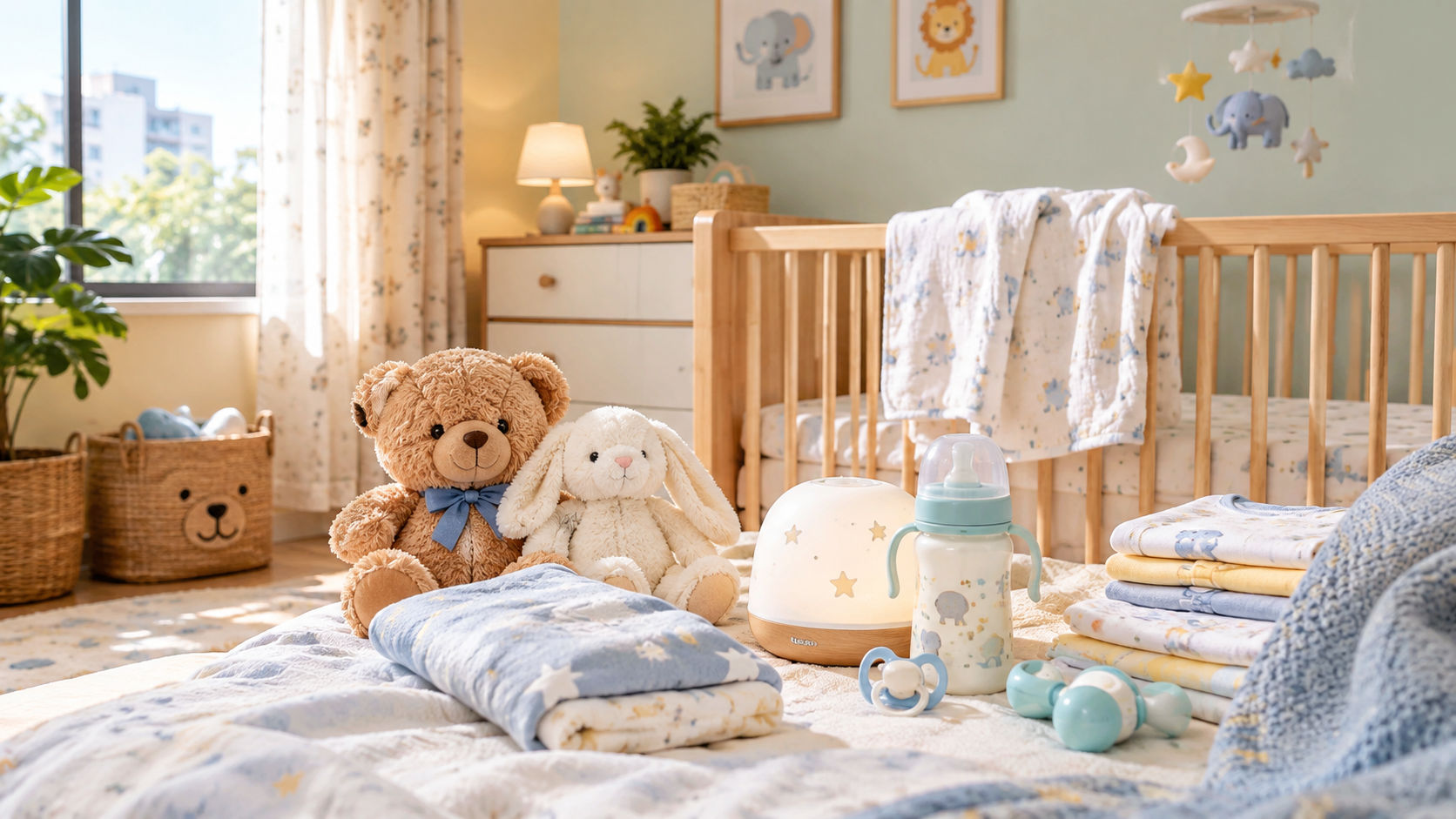
Babies wake when coolers stop because they rely on the consistent white noise and steady temperature—sudden silence is jarring. Use white noise machines (₹800–2500), set cooler timers, layer clothing, maintain 40–60% humidity, and create transition routines to help 4–18 month olds sleep through temperature changes.
October in tier 2 and tier 3 cities brings that first drop in temperature, and for many Indian parents, the cooler season means switching from running the desert cooler or air cooler all night to turning it off earlier. The result? A baby who sleeps peacefully while the cooler hums, then jolts awake the moment it stops. It's one of those sleep disruptions that feels random but actually has a solid explanation—and there are practical, affordable ways to work around it.
The issue isn't the cooler itself or your baby's sleep quality. It's the sudden change in two things at once: the white noise the cooler produces and the actual temperature shift when it stops. For babies aged 4 to 18 months, who are still building consistent sleep architecture, these abrupt changes can trigger a micro-arousal—that moment where they shift from deep sleep to light sleep and wake fully.
Why Babies Wake When the Cooler Stops
Your baby has spent weeks or months falling asleep to a steady hum. That sound becomes part of her sleep cue—her brain learns that the cooler running = safe, predictable sleep environment. When it stops, two things happen simultaneously: the white noise vanishes and the room temperature begins to rise (or drop, if you're using air conditioning). Silence itself can be a jolt to a sleeping baby, especially at 4–8 months when babies are still learning to filter environmental noise.
Temperature swings matter too. According to IAP guidance on infant sleep safety, a room temperature between 20–24°C is ideal for sleep, but babies regulate body heat differently than older children. A sudden 2–3°C shift when the cooler stops can make a baby feel uncomfortable enough to wake, even if she wasn't consciously aware of the change.
For parents in Delhi, Jaipur, Lucknow, Pune, and other cities where desert coolers (also called swamp coolers) and air coolers are the norm, this becomes especially noticeable in October when overnight temperatures start dropping and many families use coolers for only part of the night.
Solution 1: White Noise Continuation (₹800–2500)
The simplest fix is to separate the white noise from the temperature control. Instead of relying on the cooler's sound to mask ambient noise and soothe your baby, use a dedicated white noise machine that runs independently—and can stay on all night.
Why this works: White noise masks the sudden silence and gives your baby's ears a consistent soundscape, even after the cooler stops. Brands like Marpac Dohm (₹1800–2200 on Amazon.in) and dreamegg (₹899–1200) offer compact, nursery-safe options. Look for machines with a timer function so you can fade the sound gradually rather than switching it off abruptly.
The Dreamegg White Noise Machine is popular among Indian parents (4.1 stars on Amazon.in, 2300+ reviews) because it's affordable, has a 30-minute to 10-hour timer, and produces a steady fan-like hum that many babies find soothing. The Marpac Dohm uses a mechanical fan to create a true white noise (not recorded), which some parents prefer because it has no loops or artificial patterns.
Position the machine across the room from the cot, not directly next to your baby, to avoid accidental contact and to ensure the sound level is gentle (around 50 decibels, which is conversation-level noise).
Solution 2: Gradual Cooler Timer or Manual Transition
If you don't want to add another device to the nursery, the next best option is to control when and how the cooler stops. Instead of switching it off suddenly at bedtime, let the cooler run on a timer that gradually powers down or simply turn it off 30–45 minutes before you expect your baby to wake naturally (e.g., early morning).
Many desert coolers and modern air coolers have timer functions—check your appliance's manual. If yours doesn't, you can use a smart plug (₹300–600 on Amazon.in) with a timer app to automate the on/off cycle. The goal is to avoid an abrupt stop while your baby is in deep sleep.
For parents using air coolers: set the thermostat 1–2°C higher than you would normally so the temperature drop is gradual, not sudden. Your baby's body can adjust to slower changes without waking.
Solution 3: Layering and Lightweight Clothing Adjustments
When the cooler stops, the room temperature rises. If your baby is dressed too lightly, she'll feel the change acutely. Conversely, overdressing can trap heat. The solution is strategic layering that lets you adjust without rewaking her.
For 4–12 months: Use a sleep sack or wearable blanket (instead of loose blankets, which pose SIDS risk). Choose a tog rating of 1.0–1.5 (light to medium) for autumn. If the room cools early in the night, your baby has built-in warmth; when the cooler stops and temperature rises, the sleep sack is still light enough to prevent overheating.
For 12–18 months: Layer a cotton undershirt under the sleep sack, or use a thicker sleep sack (2.5 tog) if your home is particularly cool. Avoid adding loose blankets—sleep sacks are safer and easier to adjust without disturbing her.
Popular sleep sacks on Amazon.in include Babyhug (₹799–1299, 4.3 stars) and Bey Bee (₹599–999, 4.2 stars). Both are available in multiple tog ratings and are washable, making them practical for Indian households.
Solution 4: Maintain Room Humidity (35–60%)
Temperature changes are more noticeable when humidity is low. As coolers run, they dry out the air, and when they stop, the dry air can make your baby uncomfortable—dry nasal passages wake more easily than moist ones. IAP recommends maintaining 40–60% humidity in a nursery, especially during sleep.
Use a small humidifier (₹1200–2200 on Amazon.in) to add moisture to the air. Run it alongside your white noise machine, or use a combo unit. Brands like Honeywell (₹1899, 4.2 stars on Amazon.in) and Elechomes (₹1599–2099, 4.3 stars) are reliable and small enough for a nursery.
If you can't afford a humidifier, a simple bowl of water placed away from the cot (never within reach) can help, though it's less effective. Clean and refill daily to prevent mold.
Solution 5: Create a Transition Routine for Cooler Off-Days
On nights when you plan to turn the cooler off earlier than usual, prepare your baby's body and mind for the change. Start 1–2 hours before bedtime:
- Dim the lights: Signal to your baby's body that sleep is coming, reducing stress when the environment changes.
- Keep the cooler running during the bedtime routine: Bath, feed, and story time all happen with the familiar hum in the background.
- Start white noise 15 minutes before the cooler stops: Overlap the sounds so your baby doesn't register an abrupt shift.
- Keep the room slightly warmer than usual: If you normally keep it at 22°C, set it to 23–24°C on cooler-off nights so the temperature rise is minimal.
This routine tells your baby: cooler stopping is part of the plan, not a disruption. Over 1–2 weeks, many 6+ month olds adapt to the pattern.
When to See a Doctor
If your baby wakes frequently throughout the night (more than 3–4 times after 4 months), sweats heavily during sleep, or shows signs of fever or discomfort beyond just the cooler noise, consult your pediatrician. These could indicate an ear infection, teething discomfort, or sleep regression unrelated to temperature. This is general information, not medical advice.
What IAP and WHO Guidance Says
Room temperature: IAP recommends 20–24°C for safe infant sleep. Humidity: WHO guidelines support 40–60% humidity to reduce respiratory irritation and improve sleep quality, particularly important during autumn transitions when air quality shifts.
Our Top Picks
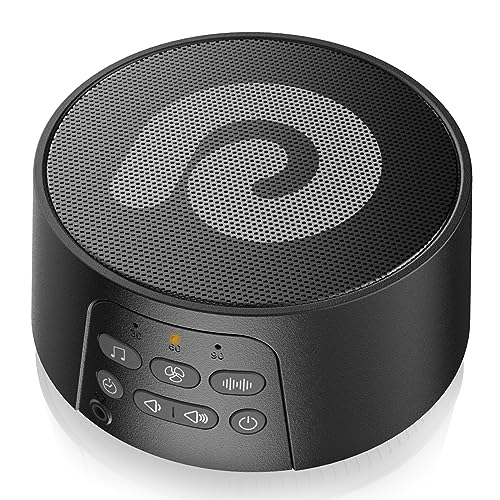
Dreamegg White Noise Machine with 10-Hour Timer
- ✓ Adjustable volume (0–85 dB)
- ✓ 30 min to 10-hour timer
- ✓ USB-powered, compact design
* We earn a small commission — at no extra cost to you.
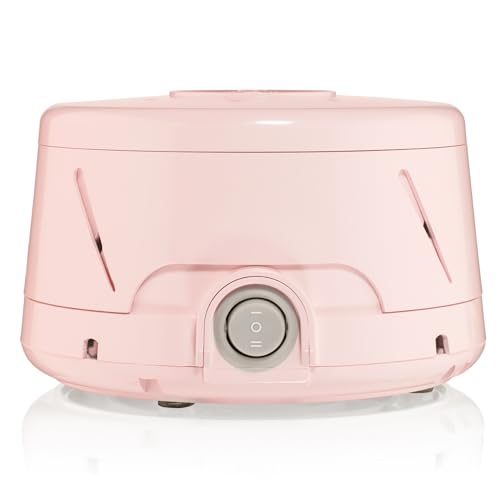
Marpac Dohm Mechanical White Noise Machine
- ✓ Real mechanical fan, no recording loops
- ✓ Adjustable tone and volume
- ✓ Eco-friendly, low power consumption
* We earn a small commission — at no extra cost to you.

Babyhug 1.0 Tog Wearable Sleep Sack (6–12 months)
- ✓ 100% organic cotton
- ✓ 1.0 tog (light weight)
- ✓ Machine washable
* We earn a small commission — at no extra cost to you.

Bey Bee Organic Cotton Sleep Sack 2.5 Tog
- ✓ 2.5 tog for cooler nights
- ✓ Organic cotton blend
- ✓ Fits 12–24 months
* We earn a small commission — at no extra cost to you.
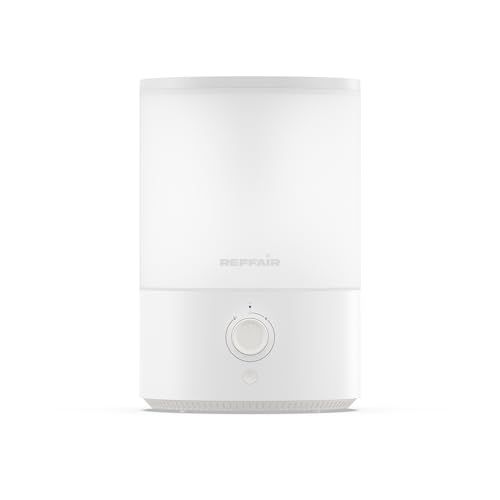
Honeywell Smart Humidifier 4.5L for Nursery
- ✓ Ultrasonic, whisper-quiet operation
- ✓ Maintains 40–60% humidity
- ✓ Auto-shutoff when full
* We earn a small commission — at no extra cost to you.

Elechomes Cool Mist Humidifier with Aroma Diffuser
- ✓ 3L capacity, runs 10–15 hours
- ✓ Whisper-quiet (25 dB)
- ✓ Compatible with essential oil diffuser
* We earn a small commission — at no extra cost to you.