
Why Baby Wakes When AC Stops: Pressure Changes & 5 Solutions for 2026
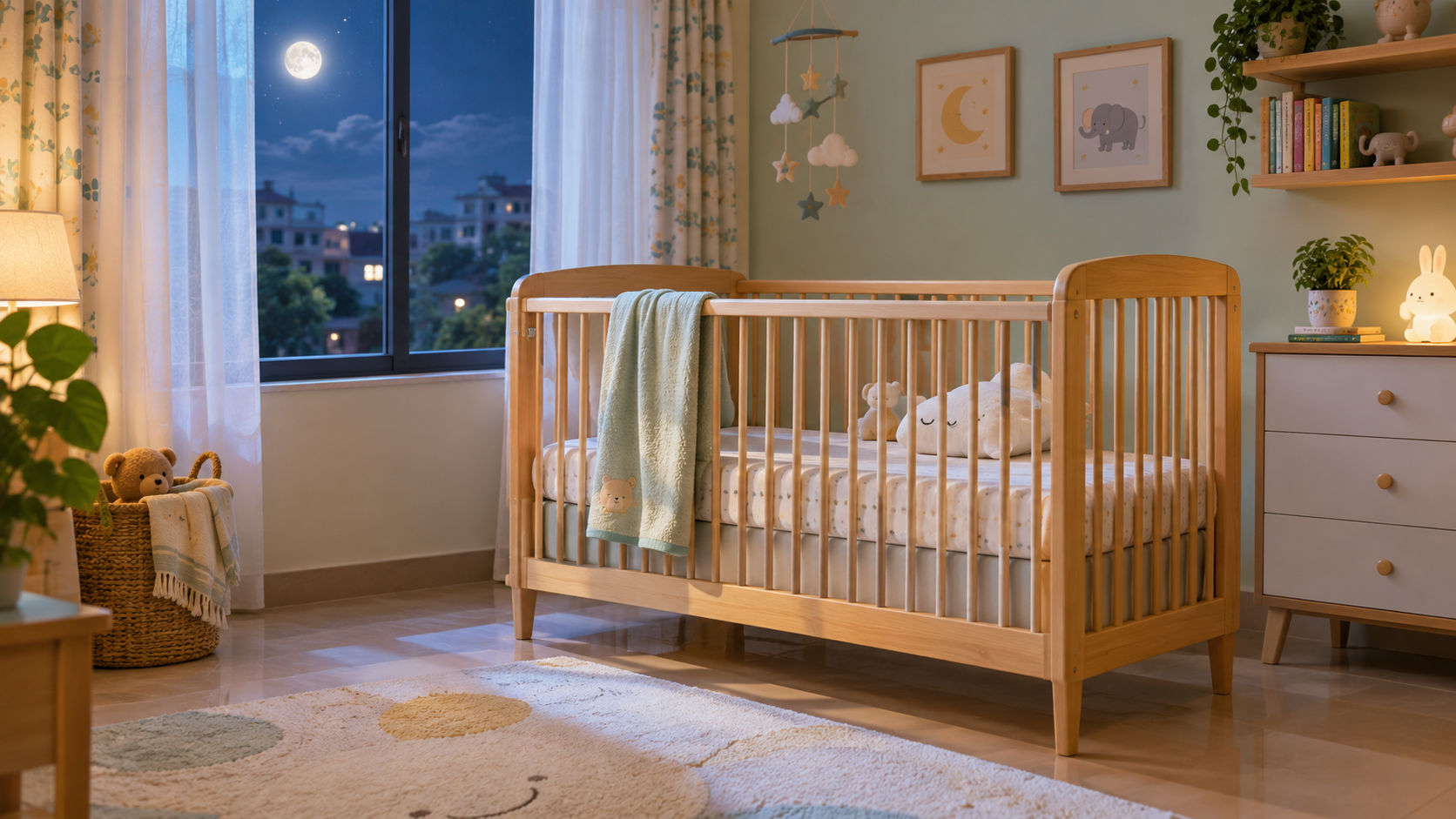
Babies have a highly sensitive vestibular system that detects changes in air pressure, temperature, and ambient sound. When the AC stops or fan speed shifts, the sudden change in pressure and noise jolts them awake. Gradual AC timers, white noise machines, and ceiling fan stabilizers help smooth these transitions.
You've probably noticed it: your baby finally settles into a deep nap, and the moment the AC compressor cycles or the ceiling fan slows down, their eyes snap open. It's not random timing—your baby is responding to a real physical shift in their environment. Understanding why this happens, and how to work around it, can add hours of peaceful sleep back to your day and sanity back to your afternoons.
The culprit is your baby's vestibular system: the sensory network in the inner ear and brain that detects motion, gravity, and pressure changes. Newborns and infants up to 12 months have an especially reactive vestibular system—it's why they startle at sudden movements or loud noises. Air pressure drops, temperature swings, and sound level changes all trigger this system. When the AC shuts down, the air pressure around your baby's body shifts, temperature rises slightly, and the ambient hum vanishes. To your baby, it feels like a jolt.
Why Does Air Pressure Wake Babies?
Air pressure changes are invisible to us, but your baby's ears and inner ear fluid sense them acutely. Every time the AC compressor cycles on or off, or the fan speed adjusts, the atmospheric pressure in the room shifts by a few pascals—enough to trigger your baby's vestibular reflex. This is the same reflex that makes babies flinch during flights or in elevators. The change isn't harmful; it's simply a sensation so novel or sudden that the sleeping brain wakes to investigate. Combined with the loss of the white noise that masked other household sounds, the silence itself becomes a trigger.
This sensitivity peaks between 2 and 8 months and gradually normalises as the vestibular system matures around 12 months. Some babies remain pressure-sensitive longer, especially if they spend most of their day in climate-controlled environments where pressure changes are more dramatic than outdoor variations.
How Does a Ceiling Fan Speed Change Affect Sleep?
Ceiling fans are trickier than ACs because they're often manually controlled or on old regulators that step through speeds abruptly rather than smoothly. When you adjust the speed, the blade rotation rate changes suddenly, causing the air circulation pattern to shift and the ambient noise to drop or spike unpredictably. Your baby was lulled by a steady 3,000 RPM hum and conditioned air flow; now the rhythm changes, and their brain detects it as a potential threat—time to wake and assess.
Many homes in tier-1 and tier-2 cities use ceiling fan speed stabilizers (₹800–1,200 on Amazon.in) that allow gradual, smooth speed transitions instead of abrupt steps. Stabilizers reduce the jarring effect and help maintain a consistent acoustic environment while sleeping.
5 Practical Solutions for Indian Homes
1. Gradual AC Timer Settings
Modern inverter ACs and split units sold in 2026 allow sleep mode or gradual timer settings. Instead of the AC running at full capacity and then shutting off completely, set it to reduce compressor activity slowly or to maintain a steady state for the duration of the nap. Brands like Daikin, LG, and Voltas offer eco-sleep modes that hold temperature within a 1–2°C band without cycling pressure sharply. This costs a little extra in electricity but eliminates the abrupt pressure shift. If your AC doesn't have this feature, set a 30-minute timer to cool the room to 22–24°C before the nap, then switch to fan-only mode (no AC compressor) once the baby is deeply asleep. The fan alone maintains gentle air movement without pressure changes.
2. Inverter AC Benefits Over Conventional Units
Inverter air conditioners modulate compressor speed continuously rather than switching on and off. This means air pressure changes are gradual, not sudden. The temperature and pressure curve is smooth, mimicking natural outdoor conditions. Conventional ACs cycle on and off, creating pressure spikes every 15–20 minutes. If you're upgrading your AC in 2026, inverter models (typically ₹45,000–70,000 depending on tonnage and brand) are worth the investment for families with young babies. The quieter operation also reduces ambient noise disruptions.
3. Ceiling Fan Stabilizers (₹800–1,200)
A ceiling fan speed stabilizer is a small box (roughly 10 cm × 10 cm) that fits between the wall switch and the fan wiring. It smooths speed transitions from one level to the next, eliminating the abrupt jumps. When you turn the dial, the fan accelerates or decelerates over 2–3 seconds instead of snapping to the new speed instantly. Popular brands include Havells and Anchor, both available on Amazon.in. Installation is simple if you're comfortable with basic wiring, or call an electrician (₹200–300 visit fee). This is the single cheapest fix for fan-related wake-ups.
4. White Noise Machines and Apps
White noise—steady, unchanging ambient sound—masks the subtle sounds of AC cycling and fan speed changes. When your baby is accustomed to white noise, the absence of AC hum is less jarring because the white noise machine continues. Good options for Indian homes include the Marpac Dohm (₹4,500–5,500 on Amazon.in, mechanical fan-based noise, uses almost no power), or the Philips EasyLife White Noise Machine (₹2,800–3,200). Budget option: use a white noise app like myNoise or Noisli on a tablet or phone set to airplane mode and placed 1–1.5 metres from the crib—but keep it low volume (40–50 decibels) to avoid ear damage over eight hours. White noise also helps babies ignore household chatter and traffic, especially in cities like Delhi, Mumbai, and Bangalore where external noise is unpredictable.
5. Swaddle Adjustments and Temperature Regulation
When air pressure and temperature shift together, a baby in a light swaddle may experience a jarring sensation of pressure release. Adjust your swaddling technique: use a muslin or cotton swaddle instead of thermal wrapping, and ensure it's snug but not restrictive. When the AC cycles off and temperature rises, the baby's skin senses this micro-temperature change. A breathable swaddle (₹150–400 per piece on Amazon.in, brands like Mamas & Papas, Babyoye, or Mothercare) allows heat to escape without the sensation of a sudden warm-up jolt. Alternatively, use a sleep sack one size larger so the baby has room to regulate temperature as it changes. For naps during the day when AC cycling is most frequent, dress the baby in one light layer (cotton romper, no swaddle) rather than overdressing for the constant temperature changes.
When to See a Doctor
Most babies wake to pressure changes normally and outgrow the sensitivity by 12 months. See your paediatrician if your baby wakes repeatedly during naps but shows other symptoms: high fever, pulling at ears, inconsolable crying, or a rash. These may indicate an ear infection or vestibular sensitivity beyond normal. If your baby wakes only during AC or fan cycling and is otherwise happy, eating well, and developing normally, this is behavioural and not a medical concern. This is general information, not medical advice.
What IAP and WHO Guidance Says
Infant sleep environment: IAP recommends keeping the baby's sleep space cool (20–22°C), well-ventilated, and free of sudden environmental shocks. Gradual transitions in temperature and sound support better sleep consolidation. WHO guidance emphasises that environmental consistency—steady temperature, steady air flow, and predictable sounds—supports longer sleep durations in infants under 12 months.
Our Top Picks

Marpac Dohm Compact White Noise Machine
- ✓ Mechanical fan-based white noise
- ✓ Adjustable volume 40–80 dB
- ✓ Ultra-low power consumption
* We earn a small commission — at no extra cost to you.

Havells 5A Ceiling Fan Regulator Speed Controller
- ✓ Smooth speed transitions
- ✓ Easy wall-mount installation
- ✓ Compatible with all ceiling fans
* We earn a small commission — at no extra cost to you.

Mamas & Papas Muslin Cotton Baby Swaddle (Pack of 2)
- ✓ 100% organic cotton muslin
- ✓ Breathable and lightweight
- ✓ Machine washable
* We earn a small commission — at no extra cost to you.

Babyoye Bamboo Viscose Baby Sleep Sack 6-12 Months
- ✓ Bamboo viscose fabric
- ✓ Temperature-regulating
- ✓ Zip-on closure for easy diaper changes
* We earn a small commission — at no extra cost to you.
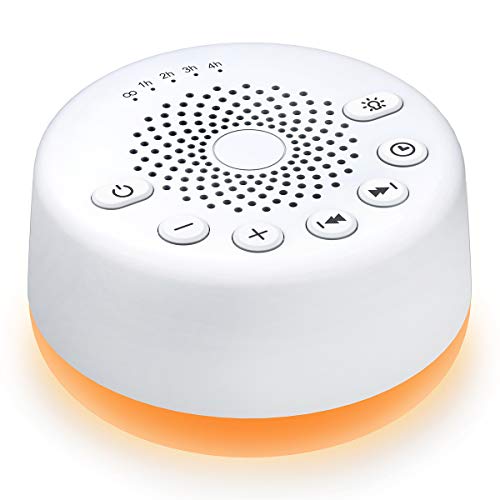
Philips EasyLife White Noise Sleep Machine for Babies
- ✓ 8 sound options including white noise
- ✓ USB rechargeable
- ✓ Adjustable timer up to 60 minutes
* We earn a small commission — at no extra cost to you.